
 Esikatselu
 Jaa teos
 Jaa
Jaa
 Tiedot
 Opas
Opas

 Lataa kuva
 Samanlaisia kohteita
 Röntgenkuvaus
 Diaesitys
 Q&A
Q&A Tilastot
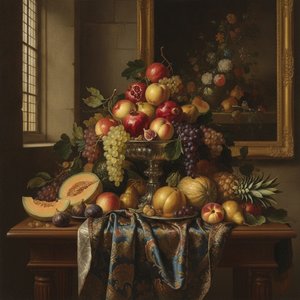
COUPE DE CERISES, PRUNES ET MELON


 Lue lisää
Giclée- ja taideprintit
Museolaatuisia giclée- tai kankaitaulun tulosteita nopealla tuotannolla ja joustavilla viimeistelyvaihtoehdoilla. ( Osta käsinmaalattu taideteos Siirry digitaaliseen kuvaan)




P118B €10

P118H €10

P118W €10

P438Z €10

P508JH €12

P508YH €12

P805H €10

P805Z €10

P919BZ €10

P919G €10

P919XJ €10

P959ZH €10

P968JZ €12

W106C €8

W218G €10

W218JH €8

W218Y €10

W307PJ €10

W316G €10

W316PJ €8

W316Y €10

W398PJ €8

W4111J €10

W500HY €15

W500JH €15

W692G €12

W849H €8

W940BG €15

W953PJ €8




Valitse valmiista mitoistamme sellaiset, jotka vastaavat teoksen alkuperäisiä mittasuhteita.

Syötä tarvitsemasi leveys ja korkeus, jotta tuloste sopii kehyksiisi tai seinällesi. Tulostetta voidaan vain leikata, sitä ei voida koskaan suurentaa alkuperäistä kuvaa suuremmaksi, joten eri muotoinen koko aiheuttaa osan kuvasta katoamisen. Lähetämme sinulle digitaalisen mallikuvan hyväksyttäväksi ennen kuin aloitamme tulostuksen. Tällä sivulla näkyvä kuva ei näytä lopullista rajausta — vain mallikuva näyttää sen.
Maailmanlaajuinen toimitus () 2 viikossa tavallisen 4–5 viikon sijaan. (1 marraskuu)

Ilmainen pikatoimitus ympäri maailman

Korkealaatuinen pellavakangas

Kattava kuljetusvakuutus

Tulliveron palautustakuu

Takuu täydellisestä värien vastaavuudesta

100 päivän palautusoikeus (vain valmistusvirheet)

100% rahat takaisin -takuu

Määräalennus tarjolla
 Lasivaihtoehto on saatavilla vain alle 110 cm kokoisille teoksille

COUPE DE CERISES, PRUNES ET MELON
Giclée- ja taideprintit
Replikaatin koko
-


Kokonaishinta
€ 71
Louise Moillon’s “Coupe de Cerises, Prunes et Melon”: A Baroque Still Life of Quiet Abundance
The painting "Coupe de cerises, prunes et melon" by Louise Moillon, completed around 1633, is more than just a depiction of fruit; it's a meticulously crafted meditation on beauty, abundance, and the fleeting nature of pleasure. Within its deceptively simple composition lies a wealth of Baroque artistry – a masterful blend of Flemish realism, French elegance, and subtle symbolism that continues to captivate viewers centuries later. This intimate still life, now residing within the hallowed halls of the Louvre Museum in Paris, offers a rare glimpse into the world of a pioneering female artist operating within a traditionally male-dominated field.
Moillon’s artistic journey unfolded against the backdrop of 17th-century France, a period marked by religious upheaval and burgeoning artistic innovation. Born into a Huguenot family – refugees fleeing persecution in Holland – her upbringing instilled a deep appreciation for naturalism and symbolic representation, qualities that profoundly shaped her distinctive style. Unlike many of her contemporaries who favored grand historical or mythological scenes, Moillon focused on the quiet beauty of everyday objects, elevating them to an almost sacred level through her painstaking attention to detail and masterful use of light and shadow.
A Symphony of Color and Texture
The painting’s immediate impact is one of serene elegance. Moillon employs a carefully orchestrated palette – a harmonious blend of deep browns, rich reds, vibrant yellows, and muted greens – that draws the eye into the heart of the composition: a gleaming porcelain bowl overflowing with an array of fruits. The cerises, bursting with juicy red color, are strategically placed to command attention, their brightness contrasted against the darker tones of the plums and melon. Moillon’s technique is characterized by an extraordinary level of detail; each fruit – from the velvety texture of the melon rind to the delicate veins on a plum leaf – is rendered with astonishing precision.
The artist's mastery extends beyond mere representation. Moillon skillfully manipulates light and shadow, creating a dramatic chiaroscuro effect that adds depth and volume to the scene. The strong directional lighting, originating from an unseen source above and slightly to the left, casts long, elegant shadows that define the forms of each object, lending them a tangible presence. This masterful use of light not only enhances the visual impact but also evokes a sense of stillness and contemplation – inviting the viewer to linger and appreciate the beauty before them.
Symbolism and Context
Still lifes during the Renaissance and Baroque periods were often imbued with symbolic meaning, representing concepts such as wealth, prosperity, and mortality. In "Coupe de cerises," the abundance of fruit can be interpreted as a symbol of earthly delights – a reminder of the pleasures of life but also a poignant acknowledgment of their transient nature. The carefully arranged composition itself suggests an order and harmony that reflects the ideals of classical art and Renaissance thought.
Furthermore, Moillon’s work is rooted in the artistic traditions of the Netherlands, particularly the Flemish school of painting, which was highly influential in France during this period. The use of trompe l'oeil – a technique designed to create an illusion of three-dimensionality – is evident in the subtle details and realistic textures that contribute to the painting’s overall sense of depth and realism. The placement of the bowl on a dark wooden table, extending into the background, further enhances this effect, blurring the boundaries between the painted world and the viewer's perception.
A Timeless Masterpiece
"Coupe de cerises, prunes et melon" stands as a testament to Louise Moillon’s artistic skill and her ability to capture the essence of beauty in a single image. It is a painting that rewards repeated viewing, revealing new details and nuances with each encounter. More than just a still life, it's a profound meditation on art, nature, and the human experience – a timeless masterpiece that continues to inspire and delight viewers today. Reproductions of this iconic work offer an accessible way to bring its serene elegance into any space, allowing one to appreciate the artistry and symbolism within.
Kysymykset ja vastaukset
Kenen teokseksi "COUPE DE CERISES, PRUNES ET MELON" on merkitty?
"COUPE DE CERISES, PRUNES ET MELON" on Louise Moillon:n luoma teos. Tällä sivulla olevat tiedot kuvaavat Louise Moillon:n alkuperäistä työtä.
Millaista tunnelmaa Louise Moillon:n "COUPE DE CERISES, PRUNES ET MELON" -teoksen reproduktio toisi huoneeseen?
Elegant-tunnelmansa ansiosta "COUPE DE CERISES, PRUNES ET MELON" sopii erinomaisesti tilaan Living Room.
Kuinka tunnettu on Louise Moillonn teos "COUPE DE CERISES, PRUNES ET MELON"?
"COUPE DE CERISES, PRUNES ET MELON" on luokiteltu kategoriaan Recognized.
Taiteilijan elämäkerta
Louise Moillonin hiljainen loisto
Barokin aikakauden suurkaupallisissa ja vaikuttavissa kertomuksissa, joissa draama ja liike usein hallitsevat kangasta, Louise Moillonin teokset tarjoavat syvällisen ja meditatiivisen vaihtoehdon. Pariisissa vuonna 1610 syntynyt Moillon nousi maailmasta, jota muokkasivat 1600-luvun Ranskan voimakkaat uskonnolliset ja kulttuuriset murrokset. Hänen sukujuurensa kertovat tarinaa selviytymiskyvystä ja taiteellisesta perinnöstä; hollantilaisten hugenottipakolaisten jälkeläisenä hän oli uppoutunut perinteeseen, joka arvosti luonnon maailman tarkkaa havainnointia. Tämä tausta tarjosi muutakin kuin vain suvun historian – se tarjosi tyylillisen sanaston, joka juurtui hollantilaiseen mestaruuteen valossa, tekstuurissa ja symbolisessa realismissa.
Moillonin varhaista elämää leimasivat sekä menetys että syvällinen taiteellinen mentorointi. Hänen isänsä, maisemamaalari ja taidekauppias Nicolas Moillonin, kuolema, kun tyttö oli vasta kymmenvuotias, olisi voinut muuttaa hänen polkunsa täysin, mutta hänen kasvattinsa pysyi syvästi taiteen syleilyssä. Äitipuolensa, taitavan taiteilijan ja kauppiaan François Garnierin ohjauksessa hän hioi tekniikan, josta tulisi hänen tavaramerkkinsä. Hänen koulutuksensa ei koskenut ainoastaan pigmentin levittämistä kankaalle, vaan se oli uppoutumista aikansa humanistisiin arvoihin; hän oppi näkemään pyhyyden kypsyvän hedelmän pienimmässä yksityiskohdassa tai terälehtiä särkevässä herkässä kaarteessa.
Tekstuurin ja valon mestaruus
Moillonin todellinen nero piilee hänen kykyssään muuttaa arkipäiväinen poikkeukselliseksi. Hänen kompositiotilleen on ominaista seesteinen pysähtyneisyys, hiljaisuus, joka kutsuuttaa katsojan viipymään ja tarkkailemaan. Hänellä oli lähes yliluonnollinen kyky vangita kohteidensa tuntoaistimukset – sitruksen vahainen kuori, persikan pehmeä nukkaisuus tai murskatun marjan läpikuultava mehukkuus. Teoksissa, kuten Still Life of Citrons and Curaçao Oranges in a White Polylobed Dish, voi aistia hedelmän viileän kosteuden vasten posliinin kovaa, lasitettua pintaa, luoden aistikokemuksen, joka ylittää kaksiulotteisen pinnan.
Hänen tekniikkaansa vaikutti syvästi protestanttisten piirien naturalismin perinteet, joissa hän liikkui. Tämä lähestymistapa suosi selkeyttä ja tarkkuutta barokin loisteliaampien mestareiden teatraalisten varjojen sijaan. Sen sijaan Moillon käytti valoa veistäen kohteitaan sävyjen hienovaraisilla vaihteluilla luoden volyymia ja syvyyttä. Hänen palettinsa, vaikka se keskittyi usein luonnon eloisiin sävyihin, oli käytetty niin hillitysti, että jokainen väri tuntui hehkuvan, kuin valaistuna sisältäpäin. Tämä mestaruus mahdollisti hänelle kuilun umveltisen kasvitieteellisen kuvituksen ja korkeataiteen välillä, täyttäen jokaisen teoksen elämän ja elinvoiman tunteella.
Perintö ja historiallinen merkitys
Pitkän, lähes yhdeksän vuosikymmenen mittaisen elämänsä aikana Moillon saavutti maineen, joka oli harvinaista hänen aikansa naispuolisille taiteilijoille. Hänen kykynsä saada tilauksia arvostetuilta tilaajilta, mukaan lukien kuninkaallisen hovin jäseniltä, todistaa hänen tuotantonsa kiistattomasta laadusta ja hienostuneisuudesta. Vaikka hänen työnsä keskittyivät usein asetelmien intiimiin mittakaavaan, sen vaikutus oli laaja, ja se vaikutti merkittävästi ranskalaisen asetelmatradition kehittymiseen.
Louise Moillonin historiallinen merkitys ulottuu pidemmälle kuin hänen tekninen taitonsa; hän edustaa elintärkeää linkkiä hollantilaisen naturalismin ja 1600-luvun nousevan ranskalaisen estetiikan välillä. Hänen maalauksensa toimivat ikkunoina kadonneeseen maailmaan, täynnä pariisilaisia markkinoita ja yksityisiä puutarhoja, vangiten runsauden ja katoavaisen kauneuden tunnun. Nykyään hänen teoksensa ovat arvokkaita aarteita instituutioissa, kuten Louvressa, seisoen kestävinä todistuksina elämästä, joka oli omistettu poikkeuksellisen löytämiselle tavallisuuden keskeltä. Hänen perintönsä löytyy jokaisesta siveltimen vedosta, joka juhlistaa luonnon maailman hiljaista, henkeäsalpaavaa loistoa.

Louise Moillon
1610 - 1696
Pähkinänkuoressa
- Kansalaisuus: Ranskalainen
- Koko Nimi: Louise Moillon
- Kuolinaika: 1696
- Merkittäviä Teoksia:
- Aprikoosikori
- KUPPI KIRSIKOITA, LUUMUJA JA MELONIA
- Persikkakori, kvincejä ja luumuja
- Syntymäaika: Pariisi, Ranska (1610)
- Syntymäpaikka: Pariisi
- Taiteellinen Suuntaus Tai Tyyli: Barokki-asetelma
- Taiteilijat, Jotka Vaikuttivat Tähän Taiteilijaan:
- Isaac Moillon
- François Garnier
- Tätä Taiteilijaa Vaikuttaneet Taiteilijat Tai Suuntaukset:
- Michelangelo
- Rafael
- Tiziano
Aiheeseen liittyvät artikkelit
Nature's Bounty: The Art History of Fruit Arrangement Masterpieces and the Baroque Still Life Tradition
Explore the profound beauty of fruit arrangement masterpieces. From Dutch Golden Age opulence to Baroque chiaroscuro, discover the art history, symbolism, and timeless elegance of classical still life paintings for the discerning collector.

Barokin dramaattinen valo ja varjo: Syväluotaava opas 1600-luvun taidehistoriaan
Opi barokin draaman ja chiaroscuro-tekniikan mestaruus. Tutustu 1600-luvun upeisiin mestareihin nyt.

Baroque Classicism: The Grandeur of Order and Drama in 17th-Century Art History
Explore the profound elegance of Baroque Classicism. Discover how 17th-century masters synthesized dramatic emotion with classical order through the lens of the Counter-Reformation and the works of legends like Carlo Maratta and Andrea Sacchi.

Barokin mestariteokset: Taidetta ja loistoa kotiisi – OriginalUniqueArt.com
Uppoudu barokin loistokkuuteen! Tutustu Caravaggion, Rembrandtin ja Vermeerin kaltaisten mestareiden tunnetuimpiin teoksiin. Taidehistoriaa kotiisi – löydä upeat taidetulosteet ja canvas-taulut OriginalUniqueArt.comista.

The Bountiful Still Life: Symbolism & Artistic Representation of Fruit Across Art History
Explore the rich history of still life painting & the symbolism of fruit across art movements. Discover masterpieces from Caravaggio to Cézanne with OriginalUniqueArt – expert guidance & museum-quality reproductions.