

 Esikatselu
 Jaa teos
 Jaa
Jaa
 Tiedot
 Opas
Opas

 Lataa kuva
 Samanlaisia kohteita
 Röntgenkuvaus
 Diaesitys
 Q&A
Q&A Tilastot
Moses
 Tempera On Panel
- WallArt
- Early Renaissance
 1408
1408- Renaissance
 63.0 x 45.0 cm
 Metropolitanin museo
 Lue lisää
Giclée- ja taideprintit
Museolaatuisia giclée- tai kankaitaulun tulosteita nopealla tuotannolla ja joustavilla viimeistelyvaihtoehdoilla. ( Osta käsinmaalattu taideteos Siirry digitaaliseen kuvaan)




P118B €10

P118H €10

P118W €10

P438Z €10

P508JH €12

P508YH €12

P805H €10

P805Z €10

P919BZ €10

P919G €10

P919XJ €10

P959ZH €10

P968JZ €12

W106C €8

W218G €10

W218JH €8

W218Y €10

W307PJ €10

W316G €10

W316PJ €8

W316Y €10

W398PJ €8

W4111J €10

W500HY €15

W500JH €15

W692G €12

W849H €8

W940BG €15

W953PJ €8




Valitse valmiista mitoistamme sellaiset, jotka vastaavat teoksen alkuperäisiä mittasuhteita.

Syötä tarvitsemasi leveys ja korkeus, jotta tuloste sopii kehyksiisi tai seinällesi. Tulostetta voidaan vain leikata, sitä ei voida koskaan suurentaa alkuperäistä kuvaa suuremmaksi, joten eri muotoinen koko aiheuttaa osan kuvasta katoamisen. Lähetämme sinulle digitaalisen mallikuvan hyväksyttäväksi ennen kuin aloitamme tulostuksen. Tällä sivulla näkyvä kuva ei näytä lopullista rajausta — vain mallikuva näyttää sen.
Maailmanlaajuinen toimitus () 2 viikossa tavallisen 4–5 viikon sijaan. (31 lokakuu)

Ilmainen pikatoimitus ympäri maailman

Korkealaatuinen pellavakangas

Kattava kuljetusvakuutus

Tulliveron palautustakuu

Takuu täydellisestä värien vastaavuudesta

100 päivän palautusoikeus (vain valmistusvirheet)

100% rahat takaisin -takuu

Määräalennus tarjolla
 Lasivaihtoehto on saatavilla vain alle 110 cm kokoisille teoksille

Moses
Giclée- ja taideprintit
Replikaatin koko
-


Kokonaishinta
€ 71
A Divine Encounter in Gold and Tempera
In the quiet, hallowed halls of the Metropolitan Museum of Art, there exists a window into the spiritual fervor of the early fifteenth century. Lorenzo Monaco’s Moses, painted in 1408, is far more than a mere depiction of a biblical patriarch; it is a luminous portal to the late Gothic soul. As one gazes upon this masterpiece, the first sensation is often one of profound stillness. The figure of Moses does not merely sit; he presides. Seated upon a throne-like chair that suggests both regal authority and sacred stability, he anchors the composition with an unwavering presence. The artist, a Camaldolese monk, infused the panel with a contemplative depth that transcends the boundaries of time, inviting every viewer—whether an art historian or a modern collector—to partake in a moment of silent meditation.
The technique employed by Lorenzo Monaco is a testament to the exquisite craftsmanship of the Florentine tradition. Utilizing tempera, a medium requiring meticulous, layer-by-layer application, the artist achieved a texture that feels both delicate and enduring. The most striking feature, however, is the masterful integration of gold leaf. This precious element does not merely decorate the background; it breathes life into the scene, creating a celestial radiance that seems to emanate from within the painting itself. This use of light serves to dissolve the physical boundaries of the architectural structure behind Moses, replacing the mundane world with a shimmering, divine atmosphere that elevates the subject from a historical figure to an eternal icon.
Symbolism and the Weight of Commandment
Every element within this composition is heavy with theological significance. The two tablets held firmly in Moses' hands are the focal point of his narrative identity, bearing pseudo-Hebrew script that symbolizes the Ten Commandments. These stones represent the intersection of divine law and human existence, a theme that resonates deeply with the religious landscape of the early Renaissance. The way Moses grips these tablets suggests not just the delivery of a message, but the immense responsibility of a leader chosen by God. His facial expression, characterized by a thoughtful and somber gaze, mirrors the gravity of the laws he carries.
The architectural elements surrounding the figure add a layer of structural majesty to the work. The throne and the subtle hints of a temple or palace setting provide a sense of place that is both grounded and otherworldly. For those looking to integrate such a piece into a curated interior, the painting offers a unique balance of grandeur and intimacy. It possesses the ability to anchor a room with its historical weight while providing a sophisticated focal point through its rich textures and warm, golden tones. To possess a reproduction of this work is to bring a fragment of Florentine history and a sense of timeless peace into one's personal sanctuary.
A Legacy for the Modern Collector
Lorenzo Monaco stands at a pivotal crossroads in art history, acting as a bridge between the flowing, emotive lines of the Gothic era and the structured, humanistic clarity of the Renaissance. His ability to marry the spiritual intensity of his monastic life with the burgeoning technical innovations of his time makes Moses a singular achievement. This painting is not merely an object of study; it is an emotional experience. It captures the tension between the earthly weight of leadership and the ethereal light of divine revelation.
For interior designers and art enthusiasts, this work offers unparalleled inspiration. Its palette of deep tones and brilliant golds complements both classical and contemporary settings, providing a sense of continuity and cultural depth. Whether displayed in a library, a study, or a grand living space, a high-quality reproduction of this masterpiece serves as a profound reminder of the enduring power of sacred art to move the human spirit.
Kysymykset ja vastaukset
Onko "Moses" tyypillinen esimerkki siitä, mitä Lorenzo Monaco yleensä loi?
Lorenzo Monaco:n tunnettujen teemojen – giotto and agnolo gaddi, late gothic style, ten commandments narrative, biblical patriarch representation, monastic spiritual influence – joukossa "Moses" tuo oman painopisteensä aiheeseen moses, man, throne, tablets, gold leaf, architecture, robes.
Mikä on "Moses" hallitseva sävy?
"Moses" vivahtaa Golden Yellow Range sävyyn.
Mikä on Lorenzo Monaco:n "Moses"-teoksen muoto ja mitkä ovat sen mitat?
Teoksen "Moses" formaatti on Portrait ja alkuperäinen koko on 63 x 45 cm. Molemmat tiedot ovat hyödyllisiä jäljennöstä suunnitellessa.
Taiteilijan elämäkerta
Lorenzo Monaco (1370–1425), A Florentine Monk’s Vision
Lorenzo Monaco, born Piero di Giovanni around 1370 in Siena, occupies a fascinating and pivotal position in the transition from the Gothic grace of the Trecento to the burgeoning Renaissance ideals of the Quattrocento. Though biographical details remain scarce, his artistic journey reveals a compelling story of adaptation, innovation, and deeply felt spirituality. Apprenticed in Florence, he absorbed the lessons of masters like Giotto, Spinello Aretino, and Agnolo Gaddi – artists who established a foundation of narrative clarity and emotional resonance. However, it was his embrace of monastic life in 1390, joining the Camaldolese order at Santa Maria degli Angeli, that truly shaped both his artistic identity and earned him the name by which he is best known: Lorenzo Monaco, or “Lawrence the Monk.” This commitment to a contemplative existence profoundly influenced the character of his work, imbuing it with an introspective quality and a focus on devotional themes.Early Influences and Gothic Elegance
Lorenzo Monaco’s formative years were steeped in the artistic traditions of Siena and Florence during the Trecento period. He received his initial training under Giotto di Bondone, whose frescoes in Padua Cathedral instilled in him a profound understanding of narrative storytelling and emotional expression—principles that would permeate his entire oeuvre. Furthermore, he studied alongside Spinello Aretino and Agnolo Gaddi, masters who championed refined linearism and meticulous detail within the International Gothic style. This stylistic inheritance is evident throughout Monaco’s early paintings, characterized by their delicate ornamentation, luminous colors, and graceful drapery—elements that hark back to the opulent aesthetic of the preceding era. The influence of Lorenzo Ghiberti's bronze doors for Florence Cathedral is palpable in Monaco’s meticulous attention to sculptural form and surface texture, demonstrating a shared appreciation for craftsmanship and artistic virtuosity.The Camaldolese Order and Artistic Transformation
Joining the Camaldolese order at Santa Maria degli Angeli in 1390 marked a decisive turning point in Monaco’s life and artistic development. This monastic vocation instilled within him a deep reverence for faith and contemplation, shaping his worldview and informing his creative endeavors. The contemplative atmosphere of the monastery fostered an inner dialogue that translated into subtle nuances of emotion and psychological depth within his paintings—a departure from the more overtly dramatic conventions of Gothic art. Monaco’s artistic style gradually evolved away from the stylized elegance of the Trecento, embracing elements foreshadowing the Renaissance aesthetic. He experimented with elongated figures draped in flowing garments, favoring sharp edges and brilliant colors – particularly the luxurious hues of gold and lapis lazuli – reflecting a burgeoning interest in classical ideals of beauty and proportion.Major Achievements: Pietà, Coronation of the Virgin, Polyptych of Monteoliveto
Lorenzo Monaco achieved considerable renown during his lifetime as a painter and illuminator, producing works that stand as masterpieces of both Gothic and Early Renaissance art. His Pietà (circa 1405), housed in Florence’s Galleria dell'Accademia, exemplifies his mastery of sculptural form and emotional expression—a testament to his ability to convey profound spiritual pathos with understated grace. The monumental Coronation of the Virgin (circa 1420), now gracing the Uffizi Gallery, showcases Monaco’s innovative use of color and drapery, demonstrating a sophisticated understanding of artistic technique. His contribution to the Polyptych of Monteoliveto—a collaborative project undertaken with Andrea Mantegna—represents one of his few surviving mural works, offering invaluable insight into his skill as a large-scale decorator and reflecting the stylistic influences of Mantegna’s humanist vision. The Adoration of the Magi (1420–1422), commissioned for the Cappella Maggiore in Monte Oliveto Nuovo, stands as a landmark achievement—a complex composition imbued with symbolic resonance and demonstrating Monaco's pioneering exploration of spatial perspective.Legacy and Enduring Influence
Despite his untimely death from an unidentified infection around 1425, Lorenzo Monaco left an indelible mark on Florentine art history. He was not a revolutionary in the same vein as Masaccio or Filippo Brunelleschi—artists who fundamentally reshaped artistic conventions—but he nonetheless served as the last significant exponent of Giotto’s style, preserving its legacy while simultaneously incorporating elements that foreshadowed the stylistic transformations to come. Giorgio Vasari recognized Monaco's talent and acknowledged his contribution to the artistic heritage of Florence. His emphasis on spirituality, stylized forms, and refined elegance represents a distinctive aesthetic within Florentine painting—a testament to his enduring influence on subsequent generations of artists who appreciated his masterful technique and profound devotion. He remains an artist whose work continues to inspire admiration for its beauty and contemplation.
Lorenzo Monaco
1370 - 1425 , Italia
Pähkinänkuoressa
- Artistic Movement Or Style: Late Gothic / Early Renaissance
- Artists Or Movements Influenced By This Artist: ['Fra Angelico']
- Artists Who Influenced This Artist:
- Giotto
- Spinello Aretino
- Agnolo Gaddi
- Date Of Birth: c. 1370
- Date Of Death: c. 1425
- Full Name: Lorenzo Monaco
- Nationality: Italian
- Notable Artworks:
- Madonna and Child
- Praying Prophet
- Christ Giving the Keys to Saint Peter
- Place Of Birth: Siena, Italia
Aiheeseen liittyvät artikkelit

Gold Leaf & Gilding: The Sacred Art of Byzantine and Renaissance Masterpieces
Explore the profound history of gold leaf and gilding in Byzantine and Renaissance art. Discover how this sacred technique transformed religious iconography into celestial phenomena through light, symbolism, and unparalleled craftsmanship.

Gold Leaf & Gilding: The Master Craft of Byzantine and Renaissance Art
Explore the sacred art of gold leaf and gilding in Byzantine and Renaissance masterpieces. Discover the techniques of goldbeating, the symbolism of divine light, and how these luminous textures continue to inspire museum-quality hand-painted reproductions today.

The Magic of Gold Leaf: Unveiling the Sacred Art of Byzantine & Renaissance Gilding
Explore the transcendent beauty of gold leaf in Byzantine and Renaissance art. Discover how ancient gilding techniques created a celestial glow that continues to inspire luxury interiors and fine art collectors today.
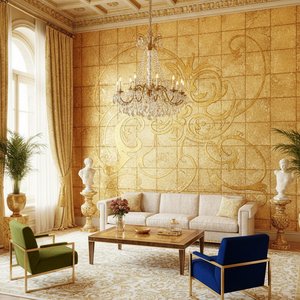
Gilded Splendor: Elevating Luxury Interiors with the Timeless Radiance of Gold Leaf Artistry
Transform your interiors with the timeless radiance of gold leaf art. Discover museum-quality, hand-painted oil reproductions and bespoke gilded commissions. From Byzantine splendor to Klimt’s brilliance, explore exquisite pieces curated for the most discerning luxury collectors.

Gilded Elegance: How Gold Background Artworks Transform Luxury Interiors with Timeless Radiance
Discover how gold background artworks infuse luxury interiors with timeless radiance. Explore the artistry of gold leaf, from Byzantine traditions to modern impasto textures, and learn to curate a sophisticated home with premium, hand-painted gilded masterpieces.

