
 Katso seinällä
 Lähetä
 Jaa
Jaa
 Tarkemmat tiedot
 Opas
Opas

 Lataa kuva
 Samanlaisia kohteita
 Röntgenkuvaus
 Diaesitys
 Tilastot
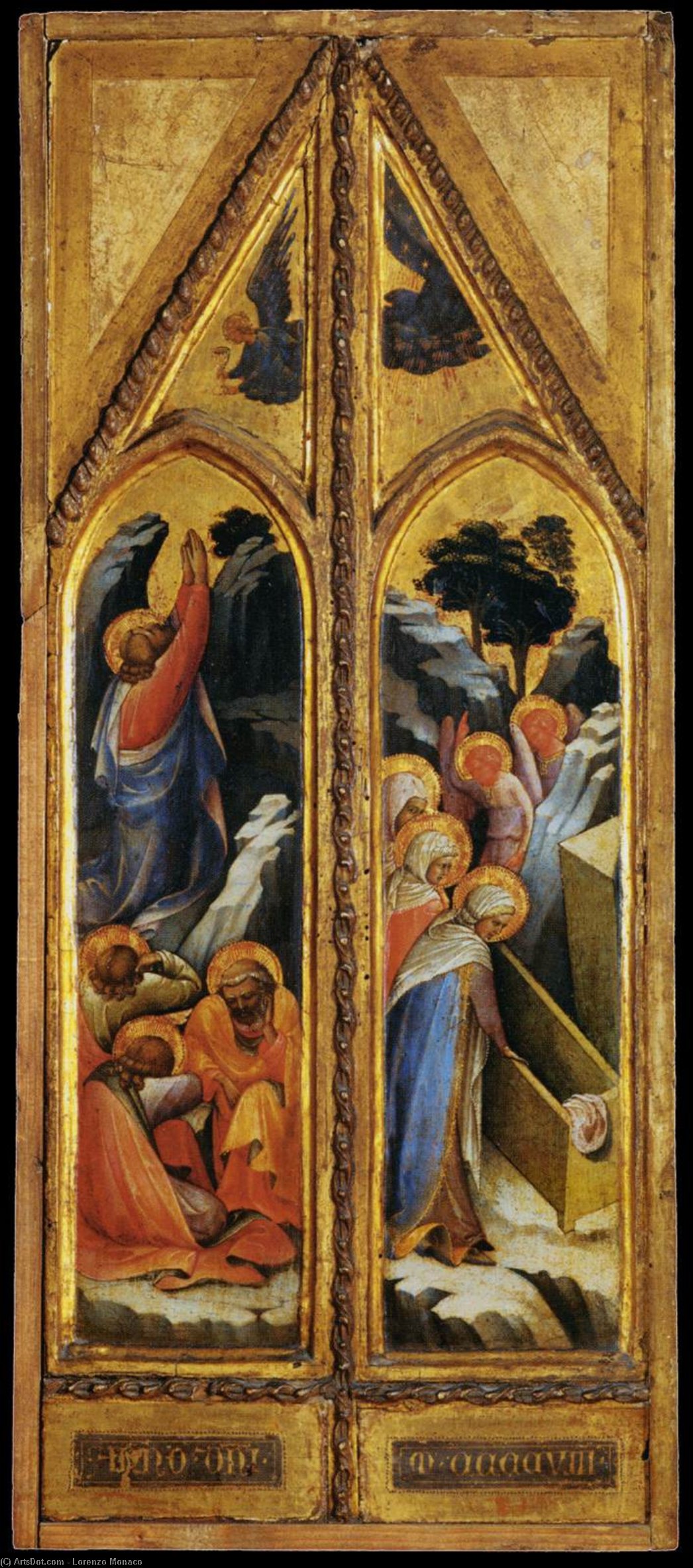
Altarpiece
 Acrylic
- WallArt
- Early Renaissance
 1408
1408 66.0 x 12.0 cm
 Louvren museo
 Lue lisää
Osta korkearesoluutioinen, parannettu digitaalikuva, joka on laadultaan huomattavasti parempi kuin verkkosivuston esikatselu.
Jokainen tiedosto valmistellaan huolellisesti omien asiantuntijoidemme toimesta käyttäen edistyneitä työkaluja ja ammattitaitoista manuaalista retusointia. Varmistamme, että jokaisessa kuvassa on poikkeuksellinen selkeys, tarkka värintoisto ja hienovaraiset yksityiskohdat.
Lopputiedosto toimitetaan sähköpostitse 72 tunnin kuluessa, ja se on optimoitu välittömään käyttöön ammattimaisissa, toimituksellisissa ja painoympäristöissä. Laatu on sama, johon huipputason suunnittelustudiot, kustantajat ja galleriat luottavat.
Digitaalinen kuva
Lataa korkearesoluutioinen tiedosto henkilökohtaiseen näyttelyyn, tulostamiseen ja luoviin projekteihin. ( Vaihda tulosteeseen Tilaa käsinmaalattu jäljennös)
Sisältyy jokaiseen digitaalisen kuvan tilaukseen
Asiantunteva digitaalinen toimitus, laatu taattu
Kun valitset OriginalUniqueArt.com-palvelun, et saa vain kuvaa – saat ammattimaisesti viimeistellyn digitaalisen taideteoksen, joka on luotu tarkkuudella ja jonka takaa tulee tyytyväisyystakuu. Tässä on kaikki, mitä tilauksesi sisältää, automaattisesti:

Nopea sähköpostitoimitus
Saat korkearesoluutioisen digitaalisen kuvatiedostosi sähköpostiisi 72 tunnin kuluessa tilauksesta – valmiina käytettäväksi välittömästi.

Tekoälyllä optimoitu digitaalinen tiedosto
Teoksesi on optimoitu ammattimaisesti edistyneiden tekoälytyökalujen ja manuaalisen jälkikäsittelyn avulla, mikä takaa maksimaalisen yksityiskohtaisuuden, selkeyden ja väritarkkuuden.

Ilmainen elinikäinen uudelleenlähetys
Oletko vahingossa poistanut tai kadottanut tiedostosi? Ei hätää – lähetämme sen sinulle uudelleen milloin tahansa täysin maksutta.

Ei tuontimaksuja – koskaan
Nauti taiteestasi välittömästi ilman tullimaksuja, veroja tai toimituskuluja – digitaaliset lataukset ovat aina verovapaita.

Värintoiston tarkkuustakuu
Varmistamme, että digitaalinen kuvasi vastaa alkuperäisiä värejä mahdollisimman tarkasti käyttämällä ammattilaistason työkaluja ja värinhallintaa.

100 päivän tyytyväisyystakuu
Jos et ole tyytyväinen digitaaliseen kuvaasi, muokkaamme sitä tai palautamme 100% hinnan 100 päivän kuluessa – kysymystä ei esitetä.

100% Rahat takaisin -takuu
Et ole tyytyväinen? Saat täyden hyvityksen 100 päivän kuluessa digitaalisen tiedostosi vastaanottamisesta – kysymystä ei esitetä.

Suurtilaaja-alennukset
Osta 3 kuvaa, säästä 10% - Osta 5, säästä 15% - Osta 10+, säästä 20%. Erinomainen valinta luoviin projekteihin, gallerioille ja toimistoille.
Composition and Style
The Altarpiece is divided into three sections, each depicting a distinct scene. The upper section features two angels or cherubs in a dynamic pose, set against a deep blue background with gold stars. The central panel shows a group of figures engaged in a religious ritual, while the lower section depicts another group of figures dressed in robes and headdresses. The overall color palette is dominated by earth tones and muted colors, with occasional use of gold leaf for decorative elements. Key features of the painting include its highly detailed and meticulous style, with an emphasis on symmetry and balance in the composition. The figures are depicted in a three-dimensional manner, with attention to their facial expressions, body language, and the folds and textures of their clothing. For more information on Lorenzo Monaco's works, visit Lorenzo Monaco: Altarpiece on OriginalUniqueArt.Artist and Historical Context
Lorenzo Monaco was an Italian artist active during the late 14th and early 15th centuries. His works are characterized by their Gothic style, which was influenced by the artistic traditions of his time. The Altarpiece is a testament to his skill and craftsmanship as an artist. To learn more about other artists from this period, visit Discover the Hidden Gems of Musée du Petit Palais on OriginalUniqueArt.- Other notable works by Lorenzo Monaco include The Temptation of Christ, which can be found on Lorenzo Monaco: The Temptation of Christ on OriginalUniqueArt.
- The Musée du Louvre houses an extensive collection of art and artifacts, including works by other notable artists such as Jacopo Bellini and Jean Poyer.
The Altarpiece by Lorenzo Monaco is a significant work of art that showcases the artist's skill and craftsmanship. Its intricate details and harmonious composition make it a masterpiece of Gothic style, and its historical context provides valuable insights into the artistic traditions of the early Renaissance period. For handmade oil painting reproductions of this and other famous works, visit OriginalUniqueArt.
Taiteilijan elämäkerta
Lorenzo Monaco (1370–1425), A Florentine Monk’s Vision
Lorenzo Monaco, born Piero di Giovanni around 1370 in Siena, occupies a fascinating and pivotal position in the transition from the Gothic grace of the Trecento to the burgeoning Renaissance ideals of the Quattrocento. Though biographical details remain scarce, his artistic journey reveals a compelling story of adaptation, innovation, and deeply felt spirituality. Apprenticed in Florence, he absorbed the lessons of masters like Giotto, Spinello Aretino, and Agnolo Gaddi – artists who established a foundation of narrative clarity and emotional resonance. However, it was his embrace of monastic life in 1390, joining the Camaldolese order at Santa Maria degli Angeli, that truly shaped both his artistic identity and earned him the name by which he is best known: Lorenzo Monaco, or “Lawrence the Monk.” This commitment to a contemplative existence profoundly influenced the character of his work, imbuing it with an introspective quality and a focus on devotional themes.Early Influences and Gothic Elegance
Lorenzo Monaco’s formative years were steeped in the artistic traditions of Siena and Florence during the Trecento period. He received his initial training under Giotto di Bondone, whose frescoes in Padua Cathedral instilled in him a profound understanding of narrative storytelling and emotional expression—principles that would permeate his entire oeuvre. Furthermore, he studied alongside Spinello Aretino and Agnolo Gaddi, masters who championed refined linearism and meticulous detail within the International Gothic style. This stylistic inheritance is evident throughout Monaco’s early paintings, characterized by their delicate ornamentation, luminous colors, and graceful drapery—elements that hark back to the opulent aesthetic of the preceding era. The influence of Lorenzo Ghiberti's bronze doors for Florence Cathedral is palpable in Monaco’s meticulous attention to sculptural form and surface texture, demonstrating a shared appreciation for craftsmanship and artistic virtuosity.The Camaldolese Order and Artistic Transformation
Joining the Camaldolese order at Santa Maria degli Angeli in 1390 marked a decisive turning point in Monaco’s life and artistic development. This monastic vocation instilled within him a deep reverence for faith and contemplation, shaping his worldview and informing his creative endeavors. The contemplative atmosphere of the monastery fostered an inner dialogue that translated into subtle nuances of emotion and psychological depth within his paintings—a departure from the more overtly dramatic conventions of Gothic art. Monaco’s artistic style gradually evolved away from the stylized elegance of the Trecento, embracing elements foreshadowing the Renaissance aesthetic. He experimented with elongated figures draped in flowing garments, favoring sharp edges and brilliant colors – particularly the luxurious hues of gold and lapis lazuli – reflecting a burgeoning interest in classical ideals of beauty and proportion.Major Achievements: Pietà, Coronation of the Virgin, Polyptych of Monteoliveto
Lorenzo Monaco achieved considerable renown during his lifetime as a painter and illuminator, producing works that stand as masterpieces of both Gothic and Early Renaissance art. His Pietà (circa 1405), housed in Florence’s Galleria dell'Accademia, exemplifies his mastery of sculptural form and emotional expression—a testament to his ability to convey profound spiritual pathos with understated grace. The monumental Coronation of the Virgin (circa 1420), now gracing the Uffizi Gallery, showcases Monaco’s innovative use of color and drapery, demonstrating a sophisticated understanding of artistic technique. His contribution to the Polyptych of Monteoliveto—a collaborative project undertaken with Andrea Mantegna—represents one of his few surviving mural works, offering invaluable insight into his skill as a large-scale decorator and reflecting the stylistic influences of Mantegna’s humanist vision. The Adoration of the Magi (1420–1422), commissioned for the Cappella Maggiore in Monte Oliveto Nuovo, stands as a landmark achievement—a complex composition imbued with symbolic resonance and demonstrating Monaco's pioneering exploration of spatial perspective.Legacy and Enduring Influence
Despite his untimely death from an unidentified infection around 1425, Lorenzo Monaco left an indelible mark on Florentine art history. He was not a revolutionary in the same vein as Masaccio or Filippo Brunelleschi—artists who fundamentally reshaped artistic conventions—but he nonetheless served as the last significant exponent of Giotto’s style, preserving its legacy while simultaneously incorporating elements that foreshadowed the stylistic transformations to come. Giorgio Vasari recognized Monaco's talent and acknowledged his contribution to the artistic heritage of Florence. His emphasis on spirituality, stylized forms, and refined elegance represents a distinctive aesthetic within Florentine painting—a testament to his enduring influence on subsequent generations of artists who appreciated his masterful technique and profound devotion. He remains an artist whose work continues to inspire admiration for its beauty and contemplation.
Lorenzo Monaco
1370 - 1425 , Italia
Pähkinänkuoressa
- Artistic Movement Or Style: Late Gothic / Early Renaissance
- Artists Or Movements Influenced By This Artist: ['Fra Angelico']
- Artists Who Influenced This Artist:
- Giotto
- Spinello Aretino
- Agnolo Gaddi
- Date Of Birth: c. 1370
- Date Of Death: c. 1425
- Full Name: Lorenzo Monaco
- Nationality: Italian
- Notable Artworks:
- Madonna and Child
- Praying Prophet
- Christ Giving the Keys to Saint Peter
- Place Of Birth: Siena, Italia