
 Esikatselu
 Jaa
Jaa Jaa
Jaa
 Tarkemmat tiedot

 Lataa
Lataa
 Samanlaisia
 Röntgenkuva
 Diaesitys
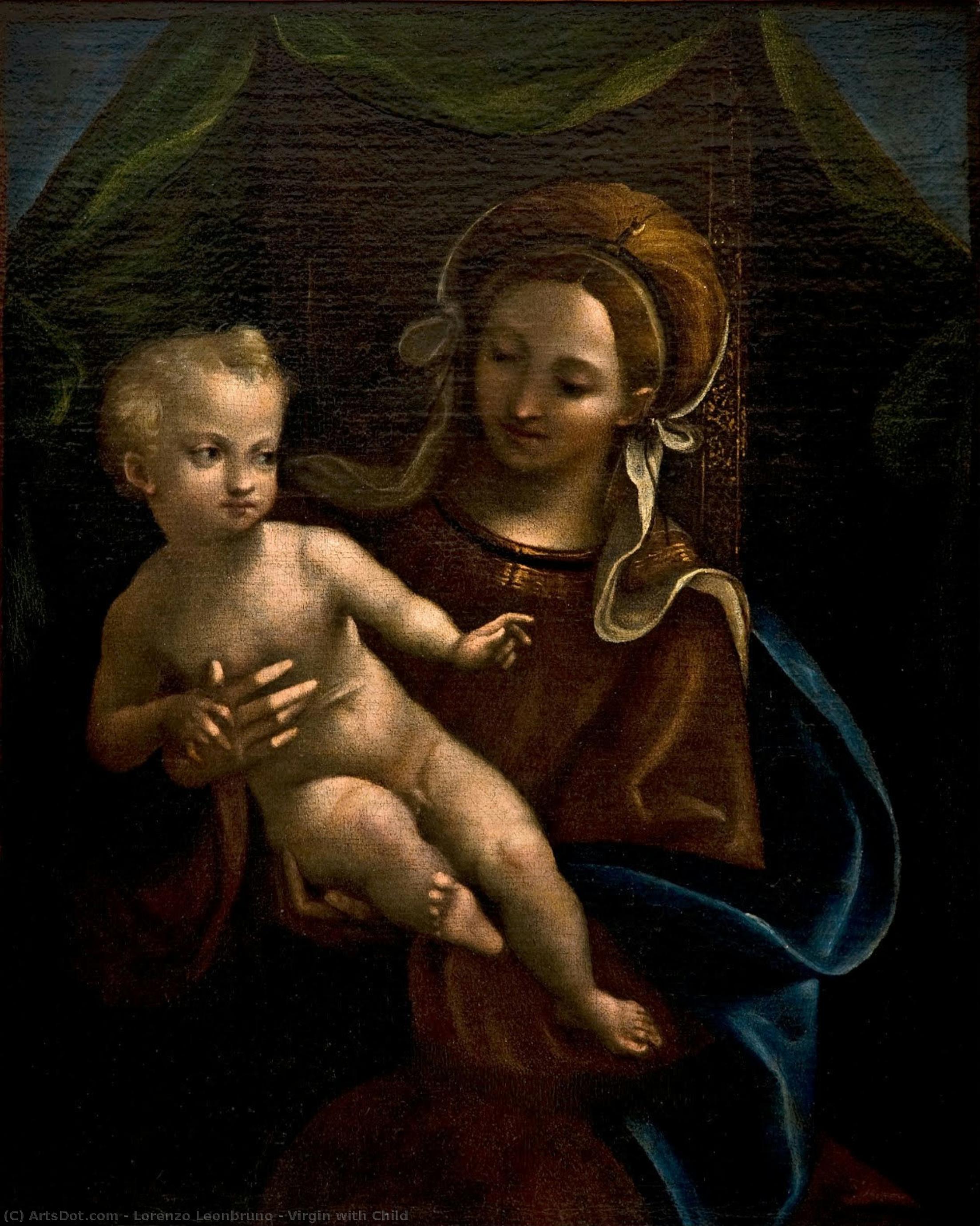
Virgin with Child


 Näytä lisää
Osta korkearesoluutioinen, parannettu digitaalikuva, joka on laadultaan huomattavasti parempi kuin verkkosivuston esikatselu.
Jokainen tiedosto valmistellaan huolellisesti omien asiantuntijoidemme toimesta käyttäen edistyneitä työkaluja ja ammattitaitoista manuaalista retusointia. Varmistamme, että jokaisessa kuvassa on poikkeuksellinen selkeys, tarkka värintoisto ja hienovaraiset yksityiskohdat.
Lopputiedosto toimitetaan sähköpostitse 72 tunnin kuluessa, ja se on optimoitu välittömään käyttöön ammattimaisissa, toimituksellisissa ja painoympäristöissä. Laatu on sama, johon huipputason suunnittelustudiot, kustantajat ja galleriat luottavat.
Digitaalinen kuva
Lataa korkearesoluutioinen tiedosto henkilökohtaiseen näyttelyyn, tulostamiseen ja luoviin projekteihin. ( Siirry tulosteeseen Vaihda käsinmaalattuun versioon)
Sisältyy jokaiseen digitaalisen kuvan tilaukseen
Asiantunteva digitaalinen toimitus, taattuun laatuun
Kun valitset OriginalUniqueArt.com-palvelun, et saa vain kuvaa – saat ammattimaisesti parannetun digitaalisen taideteoksen, joka on luotu tarkkuudella ja jonka takaa tulee tyytyväisyystakuu. Tässä on kaikki, mitä tilauksesi sisältää, automaattisesti:

Nopea digitaalinen toimitus
Korkearesoluutioinen digitaalinen kuvatiedostosi lähetetään sähköpostiisi 72 tunnin kuluessa tilauksesta – valmiina käytettäväksi välittömästi.

Tekoälyllä parannettu digitaalinen tiedosto
Taiteilijasi teos on optimoitu ammattimaisesti edistyneiden tekoälytyökalujen ja manuaalisen muokkauksen avulla, mikä takaa maksimaalisen yksityiskohtaisuuden, selkeyden ja väritarkkuuden.

Ilmainen elinikäinen uudelleenlähetyspalvelu
Oletko vahingossa poistanut tai kadottanut tiedostosi? Ei hätää – lähetämme sen sinulle uudelleen milloin tahansa täysin maksutta.

Ei tuontimaksuja – koskaan
Nauti taiteestasi välittömästi ilman tulleja, veroja tai toimitusmaksuja – digitaaliset lataukset ovat aina verovapaita.

Värintoiston tarkkuustakuu
Varmistamme, että digitaalinen kuvasi vastaa alkuperäisiä värejä mahdollisimman tarkasti käyttämällä ammattilaistason työkaluja ja värinhallintaa.

60 päivän tyytyväisyystakuu
Jos et ole tyytyväinen digitaaliseen kuvaasi, muokkaamme sitä tai palautamme 100% takaisin 60 päivän kuluessa – ilman kysymyksiä.

100% Rahat takaisin -takuu
Etkö ole tyytyväinen? Saat täyden hyvityksen 60 päivän kuluessa digitaalisen tiedostosi vastaanottamisesta – ilman kyselyitä.

Suurtilaaja-alennukset
Osta 3 kuvaa, säästä 10% - Osta 5, säästä 15% - Osta 10+, säästä 20%. Erinomainen valinta luoviin projekteihin, gallerioille ja toimistoille.
Taiteilijan elämäkerta
Lorenzo Leonbruno: The Gonzaga Court’s Master of Myth and Grace
Lorenzo Leonbruno (March 10, 1489 – circa 1537), also known as Lorenzo de Leombeni, stands as a pivotal figure in the early Renaissance of Northern Italy. Born in Mantua, a vibrant commune within Lombardy, his life was inextricably linked to the powerful Gonzaga family and their magnificent court. Leonbruno’s artistic journey wasn't one of solitary brilliance; rather, it unfolded through a rich tapestry of mentorship, apprenticeship, and ultimately, establishing himself as the favored painter for three generations of marquises. His legacy rests not just on individual masterpieces but on his profound influence, absorbing and transforming the styles of Mantegna, Perugino, and Costa into a uniquely expressive voice that defined the Gonzaga court’s visual identity.Early Training and the Shadow of Mantegna
Leonbruno's early life remains somewhat shrouded in mystery, lacking extensive documentation. However, his artistic development is inextricably tied to the legacy of Andrea Mantegna, a titan of Renaissance art who had served as court painter for Lodovico Gonzaga, the founder of the dynasty that would later commission Leonbruno. Mantegna’s frescoes within the Palazzo Ducale at Mantua – depicting scenes from classical mythology and biblical narratives – profoundly shaped Leonbruno's artistic sensibilities. It is believed that Leonbruno was adopted into Mantegna’s workshop, receiving a rigorous training in fresco technique, composition, and the meticulous rendering of detail characteristic of the master. This formative period instilled within him an appreciation for classical motifs, dramatic perspective, and a deep understanding of how to imbue narrative with emotional resonance. The sudden death of Mantegna in 1506 marked a significant turning point, prompting the Gonzaga family to seek replacements for their beloved court painter.Service to the Gonzaga Court: A Patron’s Vision
Leonbruno's career truly blossomed under the patronage of Francesco I Gonzaga and his wife Isabella d'Este. He quickly ascended to become the primary artist responsible for decorating the Gonzaga palace in Mantua, a role he held with unwavering dedication for nearly two decades. This period witnessed an extraordinary outpouring of artistic activity, transforming the palace into a visual testament to the family’s power, wealth, and refined taste. Leonbruno's commissions were vast and varied, encompassing elaborate frescoes, decorative panels, and intricate mythological scenes – all designed to adorn the palatial interiors and reflect the grandeur of the Gonzaga court. Isabella d'Este, in particular, became a significant patron, recognizing Leonbruno’s talent and commissioning works that celebrated her own status and refined aesthetic sensibilities. The Camera Grande, a lavish chamber within the palace, stands as his most enduring achievement, a breathtaking fresco cycle depicting mythological subjects rendered with remarkable grace and dynamism.Influences and Artistic Style
Leonbruno’s artistic style is a fascinating synthesis of influences. While deeply indebted to Mantegna – evident in his use of perspective, dramatic lighting, and classical subject matter – he also absorbed elements from Perugino's refined elegance and Costa’s more dynamic approach. His works are characterized by a meticulous attention to detail, particularly in the rendering of drapery and facial features. Leonbruno skillfully blended these influences into a distinctive style that is both elegant and emotionally charged. His mythological scenes often feature a heightened sense of drama and narrative intensity, while his religious paintings exude a serene beauty and spiritual depth. The incorporation of hunting motifs – a popular theme within the Gonzaga court – adds a layer of aristocratic sensibility to his work.Legacy and Notable Works
Despite the scale of his output during his time at Mantua, Leonbruno’s surviving oeuvre remains relatively small. However, each piece offers a valuable glimpse into his artistic development and technical mastery. The *Adoration of the Shepherds* (Worcester Art Museum) is considered one of his finest works, showcasing his ability to create a dynamic composition filled with vibrant color and expressive figures. His *Virgin with Child*, also housed in Worcester, exemplifies his skill in portraying human emotion and creating a sense of intimacy. The *Dormition of the Virgin* (a work often attributed to Arcimboldo but now recognized as Leonbruno’s) demonstrates his ability to integrate complex symbolism into a visually compelling narrative. Beyond these key works, Leonbruno's contributions to the decoration of the Palazzo Ducale and other Gonzaga residences remain significant, shaping the visual landscape of Mantua for generations to come. Lorenzo Leonbruno’s legacy endures as a testament to the power of patronage, artistic apprenticeship, and the enduring beauty of Renaissance art.
Lorenzo Leonbruno
1480 - 1537 , Italy
Lyhyesti esiteltynä
- Artistic Movement Or Style: Early Renaissance
- Artists Or Movements Influenced By This Artist: ['Mantua School']
- Artists Who Influenced This Artist:
- Andrea Mantegna
- Pietro Perugino
- Date Of Birth: March 10, 1489
- Date Of Death: 1537
- Full Name: Lorenzo Leonbruno
- Nationality: Italian
- Notable Artworks:
- Adoration of Shepherds
- Dormition of the Virgin
- Virgin with Child
- Place Of Birth: Mantua, Italy

