
 Esikatselu
 Jaa teos
 Jaa
Jaa
 Tiedot
 Opas
Opas

 Lataa kuva
 Samanlaisia kohteita
 Röntgenkuvaus
 Diaesitys
 Kysymykset ja vastaukset
 Tilastot
The Annunciation

- 52.0 x 45.0 cm


 Lue lisää
Saat tulostusvalmiin tiedoston, jonka laatu ylittää verkkonäkymän huomattavasti. Jokainen myymämme digitaalinen kuva on peräisin arkistomme korkearesoluutioisesta mestariteoksesta — yleensä 5 000–15 000 pikselin levyisenä — joten voit tulostaa suuria kokoja, rajata tiukasti tai toistaa hienovaraiset yksityiskohdat luottavaisin mielin.
Mikään tiedosto ei lähde studiostamme muuttamatta. Digitaalinen asiantuntija vertaa värejä alkuperäiseen maalaukseen ja korjaa niitä tarvittaessa, minkä jälkeen hän parantaa kuvan selkeyttä ja yksityiskohtia ammattimaisilla retusointityökaluilla — säilyttäen aina uskollisena taiteilijan siveltimenjäljen ja tyylin. Lopputuloksena on kuva, joka näyttää maalaukselta, eikä suodatetulta skannaukselta.
Hyväksyt työn ennen valmistumistaan: asiantuntijamme lähettää kuvan tarkistettavaksi sähköpostitse 72 tunnin kuluessa. Etkö ole tyytyväinen? Pyydä parannuksia tai korjauksia, tai pyydä hyvitystä, mikäli laatu ei vastaa odotuksia.
Tämä on laatua, johon kustantamot, design-studiot, galleriat ja painotalot luottavat.
Digitaalinen kuva
Lataa korkearesoluutioinen tiedosto henkilökohtaiseen näyttelyyn, tulostamiseen ja luoviin projekteihin. ( Vaihda tulosteeseen Osta käsinmaalattu taideteos)
Sisältyy jokaiseen digitaalisen kuvan tilaukseen
Asiantunteva digitaalinen toimitus, laatu taattu
Kun valitset OriginalUniqueArt.com-palvelun, et saa vain kuvaa – saat ammattimaisesti viimeistellyn digitaalisen taideteoksen, joka on luotu tarkkuudella ja jonka takaa tulee tyytyväisyystakuu. Tässä on kaikki, mitä tilauksesi sisältää, automaattisesti:

Nopea sähköpostitoimitus
Saat korkearesoluutioisen digitaalisen kuvatiedostosi sähköpostiisi 72 tunnin kuluessa tilauksesta – valmiina käytettäväksi välittömästi.

Tekoälyllä parannettu digitaalinen tiedosto
Teoksesi on optimoitu ammattimaisesti edistyneiden tekoälytyökalujen ja manuaalisen jälkikäsittelyn avulla, mikä takaa maksimaalisen yksityiskohtaisuuden, selkeyden ja väritarkkuuden.

Ilmainen uudelleenlähetys elinikäisesti
Oletko vahingossa poistanut tai kadottanut tiedostosi? Ei hätää – lähetämme sen sinulle uudelleen milloin tahansa täysin maksutta.

Ei tuontimaksuja – koskaan
Nauti taiteestasi välittömästi ilman tullimaksuja, veroja tai toimituskuluja – digitaaliset lataukset ovat aina verovapaita.

Värintoiston tarkkuustakuu
Varmistamme, että digitaalinen kuvasi vastaa alkuperäisiä värejä mahdollisimman tarkasti käyttämällä ammattilaistason työkaluja ja värinhallintaa.

100 päivän tyytyväisyystakuu
Jos et ole tyytyväinen digitaaliseen kuvaasi, muokkaamme sitä tai palautamme 100% hinnan 100 päivän kuluessa – kysymystä ei esitetä.

100% Rahat takaisin -takuu
Et ole tyytyväinen? Saat täyden hyvityksen 100 päivän kuluessa digitaalisen tiedostosi vastaanottamisesta – kysymystä ei esitetä.

Määräalennukset
Osta 3 kuvaa, säästä 10% - Osta 5, säästä 15% - Osta 10+, säästä 20%. Erinomainen valinta luoviin projekteihin, gallerioille ja toimistoille.
Lorenzo Ghiberti’s Divine Revelation
Lorenzo di Bartolo Ghirlandaio, better known as Lorenzo Ghiberti, stands as a monumental figure in the history of Florentine sculpture. Born in Florence around 1378 and passing away in 1455, his life was inextricably linked to the artistic flourishing of the Early Renaissance. Ghiberti’s genius wasn't confined to a single style; instead, he masterfully blended Gothic influences with emerging humanist ideals, creating works that resonate with both spiritual depth and technical brilliance. His early training in goldsmithing instilled an unparalleled understanding of metalworking – a skill he would later translate into the breathtaking detail and luminosity of his bronze sculptures. However, it was his appointment to work on the Baptistery doors in Florence that cemented his legacy, culminating in the iconic “Gates of Paradise,” which redefined the possibilities of relief sculpture.

(Image of The Annunciation, first panel of the North Doors of the Baptistery in Florence)
A Moment of Grace: Depicting the Annunciation
The subject matter – the Annunciation – itself is rich with theological significance. This pivotal scene from Luke’s Gospel recounts the moment when the Archangel Gabriel appears to Mary, informing her that she will conceive and bear a son, Jesus Christ. Ghiberti's interpretation captures this profound revelation with exquisite sensitivity. The composition immediately draws the eye to Mary, depicted in a pose of gentle surprise and contemplative grace. Her hands are raised modestly, reflecting humility before the divine messenger. The angel, rendered with an almost ethereal quality, extends his hand towards her, presenting the news of salvation. The architectural setting – a simple doorway framed by a receding perspective – serves not as mere backdrop but as a symbolic representation of Mary’s entrance into God's plan.
Notice the meticulous detail in Ghiberti’s rendering: the folds of Mary’s robe, the delicate features of the angel, and the subtle play of light on the bronze surface. The use of *chiaroscuro* – the contrast between light and shadow – adds depth and volume to the figures, bringing them to life with remarkable realism. The overall effect is one of serene beauty and spiritual intensity.
Renaissance Symbolism and Technique
Ghiberti’s mastery extends beyond mere representation; he was deeply attuned to the symbolic language of his time. The dove descending from heaven, a traditional symbol of the Holy Spirit, hovers above the scene, signifying God's presence and divine intervention. The lilies adorning Mary’s robes represent purity and virginity – virtues essential to her role as the Mother of God. Furthermore, Ghiberti employed innovative techniques for his era, particularly in his use of *bassorilievo*—low-relief sculpture—which allowed him to create incredibly detailed figures within a limited space. The polished bronze surface reflects light beautifully, enhancing the luminosity and vibrancy of the artwork.
The North Doors of the Baptistery, where this panel resides, were commissioned as part of a larger project intended to adorn the exterior of Florence’s iconic Baptistery. Ghiberti's work here represents a pivotal moment in Renaissance art, showcasing the burgeoning interest in classical forms and humanist ideals while retaining a deep sense of religious devotion.
A Timeless Testament to Faith
“The Annunciation” by Lorenzo Ghiberti is more than just a beautiful sculpture; it’s a profound meditation on faith, grace, and the mystery of divine revelation. Its enduring appeal lies in its ability to evoke a sense of wonder and spiritual contemplation. Reproductions of this masterpiece offer an opportunity to bring this iconic image into any setting, serving as a constant reminder of humanity's connection to something greater than itself. Consider commissioning a hand-painted reproduction from OriginalUniqueArt.com – a faithful recreation that captures the essence of Ghiberti’s genius and allows you to experience this timeless testament to faith in your own home.
Kysymykset ja vastaukset
Mihin taidesuuntaukseen Lorenzo Ghiberti:n "The Annunciation" kuuluu?
Lorenzo Ghiberti:n "The Annunciation" kuuluu Renaissance-suuntaukseen. Tämä tyylisuunta antaa teokselle sen tyylillisen kontekstin.
Milloin "The Annunciation" on luotu ja mihin taidesuuntaukseen se kuuluu?
"The Annunciation" on luotu vuonna 1403 Renaissance-suuntauksen teoksena. Teoksen valmistumisvuosi ja tyylisuunta ankkuroivat sen taidehistoriaan.
Minkä tyyppinen teos Lorenzo Ghiberti:n "The Annunciation" on?
Lorenzo Ghiberti:n "The Annunciation" on luokiteltu tyypiksi WallArt. Luokitus kertoo, minkä tyyppinen alkuperäisteos on kyseessä.
Taiteilijan esittely
A Florentine Renaissance Forged in Bronze: The Life and Legacy of Lorenzo Ghiberti
Lorenzo di Bartolo – a name that would become inextricably linked to artistic innovation as Lorenzo Ghiberti – was born near Florence in 1378, into a world poised on the cusp of a transformative era. His early life, steeped in the practical artistry of goldsmithing under his stepfather, Bartolo di Michele, laid the foundation for a career that would redefine the possibilities of sculpture and forever alter the course of Renaissance art. This foundational training instilled within him an unparalleled mastery of metalwork, a skill he would later elevate to breathtaking heights, shaping not just bronze but also the very spirit of Florentine artistic expression. Yet, Ghiberti’s ambitions extended far beyond the confines of the workshop; formal painting lessons from Gherardo Starnina broadened his horizons, introducing him to diverse artistic currents and fueling a desire to push the boundaries of his craft. A brief sojourn in Rimini, assisting Carlo I Malatesta with frescoes during the devastating plague of 1400, further honed his sensibilities, exposing him to the complexities of patronage and the urgency of artistic creation amidst hardship. Little did he realize that these formative experiences were meticulously preparing him for a competition – a contest that would catapult him into immortality as the creator of the “Gates of Paradise.”The Baptistery Doors: A Triumph of Skill and Vision
In 1401, Florence held a momentous competition to select an artist to design new bronze doors for the city’s magnificent Baptistery – a commission considered the most prestigious in the entire region. The challenge was immense: to depict the *Sacrifice of Isaac* in relief, a biblical narrative brimming with symbolism and theological significance. Ghiberti, driven by his innate talent and unwavering ambition, entered this arena alongside some of the era’s brightest minds, including the formidable Filippo Brunelleschi, a rival whose architectural genius would soon challenge Ghiberti's own artistic dominance. The task was not merely to create beautiful doors; it was to craft an enduring testament to Florentine civic pride and religious devotion. Ghiberti’s panel wasn’t simply a demonstration of technical skill; it was a revelation – a bold departure from the established conventions of relief sculpture. His innovative approach, characterized by graceful figures imbued with a profound sense of movement and a sophisticated understanding of perspective, secured his victory against all odds. This triumph wasn't merely about winning a commission; it was a declaration of a new artistic sensibility, a testament to Ghiberti’s unique vision and unparalleled mastery. He began work on the North Doors immediately, embarking on a project that would consume over two decades and transform the Baptistery into a veritable showcase of Renaissance artistry.The “Gates of Paradise”: A Masterpiece Unveiled
Following the resounding success of the North Doors, Ghiberti was entrusted with an even more ambitious undertaking: the creation of a second set of doors for the Baptistery’s east entrance – doors that would ultimately earn him the legendary moniker "the Gates of Paradise." Completed in 1452, these magnificent panels represent the pinnacle of Ghiberti's artistic achievement. Each panel depicts scenes from the Old Testament with an unprecedented level of realism, detail, and emotional depth. Ghiberti’s mastery of bronze casting and relief sculpture reached its zenith in these works; he didn’t merely replicate biblical stories; he brought them to life through meticulous attention to anatomy, drapery, and spatial relationships. He pioneered the use of perspective – a revolutionary technique at the time – to create a sense of depth and realism that was utterly captivating. The panels aren't simply representations of biblical events; they are immersive narratives, inviting viewers into a world of divine grace and human drama. The nickname “Gates of Paradise” was bestowed upon these doors by none other than Michelangelo, who famously declared them "worthy of the paradise they guard."Style, Influences, and Lasting Impact
Ghiberti’s artistic style represents a beautiful synthesis of Gothic elegance and the burgeoning principles of Renaissance humanism. While rooted in the traditions of medieval craftsmanship – his early training instilled within him a deep respect for established techniques – he embraced classical antiquity, incorporating elements of Roman art and sculpture into his work. This fusion created a unique aesthetic that was both refined and emotionally resonant. He wasn’t simply imitating the past; he was reinterpreting it through a distinctly Renaissance lens, imbuing ancient forms with new life and meaning. Beyond his technical brilliance, Ghiberti possessed an extraordinary understanding of human psychology and emotion, which he skillfully translated into his sculptures. His work reflects a profound appreciation for beauty, harmony, and the inherent dignity of humanity. He wasn’t simply creating beautiful objects; he was crafting experiences – transporting viewers to another realm through the power of art.A Legacy Cast in Bronze
The historical significance of Lorenzo Ghiberti extends far beyond his technical brilliance and artistic achievements. He embodied the spirit of the Early Renaissance – a period marked by intellectual curiosity, artistic innovation, and a renewed appreciation for classical learning. His work not only transformed the aesthetic landscape of Florence but also helped to define the humanist ideals that would shape Western culture for centuries to come. Ghiberti’s innovations paved the way for masters like Leonardo da Vinci and Michelangelo, solidifying his place as a pivotal figure in Western art history. The “Gates of Paradise” remain an enduring symbol of Florentine civic pride and artistic achievement – a testament to the power of human creativity and the timeless beauty of Renaissance artistry. Ghiberti’s meticulous attention to detail, his mastery of perspective, and his ability to imbue his sculptures with emotional depth set a new standard for artistic excellence. *His legacy continues to inspire artists and art lovers alike,* reminding us of the profound impact that one individual can have on the course of human history.- Major Works: North Doors & East Doors (Gates of Paradise) – Florence Baptistery, Bronze Statues for Orsanmichele.
- Key Influences: Gothic Art, Classical Antiquity, Renaissance Humanism.
- Artistic Style: Blending Gothic elegance with emerging Renaissance principles; naturalistic depictions, innovative use of perspective.
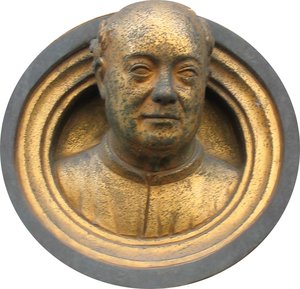
Lorenzo Ghiberti
1378 - 1455 , Italia
Pähkinänkuoressa
- Artistic Movement Or Style: Reinoitunut renessanssi
- Artists Or Movements Influenced By This Artist:
- Donatello
- Masolino
- Artists Who Influenced This Artist:
- Gherardo Starnina
- Bartolo di Michele
- Date Of Birth: 1378
- Date Of Death: 1455
- Full Name: Lorenzo Ghiberti
- Nationality: Italian
- Notable Artworks:
- Paratiisin ovet
- Iisakin uhraus
- Kultakuoppa löytyminen
- Place Of Birth: Firenze, Italia