
 Esikatselu
 Jaa teos
 Jaa
Jaa
 Tiedot
 Opas
Opas

 Lataa kuva
 Samanlaisia kohteita
 Röntgenkuvaus
 Diaesitys
 Kysymykset ja vastaukset
 Tilastot
St Sebastian

- 55.0 x 49.0 cm


 Lue lisää
Giclée- ja taideprintit
Museolaatuisia giclée- tai kankaitaulun tulosteita nopealla tuotannolla ja joustavilla viimeistelyvaihtoehdoilla. ( Osta käsinmaalattu taideteos Siirry digitaaliseen kuvaan)




P118B €10

P118H €10

P118W €10

P438Z €10

P508JH €12

P508YH €12

P805H €10

P805Z €10

P919BZ €10

P919G €10

P919XJ €10

P959ZH €10

P968JZ €12

W106C €8

W218G €10

W218JH €8

W218Y €10

W307PJ €10

W316G €10

W316PJ €8

W316Y €10

W398PJ €8

W4111J €10

W500HY €15

W500JH €15

W692G €12

W849H €8

W940BG €15

W953PJ €8




Valitse valmiista mitoistamme sellaiset, jotka vastaavat teoksen alkuperäisiä mittasuhteita.

Syötä tarvitsemasi leveys ja korkeus, jotta tuloste sopii kehyksiisi tai seinällesi. Tulostetta voidaan vain leikata, sitä ei voida koskaan suurentaa alkuperäistä kuvaa suuremmaksi, joten eri muotoinen koko aiheuttaa osan kuvasta katoamisen. Lähetämme sinulle digitaalisen mallikuvan hyväksyttäväksi ennen kuin aloitamme tulostuksen. Tällä sivulla näkyvä kuva ei näytä lopullista rajausta — vain mallikuva näyttää sen.
Maailmanlaajuinen toimitus () 2 viikossa tavallisen 4–5 viikon sijaan. (4 marraskuu)

Ilmainen pikatoimitus ympäri maailman

Korkealaatuinen pellavakangas

Kattava kuljetusvakuutus

Tulliveron palautustakuu

Takuu täydellisestä värien vastaavuudesta

100 päivän palautusoikeus (vain valmistusvirheet)

100% rahat takaisin -takuu

Määräalennus tarjolla
 Lasivaihtoehto on saatavilla vain alle 110 cm kokoisille teoksille

St Sebastian
Giclée- ja taideprintit
Replikaatin koko
-


Kokonaishinta
€ 72
A Study in Suffering and Serenity: Lorenzo Costa’s St. Sebastian
Lorenzo Costa (the Elder)’s 1490 depiction of Saint Sebastian is not merely a religious painting; it's a profound meditation on martyrdom, endurance, and the quiet strength found within suffering. Housed within the hallowed halls of the Galleria degli Uffizi in Florence, this tempera-on-panel masterpiece transcends its historical context to resonate with viewers centuries later, offering a glimpse into the artistic sensibilities and spiritual concerns of the Northern Renaissance.
The painting immediately draws the eye to the central figure – Sebastian himself. He’s rendered not as a screaming victim, but with an almost serene acceptance of his fate. The arrows piercing his torso are not depicted in a violent or dramatic manner; instead, they are subtly integrated into his form, suggesting a slow, inevitable surrender rather than a sudden attack. This deliberate restraint is key to the painting's power – it transforms a scene of brutal death into one of dignified endurance. Notice the pale skin tone, meticulously rendered with layers of tempera, and the carefully observed bruises and marks; these aren’t signs of immediate agony but rather the lingering echoes of pain, testament to Costa’s commitment to realism.
The Northern Renaissance Aesthetic
Costa's style firmly places this work within the burgeoning Northern Renaissance tradition. Unlike the more flamboyant and idealized figures often found in Italian art of the period, Costa favors a grounded approach, prioritizing anatomical accuracy and naturalistic detail. The use of light and shadow is masterful – a chiaroscuro technique that creates a palpable sense of depth and volume, pulling the viewer into the scene. The dark background serves to isolate Sebastian, emphasizing his vulnerability yet simultaneously highlighting his inner fortitude. The minimalist clothing—a suggestion of draped fabric at the bottom—further directs attention to the figure’s physical state and emotional bearing.
Symbolism and Spiritual Resonance
Saint Sebastian's story is deeply rooted in Christian lore, a tale of youthful beauty, divine intervention, and ultimately, martyrdom. Originally a Roman soldier, he was commissioned by Diocletian to hunt down Christians but himself converted to the faith. He was then subjected to torture and ultimately shot with arrows before miraculously recovering from his wounds. The painting’s symbolism is layered: Sebastian represents Christ's suffering and sacrifice, offering a potent visual reminder of Christian ideals. The arrows themselves can be interpreted as symbols of temptation and persecution, while Sebastian’s acceptance embodies the triumph of faith over adversity.
A Legacy in Florence
Beyond its immediate aesthetic qualities, Costa’s St. Sebastian stands as a significant contribution to the artistic landscape of 15th-century Florence. It shares stylistic affinities with other prominent artists of the era, including Hans Memling and Benozzo Gozzoli, both masters of depicting religious subjects with remarkable realism and emotional depth. The painting's presence within the Uffizi Gallery underscores its enduring importance—a testament to Costa’s skill as a painter and his profound understanding of human experience. Further enriching our appreciation is the connection to other notable works from the same period, such as Giotto Di Bondone’s frescoes in the Collegiate Church of San Gimignano, offering a broader context for appreciating the artistic currents of the time.
Kysymykset ja vastaukset
Kuka on teoksen "St Sebastian" taiteilija?
"St Sebastian" on Lorenzo Costa (Vanhempi):n luoma teos. Tällä sivulla olevat tiedot kuvaavat Lorenzo Costa (Vanhempi):n alkuperäistä työtä.
Miten voin löytää teoksia, jotka muistuttavat teosta Lorenzo Costa (Vanhempi):n "St Sebastian"?
Teokset, jotka muistuttavat teosta "St Sebastian", löytyvät sen Samankaltaisia teoksia -sivulta.
Mistä voin hankkia painoksen teoksesta Lorenzo Costa (Vanhempi):n "St Sebastian"?
Voit tilata teoksen Lorenzo Costa (Vanhempi):n "St Sebastian" painoksena suoraan sen Taidevedos -sivulta: taideteosvedos puuvillakangas- tai arkistoluokan kankaalle painettuna.
Taiteilijan elämäkerta
Mytin ja uskon maalaaja: Lorenzo Costan elämä
Lorenzo Costa (1460–1535) seisoo kulmakivenä italialaisen renessanssin kukoistavassa taidemaisemassa, ilmentäen Ferrara- ja Bologna-koulukuntien älyllistä dynamiikkaa. Costa syntyi eläväisessä Ferrarassa aikana, jolloin hengellisen omistautumisen ja humanistisen tutkimuksen rajat hämärtyivät kauniilla tavalla. Hänen tuotantoaan leimaa tyylillisen eleganssin ja syvän pohdiskelun ainutlaatuinen liitto – laatu, joka antoi hänelle mahdollisuuden vastata sekä uskonnollisten instituutioiden että aikansa hienostuneimpien maallisten hovien monimutkaisiin vaatimuksiin. Hänen siveltimensä kautta jumalallinen eteerinen valo kohtasi klassisen mytologian rakenteellisen sulavuuden, luoden visuaalisen kielen, joka resonoi syvästi renessanssin hengen kanssa.Muovaavat vuodet ja valon mestaruus
Vaikka arkistotiedot Costan varhaisvuosista ovat osittain arvoituksellisia, hänen taiteellinen DNA:nsa muovautui selvästi Pohjois-Italian työpajoissa. On laajasti tunnustettu, että hän suoritti tiukan koulutuksen mestari Francesco Francian alaisuudessa Bolognassa. Tästä oppipoikakaudesta tuli muutosvoimainen kokemus, joka opetti hänelle äärimmäistä tarkkuutta yksityiskohdissa sekä varhaista kiehtoutumista sfumato-tekniikkaan – Leonardo da Vincin tunnetuksi tekemään sävyjen hienovaraiseen, usvamaiseen sulautumiseen. Francialta Costa peritti syvällinen ymmärrys perspektiivistä sekä dramaattinen chiaroscuro-tekniikan käyttö, mikä antoi hänelle kyvyn veistää hahmoja varjoista ja täyttää kompositiot ennennäkemättömällä syvyydellä ja emotionaalisella painolla. Tämä tekninen perusta mahdollisti hänen siirtymisensä pelkästä esittämisestä kohti pyrkimystä vangita itse se tunnelma, joka kohdetta ympäröi.Mantovan hovin loisto
Costan uran huippukohta oli erottamattomasti sidoksissa hänen arvostettuun nimitykseensä Mantovan marskinressan Isabella d'Esten hovimaalariksi. Yhtenä Euroopan historian vaikutusvaltaisimmista ja vaativimmista suojelijoista Isabella d'Este vaati taidetta, joka toimi sekä esteettisenä voittona että älyllisenä arvoituksena. Hänen valppaassa silmänsään Costan työ kehittyi syleilemään monimutkaisia mytologisia allegorioita ja humanistisia ihanteita. Hänen maalauksistaan tuli paljon enemmän kuin uskonnollisia ikoneita; ne olivat hienostuneita kertomuksia, jotka oli suunnattu oppineiden ja aristokraattien yleisölle. Tätä hänen elämänsä vaihetta leimasivat:- Klassisten kreikkalaisten ja roomalaisten myyttien integroiminen nykyiseen italialaiseen maalaustaiteeseen.
- Syventynyt keskittyminen symboliseen merkitykseen, jossa jokainen ele ja kasvitieteellinen yksityiskohta kantoi painoarvoa.
- Pehmeän, ilmavasti tunnelmoivan tyylin hienosäätö, joka kykeni välittämään hovimaun vaatimaa herkkää sulavuutta.
Perintö ja historiallinen merkitys
Renessanssin edetessä Costan vaikutus levisi Ferrara- ja Bologna-taideyhteisöihin jättäen peruuttamattoman jäljen italialaisen koulukunnan kehitykseen. Hänen kykynsä harmonisoida Ferrarese-mestareiden karut ja tunteikkaat perinteet Bolognan maalaajien lyrisemman ja kiillotetumman tyylin kanssa loi ainutlaatuisen tyylillisen sillan. Vaikka uusia suuntauksia alkoi nousta esiin, Costan omistautuminen kauneuden ja narratiivin tasapainolle säilyi seuraajien standardina. Nykyään hänet muistetaan ei ainoastaan taitavana käsityöläisenä, vaan visionäärinä, joka vangitsi aikakauden sielun – taiteilijana, joka kykeni saamaan muinaiset myytit tuntumaan yhtä välittömiltä ja eläviltä kuin kristinuskon pyhät hahmot.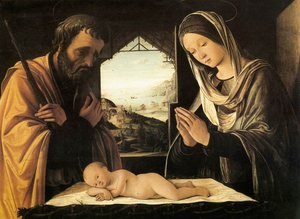
Lorenzo Costa (Vanhempi)
1460 - 1535 , Italia
Pähkinänkuoressa
- Artistic Movement Or Style: Ferrara & Bolognan koulukunnat
- Artists Who Influenced This Artist:
- Cosimo Tura
- Francesco Francia
- Date Of Birth: n. 1460 Ferrara, Italia
- Date Of Death: 5. maaliskuuta 1535
- Full Name: Lorenzo Costa il Vecchio
- Nationality: Italian Renaissance
- Notable Artworks:
- Venus (yksityiskohta)
- Suuri alttaritaulu, Oratorio di S. Pietro in Vincoli
- Madonna ja pyhimykset
- Place Of Birth: Ferrara
Aiheeseen liittyvät artikkelit

The Northern Renaissance: A Flourishing of Realism, Religious Reform & Artistic Innovation
Explore the Northern Renaissance! Discover Jan van Eyck's innovations, religious shifts, & key artists of this influential period. Expert analysis and insights into Early Netherlandish painting at OriginalUniqueArt.

El Grecon 25 mestariteosta: Taidetta, historiaa ja inspiraatiota kotiisi
Tutustu El Grecon 25 vaikuttavimpaan mestariteokseen! Uppoudu espanjalaisen renessanssin ja manierismin maailmaan. Taidehistoriaa, uskonnollisia maalauksia ja inspiraatiota kotiisi – löydä upeat taidevedokset OriginalUniqueArt.comista.
Pohjoisrenessanssin 10 mestariteosta: Taidetta kotiin OriginalUniqueArtilta
Tutustu pohjoisrenessanssin 10 mestariteokseen! Jan van Eyckistä Hieronymus Boschiin – taidemaalauksien tarinat, tekniikat ja inspiraatio kotiisi. Löydä korkealaatuiset taidekopiot OriginalUniqueArtilta. Tutustu kokoelmaamme verkossa!
Mario Sironi: A Poetic of Modern Italian Identity Through Symbolism & Social Commentary
Explore the profound works of Mario Sironi, a key figure in Italian Modernism. Discover his evolution from Futurism to Metaphysical painting and his powerful social commentary. Learn about his legacy at OriginalUniqueArt.

Drama and Light: A Definitive Guide to the Italian Baroque Masterpieces and the Revolution of Chiaroscuro
Explore the dramatic world of Italian Baroque art. Discover how masters like Caravaggio used chiaroscuro and tenebrism to revolutionize painting through light, shadow, and profound realism. A definitive guide for history lovers and art collectors.
