- Etusivu

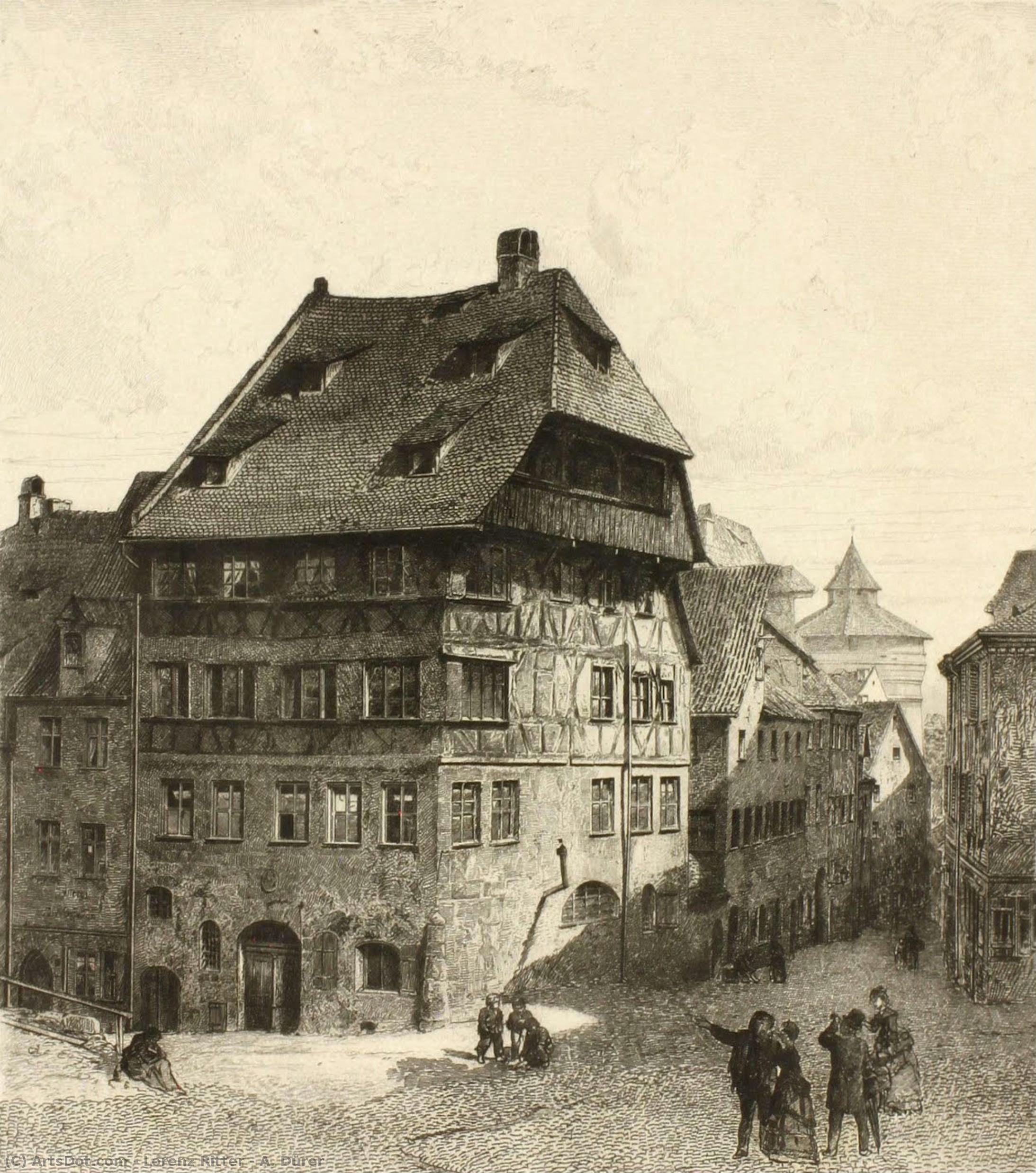
- Öljymaalausjäljennös
- lorenz ritter
- A. Dürer
 Preview
 Tilaa painos Osta kuva
 Jaa
Jaa
 Jaa
Jaa
 Tarkemmat tiedot
 Lisää suosikkeihin

 Lataa
Lataa
 Samanlaisia
 Röntgenkuva
 Diaesitys
A. Dürer


 Näytä lisää
Käsinmaalattu öljykopio
Käsinmaalattu öljyväri kankaalle haluamassasi koossa ja kehyksissä, taiteilijoidemme valmistamana tilauksesta.




































Valitse valmiista mitoistamme sellaiset, jotka vastaavat teoksen alkuperäisiä mittasuhteita.

Voit syöttää omat mitat sopimaan tiettyyn kehykseen tai tilaan. Jos valitsemasi koko ei vastaa alkuperäisen kuvan mittasuhteita, rajaamme taideteoksen tai jatkamme maalausta käsin maalatuilla elementeillä. Digitaalinen esikatselu lähetetään hyväksyttäväksi ennen tuotannon aloittamista.
Huomioithan, että näytöllä oleva esikatselu ei vastaa todellista rajausta tai jatkamista. Vain digitaalinen mallikuva näyttää lopullisen sommittelun tarkasti.
Vaikka mittatilaustyöt ovat mahdollisia, suosittelemme valitsemaan mitan ennalta määritetystä listasta alkuperäisten mittasuhteiden säilyttämiseksi.
Tilauksen jälkeen OriginalUniqueArt.com -tiimi lähettää asiakkaalle ohjeet ja esikatselukuvan.
Maailmanlaajuinen toimitus () 3–4 viikossa tavallisen 5 viikon sijaan. (23 heinäkuu). Laadusta ei tingitä.

Ilmainen pikatoimitus ympäri maailman

Korkealaatuinen pellavakangas

Kattava kuljetusvakuutus

Tulliveron palautustakuu

Täydellinen värien vastaavuustakuu

60 päivän palautusoikeus (vain valmistusvirheet)

100% rahat takaisin -takuu

Määräalennus tarjous
 Lasivaihtoehto on saatavilla vain alle 110 cm kokoisina teoksina

A. Dürer
Reproduktiotekniikka
Replikaatin koko
-


Kokonaishinta
-
Teoksen kuvaus
Taiteilijan elämäkerta
Lorenz Ritter: A Painter of Nuremberg’s Soul
Born in the heart of Bavaria, in the historic city of Nuremberg in 1832, Lorenz Ritter dedicated his life to capturing the essence of his homeland through watercolor and etching. His artistic journey, shaped by a rigorous apprenticeship under the esteemed painter Friedrich Heideloff, reveals a deep connection to both the architectural grandeur and the subtle beauty of his surroundings. Ritter’s work isn't merely documentation; it’s an intimate portrayal of Nuremberg’s spirit, reflecting the city’s rich history and enduring charm.
Ritter’s early training instilled in him a strong foundation in traditional German painting techniques. However, he quickly developed his own distinctive style, characterized by a meticulous attention to detail and a remarkable ability to render light and shadow with delicate precision. He particularly excelled at capturing the textures of stone and brick, breathing life into the city's venerable buildings. His watercolors are renowned for their luminous quality, evoking the soft glow of Bavarian sunlight filtering through ancient windows and illuminating cobblestone streets.
Architectural Visions and Northern Italian Influences
A significant portion of Ritter’s oeuvre is devoted to architectural views of Nuremberg. He meticulously documented the city's iconic landmarks – the towering Frauenkirche (Church of Our Lady), the imposing St. Lorenz Church, and the intricate network of medieval streets and squares – revealing a profound respect for his city’s heritage. These etchings aren’t simply technical drawings; they are imbued with a sense of nostalgia and reverence, as if Ritter is inviting viewers to step back in time and experience Nuremberg as it once was.
Beyond Nuremberg, Ritter also ventured north to Italy, where he found inspiration in the region's classical architecture and vibrant landscapes. These travels broadened his artistic horizons and introduced him to new techniques and perspectives. While his Italian subjects are less numerous than his depictions of Nuremberg, they demonstrate a growing confidence and experimentation with color and composition. The influence of Italian Renaissance art is subtly present in his later works, particularly in the use of perspective and the depiction of light.
Family Legacy and Artistic Connections
Lorenz Ritter’s artistic life was intertwined with that of his brother, Paul Ritter, another talented painter who shared a similar passion for capturing the beauty of Bavaria. While their individual styles differed slightly, they undoubtedly benefited from each other's encouragement and support. The Rittter brothers represent a significant artistic lineage within Nuremberg, contributing to the city’s vibrant cultural landscape during the 19th century.
Ritter’s connection to Heideloff was particularly important. Heideloff, a prominent figure in German art, provided Ritter with invaluable guidance and mentorship, shaping his artistic development and introducing him to key figures within the art world. This lineage speaks to the strong tradition of artistic training that flourished in Nuremberg during this period.
A Lasting Impression: Significance and Legacy
Lorenz Ritter’s work holds a special place in Bavarian art history, offering a unique window into the city's past. His meticulous renderings of Nuremberg’s architecture not only document its physical form but also capture its spirit and character. His watercolors, with their delicate colors and subtle nuances, evoke a sense of nostalgia and invite viewers to connect with the city on an emotional level.
Though he lived a relatively quiet life, Lorenz Ritter left behind a substantial body of work that continues to be appreciated for its technical skill, artistic sensitivity, and profound connection to his homeland. His legacy is preserved through the numerous prints and paintings housed in museums throughout Nuremberg and beyond, ensuring that the painter’s vision of this historic city will endure for generations to come. His dedication to capturing the essence of Nuremberg solidifies his place as a key figure in Bavarian art.

lorenz ritter
1832 - 1921 , Germany
Pikatiedot
- Artistic Movement Or Style: Watercolor & etching
- Artists Who Influenced This Artist: ['Heideloff']
- Date Of Birth: 24 November 1832
- Date Of Death: 3 September 1921
- Full Name: Lorenz Ritter
- Nationality: German
- Notable Artworks: ['Architectural views']
- Place Of Birth: Nuremberg, Germany

