

 Katso seinällä
 Lähetä
 Jaa
Jaa
 Tarkemmat tiedot
 Opas
Opas

 Lataa kuva
 Samanlaisia kohteita
 Röntgenkuvaus
 Diaesitys
 Tilastot
Venus
 66.0 x 113.0 cm
 Galleria d'Arte Moderna
 Lue lisää
Giclée- ja taideprintit
Museolaatuisia giclée- tai kankaitaulun tulosteita nopealla tuotannolla ja joustavilla viimeistelyvaihtoehdoilla. ( Tilaa käsinmaalattu jäljennös Siirry digitaaliseen kuvaan)




































Valitse valmiista mitoistamme sellaiset, jotka vastaavat teoksen alkuperäisiä mittasuhteita.

Kirjoita tarvitsemasi leveys ja korkeus, jotta tuloste sopii kehyskokoon tai seinällesi. Tulostetta voidaan vain leikata, sitä ei voi koskaan tehdä suuremmaksi kuin alkuperäinen kuva, joten eri muotoinen koko aiheuttaa osan kuvasta katoamisen. Lähetämme sinulle digitaalisen mallikuvan hyväksyttäväksi ennen kuin aloitamme tulostuksen. Tällä sivulla näkyvä kuva ei näytä lopullista leikkausta — vain mallikuva näyttää sen.
Maailmanlaajuinen toimitus () 2 viikossa tavallisen 4–5 viikon sijaan. (22 lokakuu)

Ilmainen pikatoimitus ympäri maailman

Korkealaatuinen pellavakangas

Kattava kuljetusvakuutus

Tulliveron palautustakuu

Takuu täydellisestä värien vastaavuudesta

100 päivän palautusoikeus valmistusvirhetapauksissa

100% rahat takaisin -takuu

Määräalennus saatavilla
 Lasivaihtoehto on saatavilla vain alle 110 cm kokoisille teoksille

Venus
Giclée- ja taideprintit
Replikaatin koko
-


Kokonaishinta
€ 70
Kysymykset ja vastaukset
Minkälaisia värejä teoksessa "Venus" käytetään?
Teoksen Leone Leoni (Pompeo Leoni):n "Venus" väripalettia kuvataan sanoin Neutrals. Se on tiivis kuvaus teoksen väreistä.
Mikä on teoksen Leone Leoni (Pompeo Leoni):n "Venus" luminanssi?
Teoksella Leone Leoni (Pompeo Leoni):n "Venus" on Bright Balance luminanssi. Luminanssi kuvaa sitä, kuinka paljon värit näyttävät heijastavan valoa.
Käyttääkö teos Leone Leoni (Pompeo Leoni):n "Venus" voimakkaita kontrasteja vai pehmeitä harmonioita?
Teoksen Leone Leoni (Pompeo Leoni):n "Venus" värianalyysi osoittaa Statement kontrastin ja Strong Color Unity harmonian.
Taiteilijan elämäkerta
A Sculptor Shaped by Habsburg Patronage and Florentine Tradition
Leone Leoni, known to history as Pompeo Leoni, was a master of form whose hands breathed life into metal and stone during the height of the Italian Renaissance. Born in Menaggio, Lombardy, around 1509, Leoni’s journey from a skilled goldsmith to a celebrated sculptor of monarchs is a testament to the transformative power of technical precision and ambitious patronage. While his name might not resonate with the same immediate pop-culture recognition as Michelangelo, his influence was deeply embedded in the visual language of the 16th century, particularly through his ability to capture the psychological gravity of the Habsburg dynasty.
His artistic foundation was laid in the meticulous world of goldsmithing, a craft that demanded an intimate understanding of material manipulation and delicate ornamentation. This early training proved indispensable; the precision required for fine metalwork would later define the exquisite detail found in his monumental bronze works. His formative years took him to Ferrara, where he served at the mint. It was here, amidst the rhythmic striking of coins, that Leoni mastered the art of the commemorative medal. These small, portable masterpieces—often featuring Latin inscriptions and profound symbolic depth—became a hallmark of his style, allowing him to immortalize rulers in a medium that was both intimate and enduring.
The Grandeur of Imperial Portraiture
Leoni’s career reached its zenith through his association with the most powerful figures of Europe. His time in Milan, under the patronage of Vincenzo Gonzaga, Duke of Alba, provided the stage for his most significant sculptural achievements. He possessed a rare talent for translating the political might of the Habsburgs into tangible, emotive art. One of his most profound contributions to the era was his ability to blend Mannerist elegance with a striking realism that honored the humanist ideals of the age.
His work often focused on the intersection of individual identity and imperial legacy. Notable examples include:
- The Medal of Charles V and Isabella of Portugal: A 1546 bronze masterpiece that showcases his ability to use aged patina and Renaissance realism to convey the weight of sovereignty.
- Portraits of Ippolita Gonzaga: Through bronze coins and reliefs, Leoni captured the likeness of Mantua's queen, blending Florentine artistic influences with a sense of regal dignity.
- Monumental Bronze Works: His ability to scale his goldsmithing precision up to large-scale sculpture allowed him to create works that commanded space in the courts of Europe.
Legacy and Historical Significance
The artistry of Leone Leoni is characterized by a unique tension between the stylized, dramatic forms of Mannerism and a profound commitment to realistic representation. His work does not merely depict a face; it depicts a status, an era, and a political philosophy. By bridging the gap between the delicate art of the engraver and the monumental scale of the sculptor, he created a cohesive visual legacy that served the propaganda needs of the Renaissance courts while maintaining high aesthetic integrity.
Though Leoni passed away in Milan in 1590, his impact remained etched in the very fabric of European history. His medals and sculptures acted as ambassadors of power, traveling across borders and through generations. Today, we look to his oeuvre not just as a collection of beautiful objects, but as a vital historical record—a window into the complex power dynamics, the humanist spirit, and the breathtaking craftsmanship of the 16th century.
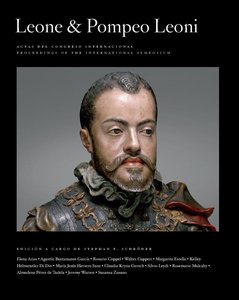
Leone Leoni (Pompeo Leoni)
1509 - 1590 , Italy
Tietoa taiteilijasta
- Full Name: Leone Leoni (Pompeo Leoni)
- Nationality: Italian
- Date Of Birth: 1509
- Date Of Death: 1590
- Place Of Birth: Menaggio, Italy
- Notable Artworks:
- The Emperor Charles V Restraining Fury
- Memorial Medal of Giorgio Vasari
- Hippolyta Gonzaga
- Artistic Movement Or Style: Mannerist
- Artists Who Influenced This Artist: ['Michelangelo Buonarroti']
- Artists Or Movements Influenced By This Artist: ['Baroque']
