Text size

() ·

A painting made for you, by hand

Codex Trivulzianus 2162, p. 11.

Käsinmaalattu öljyvärinen jäljennös

Käsinmaalattu öljyväri kankaalle haluamassasi koossa ja kehyksissä, taiteilijoidemme valmistamana tilauksesta. ( Vaihda tulosteeseen Siirry digitaaliseen kuvaan)

Keräilykohteen kuvaus

Taiteilijan elämäkerta

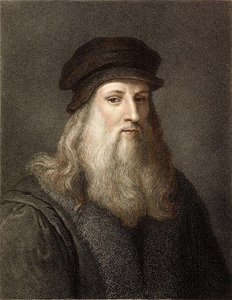
Tutustu Leonardo da Vinciin (1452–1519): Renessanssin nero, Mona Lisan ja Viimeisen illallisen takana! Löydä hänen sfumato-tekniikkansa, anatomiset tutkimuksensa ja mullistavat keksintönsä.

from ·

Chapter 1

How large should it be?

Slide to change the size; the picture on the left shows the frame at its real width. The proportions of the original are kept.

Vakiokoko
räätälöity
CM
INCH

Valitse valmiista mitoistamme sellaiset, jotka vastaavat teoksen alkuperäisiä mittasuhteita.

leveys
korkeus

Kirjoita tarvitsemasi leveys ja korkeus, jotta teos sopii kehyksiisi tai seinällesi. Koska kyseessä on käsinmaalattu teos, taiteilija voi maalata hieman enemmän kuvan ympärille tai rajata sitä hieman, jos haluat eri muotoisen koon — valinta on sinun. Lähetämme sinulle digitaalisen mallikuvan hyväksyttäväksi ennen kuin maalaus alkaa. Tällä sivulla näkyvä kuva ei vastaa lopullista tulosta — vain mallikuva näyttää sen.

Chapter 2

How should it arrive?

Choose the edges of the stretched canvas

Choose your frame

Corner sample of the WhiteWrap canvas edge finish, stretched on massiivipuu bars
White €1
Corner sample of the BlurSideWrap canvas edge finish, stretched on massiivipuu bars
Blurside €1
Corner sample of the ExtendedWrap canvas edge finish, stretched on massiivipuu bars
Extended €1
Corner sample of the P118B picture frame: valettu polystyreeni, 5 cm wide and 3 cm thick
P118B €10
Corner sample of the P118H picture frame: valettu polystyreeni, 5 cm wide and 3 cm thick
P118H €10
Corner sample of the P118W picture frame: valettu polystyreeni, 5 cm wide and 3 cm thick
P118W €10
Corner sample of the P438Z picture frame: valettu polystyreeni, 5.5 cm wide and 3.5 cm thick
P438Z €10
Corner sample of the P508JH picture frame: valettu polystyreeni, 7 cm wide and 3.5 cm thick
P508JH €12
Corner sample of the P508YH picture frame: valettu polystyreeni, 7 cm wide and 3.5 cm thick
P508YH €12
Corner sample of the P805H picture frame: valettu polystyreeni, 5 cm wide and 3.5 cm thick
P805H €10
Corner sample of the P805Z picture frame: valettu polystyreeni, 5 cm wide and 3.5 cm thick
P805Z €10
Corner sample of the P919BZ picture frame: valettu polystyreeni, 7 cm wide and 3.5 cm thick
P919BZ €10
Corner sample of the P919G picture frame: valettu polystyreeni, 7 cm wide and 3.5 cm thick
P919G €10
Corner sample of the P919XJ picture frame: valettu polystyreeni, 7 cm wide and 3.5 cm thick
P919XJ €10
Corner sample of the P959ZH picture frame: valettu polystyreeni, 5 cm wide and 3 cm thick
P959ZH €10
Corner sample of the P968JZ picture frame: valettu polystyreeni, 6 cm wide and 4 cm thick
P968JZ €12
Corner sample of the W106C picture frame: massiivipuu, 5 cm wide and 3 cm thick
W106C €8
Corner sample of the W218G picture frame: massiivipuu, 5 cm wide and 3 cm thick
W218G €10
Corner sample of the W218JH picture frame: massiivipuu, 5 cm wide and 3 cm thick
W218JH €8
Corner sample of the W218Y picture frame: massiivipuu, 5 cm wide and 3 cm thick
W218Y €10
Corner sample of the W307PJ picture frame: massiivipuu, 6 cm wide and 3 cm thick
W307PJ €10
Corner sample of the W316G picture frame: massiivipuu, 6 cm wide and 3 cm thick
W316G €10
Corner sample of the W316PJ picture frame: massiivipuu, 6 cm wide and 3 cm thick
W316PJ €8
Corner sample of the W316Y picture frame: massiivipuu, 6 cm wide and 3 cm thick
W316Y €10
Corner sample of the W398PJ picture frame: massiivipuu, 5 cm wide and 3 cm thick
W398PJ €8
Corner sample of the W4111J picture frame: massiivipuu, 6.5 cm wide and 3.5 cm thick
W4111J €10
Corner sample of the W500HY picture frame: massiivipuu, 7 cm wide and 5 cm thick
W500HY €15
Corner sample of the W500JH picture frame: massiivipuu, 7 cm wide and 5 cm thick
W500JH €15
Corner sample of the W692G picture frame: massiivipuu, 8 cm wide and 4 cm thick
W692G €12
Corner sample of the W849H picture frame: massiivipuu, 5 cm wide and 3 cm thick
W849H €8
Corner sample of the W940BG picture frame: massiivipuu, 7.5 cm wide and 4.5 cm thick
W940BG €15
Corner sample of the W953PJ picture frame: massiivipuu, 6 cm wide and 3.5 cm thick
W953PJ €8
Corner sample of the H24-GOLD picture frame: kaiverrettua puuta ja gessoa, 10 cm wide and 6 cm thick
H24-GOLD €30
Corner sample of the H24-SILVER picture frame: kaiverrettua puuta ja gessoa, 10 cm wide and 6 cm thick
H24-SILVER €30
Corner sample of the H36-GOLD picture frame: kaiverrettua puuta ja gessoa, 15 cm wide and 6.5 cm thick
H36-GOLD €45
Corner sample of the H36-SILVER picture frame: kaiverrettua puuta ja gessoa, 15 cm wide and 6.5 cm thick
H36-SILVER €45
Kehyksen esikatselu
Kehystetty

Moulding: . Overall size with the frame: .

Chapter 3

Who paints it, and should anything change?

Examples of what can be changed: Replace face with customer photo; Add pet (e.g., replace cat with dog); Include hidden message in background; Change background landscape or elements.
After order, OriginalUniqueArt.com team will email client for instructions and provide a mockup preview

Maailmanlaajuinen toimitus () 3–4 viikossa tavallisen 5 viikon sijaan. (31 lokakuu). Laadusta ei tingitä.

Chapter 4

The finishing touches

A nameplate, as in a museum?

Kaiverretun pronssilaatan tiedot

This elegant plaque features the artist's name and the title of the artwork, finely engraved for a timeless presentation.

It is made from bronze with a refined, elegant finish. The text is precisely laser-engraved for a sharp and permanent result. Measuring 9x2 cm, the plaque is compact yet easy to read. It's built to be durable and scratch-resistant, offering a professional, museum-quality look. Mounting is simple thanks to the included adhesive backing.

Läpinäkyvän akryylilaatan tiedot

The plaque includes essential engraved details such as the artist's name, the title of the artwork, the date it was created, the type of media used-like oil on canvas or watercolor-a brief description of the piece, and a QR code that links to the complete artwork information.

It is crafted from clear acrylic, offering a sleek, modern appearance. The text is UV-engraved in black to ensure strong visual contrast. With a size of 10x15 cm, it ensures optimal readability. It comes equipped with two metal hooks for secure wall mounting. The plaque is designed to be weather-resistant, making it suitable for various environments, and it includes interactive features that work seamlessly with smartphone scanning.

Mustan akryylilaatan tiedot

This elegant plaque includes engraved information such as the artist's name, the title of the artwork, the date it was created, the type of media used (like oil on canvas or watercolor), a short description of the artwork, and a QR code for quick access to more information.

The plaque itself is made from refined black acrylic with a premium finish. The text is laser-engraved in white for high contrast and readability. Its size is 10x15 cm, designed to be easy to read. It comes with two metal hooks for professional mounting. The design is sleek and fits any interior style. It is also weather-resistant and durable, with built-in digital integration for mobile compatibility.

A protective varnish?

When do you need it?

Chapter 5

Your painting, as you ordered it

Codex Trivulzianus 2162, p. 11.

Reproduktiotekniikka

Replikaatin koko

-

Kokenut huipputaiteilija

Lisää yksityiskohtia, hienostuneisuutta ja enemmän aikaa tuotantoon

-

Reproduktion kehystysvaihtoehdot

-

-

Teoksille tai reproduktioille, joiden mikä tahansa sivu on suurempi kuin 105 cm (noin 41 tuumaa), kehys toimitetaan osina purettuna sarjana. Tämä menetelmä varmistaa turvallisen toimituksen ja ehkäisee vaurioita kuljetuksen aikana.

Vaatii ammattimaista kokoamista – kyseessä ei ole tee-se-itse-tuote.
Sarja on koottava ja kangas kiristettävä kokeneen kehystysammattilaisen toimesta käyttäen puuliimaa (ei sisälly pakkaukseen), kangaspinnetteitä ja puristimia, jotta kehyksen kulmat pysyvät suorina liiman kuivuessa. Virheellinen kokoaminen tai epätasainen kankaan kiristys voi vaurioittaa teosta pysyvästi, eikä tällaiset vauriot ala takuun piiriin.

  • Kaikki massiivipuupalat sisältyvät, tarkasti mittojen mukaan leikattuina.

  • Kootaan mukana tulevilla ruuveilla sekä kulmaliitoksia varten tarvittavalla puuliimalla, jota ei toimiteta, joten se on hankittava kehystäjältä.

  • Vaatii ammattilaisvälineitä, jotka eivät sisälly pakkaukseen: kankaan venytyspihdit (kiristin) ja puristimet, joilla pidetään kehyksen puut suorassa liiman kuivuessa.

Tärkeää:
Kulmaliitoksissa tarvitaan puuliimaa, kehyksien osat on pidettävä puristimilla, kunnes liima on täysin kuivunut, ja koottuun kehykseen jännitettävän kankaan kiristämiseen tarvitaan kangaspenssipihti. Mikään näistä ei sisälly pakkaukseen. Suosittelemme varmistamaan kokeneen kehystäjän saatavuuden ennen tämän kokoisen kehyksen tilaamista.

Nimilaatta

-

-

Suojalakkaus

Kiiltävä lakka (syventää värejä, suojaa valolta ja kosteudelta)

-

Mukauta taideteokseni

Esimerkkejä muokattavista asioista: Vaihda kasvot asiakkaan omaan valokuvaan; Lisää lemmikki (esim. vaihda kissa koiraan); Lisää taustalle piilotettu viesti; Muuta taustan maisemaa tai elementtejä.

-

Pikatoimitus

Maailmanlaajuinen toimitus () 3–4 viikossa tavallisen 5 viikon sijaan. (31 lokakuu). Laadusta ei tingitä.

-

Pikatoimitus

Maailmanlaajuinen toimitus () 5 viikon kuluessa. (7 marraskuu).

Sisältyy hintaan

Kokonaishinta

€ 267

Kokonaishinta € 267

Lasivaihtoehto on saatavilla vain alle 110 cm kokoisille teoksille

Included with every order

  • Ilmainen pikatoimitus ympäri maailman
  • Korkealaatuinen pellavakangas
  • Kattava kuljetusvakuutus
  • Tulliveron palautustakuu
  • Takuu täydellisestä värien vastaavuudesta
  • 100 päivän palautusoikeus (vain valmistusvirheet)
  • 100% rahat takaisin -takuu
  • Määräalennus tarjolla

Codex Trivulzianus 2162, p. 11: A Window into Leonardo’s Anatomical Vision

The Codex Trivulzianus 2162, p. 11 stands as a singular testament to Leonardo da Vinci's multifaceted genius—a page meticulously transcribed from an unknown manuscript that offers a glimpse beyond the celebrated portraits and frescoes for which he is primarily remembered. Captured in a striking photograph, this image presents a dense expanse of handwritten text, punctuated by a detailed depiction of a human figure at the upper left corner. The composition immediately draws the eye, prompting contemplation about Leonardo’s fascination with the intricacies of human anatomy and his relentless pursuit of scientific understanding interwoven with artistic expression.
  • Subject Matter: The page's text appears to be focused on anatomical observations—likely sketches or notes documenting detailed studies of musculature and skeletal structure. This aligns perfectly with Leonardo’s groundbreaking investigations into human physiology, driven by a desire to accurately represent the human form in his art.
  • Style & Technique: Executed in elegant calligraphy, the text demonstrates Leonardo's mastery of visual communication alongside his intellectual prowess. The meticulous attention to detail—evident in each carefully spaced word—reflects his unwavering commitment to precision and accuracy, qualities that permeate throughout his artistic oeuvre.
  • Historical Context: Produced during Leonardo’s formative years (circa 1480s), this Codex exemplifies the humanist spirit of the Renaissance, where scholars and artists alike sought to revive classical learning and embrace empirical observation as pathways to knowledge. It speaks to a broader intellectual movement concerned with dissecting the natural world and capturing its essence in artistic representations.
  • Symbolism: The inclusion of the human figure is particularly significant. Leonardo’s anatomical studies weren't merely exercises in scientific curiosity; they were imbued with symbolic meaning—representing humanity’s connection to God, mirroring the divine proportions found throughout nature, and serving as a foundation for achieving artistic perfection.
  • Emotional Impact: Viewing this page evokes a profound sense of wonder at Leonardo’s intellectual ambition and his ability to translate scientific insight into aesthetically compelling visual form. It reminds us that Leonardo's genius extended far beyond painting; he was a visionary who sought to comprehend the universe itself, leaving an enduring legacy for generations of artists and thinkers.

Exploring Leonardo’s Anatomical Method

Leonardo’s anatomical investigations were revolutionary for their time. Unlike previous dissections that often lacked rigor and accuracy, he approached cadavers with a methodical discipline—carefully documenting every muscle, bone, and nerve with meticulous sketches and detailed notes. This dedication to observation informed his artistic practice, allowing him to imbue his figures with unprecedented realism and emotional depth. The Codex Trivulzianus 2162 serves as tangible evidence of this transformative method – a window into the mind of one of history’s greatest innovators.

A Reflection of Renaissance Humanism

The Codex Trivulzianus 2162 embodies the core tenets of Renaissance humanism—a philosophical movement that championed reason and empirical observation as instruments for understanding humanity and its place in the cosmos. Leonardo's anatomical studies were not simply about replicating physical form; they represented a broader quest to grasp the underlying principles governing life itself, mirroring the humanist preoccupation with exploring the potential of human intellect and creativity.

Bringing Leonardo’s Vision Home

OriginalUniqueArt offers exceptional reproductions of Codex Trivulzianus 2162, p. 11—allowing you to experience the brilliance of Leonardo da Vinci's anatomical explorations in stunning detail. Crafted with archival inks on premium canvas, these hand-painted reproductions capture the essence of this iconic artwork, transporting its intellectual depth and artistic beauty into your living space. Explore our collection today!

Kysymykset ja vastaukset

Mitä tunnelmaa ja tunnetta Leonardo Da Vinci:n "Codex Trivulzianus 2162, p. 11." välittää?

Leonardo Da Vinci:n "Codex Trivulzianus 2162, p. 11." välittää Reflective tunteen yleisessä Calm tunnelmassa.

Mistä voin hankkia painoksen teoksesta Leonardo Da Vinci:n "Codex Trivulzianus 2162, p. 11."?

"Codex Trivulzianus 2162, p. 11." on saatavilla muodossa taideteosvedos puuvillakangas- tai arkistoluokan kankaalle painettuna. Tilaukset voit tehdä Taidevedos -sivulla valitsemassasi koossa.

Mikä on teoksen "Codex Trivulzianus 2162, p. 11." formaatti?

Teoksella Leonardo Da Vinci:n "Codex Trivulzianus 2162, p. 11." on Portrait -muoto. Muoto kuvaa sommittelun mittasuhteita.

More about this painting

Esikatselu Esikatsele AR-tilassa Vaihda tulosteeseen Siirry digitaaliseen kuvaan Jaa teos
Tiedot Opas Lisää suosikkeihin Lataa kuva Samanlaisia kohteita Röntgenkuvaus Diaesitys Q&A Tilastot

In numbers

  • 29frames to choose from
  • standard sizes, in its own proportions
  • 5weeks to paint and deliver it
Leonardo Da Vinci

Leonardo Da Vinci

1452 - 1519, Italia

Quick facts about Leonardo Da Vinci

  • Artistic Movement Or Style: High Renaissance
  • Artists Or Movements Influenced By This Artist: ['Renaissance art']
  • Artists Who Influenced This Artist: ['Andrea del Verrocchio']
  • Date Of Birth: 15. huhtikuuta 1452
  • Date Of Death: 2. toukokuuta 1519
  • Full Name: Leonardo da Vinci
  • Nationality: Italialainen
  • Notable Artworks:
    • Mona Lisa
    • The Last Supper
  • Place Of Birth: Vinci, Italia

Taiteilijan elämäkerta

Leonardo da Vincin elämä ja perintö.

Leonardo di ser Piero da Vinci, joka syntyi vuonna 1452 lähelle Toscanan Vinci-kylää, on kenties maailman tunnetuin renessanssin hahmo – todellinen polymaatti, jonka nälkäinen uteliaisuus vei häntä läpi eri tieteenalojen ja jätti pysyvän jäljen taiteeseen, tiedeeseen ja insinööritaitoon. Hänen nimensä on tullut synonyymiksi neroudelle, mikä on todistus hänen poikkeuksellisesta lahjakkuudestaan ja visionäärisestä ajattelustaan. Syntynyt aviottomana notaari Piero da Vincin ja talonpoikaisnaisen Caterinan lapsena, Leonardon varhaiset vuodet olivat epätavalliset, mutta ne tarjosivat hänelle pääsyn käytännön maailmaan ja syvän arvostuksen luontoa kohtaan, mikä muovasi hänen taiteellista näkemystään pysyvästi. Vaikka hän sai peruskoulutusta lukemiseen, kirjoittamiseen ja laskemiseen, vasta oppipoika-aika Andrea del Verrocchion työpajassa Firenzessä sytytti hänen luovuutensa todellisen kipinän. Verrocchion työpajassa Leonardo ei ainoastaan oppinut maalaamaan tai kuvanveistoa; hän uppoutui teknisen taidon maailmaan, halliten metallintyöstön, puusepäntyöt, piirtämisen ja taiteellisen luomisen monimutkaisuudet – perustan, jonka päälle hän rakensi monipuolisen neroutensa. Jo tämän muovaavan ajanjakson aikana kiersivät huhut hänen poikkeuksellisesta lahjakkuudestaan, ja kertomusten mukaan Verrocchio itse lopetti maalaamisen todistettuaan Leonardon ylivertaisen kyvyn.

Milanolaiset innovaatiot ja taiteellinen kukoistus

Vuonna 1482 Leonardo aloitti uuden luvun astumalla Milanon herttua Ludovico Sforzan palvelukseen. Tämä ei ollut pelkkä taiteellinen nimitys; Leonardo toimi hovin sotilasinsinöörinä, arkkitehtina, kuvanveistäjänä ja suunnittelijana – todiste hänen monipuolisista taidoistaan. Hän kehitti innovatiivisia linnoituksia, suunnitteli näyttäavia lavasteita ja hahmotteli jopa suunnitelmia fantastisille koneille. Kuitenkin juuri tänä aikana hän aloitti työt yhden ikonisimmista mestariteoksistaan: Viimeinen illallinen. Santa Maria delle Grazie -luostarin refektoriin freskona maalattu teos ylittää pelkän esittämisen; se on syvä tutkimusmatka ihmisen tunteisiin ja psykologiseen draamaan, vangiten tarkan hetken, jolloin Kristus ilmoittaa petoksesta. Aikanaan innovatiivinen sommittelu ja mestarillinen perspektiivin käyttö vaikuttaisivat syvästi länsimaiseen taiteeseen vuosisatojen ajan. Vaikka monet veistoprojektit jäivät keskeneräisiksi hänen Milanon aikanaan, Leonardon keksijähenki jatkoi kukoistustaan luoden pohjaa tuleville tieteellisille tutkimuksille.

Paluu Firenzeen ja täydellisyyden tavoittelu

Ranskan hyökättyä Milanoon vuonna 1499, Leonardo palasi Firenzeen, kaupunkiin, joka koki taiteellisen kehityksensä huipun. Vaikka hän valmistui tältä ajalta vähemmän teoksia, niiden vaikutus oli valtava. Täällä hän aloitti työt sen parissa, mitä tulee ehkä maailman kuuluisimmaksi maalaukseeksi: Mona Lisa (La Gioconda). Aiheen arvoituksellinen hymy ja vangitseva katse ovat lumonneet katsojia sukupolvien ajan, kun taas Leonardon vallankumouksellinen *sfumato*-tekniikka – valon ja varjon hienovaraiset siirtymät, jotka luovat usvaisia ääriviivoja ja ilmaperspektiiviä – vaikutti merkittävästi maalauksen eteeriseen laatuun. Tämä ajanjakso näki myös hänen anatomisten tutkimustensa jatkuvan hioutumista, jota ajoi järkkymätön halu ymmärtää ihmismuoto tieteellisellä tarkkuudella. Hän dissetoi ruumiita ja dokumentoi huolellisesti lihakset, luut ja elimet sarjassa uskomattoman yksityiskohtaisia piirroksia, jotka olivat vuosisatoja edellä aikaansa.

Perintö taiteen ulkopuolella: tiede, keksinnöt ja kestävä vaikutus

Leonardon myöhemmät vuodet leimatuivat matkustelulla Firenzen, Milanon ja Rooman välillä; häntä haettiin aina hänen asiantuntemuksensa vuoksi, mutta projektit jäivät usein keskeneräisiksi – kenties heijastuksena hänen levottomasta älystään ja kiinnostuksen kohteidensa valtavasta laajuudesta. Vuonna 1516 hän hyväksyi kuningas Francis I:n kutsun asua ja työskennellä Château du Clos Lucéssa Amboisen lähellä Ranskassa, missä hän vietti viimeiset vuotensa. Hän kuoli siellä vuonna 1519 jättäen jälkeensä valtavan perinnön, joka ulottuu taiteen rajojen ulkopuolelle. Hänen muistiinpanonsa paljastavat uraauurtavaa työtä anatomiassa, optiikassa, hydrauliikassa, geologiassa ja kartografiassa – ja hän hahmotteli keksintöjä, jotka olivat vuosisatoja edellä aikaansa, mukaan lukien lentokoneet, panssarivaunut ja kehittyneet aseet. Leonardo da Vincin vaikutus taidehistoriaan on mittaamaton. Hän nosti taiteilijoiden aseman taitavista käsityöläisistä älyllisiksi hahmoiksi osoittaen, että taiteellinen luominen voisi perustua tieteelliseen tutkimukseen ja syvään ymmärrykseen luonnonmaailmasta. Hänen maalauksiaan juhlitaan niiden realismin, psykologisen syvyyden ja innovatiivisten tekniikoiden vuoksi. Hän pysyy ihmisen uteliaisuuden, luovuuden ja tiedon loputtoman tavoittelun symbolina – todellisena renessanssin hengen ruumiillistumana, jonka perintö jatkaa ihailun ja lumouksen herättämistä vuosisatoja hänen kuolemansa jälkeen.

Keskeiset saavutukset ja kestävä vaikutus

  • Maalaus: Mona Lisa, Viimeinen illallinen, Kalliit kalliot, Ilmestys
  • Piirtäminen ja luonnostelu: Laajat anatomiset tutkimukset, Insinööripiirrokset (lentokoneet, aseistus), Kasvitieteelliset kuvitukset
  • Tiede ja tekniikka: Uraauurtava työ anatomiassa, optiikassa, hydrauliikassa, geologiassa ja kartografiassa. Hahmoteltuja keksintöjä, jotka olivat vuosisatoja edellä aikaansa.

Pikaista tietoa

  • Dimensions: 20 x 14 cm
  • Movement: Renaissance
  • Title: Codex Trivulzianus 2162, p. 11.
  • Medium: Handwritten Text
  • Influences: Verrocchio

Taidevisat

Jokaisessa kysymyksessä on vain yksi oikea vastaus.

Kysymys 1:
What is the artist responsible for creating?
Kysymys 2:
This Codex Trivulzianus page depicts a detailed illustration of what subject?
Kysymys 3:
Leonardo da Vinci's artistic style is characterized by:
Kysymys 4:
Where was Leonardo da Vinci born?
Kysymys 5:
What role did Andrea del Verrocchio play in Leonardo’s artistic development?