Esikatselu
 Jaa teos
 Jaa
Jaa
 Tiedot
 Opas
Opas

 Lataa kuva
 Samanlaisia kohteita
 Röntgenkuvaus
 Diaesitys
 Q&A
Q&A Tilastot
Codex Trivulzianus 2162. Additional dossier

- 20.0 x 14.0 cm


 Lue lisää
Giclée- ja taideprintit
Museolaatuisia giclée- tai kankaitaulun tulosteita nopealla tuotannolla ja joustavilla viimeistelyvaihtoehdoilla. ( Osta käsinmaalattu taideteos Siirry digitaaliseen kuvaan)




P118B €10

P118H €10

P118W €10

P438Z €10

P508JH €12

P508YH €12

P805H €10

P805Z €10

P919BZ €10

P919G €10

P919XJ €10

P959ZH €10

P968JZ €12

W106C €8

W218G €10

W218JH €8

W218Y €10

W307PJ €10

W316G €10

W316PJ €8

W316Y €10

W398PJ €8

W4111J €10

W500HY €15

W500JH €15

W692G €12

W849H €8

W940BG €15

W953PJ €8




Valitse valmiista mitoistamme sellaiset, jotka vastaavat teoksen alkuperäisiä mittasuhteita.

Syötä tarvitsemasi leveys ja korkeus, jotta tuloste sopii kehyksiisi tai seinällesi. Tulostetta voidaan vain leikata, sitä ei voida koskaan suurentaa alkuperäistä kuvaa suuremmaksi, joten eri muotoinen koko aiheuttaa osan kuvasta katoamisen. Lähetämme sinulle digitaalisen mallikuvan hyväksyttäväksi ennen kuin aloitamme tulostuksen. Tällä sivulla näkyvä kuva ei näytä lopullista rajausta — vain mallikuva näyttää sen.
Maailmanlaajuinen toimitus () 2 viikossa tavallisen 4–5 viikon sijaan. (3 marraskuu)

Ilmainen pikatoimitus ympäri maailman

Korkealaatuinen pellavakangas

Kattava kuljetusvakuutus

Tulliveron palautustakuu

Takuu täydellisestä värien vastaavuudesta

100 päivän palautusoikeus (vain valmistusvirheet)

100% rahat takaisin -takuu

Määräalennus tarjolla
 Lasivaihtoehto on saatavilla vain alle 110 cm kokoisille teoksille

Codex Trivulzianus 2162. Additional dossier
Giclée- ja taideprintit
Replikaatin koko
-


Kokonaishinta
€ 71
A Fragment of Genius: Unveiling Leonardo’s Codex Trivulzianus 2162
The image presented here—a seemingly simple sheet of aged parchment—holds within it the tantalizing whisper of Leonardo da Vinci's boundless intellect. This “Additional Dossier,” as it’s known, from the Codex Trivulzianus, a collection of Leonardo’s personal notes and sketches, offers a rare glimpse into his working process, a moment captured outside the finished grandeur of his paintings or the meticulously documented pages of his notebooks. The paper itself speaks volumes: its yellowed hue hints at years spent tucked away, perhaps forgotten, yet retaining an undeniable aura of importance. It's not a polished treatise; rather, it’s a raw, intimate record—a testament to the ceaseless flow of ideas that defined Leonardo’s extraordinary life.
The handwriting is deliberately obscured, suggesting it may be in a language other than Italian or Latin – languages frequently employed by Leonardo for his scientific observations and anatomical studies. This deliberate ambiguity adds another layer of intrigue, prompting us to consider the nature of these notes: were they preliminary sketches for a commission, detailed observations on human anatomy, perhaps even cryptic reflections on philosophical concepts? The lack of discernible words invites speculation, reinforcing the notion that this document represents a private, internal dialogue—a crucial element in understanding Leonardo’s creative process. It's a reminder that genius rarely emerges from sterile perfection but often from the messy, iterative stages of exploration and experimentation.
Decoding the Codex: Context and Purpose
The Codex Trivulzianus itself is a remarkable artifact, assembled primarily during the 16th century by Cardinal Ludovico Sforza’s librarian, Giovanni Battista Gaddi. It comprises over 200 sheets, meticulously compiled from Leonardo's personal papers, drawings, and writings accumulated throughout his career. The “Additional Dossier” we examine here is a fragment of this larger collection, offering a window into the breadth of Leonardo’s interests – a convergence of art, science, engineering, and anatomy. Leonardo wasn’t simply an artist; he was a relentless investigator, driven by a profound desire to understand the mechanics of the world around him.
The Codex served as more than just a record-keeping system. It functioned as Leonardo's personal laboratory, a space where ideas could be freely explored and developed without the constraints of patronage or expectation. It’s believed that Sforza intended for the Codex to be a legacy—a testament to Leonardo’s unparalleled genius, a collection to be studied and admired long after his death. The inclusion of this seemingly unassuming sheet underscores the multifaceted nature of Leonardo's work; it highlights the interconnectedness of his diverse pursuits.
The Language of Detail: Technique and Symbolism
While the content remains largely obscured, the physical characteristics of the parchment itself offer clues about its age and origin. The texture suggests a relatively coarse material, likely sourced from Italy during Leonardo’s lifetime. The faint traces of ink reveal a deliberate hand – not necessarily flamboyant or ornate, but precise and observant, mirroring the meticulous nature of Leonardo's own artistic approach. Even in this fragment, we can sense the artist’s inherent control over his materials, a hallmark of his unparalleled skill.
Considering Leonardo’s broader practice, it is likely that the notes contained within this dossier were accompanied by sketches and diagrams – visual representations of concepts he was exploring. The act of recording ideas visually, whether through writing or drawing, was integral to his creative process. The very existence of this fragment speaks to a dedication to documenting every observation, every experiment, every fleeting thought—a characteristic that fueled his extraordinary output.
A Window into the Soul: Emotional Resonance and Reproduction
This “Additional Dossier” transcends its physical form; it’s an invitation to connect with the mind of one of history's greatest geniuses. The fragility of the parchment, the obscured text, and the sense of mystery all contribute to a powerful emotional resonance. It evokes a feeling of intimacy, as if we are privy to a private moment of intellectual exploration.
OriginalUniqueArt is proud to offer a meticulously crafted hand-painted reproduction of this extraordinary fragment. Our artists have painstakingly recreated the texture and tone of the original parchment, capturing not only its visual appearance but also the inherent sense of history and intrigue. This reproduction serves as a tangible link to Leonardo’s world—a beautiful and thought-provoking addition to any collection or interior space. It's more than just an image; it’s a portal into the mind of a true visionary, allowing you to experience the essence of Leonardo da Vinci’s genius firsthand.
Kysymykset ja vastaukset
Kuinka voimakas kontrasti teoksessa Leonardo Da Vinci:n "Codex Trivulzianus 2162. Additional dossier" on?
Teoksessa Leonardo Da Vinci:n "Codex Trivulzianus 2162. Additional dossier" on Serene kontrasti vaaleiden ja tummien alueiden välillä.
Miten "Codex Trivulzianus 2162. Additional dossier" sijoittuu Leonardo Da Vinci'n toistuvien aiheiden joukkoon?
Leonardo Da Vinci:n toistuvia teemoja ovat humanist ideals, scientific observation, renaissance scholarship, intellectual pursuit, leonardo’s diverse interests explored, documenting knowledge, personal records, reflecting renaissance curiosity”; "Codex Trivulzianus 2162. Additional dossier" keskittyy aiheisiin leonardo da vinci, codex, manuscript, handwriting, renaissance, italy, document, archive.
Mikä on suositeltu tulostuskoko teokselle Leonardo Da Vinci:n "Codex Trivulzianus 2162. Additional dossier"?
Leonardo Da Vinci:n "Codex Trivulzianus 2162. Additional dossier"-teokselle suositellaan Medium kokoista jäljennöstä. Kokoa voidaan muuttaa säilyttäen alkuperäiset kuvasuhteet.
Taiteilijan elämäkerta
Leonardo da Vincin elämä ja perintö.
Leonardo di ser Piero da Vinci, joka syntyi vuonna 1452 lähelle Toscanan Vinci-kylää, on kenties maailman tunnetuin renessanssin hahmo – todellinen polymaatti, jonka nälkäinen uteliaisuus vei häntä läpi eri tieteenalojen ja jätti pysyvän jäljen taiteeseen, tiedeeseen ja insinööritaitoon. Hänen nimensä on tullut synonyymiksi neroudelle, mikä on todistus hänen poikkeuksellisesta lahjakkuudestaan ja visionäärisestä ajattelustaan. Syntynyt aviottomana notaari Piero da Vincin ja talonpoikaisnaisen Caterinan lapsena, Leonardon varhaiset vuodet olivat epätavalliset, mutta ne tarjosivat hänelle pääsyn käytännön maailmaan ja syvän arvostuksen luontoa kohtaan, mikä muovasi hänen taiteellista näkemystään pysyvästi. Vaikka hän sai peruskoulutusta lukemiseen, kirjoittamiseen ja laskemiseen, vasta oppipoika-aika Andrea del Verrocchion työpajassa Firenzessä sytytti hänen luovuutensa todellisen kipinän. Verrocchion työpajassa Leonardo ei ainoastaan oppinut maalaamaan tai kuvanveistoa; hän uppoutui teknisen taidon maailmaan, halliten metallintyöstön, puusepäntyöt, piirtämisen ja taiteellisen luomisen monimutkaisuudet – perustan, jonka päälle hän rakensi monipuolisen neroutensa. Jo tämän muovaavan ajanjakson aikana kiersivät huhut hänen poikkeuksellisesta lahjakkuudestaan, ja kertomusten mukaan Verrocchio itse lopetti maalaamisen todistettuaan Leonardon ylivertaisen kyvyn.
Milanolaiset innovaatiot ja taiteellinen kukoistus
Vuonna 1482 Leonardo aloitti uuden luvun astumalla Milanon herttua Ludovico Sforzan palvelukseen. Tämä ei ollut pelkkä taiteellinen nimitys; Leonardo toimi hovin sotilasinsinöörinä, arkkitehtina, kuvanveistäjänä ja suunnittelijana – todiste hänen monipuolisista taidoistaan. Hän kehitti innovatiivisia linnoituksia, suunnitteli näyttäavia lavasteita ja hahmotteli jopa suunnitelmia fantastisille koneille. Kuitenkin juuri tänä aikana hän aloitti työt yhden ikonisimmista mestariteoksistaan: Viimeinen illallinen. Santa Maria delle Grazie -luostarin refektoriin freskona maalattu teos ylittää pelkän esittämisen; se on syvä tutkimusmatka ihmisen tunteisiin ja psykologiseen draamaan, vangiten tarkan hetken, jolloin Kristus ilmoittaa petoksesta. Aikanaan innovatiivinen sommittelu ja mestarillinen perspektiivin käyttö vaikuttaisivat syvästi länsimaiseen taiteeseen vuosisatojen ajan. Vaikka monet veistoprojektit jäivät keskeneräisiksi hänen Milanon aikanaan, Leonardon keksijähenki jatkoi kukoistustaan luoden pohjaa tuleville tieteellisille tutkimuksille.
Paluu Firenzeen ja täydellisyyden tavoittelu
Ranskan hyökättyä Milanoon vuonna 1499, Leonardo palasi Firenzeen, kaupunkiin, joka koki taiteellisen kehityksensä huipun. Vaikka hän valmistui tältä ajalta vähemmän teoksia, niiden vaikutus oli valtava. Täällä hän aloitti työt sen parissa, mitä tulee ehkä maailman kuuluisimmaksi maalaukseeksi: Mona Lisa (La Gioconda). Aiheen arvoituksellinen hymy ja vangitseva katse ovat lumonneet katsojia sukupolvien ajan, kun taas Leonardon vallankumouksellinen *sfumato*-tekniikka – valon ja varjon hienovaraiset siirtymät, jotka luovat usvaisia ääriviivoja ja ilmaperspektiiviä – vaikutti merkittävästi maalauksen eteeriseen laatuun. Tämä ajanjakso näki myös hänen anatomisten tutkimustensa jatkuvan hioutumista, jota ajoi järkkymätön halu ymmärtää ihmismuoto tieteellisellä tarkkuudella. Hän dissetoi ruumiita ja dokumentoi huolellisesti lihakset, luut ja elimet sarjassa uskomattoman yksityiskohtaisia piirroksia, jotka olivat vuosisatoja edellä aikaansa.
Perintö taiteen ulkopuolella: tiede, keksinnöt ja kestävä vaikutus
Leonardon myöhemmät vuodet leimatuivat matkustelulla Firenzen, Milanon ja Rooman välillä; häntä haettiin aina hänen asiantuntemuksensa vuoksi, mutta projektit jäivät usein keskeneräisiksi – kenties heijastuksena hänen levottomasta älystään ja kiinnostuksen kohteidensa valtavasta laajuudesta. Vuonna 1516 hän hyväksyi kuningas Francis I:n kutsun asua ja työskennellä Château du Clos Lucéssa Amboisen lähellä Ranskassa, missä hän vietti viimeiset vuotensa. Hän kuoli siellä vuonna 1519 jättäen jälkeensä valtavan perinnön, joka ulottuu taiteen rajojen ulkopuolelle. Hänen muistiinpanonsa paljastavat uraauurtavaa työtä anatomiassa, optiikassa, hydrauliikassa, geologiassa ja kartografiassa – ja hän hahmotteli keksintöjä, jotka olivat vuosisatoja edellä aikaansa, mukaan lukien lentokoneet, panssarivaunut ja kehittyneet aseet. Leonardo da Vincin vaikutus taidehistoriaan on mittaamaton. Hän nosti taiteilijoiden aseman taitavista käsityöläisistä älyllisiksi hahmoiksi osoittaen, että taiteellinen luominen voisi perustua tieteelliseen tutkimukseen ja syvään ymmärrykseen luonnonmaailmasta. Hänen maalauksiaan juhlitaan niiden realismin, psykologisen syvyyden ja innovatiivisten tekniikoiden vuoksi. Hän pysyy ihmisen uteliaisuuden, luovuuden ja tiedon loputtoman tavoittelun symbolina – todellisena renessanssin hengen ruumiillistumana, jonka perintö jatkaa ihailun ja lumouksen herättämistä vuosisatoja hänen kuolemansa jälkeen.
Keskeiset saavutukset ja kestävä vaikutus
- Maalaus: Mona Lisa, Viimeinen illallinen, Kalliit kalliot, Ilmestys
- Piirtäminen ja luonnostelu: Laajat anatomiset tutkimukset, Insinööripiirrokset (lentokoneet, aseistus), Kasvitieteelliset kuvitukset
- Tiede ja tekniikka: Uraauurtava työ anatomiassa, optiikassa, hydrauliikassa, geologiassa ja kartografiassa. Hahmoteltuja keksintöjä, jotka olivat vuosisatoja edellä aikaansa.
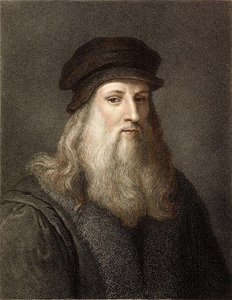
Leonardo Da Vinci
1452 - 1519 , Italia
Pähkinänkuoressa
- Artistic Movement Or Style: High Renaissance
- Artists Or Movements Influenced By This Artist: ['Renaissance art']
- Artists Who Influenced This Artist: ['Andrea del Verrocchio']
- Date Of Birth: 15. huhtikuuta 1452
- Date Of Death: 2. toukokuuta 1519
- Full Name: Leonardo da Vinci
- Nationality: Italialainen
- Notable Artworks:
- Mona Lisa
- The Last Supper
- Place Of Birth: Vinci, Italia
Aiheeseen liittyvät artikkelit
Renaissance-humanismin mestariteokset: Taidetta, joka muutti maailman – OriginalUniqueArt.com
Uppoudu renessanssin humanistisen taiteen maailmaan! Tutustu Leonardo da Vincin, Michelangelon ja Rafaelin mestariteoksiin. Löydä tarinat, tekniikat ja inspiraatio kodin sisustukseen OriginalUniqueArt.comista – museo-laaduiset taidekopiota verkossa.

Leonardo da Vincin 25 mestariteosta: Taidetta kotiisi OriginalUniqueArtilta
Tutustu Leonardo da Vincin 25 mestariteokseen! Uppoudu renessanssin maailmaan Mona Lisan, Viimeisen ehtoollisen ja muiden ikonisten maalausten tarinoihin. Löydä inspiraatiota kotiisi OriginalUniqueArtilta – korkealaatuiset taideteoksien reproduktiot ja sisustusehdotukset. Tutki kokoelma verkossa!

Uffizin 25 mestariteosta: Renessanssin helmet Firenzeen – Taidetta kotiisi OriginalUniqueArtilla
Uppoudu Firenzen Uffizin 25 mestariteokseen! Tutustu Botticellin, Da Vincin ja muiden renessanssin huipputaiteilijoiden tarinoihin. Löydä inspiraatiota sisustukseesi ja korkealaatuiset taideprintit OriginalUniqueArtilla. Explore the full collection online!

Louvren 25 mestariteosta: Taidetta, historiaa ja inspiraatiota kotiisi – OriginalUniqueArt.fi
Tutustu Louvren 25 kuuluisimpaan mestariteokseen! Leonardo da Vincin Mona Lisasta Venukseen de Miloon – taidetta, historiaa ja inspiraatiota kotiisi. Laadukkaat reproduktiot OriginalUniqueArt.comissa. Tutki kokoelma verkossa!
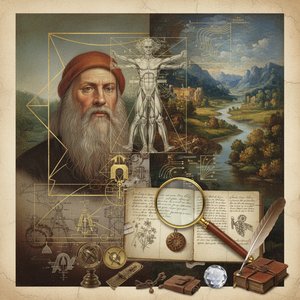
Leonardo da Vinci: A Renaissance Master’s Synthesis of Art, Science & Human Observation – Reinterpreted for the Collector
Explore Leonardo da Vinci’s timeless masterpieces with OriginalUniqueArt. Discover insights into his art, science, and legacy – trusted expertise for discerning collectors seeking authentic reproductions & investment opportunities.