
 Esikatselu
 Jaa
Jaa Jaa
Jaa
 Tarkemmat tiedot

 Lataa
Lataa
 Samanlaisia
 Röntgenkuva
 Diaesitys
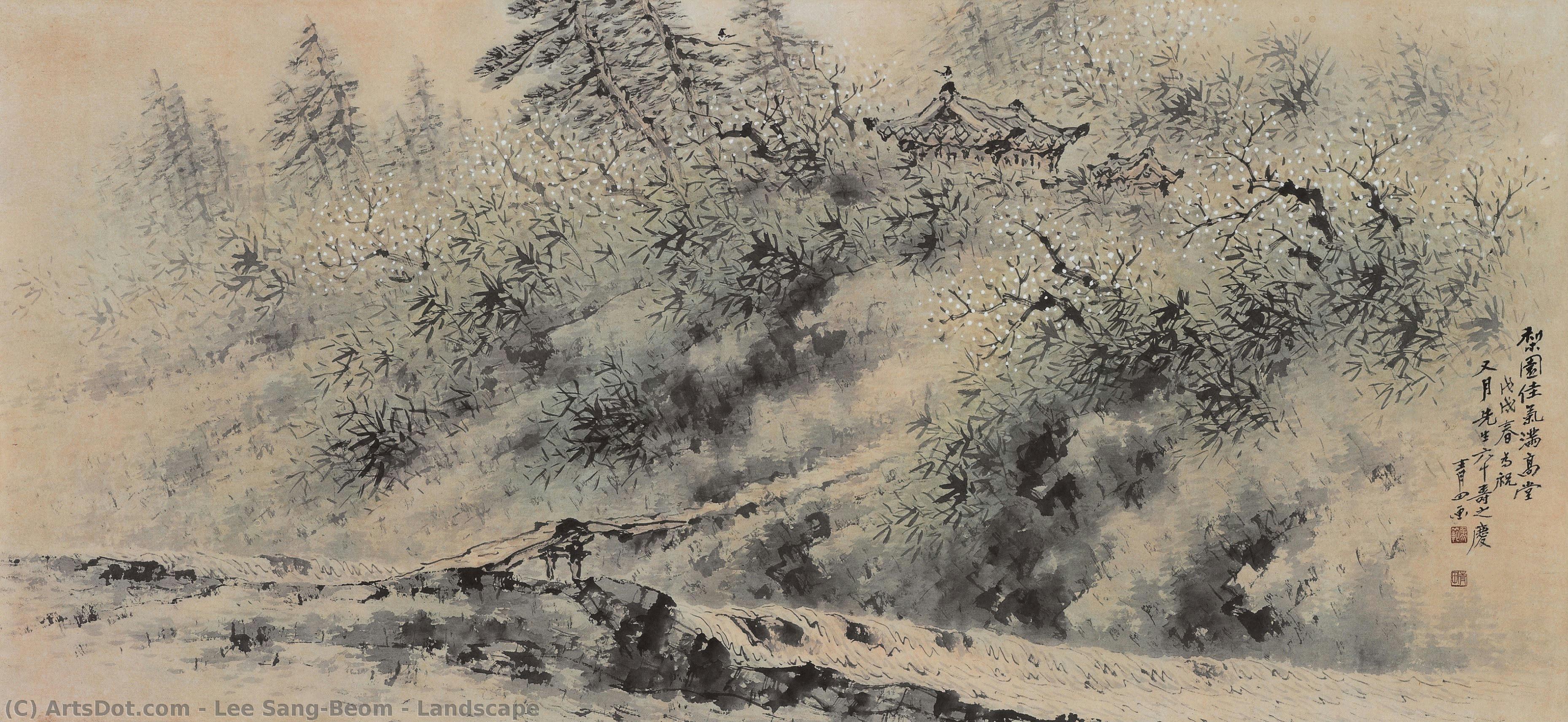
Landscape


 Näytä lisää
Osta korkearesoluutioinen, parannettu digitaalikuva, joka on laadultaan huomattavasti parempi kuin verkkosivuston esikatselu.
Jokainen tiedosto valmistellaan huolellisesti omien asiantuntijoidemme toimesta käyttäen edistyneitä työkaluja ja ammattitaitoista manuaalista retusointia. Varmistamme, että jokaisessa kuvassa on poikkeuksellinen selkeys, tarkka värintoisto ja hienovaraiset yksityiskohdat.
Lopputiedosto toimitetaan sähköpostitse 72 tunnin kuluessa, ja se on optimoitu välittömään käyttöön ammattimaisissa, toimituksellisissa ja painoympäristöissä. Laatu on sama, johon huipputason suunnittelustudiot, kustantajat ja galleriat luottavat.
Digitaalinen kuva
Lataa korkearesoluutioinen tiedosto henkilökohtaiseen näyttelyyn, tulostamiseen ja luoviin projekteihin. ( Osta printti Osta käsintehty maalaus)
Sisältyy jokaiseen digitaalisen kuvan tilaukseen
Asiantunteva digitaalinen toimitus, taattuun laatuun
Kun valitset OriginalUniqueArt.com-palvelun, et saa vain kuvaa – saat ammattimaisesti parannetun digitaalisen taideteoksen, joka on luotu tarkkuudella ja jonka takaa tulee tyytyväisyystakuu. Tässä on kaikki, mitä tilauksesi sisältää, automaattisesti:

Nopea digitaalinen toimitus
Korkearesoluutioinen digitaalinen kuvatiedostosi lähetetään sähköpostiisi 72 tunnin kuluessa tilauksesta – valmiina käytettäväksi välittömästi.

Tekoälyllä parannettu digitaalinen tiedosto
Taiteilijasi teos on optimoitu ammattimaisesti edistyneiden tekoälytyökalujen ja manuaalisen muokkauksen avulla, mikä takaa maksimaalisen yksityiskohtaisuuden, selkeyden ja väritarkkuuden.

Ilmainen elinikäinen uudelleenlähetyspalvelu
Oletko vahingossa poistanut tai kadottanut tiedostosi? Ei hätää – lähetämme sen sinulle uudelleen milloin tahansa täysin maksutta.

Ei tuontimaksuja – koskaan
Nauti taiteestasi välittömästi ilman tulleja, veroja tai toimitusmaksuja – digitaaliset lataukset ovat aina verovapaita.

Värintoiston tarkkuustakuu
Varmistamme, että digitaalinen kuvasi vastaa alkuperäisiä värejä mahdollisimman tarkasti käyttämällä ammattilaistason työkaluja ja värinhallintaa.

60 päivän tyytyväisyystakuu
Jos et ole tyytyväinen digitaaliseen kuvaasi, muokkaamme sitä tai palautamme 100% takaisin 60 päivän kuluessa – ilman kysymyksiä.

100% Rahat takaisin -takuu
Etkö ole tyytyväinen? Saat täyden hyvityksen 60 päivän kuluessa digitaalisen tiedostosi vastaanottamisesta – ilman kyselyitä.

Suurtilaaja-alennukset
Osta 3 kuvaa, säästä 10% - Osta 5, säästä 15% - Osta 10+, säästä 20%. Erinomainen valinta luoviin projekteihin, gallerioille ja toimistoille.
Keräilykohteen kuvaus
Taiteilijan elämäkerta
The Silent Resonance of Ink
In the turbulent dawn of the twentieth century, as Korea grappled with the heavy shadows of colonial rule and a desperate search for national identity, Lee Sang-beom emerged as a master of quiet resistance and profound beauty. His life, spanning from 1897 to 1972, was not merely a chronicle of personal achievement but a mirror to a nation in flux. Through the delicate medium of sumukhwa, or traditional ink wash painting, he bridged the gap between the ancient echoes of the Joseon era and the burgeoning whispers of modern expression. His landscapes are far more than mere topographical records; they are spiritual meditations, where every stroke of black ink against paper serves as a testament to the resilience of the Korean spirit.To look upon his work is to witness a soul navigating the tension between the old world and the new. He captured the essence of a landscape that was simultaneously being lost to history and being rediscovered through a modern lens, creating an oeuvre characterized by serene vistas imbued with a subtle, haunting emotional depth.
Foundations of Light and Philosophy
The artistic DNA of Lee Sang-beom was woven from threads of deep-seated tradition and transformative global influences. His early training under the legendary masters An Jung-sik and Jo Seok-jin provided him with a rigorous foundation in classical techniques, yet his vision was never confined by the boundaries of the past. He breathed in the stoic principles of Confucian philosophy, which instilled in his work an unwavering commitment to balance, harmony, and contemplative stillness.Yet, there was a luminous quality to his evolution, sparked by an encounter with the light-drenched aesthetics of Japanese Impressionism. The evocative use of color and atmosphere found in the works of Hiroshi Yoshida offered him a new vocabulary for capturing the ephemeral nature of the world. This synthesis allowed him to move beyond simple replication, infusing his landscapes with a sense of atmospheric movement that resonated with the changing tides of his era. Even during more experimental chapters of his life, such as the poignant explorations found within his prison paintings, the core of his artistry remained anchored in this profound connection to the natural and the spiritual.
A Legacy Carved in Nature
To gaze upon a Lee Sang-beom landscape is to enter a realm where the physical and the metaphysical converge. His mastery of the brush allowed him to manipulate the weight of ink to evoke the rugged strength of mountains and the fluid grace of flowing water. He frequently returned to motifs that held deep symbolic resonance within Korean culture, using them to communicate themes of endurance and purity:- Pine Trees: Representing unyielding strength and longevity amidst the storms of history.
- Mountains and Mist: Evoking a sense of eternal stability and the sublime mystery of the natural world.
- Flowing Water: A symbol of purity and the relentless, life-giving passage of time.

Lee Sang-beom
1897 - 1972 , South Korea
Lyhyesti esiteltynä
- Artistic Movement Or Style: Ink wash painting
- Date Of Birth: 1897
- Full Name: Lee Sang-beom
- Nationality: Korean
- Notable Artworks:
- Landscape
- Landscape of the Seasons
- Place Of Birth: South Korea

