- Etusivu

- Tuloste kankaalle
- kushiro unsen
- Viewing a Waterfall
 Esikatselu
 Jaa
Jaa Jaa
Jaa
 Tarkemmat tiedot

 Lataa
Lataa
 Samanlaisia
 Röntgenkuva
 Diaesitys
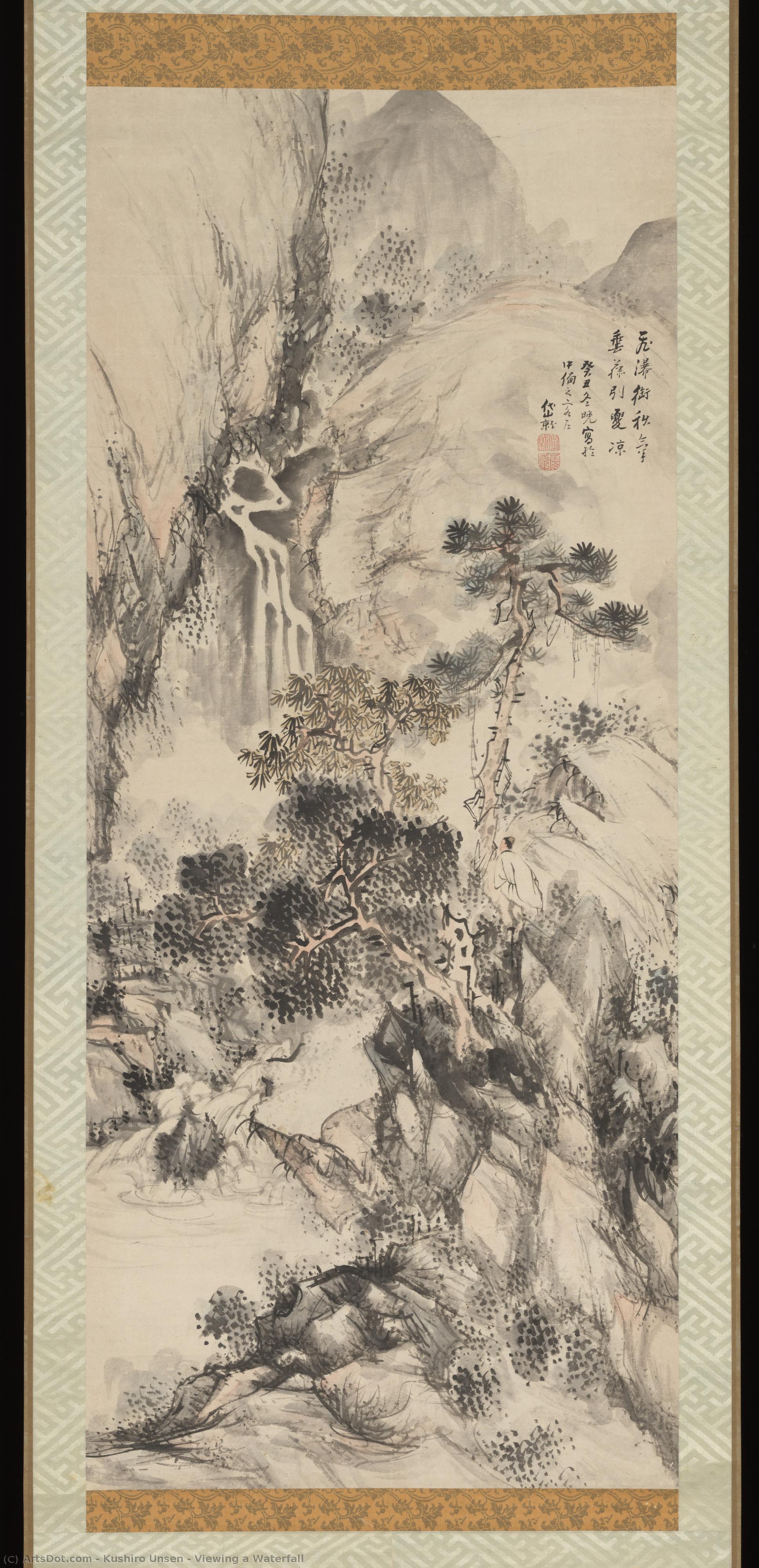
Viewing a Waterfall
 Literati School
 1793
1793 129.0 x 56.0 cm
 Näytä lisää
Giclée-printit ja taideprintit
Museolaatuisia giclée- tai kankaitaulun tulosteita nopealla tuotannolla ja joustavilla viimeistelyvaihtoehdoilla. ( Vaihda käsinmaalattuun versioon Vaihda kuvaksi)




































Valitse valmiista mitoistamme sellaiset, jotka vastaavat teoksen alkuperäisiä mittasuhteita.

Voit syöttää omat mitat sopiaksesi tiettyyn kehykseen tai tilaan. Jos valittu koko ei vastaa alkuperäisen kuvan mittasuhteita, rajaamme teosta tai laajennamme kuvaa peilatulla tai yhtenäisellä reunalla. Digitaalinen mallikuva lähetetään hyväksyttäväksi ennen tuotannon aloittamista.
Huomaathan, että näytöllä näkyvä esikatselu ei vastaa lopullista rajausta tai laajennusta. Vain mallikuva näyttää lopullisen sommittelun tarkasti.
Vaikka räätälöityjä kokoja on saatavilla, suosittelemme valitsemaan mitat valmiista listasta alkuperäisten mittasuhteiden säilyttämiseksi.
Toimitus maailmanlaajuisesti () kahdessa viikossa tavallisen 4–5 viikon sijaan. (4 elokuu)

Ilmainen pikatoimitus ympäri maailman

Korkealaatuinen pellavakangas

Kattava kuljetusvakuutus

Tulliveron palautustakuu

Täydellinen värien vastaavuustakuu

60 päivän palautusoikeus (vain valmistusvirheet)

100% rahat takaisin -takuu

Määräalennus tarjous
 Lasivaihtoehto on saatavilla vain alle 110 cm kokoisina teoksina

Viewing a Waterfall
Giclée-printit ja taideprintit
Replikaatin koko
-


Kokonaishinta
$ 80
Teoksen kuvaus
Taiteilijan elämäkerta
Kushiro Unsen: A Vision of Tranquility Amidst Turbulent Times
Kushiro Unsen (釧雲泉, 1759 – 1811) stands as a singular figure in Japanese landscape painting, embodying the aesthetic ideals of Edo-period Japan—a period marked by social stratification, political intrigue, and burgeoning commercial activity. Unlike many artists of his era who sought patronage from powerful clans or focused on grand historical narratives, Unsen cultivated a deeply personal style rooted in Zen Buddhism and characterized by an unparalleled sensitivity to atmospheric conditions.
Born in Nagasaki, Unsen’s early life remains shrouded in some mystery. He apprenticed under Chinese painters, absorbing techniques that emphasized subtle tonal gradations and meticulous brushwork—a hallmark of Ming Dynasty landscape art. However, he swiftly rejected the conventions of formal portraiture and historical painting, opting instead for a contemplative approach to capturing the beauty of the natural world.
- Early Influences: Unsen’s formative years coincided with Nagasaki's role as Japan’s gateway to Western trade. Exposure to European art and ideas undoubtedly broadened his artistic horizons, though he skillfully filtered these influences through his own Zen worldview.
- Zen Buddhism & Artistic Philosophy: Unsen’s unwavering devotion to Zen profoundly shaped his artistic sensibilities. He believed that true beauty resided in capturing the essence of nature—its impermanence and interconnectedness—rather than merely reproducing its outward appearance. This conviction fueled his relentless pursuit of achieving “wu wei,” or effortless action, mirroring the Buddhist ideal of aligning oneself with the natural flow of existence.
- Technique & Style: Unsen’s distinctive style is instantly recognizable by its masterful use of atmospheric perspective—particularly mist and haze—to create a sense of depth and luminosity. He employed delicate brushstrokes and subtle color palettes to convey mood and emotion, prioritizing tonal harmony over vibrant hues. His landscapes are renowned for their serene stillness and evocative beauty.
Unsen’s prolific output spanned several decades, producing approximately 300 paintings—a remarkable feat considering the constraints of his time. He primarily focused on depicting mountainous regions surrounding Nagasaki Prefecture, capturing scenes of misty valleys, snow-capped peaks, and tranquil lakes. Recurring motifs included pine trees, plum blossoms, and cranes—symbols laden with Buddhist significance representing longevity and aspiration.
- Notable Works: Among his most celebrated paintings are “Pine Trees Over Lake” (松林湖上), “Snowy Mount Fuji” (雪富士), and “Autumn Landscape” (秋景). These works exemplify Unsen’s mastery of atmospheric perspective and tonal harmony, transporting viewers to breathtaking vistas imbued with spiritual resonance.
- Legacy & Significance: Kushiro Unsen's influence extends far beyond his own lifetime. He is considered one of the foremost landscape painters of the Edo period and a pivotal figure in establishing Japanese landscape painting as an independent genre—distinct from portraiture or calligraphy. His unwavering commitment to Zen aesthetics continues to inspire artists today, reminding us that true beauty lies not merely in visual splendor but also in profound contemplation.
Unsen’s artistic legacy resides not only in his stunning paintings but also in his contribution to the philosophical underpinning of Japanese art. He championed a vision of nature as a source of spiritual enlightenment—a perspective that resonates powerfully with contemporary concerns about environmental stewardship and mindfulness. Kushiro Unsen remains an enduring testament to the transformative power of art and its capacity to elevate our understanding of the world around us.

kushiro unsen
1759 - 1811 , Japan
Pikatiedot
- Artistic Movement Or Style: Landscape Painting
- Artists Or Movements Influenced By This Artist: ['Romanticism']
- Artists Who Influenced This Artist: ['Chinese Painters']
- Date Of Birth: 1759
- Full Name: Kushiro Unsen
- Nationality: Japanese
- Notable Artworks: ['The Moonlit Landscape']
- Place Of Birth: Nagasaki, Japan
Liittyvät artikkelit

Katsushika Hokusain 25 mestariteosta: Ukiyo-e taidetta ja sisustuksen inspiraatiota
Tutustu Katsushika Hokusain 25 mestariteokseen! Ukiyo-e taidetta, Fuji-vuori ja ikoninen Suuri aalto Kanagawassa. Löydä japanilaisen estetiikan kauneus ja inspiroi sisustusta museolaatuisilla taideprintteillä OriginalUniqueArt.comissa.

Ephemeral Expressions: Exploring the Nuances of Ink on Paper Through History & Contemporary Art
Explore the captivating world of ink wash painting – from its ancient origins to contemporary masters. Discover techniques, symbolism & conservation insights with OriginalUniqueArt.com.
Claude Monet: 25 mestariteosta valokuvauksellisiin sisustuksiin – OriginalUniqueArt.com
Tutustu Claude Monet'n 25 mestariteokseen! Uppoudu impressionismin maailmaan, vesililyistä Rouenin katedraaliin. Löydä taideprintit ja inspiraatiota sisustukseesi OriginalUniqueArt.comista. Tutki kokoelma verkossa!

Paul Cézannen 25 mestariteosta: Taidetta kotiisi – OriginalUniqueArt.com
Tutustu Paul Cézannen 25 vaikuttavinta mestariteosta! Postimpressionismin huipputeoksia, still life -maalauksia ja ikonisia maisemia. Löydä taiteen tarinat ja inspiroi kotisi sisustusta OriginalUniqueArt.com:ssa. Tutki kokoelma verkossa!
Häätunnelman ikuistaminen taiteella: Muistoja maisemamaalauksista hääpäivään
Ikuista hääpäivänne tunnelma upealla maisemamaalauksella! Tilaa henkilökohtainen taideteos :sta ja säilytä muistot ikuisesti. Laadukkaat tilaustyöt ammattitaiteilijoilta.

