
 Esikatselu
 Jaa
Jaa Jaa
Jaa
 Tarkemmat tiedot

 Lataa
Lataa
 Samanlaisia
 Röntgenkuva
 Diaesitys
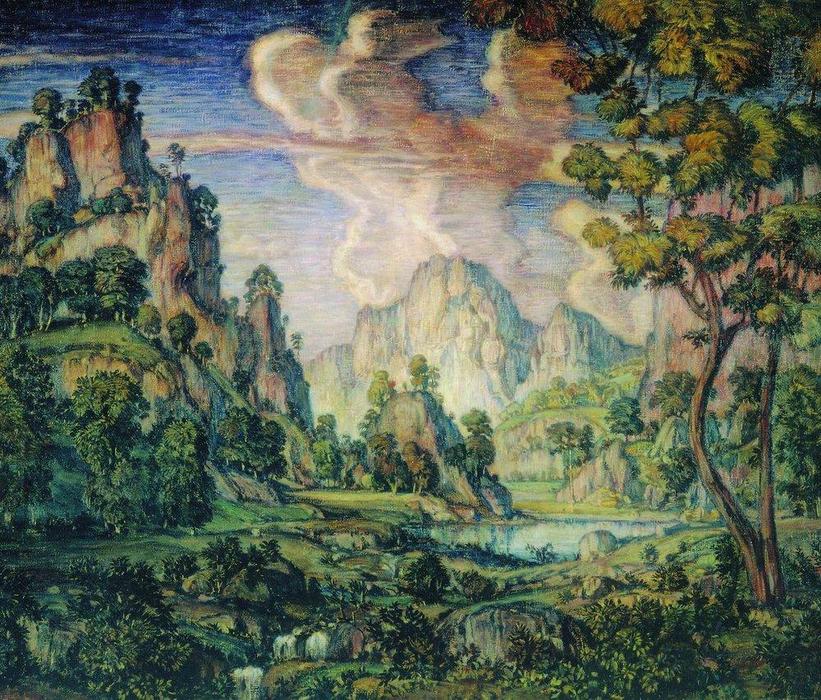
Classical Landscape


 Näytä lisää
Giclée-printit ja taideprintit
Museolaatuisia giclée- tai kankaitaulun tulosteita nopealla tuotannolla ja joustavilla viimeistelyvaihtoehdoilla. ( Osta käsintehty maalaus Osta kuva)




































Valitse valmiista mitoistamme sellaiset, jotka vastaavat teoksen alkuperäisiä mittasuhteita.

Voit syöttää omat mitat sopiaksesi tiettyyn kehykseen tai tilaan. Jos valittu koko ei vastaa alkuperäisen kuvan mittasuhteita, rajaamme teosta tai laajennamme kuvaa peilatulla tai yhtenäisellä reunalla. Digitaalinen mallikuva lähetetään hyväksyttäväksi ennen tuotannon aloittamista.
Huomaathan, että näytöllä näkyvä esikatselu ei vastaa lopullista rajausta tai laajennusta. Vain mallikuva näyttää lopullisen sommittelun tarkasti.
Vaikka räätälöityjä kokoja on saatavilla, suosittelemme valitsemaan mitat valmiista listasta alkuperäisten mittasuhteiden säilyttämiseksi.
Toimitus maailmanlaajuisesti () kahdessa viikossa tavallisen 4–5 viikon sijaan. (14 elokuu)

Ilmainen pikatoimitus ympäri maailman

Korkealaatuinen pellavakangas

Kattava kuljetusvakuutus

Tulliveron palautustakuu

Täydellinen värien vastaavuustakuu

60 päivän palautusoikeus (vain valmistusvirheet)

100% rahat takaisin -takuu

Määräalennus tarjous
 Lasivaihtoehto on saatavilla vain alle 110 cm kokoisina teoksina

Classical Landscape
Giclée-printit ja taideprintit
Replikaatin koko
-


Kokonaishinta
$ 80
Teoksen kuvaus
Artistic Influences and Style
Konstantin Fyodorovich Bogaevsky's work was influenced by prominent artists such as Claude Lorrain and Andrea Mantegna. His unique style, characterized by dreamlike landscapes, has drawn comparisons to Nicholas Roerich. The Classical Landscape is a testament to Bogaevsky's ability to craft captivating and imaginative scenes that invite viewers to step into his world.The painting's symbolism is multifaceted, with elements such as the mountains, trees, and water representing the harmony between nature and humanity. The presence of sheep and horses adds a sense of tranquility and balance to the scene. Konstantin Fyodorovich Bogaevsky's use of Symbolism creates a rich and thought-provoking experience for the viewer.
Acquiring a Masterpiece
For art enthusiasts and collectors, OriginalUniqueArt.com offers handmade oil painting reproductions of Konstantin Fyodorovich Bogaevsky's Classical Landscape. These exquisite reproductions, created using high-quality materials and techniques, allow art lovers to own a piece of history. Visit OriginalUniqueArt.com's Konstantin Fyodorovich Bogaevsky gallery to explore more of the artist's works and discover the beauty of Symbolism.- Discover more about Konstantin Fyodorovich Bogaevsky on Wikipedia
- Explore Konstantin Fyodorovich Bogaevsky's artworks on OriginalUniqueArt.com
- Learn about the Imperial Academy of Arts, where Konstantin Fyodorovich Bogaevsky studied, on Wikipedia
The Classical Landscape is a masterpiece that showcases Konstantin Fyodorovich Bogaevsky's unique style and artistic vision. With its captivating scenery and symbolic elements, this painting is a must-have for any art enthusiast or collector. Visit OriginalUniqueArt.com to explore more handmade oil painting reproductions and discover the beauty of Symbolism.
Taiteilijan elämäkerta
A Dreamer of Crimea: The Evocative World of Konstantin Bogaevsky
Konstantin Fyodorovich Bogaevsky, born in 1872 in the Crimean port city of Feodosia, was an artist whose work exists suspended between reality and reverie. His canvases aren’t merely depictions of landscapes; they are portals to “Bogaevia,” a fantastical realm born from his imagination, steeped in symbolism, and profoundly influenced by both the natural beauty of his homeland and the artistic currents sweeping through Europe at the turn of the 20th century. Bogaevsky's story is one of early struggle, persistent vision, and ultimately, lasting recognition as a key figure in Russian Symbolism. His lineage itself was a blend of cultures – descended from an old Italian-German family with Genoese roots – perhaps foreshadowing his own artistic synthesis of diverse influences. From his earliest lessons with the renowned marine painter Ivan Aivazovsky, Bogaevsky demonstrated a sensitivity to light and atmosphere that would become hallmarks of his style. However, his path wasn’t immediately assured; initial studies at the Imperial Academy of Arts in St. Petersburg were met with skepticism, even temporary dismissal for perceived lack of talent. It was the unwavering support of Arkhip Kuindzhi, another master of landscape, that allowed him to persevere and ultimately hone his skills.The Shaping of a Vision: Italy, Symbolism, and ‘Bogaevia’
A pivotal moment in Bogaevsky's artistic development came with travels to Italy and France in 1898. While he absorbed the lessons of various masters, it was Claude Lorrain who profoundly resonated with him, becoming, as Bogaevsky declared, his “true teacher.” Lorrain’s classical landscapes, bathed in golden light and imbued with a sense of idyllic calm, provided a foundation upon which Bogaevsky would build his own unique vision. However, he didn't simply imitate; instead, he began to infuse his work with the burgeoning spirit of Symbolism. This movement, rejecting realism in favor of subjective experience and emotional resonance over realistic representation, found fertile ground in Bogaevsky’s imagination. He started creating imaginary landscapes—the aforementioned “Bogaevia,” or ‘land of Bogaevsky’—populated by ancient ruins, fantastical architecture, and an ethereal light that hinted at hidden meanings. These weren't mere escapist fantasies; they were explorations of the subconscious, reflections on history, and meditations on the human condition. A later visit to Italy in 1911 brought a new influence: the powerful compositions and dramatic perspective of Andrea Mantegna, which further refined his approach to form and structure. The artist’s unique world wasn't simply invented; it was *felt*, a distillation of Crimean history, personal longing, and artistic inspiration coalescing into something wholly original.Crimean Roots and Artistic Circles
Bogaevsky’s early life in Feodosia profoundly shaped his artistic vision. Born amidst the rugged coastline and ancient ruins of Crimea, he developed an intimate connection to the land—its dramatic landscapes, its layered history, and its evocative atmosphere. This connection is evident throughout his work, where elements of Cimmerian legend, Byzantine architecture, and the stark beauty of the Crimean steppe are interwoven with dreamlike imagery and symbolic motifs. He was deeply influenced by the *Peredvizhniki*, a group of Russian realist artists who championed social justice and depicted life in rural Russia. However, Bogaevsky’s work transcended mere realism, delving into the realm of symbolism and introspection. His artistic circle included prominent figures such as Alexander Grin, the celebrated author of fantastical tales; Marina Tsvetaeva, the passionate poet; and Osip Mandelstam, the enigmatic modernist writer—all drawn to the artistic haven that Crimea had become. These connections weren’t merely social; they were intellectual and creative exchanges that fueled Bogaevsky's imagination and contributed to his recognition within the Russian avant-garde.Key Characteristics and Influences
- Symbolism: Bogaevsky was deeply influenced by the Symbolist movement, prioritizing subjective experience and emotional resonance over realistic representation. His landscapes are imbued with hidden meanings and symbolic imagery.
- Influence of Claude Lorrain: The classical landscapes of Lorrain, characterized by golden light and idyllic calm, provided a foundational influence on Bogaevsky’s style.
- The Creation of ‘Bogaevia’: Bogaevsky's most distinctive contribution was the creation of “Bogaevia,” an imaginary world populated with ancient ruins and fantastical architecture, reflecting his inner landscape and artistic vision.
- Crimean Landscape as Inspiration: The natural beauty of Crimea served as a constant source of inspiration for Bogaevsky, shaping the atmosphere and mood of his paintings.
- Connection to Russian Intellectual Circles: His friendships with prominent writers and artists like Alexander Grin and Marina Tsvetaeva enriched his artistic perspective and contributed to his recognition within the Russian avant-garde.
Later Years and Enduring Legacy
The tumultuous events of the early 20th century – World War I, the Russian Revolution – profoundly impacted Bogaevsky’s life and work. Following the revolution, he retreated into relative obscurity, continuing to paint but largely removed from the center of artistic discourse. Interestingly, his later work, *Port of an Imaginary City* (1932), found a degree of acceptance within the framework of Socialist Realism, demonstrating a surprising adaptability in his style. He died in his beloved Feodosia in 1943 during World War II, a poignant end to a life dedicated to artistic vision. Today, Konstantin Fyodorovich Bogaevsky is remembered as a significant Russian Symbolist painter whose evocative landscapes and unique creation of “Bogaevia” bridge Romanticism with the early modern artistic trends. His work continues to resonate with viewers captivated by its dreamlike quality, historical allusions, and profound emotional depth. Bogaevsky’s legacy lies not only in his technical skill but also in his ability to transport viewers to a realm where imagination reigns supreme.Key Works
* “Crimean Landscape” (1924) * “Tropical Landscape” * “Sea Shore” * “South Country. Cave Town” * “Port of an Imaginary City” (1932)
Konstantin Fyodorovich Bogaevsky
1872 - 1943 , Ukraina
Pikatiedot
- Artistic Movement Or Style: Symbolismi
- Artists Or Movements Influenced By This Artist: ['Mir iskusstva']
- Artists Who Influenced This Artist:
- Ivan Aivazovski
- Arkhip Kuindzhi
- Claude Lorrain
- Andrea Mantegna
- Date Of Birth: 1872
- Date Of Death: 1943
- Full Name: Konstantin Fjodorovitš Bogajevski
- Nationality: Ukrainalainen/Venäläinen
- Notable Artworks:
- Merenranta
- Etelänmaa. Kivikkoluola
- Imaisten kaupungin satama
- Place Of Birth: Feodosija, Ukraina

