
 Tilaa painos Tilaa maalaus
 Jaa
Jaa
 Jaa
Jaa
 Tarkemmat tiedot
 Lisää suosikkeihin

 Lataa
Lataa
 Samanlaisia
 Röntgenkuva
 Diaesitys
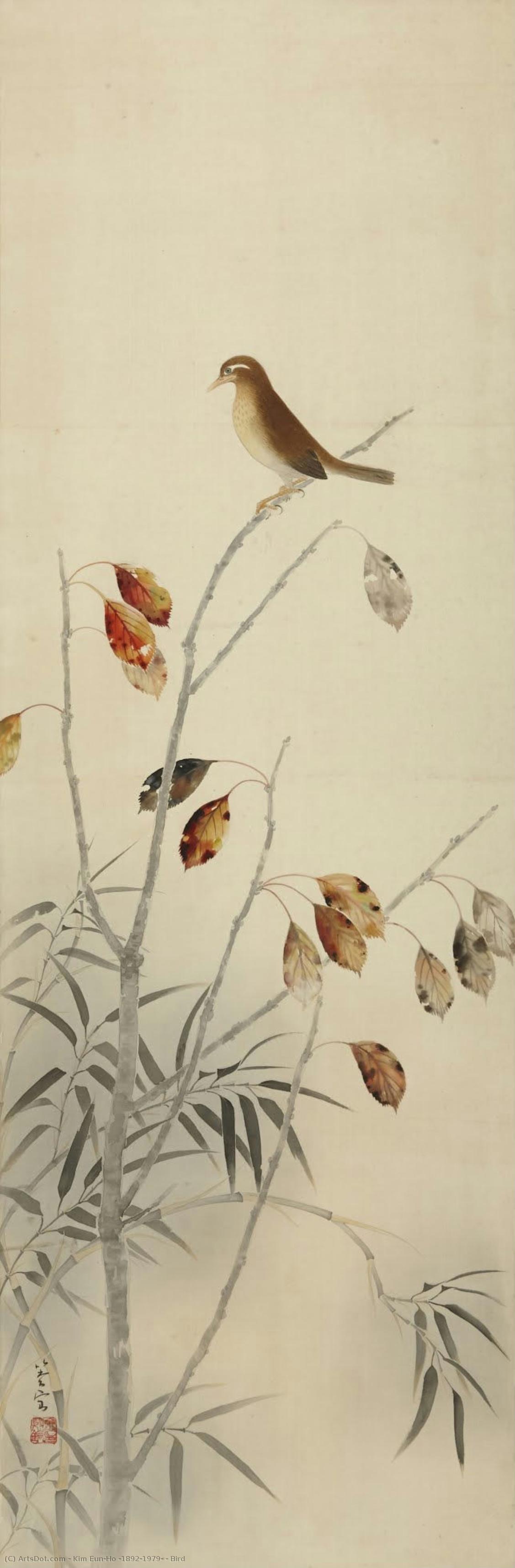
Bird
 1926
1926 130.0 x 43.0 cm
 Ewha Womans University Museum
 Näytä lisää
Osta korkearesoluutioinen, parannettu digitaalikuva, joka on laadultaan huomattavasti parempi kuin verkkosivuston esikatselu.
Jokainen tiedosto valmistellaan huolellisesti omien asiantuntijoidemme toimesta käyttäen edistyneitä työkaluja ja ammattitaitoista manuaalista retusointia. Varmistamme, että jokaisessa kuvassa on poikkeuksellinen selkeys, tarkka värintoisto ja hienovaraiset yksityiskohdat.
Lopputiedosto toimitetaan sähköpostitse 72 tunnin kuluessa, ja se on optimoitu välittömään käyttöön ammattimaisissa, toimituksellisissa ja painoympäristöissä. Laatu on sama, johon huipputason suunnittelustudiot, kustantajat ja galleriat luottavat.
Digitaalinen kuva
Lataa korkearesoluutioinen tiedosto henkilökohtaiseen näyttelyyn, tulostamiseen ja luoviin projekteihin.
Sisältyy jokaiseen digitaalisen kuvan tilaukseen
Asiantunteva digitaalinen toimitus, taattuun laatuun
Kun valitset OriginalUniqueArt.com-palvelun, et saa vain kuvaa – saat ammattimaisesti parannetun digitaalisen taideteoksen, joka on luotu tarkkuudella ja jonka takaa tulee tyytyväisyystakuu. Tässä on kaikki, mitä tilauksesi sisältää, automaattisesti:

Nopea digitaalinen toimitus
Korkearesoluutioinen digitaalinen kuvatiedostosi lähetetään sähköpostiisi 72 tunnin kuluessa tilauksesta – valmiina käytettäväksi välittömästi.

Tekoälyllä parannettu digitaalinen tiedosto
Taiteilijasi teos on optimoitu ammattimaisesti edistyneiden tekoälytyökalujen ja manuaalisen muokkauksen avulla, mikä takaa maksimaalisen yksityiskohtaisuuden, selkeyden ja väritarkkuuden.

Ilmainen elinikäinen uudelleenlähetyspalvelu
Oletko vahingossa poistanut tai kadottanut tiedostosi? Ei hätää – lähetämme sen sinulle uudelleen milloin tahansa täysin maksutta.

Ei tuontimaksuja – koskaan
Nauti taiteestasi välittömästi ilman tulleja, veroja tai toimitusmaksuja – digitaaliset lataukset ovat aina verovapaita.

Värintoiston tarkkuustakuu
Varmistamme, että digitaalinen kuvasi vastaa alkuperäisiä värejä mahdollisimman tarkasti käyttämällä ammattilaistason työkaluja ja värinhallintaa.

60 päivän tyytyväisyystakuu
Jos et ole tyytyväinen digitaaliseen kuvaasi, muokkaamme sitä tai palautamme 100% takaisin 60 päivän kuluessa – ilman kysymyksiä.

100% Rahat takaisin -takuu
Etkö ole tyytyväinen? Saat täyden hyvityksen 60 päivän kuluessa digitaalisen tiedostosi vastaanottamisesta – ilman kyselyitä.

Suurtilaaja-alennukset
Osta 3 kuvaa, säästä 10% - Osta 5, säästä 15% - Osta 10+, säästä 20%. Erinomainen valinta luoviin projekteihin, gallerioille ja toimistoille.
Keräilykohteen kuvaus
Taiteilijan elämäkerta
Kim Eun-ho: Bridging Tradition and Modernity in Korean Painting
Kim Eun-ho (1892–1979) stands as a pivotal figure in the evolution of Korean painting, a master who skillfully navigated the complexities of tradition and modernity during a period of profound cultural transformation. Born in Incheon, Korea, his artistic journey was deeply intertwined with the tumultuous events of Japanese colonial rule and the subsequent struggle for independence. Eun-ho’s legacy isn't simply one of technical skill; it’s a testament to his ability to synthesize influences—particularly from Nihonga (Japanese painting) – while retaining a distinctly Korean sensibility, ultimately shaping the trajectory of Korean art in the 20th century.Early Life and Artistic Training
Eun-ho's early life was marked by both privilege and hardship. He received a solid education, initially studying calligraphy and then pursuing painting at the Kyongsong School of Calligraphy and Painting, an institution established to train Korean artists in the Western tradition. This school, under the guidance of Yun Yeong-gi, provided Eun-ho with a foundational understanding of artistic principles, but crucially, it also exposed him to the burgeoning influence of Nihonga – a style characterized by its emphasis on brushwork, atmospheric perspective, and a rejection of Western academic techniques. Following his graduation in 1915, he traveled to Tokyo, where he further honed his skills at the Tokyo School of Fine Arts, immersing himself in Japanese artistic practices and developing a deep appreciation for the nuances of Nihonga. This period was instrumental in shaping his distinctive style, blending Korean aesthetics with the meticulous techniques of his Japanese mentors.The Influence of Nihonga and the Joseon Art Exhibition
Eun-ho’s embrace of Nihonga proved to be a defining characteristic of his artistic career. He skillfully adopted its emphasis on direct brushwork, simplified forms, and a focus on capturing the essence of subjects rather than meticulously rendering every detail. This approach resonated deeply with Korean artists seeking to assert their own identity within the context of Japanese colonial rule. Crucially, Eun-ho’s work gained recognition through the prestigious Joseon Art Exhibition (Chōsen misul jeollamhoe), established by the Japanese government in 1922. This exhibition served as a key platform for showcasing Korean art and determining its official categorization – traditionally divided into ‘Oriental’ (Dongyanghwa) and ‘Western’ styles. Eun-ho's consistent inclusion in this exhibition, particularly within the Dongyanghwa section, solidified his position as a leading figure in the Korean art world and provided him with invaluable exposure. However, it also highlighted the inherent complexities of navigating an artistic landscape shaped by colonial control.Subject Matter and Artistic Style: Women, Nature, and Symbolism
Eun-ho’s paintings frequently centered on themes of femininity, domesticity, and the natural world. He was particularly renowned for his depictions of women – often portrayed in serene, contemplative poses, engaged in everyday activities such as raising children or tending to their gardens. These images weren't simply portraits; they were imbued with a sense of quiet dignity and timeless beauty, reflecting a traditional Korean ideal of womanhood. Alongside these intimate scenes, Eun-ho also produced landscapes that captured the essence of Korea’s diverse scenery – mountains, rivers, and forests rendered with a delicate balance of color and brushwork. His style was characterized by its subtle gradations of tone, meticulous attention to detail, and a masterful command of ink and color. He frequently employed a muted palette, creating an atmosphere of tranquility and introspection.Postwar Recognition and Legacy
Following Korea’s liberation in 1945, Eun-ho continued to paint, adapting his style to reflect the changing political and social landscape. He became a significant influence on subsequent generations of Korean artists, particularly those who sought to establish a distinctly “Korean” artistic identity. His work was exhibited both domestically and internationally, earning him recognition as one of Korea’s most important painters. Despite controversies surrounding some of his earlier works produced during the colonial period – specifically paintings that glorified Japanese imperialism – Eun-ho's contributions to Korean painting remain undeniable. He demonstrated a remarkable ability to synthesize diverse influences, creating a body of work that is both deeply rooted in tradition and remarkably forward-looking. Kim Eun-ho’s legacy endures as a testament to the power of art to transcend political boundaries and express universal human experiences. His paintings continue to be studied and admired for their beauty, technical skill, and profound cultural significance.
kim eun-ho (1892-1979)
1892 - 1979 , South Korea
Lyhyesti esiteltynä
- Artistic Movement Or Style: Nihonga, Eastern painting
- Artists Or Movements Influenced By This Artist: ['Japanese nihonga']
- Artists Who Influenced This Artist:
- Yun Yeong-gi
- Kim Ki-chang
- Date Of Birth: June 24, 1892
- Date Of Death: February 7, 1979
- Full Name: Kim Eun-ho
- Nationality: Korean
- Notable Artworks:
- Bird
- White Crane Mural
- Place Of Birth: Haksan-ri, Incheon, Korea

