Valikko

() ·

A painting made for you, by hand

Laundress

Käsinmaalattu öljyvärinen jäljennös

Käsinmaalattu öljyväri kankaalle haluamassasi koossa ja kehyksissä, taiteilijoidemme valmistamana tilauksesta. ( Vaihda tulosteeseen Siirry digitaaliseen kuvaan)

Keräilykohteen kuvaus

Kazimir Malevich's 'Laundress' captures a poignant moment of daily life through bold lines and muted tones, embodying Expressionism’s raw emotion and Suprematism’s geometric essence.

Taiteilijan elämäkerta

Kazimir Malevitš (1879-1935): Ukrainan abstraktin taiteen pioneeri, tunnettu mustasta neliöstä ja puhdasta tunnetta korostavasta Suprematismista. Tutustu ikonisiin teoksiin!

from ·

Chapter 1

How large should it be?

Slide to change the size; the picture on the left shows the frame at its real width. The proportions of the original are kept.

Vakiokoko
räätälöity
CM
INCH

Valitse valmiista mitoistamme sellaiset, jotka vastaavat teoksen alkuperäisiä mittasuhteita.

leveys
korkeus

Kirjoita tarvitsemasi leveys ja korkeus, jotta teos sopii kehyksiisi tai seinällesi. Koska kyseessä on käsinmaalattu teos, taiteilija voi maalata hieman enemmän kuvan ympärille tai rajata sitä hieman, jos haluat eri muotoisen koon — valinta on sinun. Lähetämme sinulle digitaalisen mallikuvan hyväksyttäväksi ennen kuin maalaus alkaa. Tällä sivulla näkyvä kuva ei vastaa lopullista tulosta — vain mallikuva näyttää sen.

Chapter 2

How should it arrive?

Choose the edges of the stretched canvas

Choose your frame

Corner sample of the WhiteWrap canvas edge finish, stretched on massiivipuu bars
White €1
Corner sample of the BlurSideWrap canvas edge finish, stretched on massiivipuu bars
Blurside €1
Corner sample of the ExtendedWrap canvas edge finish, stretched on massiivipuu bars
Extended €1
Corner sample of the P118B picture frame: valettu polystyreeni, 5 cm wide and 3 cm thick
P118B €10
Corner sample of the P118H picture frame: valettu polystyreeni, 5 cm wide and 3 cm thick
P118H €10
Corner sample of the P118W picture frame: valettu polystyreeni, 5 cm wide and 3 cm thick
P118W €10
Corner sample of the P438Z picture frame: valettu polystyreeni, 5.5 cm wide and 3.5 cm thick
P438Z €10
Corner sample of the P508JH picture frame: valettu polystyreeni, 7 cm wide and 3.5 cm thick
P508JH €12
Corner sample of the P508YH picture frame: valettu polystyreeni, 7 cm wide and 3.5 cm thick
P508YH €12
Corner sample of the P805H picture frame: valettu polystyreeni, 5 cm wide and 3.5 cm thick
P805H €10
Corner sample of the P805Z picture frame: valettu polystyreeni, 5 cm wide and 3.5 cm thick
P805Z €10
Corner sample of the P919BZ picture frame: valettu polystyreeni, 7 cm wide and 3.5 cm thick
P919BZ €10
Corner sample of the P919G picture frame: valettu polystyreeni, 7 cm wide and 3.5 cm thick
P919G €10
Corner sample of the P919XJ picture frame: valettu polystyreeni, 7 cm wide and 3.5 cm thick
P919XJ €10
Corner sample of the P959ZH picture frame: valettu polystyreeni, 5 cm wide and 3 cm thick
P959ZH €10
Corner sample of the P968JZ picture frame: valettu polystyreeni, 6 cm wide and 4 cm thick
P968JZ €12
Corner sample of the W106C picture frame: massiivipuu, 5 cm wide and 3 cm thick
W106C €8
Corner sample of the W218G picture frame: massiivipuu, 5 cm wide and 3 cm thick
W218G €10
Corner sample of the W218JH picture frame: massiivipuu, 5 cm wide and 3 cm thick
W218JH €8
Corner sample of the W218Y picture frame: massiivipuu, 5 cm wide and 3 cm thick
W218Y €10
Corner sample of the W307PJ picture frame: massiivipuu, 6 cm wide and 3 cm thick
W307PJ €10
Corner sample of the W316G picture frame: massiivipuu, 6 cm wide and 3 cm thick
W316G €10
Corner sample of the W316PJ picture frame: massiivipuu, 6 cm wide and 3 cm thick
W316PJ €8
Corner sample of the W316Y picture frame: massiivipuu, 6 cm wide and 3 cm thick
W316Y €10
Corner sample of the W398PJ picture frame: massiivipuu, 5 cm wide and 3 cm thick
W398PJ €8
Corner sample of the W4111J picture frame: massiivipuu, 6.5 cm wide and 3.5 cm thick
W4111J €10
Corner sample of the W500HY picture frame: massiivipuu, 7 cm wide and 5 cm thick
W500HY €15
Corner sample of the W500JH picture frame: massiivipuu, 7 cm wide and 5 cm thick
W500JH €15
Corner sample of the W692G picture frame: massiivipuu, 8 cm wide and 4 cm thick
W692G €12
Corner sample of the W849H picture frame: massiivipuu, 5 cm wide and 3 cm thick
W849H €8
Corner sample of the W940BG picture frame: massiivipuu, 7.5 cm wide and 4.5 cm thick
W940BG €15
Corner sample of the W953PJ picture frame: massiivipuu, 6 cm wide and 3.5 cm thick
W953PJ €8
Corner sample of the H24-GOLD picture frame: kaiverrettua puuta ja gessoa, 10 cm wide and 6 cm thick
H24-GOLD €30
Corner sample of the H24-SILVER picture frame: kaiverrettua puuta ja gessoa, 10 cm wide and 6 cm thick
H24-SILVER €30
Corner sample of the H36-GOLD picture frame: kaiverrettua puuta ja gessoa, 15 cm wide and 6.5 cm thick
H36-GOLD €45
Corner sample of the H36-SILVER picture frame: kaiverrettua puuta ja gessoa, 15 cm wide and 6.5 cm thick
H36-SILVER €45
Kehyksen esikatselu
Kehystetty

Moulding: . Overall size with the frame: .

Chapter 3

Who paints it, and should anything change?

Examples of what can be changed: Replace face with customer photo; Add pet (e.g., replace cat with dog); Include hidden message in background; Change background landscape or elements.
After order, OriginalUniqueArt.com team will email client for instructions and provide a mockup preview

Maailmanlaajuinen toimitus () 3–4 viikossa tavallisen 5 viikon sijaan. (31 lokakuu). Laadusta ei tingitä.

Chapter 4

The finishing touches

A nameplate, as in a museum?

Kaiverretun pronssilaatan tiedot

This elegant plaque features the artist's name and the title of the artwork, finely engraved for a timeless presentation.

It is made from bronze with a refined, elegant finish. The text is precisely laser-engraved for a sharp and permanent result. Measuring 9x2 cm, the plaque is compact yet easy to read. It's built to be durable and scratch-resistant, offering a professional, museum-quality look. Mounting is simple thanks to the included adhesive backing.

Läpinäkyvän akryylilaatan tiedot

The plaque includes essential engraved details such as the artist's name, the title of the artwork, the date it was created, the type of media used-like oil on canvas or watercolor-a brief description of the piece, and a QR code that links to the complete artwork information.

It is crafted from clear acrylic, offering a sleek, modern appearance. The text is UV-engraved in black to ensure strong visual contrast. With a size of 10x15 cm, it ensures optimal readability. It comes equipped with two metal hooks for secure wall mounting. The plaque is designed to be weather-resistant, making it suitable for various environments, and it includes interactive features that work seamlessly with smartphone scanning.

Mustan akryylilaatan tiedot

This elegant plaque includes engraved information such as the artist's name, the title of the artwork, the date it was created, the type of media used (like oil on canvas or watercolor), a short description of the artwork, and a QR code for quick access to more information.

The plaque itself is made from refined black acrylic with a premium finish. The text is laser-engraved in white for high contrast and readability. Its size is 10x15 cm, designed to be easy to read. It comes with two metal hooks for professional mounting. The design is sleek and fits any interior style. It is also weather-resistant and durable, with built-in digital integration for mobile compatibility.

A protective varnish?

When do you need it?

Chapter 5

Your painting, as you ordered it

Laundress

Reproduktiotekniikka

Replikaatin koko

-

Kokenut huipputaiteilija

Lisää yksityiskohtia, hienostuneisuutta ja enemmän aikaa tuotantoon

-

Reproduktion kehystysvaihtoehdot

-

-

Teoksille tai reproduktioille, joiden mikä tahansa sivu on suurempi kuin 105 cm (noin 41 tuumaa), kehys toimitetaan osina purettuna sarjana. Tämä menetelmä varmistaa turvallisen toimituksen ja ehkäisee vaurioita kuljetuksen aikana.

Vaatii ammattimaista kokoamista – kyseessä ei ole tee-se-itse-tuote.
Sarja on koottava ja kangas kiristettävä kokeneen kehystysammattilaisen toimesta käyttäen puuliimaa (ei sisälly pakkaukseen), kangaspinnetteitä ja puristimia, jotta kehyksen kulmat pysyvät suorina liiman kuivuessa. Virheellinen kokoaminen tai epätasainen kankaan kiristys voi vaurioittaa teosta pysyvästi, eikä tällaiset vauriot ala takuun piiriin.

  • Kaikki massiivipuupalat sisältyvät, tarkasti mittojen mukaan leikattuina.

  • Kootaan mukana tulevilla ruuveilla sekä kulmaliitoksia varten tarvittavalla puuliimalla, jota ei toimiteta, joten se on hankittava kehystäjältä.

  • Vaatii ammattilaisvälineitä, jotka eivät sisälly pakkaukseen: kankaan venytyspihdit (kiristin) ja puristimet, joilla pidetään kehyksen puut suorassa liiman kuivuessa.

Tärkeää:
Kulmaliitoksissa tarvitaan puuliimaa, kehyksien osat on pidettävä puristimilla, kunnes liima on täysin kuivunut, ja koottuun kehykseen jännitettävän kankaan kiristämiseen tarvitaan kangaspenssipihti. Mikään näistä ei sisälly pakkaukseen. Suosittelemme varmistamaan kokeneen kehystäjän saatavuuden ennen tämän kokoisen kehyksen tilaamista.

Nimilaatta

-

-

Suojalakkaus

Kiiltävä lakka (syventää värejä, suojaa valolta ja kosteudelta)

-

Mukauta taideteokseni

Esimerkkejä muokattavista asioista: Vaihda kasvot asiakkaan omaan valokuvaan; Lisää lemmikki (esim. vaihda kissa koiraan); Lisää taustalle piilotettu viesti; Muuta taustan maisemaa tai elementtejä.

-

Pikatoimitus

Maailmanlaajuinen toimitus () 3–4 viikossa tavallisen 5 viikon sijaan. (31 lokakuu). Laadusta ei tingitä.

-

Pikatoimitus

Maailmanlaajuinen toimitus () 5 viikon kuluessa. (7 marraskuu).

Sisältyy hintaan

Kokonaishinta

€ 266

Kokonaishinta € 266

Lasivaihtoehto on saatavilla vain alle 110 cm kokoisille teoksille

Included with every order

  • Ilmainen pikatoimitus ympäri maailman
  • Korkealaatuinen pellavakangas
  • Kattava kuljetusvakuutus
  • Tulliveron palautustakuu
  • Takuu täydellisestä värien vastaavuudesta
  • 100 päivän palautusoikeus (vain valmistusvirheet)
  • 100% rahat takaisin -takuu
  • Määräalennus tarjolla

Kazimir Malevich’s “Laundress”: A Study in Simplicity and Human Essence

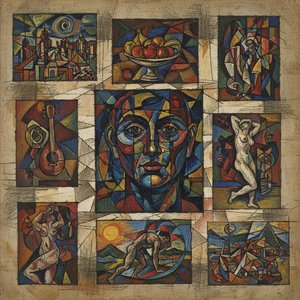
Kazimir Malevich's "Laundress," painted circa 1927, isn’t merely a depiction of domestic labor; it’s a profound distillation of form, color, and the quiet dignity of everyday life. Emerging from the fertile ground of Suprematism – Malevich’s revolutionary movement dedicated to pure abstraction – this work represents a pivotal moment in his artistic journey, bridging the gap between geometric experimentation and a renewed focus on human subject matter. The painting captures a woman engaged in her daily task at a washbasin, rendered with an almost austere beauty that belies its emotional depth.

The composition is strikingly simple yet remarkably dynamic. A central diagonal line, formed by the woman’s bent posture and the curve of the washbasin, immediately draws the viewer's eye through the scene. The arrangement feels deliberately balanced, with the bucket on her right providing a grounding element against the verticality of her form. Malevich masterfully employs geometric shapes – circles for the basin, cylinders for the bucket – not as decorative elements but as fundamental building blocks of his visual language. These forms are rendered in bold, confident lines, creating a sense of solidity and presence within the otherwise reductive space.

A Palette of Restraint and Texture

The painting’s color palette is deliberately restrained, dominated by shades of yellow, white, and muted browns. This monochromatic approach isn't about lack of vibrancy; rather, it serves to heighten the impact of form and texture. Malevich utilizes a technique of hatching – layering short, parallel lines – to suggest volume and shadow, creating an illusion of depth without resorting to traditional perspective. The varying density of these lines imbues the surfaces with a tactile quality, inviting the viewer to almost feel the roughness of the linen clothing and the coolness of the water.

The yellow headscarf worn by the laundress is particularly striking, acting as a focal point against the predominantly neutral background. It’s a small detail that injects warmth and humanity into the composition, hinting at the woman's identity and adding a subtle note of resilience. The careful rendering of her hands, visible as she reaches for the bucket, speaks volumes about the physicality of her labor – a testament to the quiet strength inherent in routine tasks.

Roots in Expressionism and Constructivism

"Laundress" reflects Malevich’s evolving artistic influences. Initially trained in Impressionism and Symbolism, he was deeply impacted by Cubism's fragmentation of form and Futurism’s celebration of dynamism. However, it was his encounter with the Russian avant-garde – particularly artists like Vladimir Tatlin and Piet Mondrian – that ultimately shaped his Suprematist vision. The painting’s simplified forms and expressive lines bear a clear resemblance to Expressionist techniques, while its emphasis on geometric abstraction aligns with Constructivist principles.

The historical context is crucial to understanding the work's significance. Created in the aftermath of the Russian Revolution, "Laundress" can be interpreted as a commentary on the changing social landscape and the role of labor within a new society. Malevich sought to strip away all superfluous elements – representing emotion, narrative, or individual identity – leaving only the essential forms and colors that conveyed pure feeling. This pursuit of “pure feeling” is powerfully embodied in this image of a woman performing her daily task with quiet determination.

Symbolism and Emotional Resonance

Beyond its formal qualities, "Laundress" resonates with profound symbolism. The act of washing represents purification, renewal, and the cyclical nature of life. The laundress herself embodies resilience, dignity, and a connection to the earth – her labor rooted in the rhythms of domesticity. Despite the painting’s stark simplicity, it evokes a sense of empathy and respect for this often-overlooked figure of everyday life.

Reproductions of “Laundress” offer a captivating glimpse into Malevich's artistic genius. Whether displayed as a statement piece in a modern interior or as a thoughtful addition to a collection of 20th-century art, this painting continues to inspire and provoke contemplation on the beauty found within simplicity and the enduring power of human experience.

Kysymykset ja vastaukset

Miten teoksen "Laundress" värit sointuvat yhteen?

Teoksen Kazimir Malevitš:n "Laundress" värit ilmentävät Discordant Palette harmoniaa. Harmonia kuvaa sitä, miten värit suhteutuvat toisiinsa.

Miltä historialliselta aikakaudelta Kazimir Malevitš:n "Laundress" on peräisin?

Kazimir Malevitš:n "Laundress" on peräisin Late Medieval-kaudelta. Kyseinen aikakausi antaa teokselle historiallisen kontekstin.

Mistä maasta Expressionism-tyylinen teos "Laundress" on peräisin?

Laundress on Kazimir Malevitš tekemä teos, joka on syntynyt Expressionism-suuntauksen vaikutuksesta; taiteilija on kotoisin Ukraina. Taiteilijan alkuperä yhdistää teoksen Expressionism-tyyliin, jota Ukraina-maasta kotoisin olevat taiteilijat edustavat.

More about this painting

Esikatselu Esikatsele AR-tilassa Vaihda tulosteeseen Siirry digitaaliseen kuvaan Jaa teos
Tiedot Opas Lisää suosikkeihin Lataa kuva Samanlaisia kohteita Röntgenkuvaus Diaesitys Q&A Tilastot

In numbers

  • 29frames to choose from
  • standard sizes, in its own proportions
  • 5weeks to paint and deliver it
Kazimir Malevitš

Kazimir Malevitš

1878 - 1935, Ukraina

Quick facts about Kazimir Malevitš

  • Artistic Movement Or Style: Suprematistinen taide
  • Artists Or Movements Influenced By This Artist:
    • Kubismi
    • Nuoruuden liitto
  • Artists Who Influenced This Artist:
    • Impressionismi
    • Fauvismi
  • Date Of Birth: 1879
  • Date Of Death: 1935
  • Full Name: Kazimir Severinovitš Malevitš
  • Nationality: Ukrainalainen/Venäläinen
  • Notable Artworks:
    • Musta neliö
    • Valkoinen valkoinen
  • Place Of Birth: Kiova, Ukraina

Taiteilijan elämäkerta

Kazimir Malevitš: Abstraktin taiteen pioneeri

Varhaiset vuodet ja vaikutteet

  • Syntynyt Ukrainan Kiovan alueelle vuonna 1878 puolalaiseen perheeseen, Kazimir Severinovitš Malevitšin varhaisvuosia muovasi ukrainalainen maaseutumaisema ja sen rikas kansanperinne.
  • Hänen kasvatuksensa herätti hänessä arvostusta perinteisiä taiteellisia ilmaisumuotoja kohtaan, mikä vaikutti hienovaraisesti myös hänen myöhempään tuotantoonsa.
  • Muodollinen koulutus alkoi Kiovassa, mutta Malevitš etsi nopeasti laajempia taiteellisia horisontteja siirtyen kohti Moskovaa ja lopulta kytkeytyen Euroopan nouseviin avantgarde-liikkeisiin.
  • Keskeiset vaikutteet: Varhainen altistuminen kansantaiteelle, yhdistettynä haluun moderniin ilmaisuun, loi perustan hänen ainutlaatuiselle tyylilleen.

Taiteellinen kehitys ja keskeiset suuntaukset

  • Aluksi Malevitš tutki useita eri tyylejä, kuten impressionismia, symbolismia, fauvismia ja kubismia. Ratkaiseva matka Pariisiin vuonna 1912 esitteli hänet eurooppalaisen taiteen uusimmille kehitysvaiheille.
  • Hän siirtyi vähitellen pois esittävistä muodoista etsien puhtaasti taiteellista kieltä, joka perustui geometrisiin muotoihin ja väriin.
  • Tämä johti suprematismin kehittymiseen vuoden 1915 tienoilla – abstraktiksi liikkeeksi, joka keskittyi taiteen ”puhtaan tunteen ylivertaisuuteen”.
  • Suprematismi hylkäsi kaiken pyrkimyksen kuvata näkyvän maailman esineitä ja priorisoi sen sijaan perusmuotoja, kuten neliöitä, ympyröitä ja suorakulmioita.
Merkittävät saavutukset ja tunnetut teokset
  • Musta neliö (1915): Kenties hänen kuuluisin teoksensa, joka edustaa radikaalia eroa perinteiseen taiteeseen ja sitä pidetään abstraktin maalaustaiteen perustavanlaatuisena teoksena.
  • Valkoinen valkoisella (1918): Sarja, joka tutkii muodon ja värin puhtautta esittäen valkoisia geometrisia muotoja valkoisella taustalla – työ, joka työntää abstraktion äärirajoilleen.
  • Stroyuschiysya dom [Rakenteilla oleva talo] (1916): Varhainen esimerkki suprematismista, joka näyttää hänen ainutlaatuisen näkökulmansa ukrainalaiseen kulttuuriin abstraktien muotojen kautta.
  • Hän kirjoitti myös laajasti taide teoriasta, artikuloiden suprematismin takana olevia filosofisia periaatteita ja puolustaen uudenlaista taiteellista tietoisuutta.

Historiallinen merkitys ja perintö

  • Malevitšin työ vaikutti syvästi 20th-vuosisadan abstraktin taiteen kehitykseen ja vaikutti liikkeisiin kuten minimalismiin ja konstruktivismiin.
  • Hän haastoi perinteiset käsitykset esittävyydestä ja raivasi tietä ei-objektiiviselle taiteelle.
  • Hänen ideansa puhtaasta tunteesta ja geometrisesta abstraktiosta resonoivat taiteilijoiden keskuudessa vielä tänäkin päivänä.
  • Vaikka hän kohtasi poliittista vainoa Stalinin kaudella – aluksi tuettuna, myöhemmin tukahdutettuna – Malevitš jatkoi vakaasti taiteellisessa työssään ja opettamisessa.
  • Vaikutus myöhempiin taiteilijoihin: Hän vaikutti suoraan taiteilijoihin, kuten El Lissitzkyyn, ja muovasi epäsuorasti lukemattomia muita suprematismin pysyvän perinnön kautta.

Myöhemmät vuodet ja kuolema

  • Myöhemmällä iällään Malevitš palasi figuratiiviseen maalaukseen yrittäen yhdistää abstraktit periaatteensa esittäviin muotoihin.
  • Hän jatkoi opettamista ja taiteen kirjoittamista kuolemaansa saakka Leningradissa (nykyinen Pietari) vuonna 1935.
  • Hänen työnsä pysyi suhteellisen tuntemattomana vuosikymmeniä hänen kuolemansa jälkeen, mutta koki uuden nousun 20. vuosisadan jälkipuoliskolla, vakiinnuttaen hänen paikkansa yhtenä modernin taidehistorian tärkeimmistä hahmoista.

Pikaista tietoa

  • Movement: Suprematism
  • Medium: Oil on plywood
  • Artistic style: Expressionist
  • Subject or theme: Domestic labor

Taidevisat

Jokaisessa kysymyksessä on vain yksi oikea vastaus.

Kysymys 1:
What artistic movement is most closely associated with Kazimir Malevich’s painting ‘Laundress’?
Kysymys 2:
The image description highlights which of the following key elements regarding the painting’s composition?
Kysymys 3:
According to the image description, what is the primary lighting source in ‘Laundress’?
Kysymys 4:
Kazimir Malevich was born in which country?
Kysymys 5:
The image description suggests that ‘Laundress’ evokes what kind of feeling or idea?