
 Esikatselu
 Jaa teos
 Jaa
Jaa
 Tiedot
 Opas
Opas

 Lataa kuva
 Samanlaisia kohteita
 Röntgenkuvaus
 Diaesitys
 Kysymykset ja vastaukset
 Tilastot
Demon


 Lue lisää
Giclée- ja taideprintit
Museolaatuisia giclée- tai kankaitaulun tulosteita nopealla tuotannolla ja joustavilla viimeistelyvaihtoehdoilla. ( Osta käsinmaalattu taideteos Siirry digitaaliseen kuvaan)




P118B €10

P118H €10

P118W €10

P438Z €10

P508JH €12

P508YH €12

P805H €10

P805Z €10

P919BZ €10

P919G €10

P919XJ €10

P959ZH €10

P968JZ €12

W106C €8

W218G €10

W218JH €8

W218Y €10

W307PJ €10

W316G €10

W316PJ €8

W316Y €10

W398PJ €8

W4111J €10

W500HY €15

W500JH €15

W692G €12

W849H €8

W940BG €15

W953PJ €8




Valitse valmiista mitoistamme sellaiset, jotka vastaavat teoksen alkuperäisiä mittasuhteita.

Syötä tarvitsemasi leveys ja korkeus, jotta tuloste sopii kehyksiisi tai seinällesi. Tulostetta voidaan vain leikata, sitä ei voida koskaan suurentaa alkuperäistä kuvaa suuremmaksi, joten eri muotoinen koko aiheuttaa osan kuvasta katoamisen. Lähetämme sinulle digitaalisen mallikuvan hyväksyttäväksi ennen kuin aloitamme tulostuksen. Tällä sivulla näkyvä kuva ei näytä lopullista rajausta — vain mallikuva näyttää sen.
Maailmanlaajuinen toimitus () 2 viikossa tavallisen 4–5 viikon sijaan. (5 marraskuu)

Ilmainen pikatoimitus ympäri maailman

Korkealaatuinen pellavakangas

Kattava kuljetusvakuutus

Tulliveron palautustakuu

Takuu täydellisestä värien vastaavuudesta

100 päivän palautusoikeus (vain valmistusvirheet)

100% rahat takaisin -takuu

Määräalennus tarjolla
 Lasivaihtoehto on saatavilla vain alle 110 cm kokoisille teoksille

Demon
Giclée- ja taideprintit
Replikaatin koko
-


Kokonaishinta
€ 72
A Stark Vision of the Unseen: Kazimir Malevich's 'Demon'
Kazimir Malevich’s 1914 painting, “Demon,” is not merely a depiction of a monstrous figure; it’s a visceral exploration of primal fear and the unsettling power of suggestion. Rendered in a deceptively simple style—bold black outlines against a bleached-white backdrop—the artwork immediately commands attention with its raw intensity. This isn't the polished, idealized representation of art history; instead, we encounter a world stripped bare to its essential elements, echoing the nascent principles of Suprematism and hinting at the anxieties simmering beneath the surface of early 20th-century Europe.
The composition is dominated by the central demon itself. Its elongated form, with disproportionately large head, pointed ears, and a gaping mouth, evokes a sense of grotesque power. Malevich’s deliberate use of thick black lines doesn't simply define the figure; they pulsate with energy, creating an immediate and unsettling visual impact. The simplification of features—the vacant eyes, the sharp angles—heightens the feeling of otherworldliness, as if we are glimpsing a being from beyond our comprehension. Crucially, the painting’s stark palette – primarily black and off-white – amplifies this effect, creating an atmosphere of profound isolation and dread.
The Language of Symbols: Cyrillic Text and Spiritual Weight
What initially appears as a minimalist composition is profoundly enriched by the dense field of Cyrillic text that dominates the right side of the canvas. This isn’t mere decoration; it's integral to understanding the artwork’s meaning. While the exact translation remains debated, scholars believe this incantation or narrative likely served as a key to unlocking the demon’s nature and purpose within Malevich’s artistic vision. The inclusion of text adds layers of mystery, suggesting a connection between the visual image and a deeper spiritual or occult context – reflecting the prevalent interest in mysticism and the supernatural during that period.
The choice of Cyrillic script is particularly significant given Malevich's Ukrainian heritage and the painting’s creation during a time of shifting national identities. It subtly connects the artwork to Eastern European folklore and traditions, hinting at ancient beliefs surrounding demons and spirits. The text acts as a conduit, inviting the viewer to actively participate in deciphering the demon’s story – transforming the image from a static representation into an interactive experience.
Roots in Expressionism and the Dawn of Suprematism
“Demon” sits at a fascinating crossroads within art history. While undeniably influenced by the raw emotionality of Expressionism—evident in its distorted forms and unsettling subject matter—it also anticipates the revolutionary principles of Suprematism, which Malevich would later fully develop. The painting’s emphasis on pure form, reduced to its essential elements, foreshadows his later explorations of geometric abstraction. Malevich's early exposure to folk art, combined with a desire for modern expression, formed the foundation of his unique style. This piece demonstrates that journey—a deliberate move away from representational forms towards a purely abstract and spiritual realm.
Considering Malevich’s biography – born in Kyiv Oblast, Ukraine – adds another layer of complexity to the work. The painting can be viewed as a reflection on the anxieties and uncertainties of a nation undergoing rapid change and grappling with its identity. The demon, therefore, becomes not just a supernatural entity but also a symbol of internal conflict and the darker aspects of human nature.
A Legacy of Shadow and Form
“Demon” is more than simply a depiction of a frightening figure; it’s a profound meditation on fear, spirituality, and the power of visual language. Reproductions of this artwork offer a unique opportunity to experience Malevich's groundbreaking vision – a stark reminder that art can be both unsettling and deeply evocative. Its enduring appeal lies in its ability to tap into our primal anxieties while simultaneously pushing the boundaries of artistic expression.
Kysymykset ja vastaukset
Minkälaisen tunnelman Kazimir Malevitš:n "Demon" välittää?
"Demon" välittää Mysterious tunnelman. Emotionaalinen sävy kuvaa teoksen antamaa vaikutelmaa.
Kuinka voimakas kontrasti teoksessa Kazimir Malevitš:n "Demon" on?
Teoksen "Demon" valoisuus- ja varjokontrasti on Statement. Kontrasti kuvaa, kuinka voimakkaasti vaaleat ja tummat alueet eroavat toisistaan.
Kuinka kylläisiä Kazimir Malevitš:n "Demon" -teoksen värit ovat?
Teoksen Kazimir Malevitš:n "Demon" värien kylläisyys on Muted. Kylläisyys kuvaa sitä, kuinka voimakkaita tai himmeitä värit ovat.
Taiteilijan elämäkerta
Kazimir Malevitš: Abstraktin taiteen pioneeri
Varhaiset vuodet ja vaikutteet
- Syntynyt Ukrainan Kiovan alueelle vuonna 1878 puolalaiseen perheeseen, Kazimir Severinovitš Malevitšin varhaisvuosia muovasi ukrainalainen maaseutumaisema ja sen rikas kansanperinne.
- Hänen kasvatuksensa herätti hänessä arvostusta perinteisiä taiteellisia ilmaisumuotoja kohtaan, mikä vaikutti hienovaraisesti myös hänen myöhempään tuotantoonsa.
- Muodollinen koulutus alkoi Kiovassa, mutta Malevitš etsi nopeasti laajempia taiteellisia horisontteja siirtyen kohti Moskovaa ja lopulta kytkeytyen Euroopan nouseviin avantgarde-liikkeisiin.
- Keskeiset vaikutteet: Varhainen altistuminen kansantaiteelle, yhdistettynä haluun moderniin ilmaisuun, loi perustan hänen ainutlaatuiselle tyylilleen.
Taiteellinen kehitys ja keskeiset suuntaukset
- Aluksi Malevitš tutki useita eri tyylejä, kuten impressionismia, symbolismia, fauvismia ja kubismia. Ratkaiseva matka Pariisiin vuonna 1912 esitteli hänet eurooppalaisen taiteen uusimmille kehitysvaiheille.
- Hän siirtyi vähitellen pois esittävistä muodoista etsien puhtaasti taiteellista kieltä, joka perustui geometrisiin muotoihin ja väriin.
- Tämä johti suprematismin kehittymiseen vuoden 1915 tienoilla – abstraktiksi liikkeeksi, joka keskittyi taiteen ”puhtaan tunteen ylivertaisuuteen”.
- Suprematismi hylkäsi kaiken pyrkimyksen kuvata näkyvän maailman esineitä ja priorisoi sen sijaan perusmuotoja, kuten neliöitä, ympyröitä ja suorakulmioita.
- Musta neliö (1915): Kenties hänen kuuluisin teoksensa, joka edustaa radikaalia eroa perinteiseen taiteeseen ja sitä pidetään abstraktin maalaustaiteen perustavanlaatuisena teoksena.
- Valkoinen valkoisella (1918): Sarja, joka tutkii muodon ja värin puhtautta esittäen valkoisia geometrisia muotoja valkoisella taustalla – työ, joka työntää abstraktion äärirajoilleen.
- Stroyuschiysya dom [Rakenteilla oleva talo] (1916): Varhainen esimerkki suprematismista, joka näyttää hänen ainutlaatuisen näkökulmansa ukrainalaiseen kulttuuriin abstraktien muotojen kautta.
- Hän kirjoitti myös laajasti taide teoriasta, artikuloiden suprematismin takana olevia filosofisia periaatteita ja puolustaen uudenlaista taiteellista tietoisuutta.
Historiallinen merkitys ja perintö
- Malevitšin työ vaikutti syvästi 20th-vuosisadan abstraktin taiteen kehitykseen ja vaikutti liikkeisiin kuten minimalismiin ja konstruktivismiin.
- Hän haastoi perinteiset käsitykset esittävyydestä ja raivasi tietä ei-objektiiviselle taiteelle.
- Hänen ideansa puhtaasta tunteesta ja geometrisesta abstraktiosta resonoivat taiteilijoiden keskuudessa vielä tänäkin päivänä.
- Vaikka hän kohtasi poliittista vainoa Stalinin kaudella – aluksi tuettuna, myöhemmin tukahdutettuna – Malevitš jatkoi vakaasti taiteellisessa työssään ja opettamisessa.
- Vaikutus myöhempiin taiteilijoihin: Hän vaikutti suoraan taiteilijoihin, kuten El Lissitzkyyn, ja muovasi epäsuorasti lukemattomia muita suprematismin pysyvän perinnön kautta.
Myöhemmät vuodet ja kuolema
- Myöhemmällä iällään Malevitš palasi figuratiiviseen maalaukseen yrittäen yhdistää abstraktit periaatteensa esittäviin muotoihin.
- Hän jatkoi opettamista ja taiteen kirjoittamista kuolemaansa saakka Leningradissa (nykyinen Pietari) vuonna 1935.
- Hänen työnsä pysyi suhteellisen tuntemattomana vuosikymmeniä hänen kuolemansa jälkeen, mutta koki uuden nousun 20. vuosisadan jälkipuoliskolla, vakiinnuttaen hänen paikkansa yhtenä modernin taidehistorian tärkeimmistä hahmoista.

Kazimir Malevitš
1878 - 1935 , Ukraina
Pähkinänkuoressa
- Artistic Movement Or Style: Suprematistinen taide
- Artists Or Movements Influenced By This Artist:
- Kubismi
- Nuoruuden liitto
- Artists Who Influenced This Artist:
- Impressionismi
- Fauvismi
- Date Of Birth: 1879
- Date Of Death: 1935
- Full Name: Kazimir Severinovitš Malevitš
- Nationality: Ukrainalainen/Venäläinen
- Notable Artworks:
- Musta neliö
- Valkoinen valkoinen
- Place Of Birth: Kiova, Ukraina
Aiheeseen liittyvät artikkelit

Kazimir Malevichin 25 mestariteosta: Abstraktin taiteen huiput | OriginalUniqueArt
Tutustu Kazimir Malevichin 25 mestariteokseen – suprematistisen taiteen huipentuma! Uppoudu abstraktien muotojen ja värien maailmaan. Taideprintit ja sisustusideoita OriginalUniqueArt.comissa.

Geometrisen abstraktion mestariteokset: Taidetta kotiin OriginalUniqueArtilta
Tutustu geometrisen abstraktion 10 mestariteokseen! Piet Mondrian, Kandinsky ja muut taiteilijat muovasivat modernin taiteen historiaa. Löydä inspiraatiota kotiisi OriginalUniqueArtilta – laadukkaat taideprintit ja sisustusehdotukset odottavat. Tutki kokoelma verkossa!

Wassily Kandinskin 25 mestariteosta: Värien ja muodon syvä maailma | OriginalUniqueArt
Tutustu Wassily Kandinskin 25 vaikuttavinta teosta! Uppoudu abstraktin taiteen maailmaan, värien symboliikkaan ja modernin ekspressionismin historiaan. Löydä inspiraatiota kodin sisustukseen OriginalUniqueArt.com:ista – laadukkaat taideprintit ja reproduktiot.

Abstraktin ekspressionismin mestariteokset: Taidetta ja inspiraatiota kotiisi
Tutustu abstraktin ekspressionismin 10 mestariteokseen! Jackson Pollock, Mark Rothko ja muut taiteilijat inspiroivat tunteellisuudellaan. Löydä upeita taidemaalauksia kotiisi OriginalUniqueArt.comista – museolaatuista laatua ja sisustusehdotuksia.
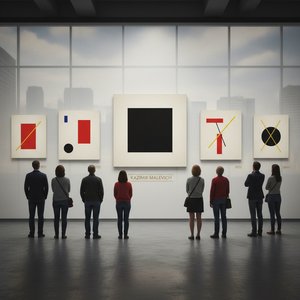
Kazimir Malevich: Pioneering Suprematism & the Quest for Non-Objective Art
Explore the revolutionary art of Kazimir Malevich & his groundbreaking Suprematism movement. Discover the origins, core principles, and lasting impact of this pivotal force in modern abstract painting.


