

 Esikatselu
 Jaa
Jaa Jaa
Jaa
 Tarkemmat tiedot

 Lataa
Lataa
 Samanlaisia
 Röntgenkuva
 Diaesitys
 Tilastot
Circle

 Näytä lisää
Giclée-printit ja taideprintit
Museolaatuisia giclée- tai kankaitaulun tulosteita nopealla tuotannolla ja joustavilla viimeistelyvaihtoehdoilla. ( Osta käsintehty maalaus Siirry digitaaliseen kuvaan)




P118B $10

P118H $10

P118W $10

P438Z $10

P508JH $12

P508YH $12

P805H $10

P805Z $10

P919BZ $10

P919G $10

P919XJ $10

P959ZH $10

P968JZ $12

W106C $8

W218G $10

W218JH $8

W218Y $10

W307PJ $10

W316G $10

W316PJ $8

W316Y $10

W398PJ $8

W4111J $10

W500HY $15

W500JH $15

W692G $12

W849H $8

W940BG $15

W953PJ $8




Valitse valmiista mitoistamme sellaiset, jotka vastaavat teoksen alkuperäisiä mittasuhteita.

Voit syöttää omat mitat sopiaksesi tiettyyn kehykseen tai tilaan. Jos valittu koko ei vastaa alkuperäisen kuvan mittasuhteita, rajaamme teosta tai laajennamme kuvaa peilatulla tai yhtenäisellä reunalla. Digitaalinen mallikuva lähetetään hyväksyttäväksi ennen tuotannon aloittamista.
Huomaathan, että näytöllä näkyvä esikatselu ei vastaa lopullista rajausta tai laajennusta. Vain mallikuva näyttää lopullisen sommittelun tarkasti.
Vaikka räätälöityjä kokoja on saatavilla, suosittelemme valitsemaan mitat valmiista listasta alkuperäisten mittasuhteiden säilyttämiseksi.
Toimitus maailmanlaajuisesti () kahdessa viikossa tavallisen 4–5 viikon sijaan. (13 syyskuu)

Ilmainen pikatoimitus ympäri maailman

Korkealaatuinen pellavakangas

Kattava kuljetusvakuutus

Tulliveron palautustakuu

Täydellinen värien vastaavuustakuu

100 päivän palautusoikeus (vain valmistusvirheet)

100% rahat takaisin -takuu

Määräalennus tarjous
 Lasivaihtoehto on saatavilla vain alle 110 cm kokoisina teoksina

Circle
Giclée-printit ja taideprintit
Replikaatin koko
-


Kokonaishinta
$ 80
Kazimir Malevich’s Circle: A Testament to Pure Feeling
Malevich's "Circle," created in 1923, stands as a monumental achievement within the Suprematist movement—a radical departure from representational art that sought to liberate visual expression from illusionistic conventions. This deceptively simple painting embodies the core tenets of Malevich’s philosophy: prioritizing pure feeling and geometric abstraction over any semblance of recognizable imagery. It's more than just a shape; it’s a declaration of artistic freedom and an exploration of fundamental concepts within modern art history.The Suprematist Vision
Born in Kyiv Oblast, Kazimir Severinovich Malevich (1878-1935) embarked on his artistic journey with initial explorations into Impressionism, Symbolism, Fauvism, and Cubism—styles prevalent during the early 20th century. However, a transformative trip to Paris in 1912 ignited his passion for European avant-garde movements, propelling him toward a decisive break from traditional aesthetics. Recognizing the limitations of depicting reality, Malevich championed Suprematism – a movement founded on the belief that art should transcend visual perception and communicate directly with the viewer’s subconscious mind.Pointillist Technique: Dots as Building Blocks
The execution of "Circle" exemplifies Malevich's masterful application of pointillism—a technique pioneered by Georges Seurat and embraced wholeheartedly by Malevich himself. Hundreds, perhaps thousands, of tiny dots meticulously arranged on paper create a textured surface that subtly suggests depth without resorting to perspective. Graphite or charcoal was used as the medium, lending an understated elegance to the artwork’s materiality. This painstaking process underscores Malevich's commitment to achieving maximum expressive impact through precise control over color and texture—a deliberate rejection of academic conventions.Symbolism Beyond Geometry
While seemingly devoid of recognizable forms, "Circle" carries profound symbolic weight. Representing wholeness, unity, and eternity – concepts central to Orthodox Christianity and reflecting Malevich’s spiritual convictions – the circle transcends its geometric simplicity. Its repetition reinforces this idea of completeness, mirroring the cosmos itself and symbolizing a quest for transcendence beyond the confines of earthly experience. The stark contrast between the pale cream background and the dark central circle amplifies this visual impact, emphasizing the painting's contemplative mood.A Legacy Enduring Influence
“Black Circle” and “Suprematist Painting. Rectangle and Circle,” alongside Malevich’s architectural designs—particularly his collaboration with Lazar Markovich Khidekel—demonstrate the lasting influence of Suprematism on Russian art and design. Malevich's unwavering belief in pure feeling as the basis for artistic creation continues to inspire artists today, cementing his place as a pivotal figure in the history of modern abstraction. Explore museum-quality reproductions at OriginalUniqueArt.com and discover the timeless beauty of this groundbreaking masterpiece.Taiteilijan elämäkerta
Kazimir Malevitš: Abstraktin taiteen pioneeri
Varhaiset vuodet ja vaikutteet
- Syntynyt Ukrainan Kiovan alueelle vuonna 1878 puolalaiseen perheeseen, Kazimir Severinovitš Malevitšin varhaisvuosia muovasi ukrainalainen maaseutumaisema ja sen rikas kansanperinne.
- Hänen kasvatuksensa herätti hänessä arvostusta perinteisiä taiteellisia ilmaisumuotoja kohtaan, mikä vaikutti hienovaraisesti myös hänen myöhempään tuotantoonsa.
- Muodollinen koulutus alkoi Kiovassa, mutta Malevitš etsi nopeasti laajempia taiteellisia horisontteja siirtyen kohti Moskovaa ja lopulta kytkeytyen Euroopan nouseviin avantgarde-liikkeisiin.
- Keskeiset vaikutteet: Varhainen altistuminen kansantaiteelle, yhdistettynä haluun moderniin ilmaisuun, loi perustan hänen ainutlaatuiselle tyylilleen.
Taiteellinen kehitys ja keskeiset suuntaukset
- Aluksi Malevitš tutki useita eri tyylejä, kuten impressionismia, symbolismia, fauvismia ja kubismia. Ratkaiseva matka Pariisiin vuonna 1912 esitteli hänet eurooppalaisen taiteen uusimmille kehitysvaiheille.
- Hän siirtyi vähitellen pois esittävistä muodoista etsien puhtaasti taiteellista kieltä, joka perustui geometrisiin muotoihin ja väriin.
- Tämä johti suprematismin kehittymiseen vuoden 1915 tienoilla – abstraktiksi liikkeeksi, joka keskittyi taiteen ”puhtaan tunteen ylivertaisuuteen”.
- Suprematismi hylkäsi kaiken pyrkimyksen kuvata näkyvän maailman esineitä ja priorisoi sen sijaan perusmuotoja, kuten neliöitä, ympyröitä ja suorakulmioita.
- Musta neliö (1915): Kenties hänen kuuluisin teoksensa, joka edustaa radikaalia eroa perinteiseen taiteeseen ja sitä pidetään abstraktin maalaustaiteen perustavanlaatuisena teoksena.
- Valkoinen valkoisella (1918): Sarja, joka tutkii muodon ja värin puhtautta esittäen valkoisia geometrisia muotoja valkoisella taustalla – työ, joka työntää abstraktion äärirajoilleen.
- Stroyuschiysya dom [Rakenteilla oleva talo] (1916): Varhainen esimerkki suprematismista, joka näyttää hänen ainutlaatuisen näkökulmansa ukrainalaiseen kulttuuriin abstraktien muotojen kautta.
- Hän kirjoitti myös laajasti taide teoriasta, artikuloiden suprematismin takana olevia filosofisia periaatteita ja puolustaen uudenlaista taiteellista tietoisuutta.
Historiallinen merkitys ja perintö
- Malevitšin työ vaikutti syvästi 20th-vuosisadan abstraktin taiteen kehitykseen ja vaikutti liikkeisiin kuten minimalismiin ja konstruktivismiin.
- Hän haastoi perinteiset käsitykset esittävyydestä ja raivasi tietä ei-objektiiviselle taiteelle.
- Hänen ideansa puhtaasta tunteesta ja geometrisesta abstraktiosta resonoivat taiteilijoiden keskuudessa vielä tänäkin päivänä.
- Vaikka hän kohtasi poliittista vainoa Stalinin kaudella – aluksi tuettuna, myöhemmin tukahdutettuna – Malevitš jatkoi vakaasti taiteellisessa työssään ja opettamisessa.
- Vaikutus myöhempiin taiteilijoihin: Hän vaikutti suoraan taiteilijoihin, kuten El Lissitzkyyn, ja muovasi epäsuorasti lukemattomia muita suprematismin pysyvän perinnön kautta.
Myöhemmät vuodet ja kuolema
- Myöhemmällä iällään Malevitš palasi figuratiiviseen maalaukseen yrittäen yhdistää abstraktit periaatteensa esittäviin muotoihin.
- Hän jatkoi opettamista ja taiteen kirjoittamista kuolemaansa saakka Leningradissa (nykyinen Pietari) vuonna 1935.
- Hänen työnsä pysyi suhteellisen tuntemattomana vuosikymmeniä hänen kuolemansa jälkeen, mutta koki uuden nousun 20. vuosisadan jälkipuoliskolla, vakiinnuttaen hänen paikkansa yhtenä modernin taidehistorian tärkeimmistä hahmoista.

Kazimir Malevitš
1878 - 1935 , Ukraina
Pikatiedot
- Artistic Movement Or Style: Suprematistinen taide
- Artists Or Movements Influenced By This Artist:
- Kubismi
- Nuoruuden liitto
- Artists Who Influenced This Artist:
- Impressionismi
- Fauvismi
- Date Of Birth: 1879
- Date Of Death: 1935
- Full Name: Kazimir Severinovitš Malevitš
- Nationality: Ukrainalainen/Venäläinen
- Notable Artworks:
- Musta neliö
- Valkoinen valkoinen
- Place Of Birth: Kiova, Ukraina
Liittyvät artikkelit

Geometrisen abstraktion mestariteokset: Taidetta kotiin OriginalUniqueArtilta
Tutustu geometrisen abstraktion 10 mestariteokseen! Piet Mondrian, Kandinsky ja muut taiteilijat muovasivat modernin taiteen historiaa. Löydä inspiraatiota kotiisi OriginalUniqueArtilta – laadukkaat taideprintit ja sisustusehdotukset odottavat. Tutki kokoelma verkossa!
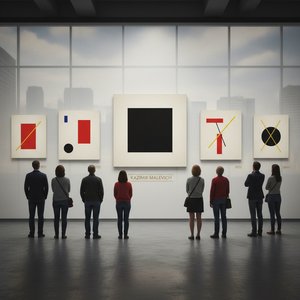
Kazimir Malevich: Pioneering Suprematism & the Quest for Non-Objective Art
Explore the revolutionary art of Kazimir Malevich & his groundbreaking Suprematism movement. Discover the origins, core principles, and lasting impact of this pivotal force in modern abstract painting.

Suprematism Explained: The Radical Geometry and Pure Feeling of Kazimir Malevich
Explore the radical world of Suprematism. Discover how Kazimir Malevich revolutionized modern art through pure geometric abstraction, non-objective form, and the supremacy of feeling. An essential guide for art students and collectors seeking deep historical context.
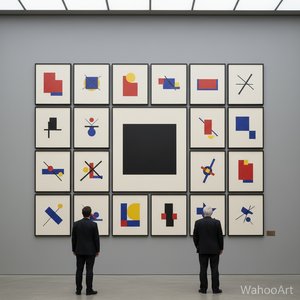
Kazimir Malevichin 25 mestariteosta: Abstraktin taiteen huiput | OriginalUniqueArt
Tutustu Kazimir Malevichin 25 mestariteokseen – suprematistisen taiteen huipentuma! Uppoudu abstraktien muotojen ja värien maailmaan. Taideprintit ja sisustusideoita OriginalUniqueArt.comissa.
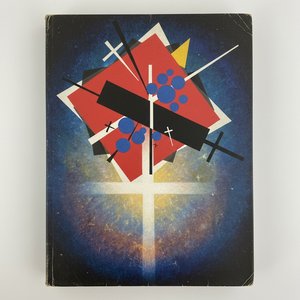
Beyond Representation: Exploring the Radical Geometry of Suprematism & Its Spiritual Foundations
Explore the revolutionary world of Suprematism with our expert guide. Discover Kazimir Malevich's groundbreaking art, its spiritual foundations & lasting influence on modern design. Learn about collecting this iconic movement.


