
 Jaa teos
 Jaa
Jaa
 Tiedot
 Opas
Opas

 Lataa kuva
 Samanlaisia kohteita
 Diaesitys
 Q&A
Q&A Tilastot
Pink / lavender ensemble


 Lue lisää
Tällä sivulla esitettyä taideteosta suojaa tekijänoikeuslaki, mikä tarkoittaa, ettemme voi laillisesti luoda tai myydä täsmälleen samanlaista jäljennöstä. Tämä suoja toteutetaan kansainvälisten sopimusten, kuten esimerkiksi Berne-konventio ja kansallisilla laeilla, mukaan lukien niillä määritellyt Yhdysvaltain tekijänoikeuslaki – Luku 17. Kaikki oikeudet pidätetään. Luvaton kopiointi tai jäljittely on kielletty.
Tämä menetelmä noudattaa täysin tekijänoikeussäännöksiä, sillä se ei sisällä suojatun taideteoksen kopioimista tai jäljentämistä. Sen sijaan kyseessä on luova uudelleentulkinta – uusi maalaus, joka ammentaa vaikutteita alkuperäisestä, mutta ei ole sen identtinen kopio.
Giclée- ja taideprintit
Museolaatuisia giclée- tai kankaitaulun tulosteita nopealla tuotannolla ja joustavilla viimeistelyvaihtoehdoilla. ( Osta käsinmaalattu taideteos Siirry digitaaliseen kuvaan)




































Valitse valmiista mitoistamme sellaiset, jotka vastaavat teoksen alkuperäisiä mittasuhteita.

Syötä tarvitsemasi leveys ja korkeus, jotta tuloste sopii kehyksiisi tai seinällesi. Tulostetta voidaan vain leikata, sitä ei voida koskaan suurentaa alkuperäistä kuvaa suuremmaksi, joten eri muotoinen koko aiheuttaa osan kuvasta katoamisen. Lähetämme sinulle digitaalisen mallikuvan hyväksyttäväksi ennen kuin aloitamme tulostuksen. Tällä sivulla näkyvä kuva ei näytä lopullista rajausta — vain mallikuva näyttää sen.
Maailmanlaajuinen toimitus () 2 viikossa tavallisen 4–5 viikon sijaan. (1 marraskuu)

Ilmainen pikatoimitus ympäri maailman

Korkealaatuinen pellavakangas

Kattava kuljetusvakuutus

Tulliveron palautustakuu

Takuu täydellisestä värien vastaavuudesta

100 päivän palautusoikeus (vain valmistusvirheet)

100% rahat takaisin -takuu

Määräalennus tarjolla
 Lasivaihtoehto on saatavilla vain alle 110 cm kokoisille teoksille

Pink / lavender ensemble
Giclée- ja taideprintit
Replikaatin koko
-


Kokonaishinta
€ 71
A Study in Monochrome and Softness
The camera lens settles upon a quiet moment from the year 2000, capturing a mannequin draped in a pink and lavender ensemble. Though the medium is black and white photography, the memory of color lingers in the way the light hits the fabric. A coat rests over a jacket, layered with a dress and a cardigan that suggest an outfit prepared for a special occasion. The stillness of the mannequin creates a sense of suspended animation, as if the wearer has only just stepped away from the frame. There is a certain weight to the textures, a tactile quality that invites the eye to trace the folds of the clothing against the starkness of the background.
The composition relies on the interplay between light and shadow to define form. Without the distraction of a full color palette, the focus shifts entirely to the silhouette and the structural elements of the couture. The monochrome tones emphasize the sharp tailoring and the way the garments drape over the artificial frame. It feels like a private glimpse into a studio or a dressing room, a fragment of fashion history caught in a silver-toned freeze-frame.
The Essence of Early Couture
This photographic study functions as a window into the aesthetic of early 2000s couture. By stripping away color, the work highlights the architectural nature of the ensemble. The layers—the cardigan, the jacket, and the underlying dress—create a complex topography of fabric. One wonders about the movement that these clothes were intended to accompany, even as they sit motionless on their display. The use of black and white photography strips the subject down to its most fundamental elements: shape, texture, and contrast.
The emotional resonance of the piece lies in its quietude. There is no fanfare here, only the stark beauty of a well-constructed garment. The mannequin, devoid of human identity, allows the clothing to become the sole protagonist. It captures a sense of elegance that does not rely on ornamentation but on the careful arrangement of layers and the precise way light interacts with the surface of the cloth. In this square format, the image holds a concentrated energy, preserving a specific moment of design history within a monochromatic frame.
Kysymykset ja vastaukset
Miten voin esikatsella teoksen Karl Otto Lagerfeld:n "Pink / lavender ensemble" reproduktiota?
Voit esikatsella teosta Karl Otto Lagerfeld:n "Pink / lavender ensemble" sivulla Esikatselu tilassa.
Onko "Pink / lavender ensemble" tunnettu Contemporary-tyylisuunnan teos?
Karl Otto Lagerfeld:n "Pink / lavender ensemble" on luokiteltu Iconic ja se kuuluu Contemporary-tyylisuuntaan.
Kuka on luonut teoksen "Pink / lavender ensemble"?
Teoksen "Pink / lavender ensemble" taiteilija on Karl Otto Lagerfeld. Teos on luetteloitu Karl Otto Lagerfeld nimellä.
Taiteilijan elämäkerta
The Enduring Vision of Karl Lagerfeld
Karl Otto Lagerfeld, a name synonymous with reinvention and enduring style, was more than just a fashion designer; he was a cultural phenomenon. Born in Hamburg, Germany, in 1933, his life story is one of relentless creativity and an unwavering dedication to the art of design. From his early beginnings sketching designs as a young boy, captivated by the world of haute couture, it became clear that Lagerfeld possessed a unique artistic sensibility. His family’s move to Paris in the wake of rising political tensions proved pivotal, immersing him in the heart of the fashion world and setting the stage for an extraordinary career. He wasn't merely observing trends; he was destined to *create* them. The removal of the “t” from his surname – Lagerfeldt becoming Lagerfeld – was an early indication of his desire to shape his own narrative, to craft a brand as precise and impactful as his designs.Early Life: A Spark Ignited in Hamburg
Karl Otto Lagerfeld’s formative years were marked by intellectual curiosity and artistic inclination. Born to Elisabeth Bahlmann and Otto Lagerfeld—his father hailing from a family of wealthy wine merchants—he grew up amidst an environment that fostered creativity and encouraged exploration beyond conventional boundaries. His father, Christian Lagerfeld, spoke nine languages and possessed a profound understanding of philosophy, instilling in Karl a lifelong appreciation for intellectual discourse. The Lagerfelds’ relocation to Paris following the escalating anxieties surrounding Nazi Germany profoundly influenced his worldview, exposing him to the vibrant pulse of European artistic culture and solidifying his ambition to pursue a path distinct from societal expectations. From a young age, Lagerfeld demonstrated an innate talent for drawing and sketching, capturing images with meticulous detail—a skill that would serve as the foundation for his future endeavors in fashion design.Ascension Through Parisian Couture
Lagerfeld’s journey into the world of haute couture began in 1954 when he enrolled at Parsons School of Design in New York City, immersing himself in the techniques and aesthetics of American fashion. Simultaneously, he secured an apprenticeship with Pierre Balmain, honing his craft under the tutelage of a celebrated Parisian couturier—a formative experience that instilled in him discipline and precision. Recognizing his burgeoning talent, Balmain entrusted Lagerfeld with designing collections for his house, allowing him to refine his artistic vision and establish himself as a rising star within the industry. This early collaboration solidified Lagerfeld’s understanding of garment construction and cemented his commitment to mastering the intricacies of couture craftsmanship—skills that would prove invaluable throughout his illustrious career. He quickly gained recognition for his innovative silhouettes and daring use of fabrics, earning him the admiration of critics and fellow designers alike.A Symphony Across Multiple Houses: Chanel and Beyond
Lagerfeld’s influence extended far beyond Balmain; he skillfully navigated collaborations with Jean Patou and Chloé, each position enriching his artistic repertoire and shaping his signature style—characterized by sharp tailoring, impeccable drape, and an unmistakable elegance. However, it was his partnership with Fendi that truly cemented his legacy as a visionary designer. Beginning in 1965, Lagerfeld transformed the perception of fur from a symbol of ostentation into a canvas for artistic expression—a bold reimagining that challenged prevailing notions of luxury and demonstrated his willingness to push creative boundaries. He championed innovative techniques and playful designs, elevating Fendi’s status as one of the most prestigious brands in the world. Yet, it was his arrival at Chanel in 1983 that irrevocably altered the trajectory of fashion history—a moment Lagerfeld himself described as “a chance encounter.” Recognizing Chanel's need for revitalization amidst a changing cultural landscape, he embarked on a mission to recapture its spirit and infuse it with contemporary dynamism. He didn’t simply revive Coco Chanel’s aesthetic; he *interpreted* it—creating collections that honored the house’s heritage while embracing innovation and daring experimentation.The Kaiser's Legacy: Innovation and Artistic Vision
Karl Lagerfeld’s enduring influence stems from his unwavering commitment to artistic vision and his refusal to compromise on creative integrity. He championed a minimalist aesthetic, prioritizing clean lines and understated elegance—a stylistic approach that resonated with audiences worldwide. Beyond fashion design, Lagerfeld pursued diverse artistic endeavors—photography, illustration, and book collecting—demonstrating his multifaceted talent and intellectual curiosity. His distinctive personal style—the white powdered pigtail, the dark sunglasses, the fingerless gloves—became instantly recognizable symbols of his persona—a testament to his unwavering confidence and artistic conviction. He instilled in generations of designers a belief that true creativity lies in challenging conventions and redefining established norms—a lesson that will undoubtedly endure for decades to come. Lagerfeld’s legacy transcends mere fashion; it embodies an ethos of innovation, artistry, and uncompromising self-expression—a testament to his indelible mark on the cultural landscape.
Karl Otto Lagerfeld
1933 - 2019 , Saksa
Pähkinänkuoressa
- Artistic Movement Or Style: Haute Couture, Modernism
- Artists Who Influenced This Artist: ['Yves Saint Laurent']
- Date Of Birth: 10 syyskuuta 1933
- Date Of Death: 19 helmikuuta 2019
- Full Name: Karl Otto Lagerfeld
- Nationality: Saksa
- Notable Artworks:
- Chanel by Karl Lagerfeld
- Chloé Spring/Summer 1984
- Place Of Birth: Hamburg, Saksa
Aiheeseen liittyvät artikkelit

Monochrome Visions: Exploring the Aesthetic & Historical Significance of Black & White Photography
Explore the rich history & artistic power of black and white photography. From early techniques to iconic masters like Ansel Adams, discover why monochrome continues to captivate art lovers today. Expert insights for collectors.

The Lens of Luxury: A Visual Journey Through the Evolution and Artistry of Fashion Photography
Embark on a visual journey through the evolution of fashion photography. Discover how masters like Gianfranco Ferré blended geometry, surrealism, and texture to redefine high-fashion art for collectors and connoisseurs of luxury imagery.

Beyond the Lens: Photography's Enduring Influence on Modern & Contemporary Art
Explore photography's pivotal role in shaping modern & contemporary art. Discover key movements, influential artists like Stieglitz, and expert collecting advice from OriginalUniqueArt.
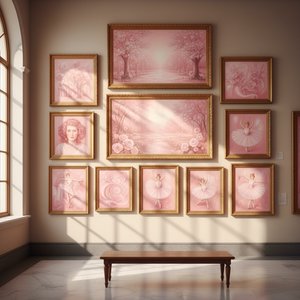
Vaaleanpunkan sävyt taiteessa: 10 kuuluisinta mestariteosta kotiisi – OriginalUniqueArt.com
Uppoudu vaaleanpunkan sävyjen maailmaan! Tutustu 10 kuuluisimpaan maalaukseen – Monet, Renoir, Degas ja muut mestarit. Löydä inspiraatiota sisustukseesi ja tilaa upeat taideteokset kotiisi OriginalUniqueArt.comista. Explore the full collection online!

Shadow & Soul: Why Black & White Photography Remains the Ultimate Power Move in Modern Art
Discover why black & white photography remains a powerful force in contemporary art. Explore the impact of light, shadow, and texture through a visual journey of monochrome mastery and learn how to elevate your space with timeless grayscale aesthetics.
