
 Esikatselu
 Jaa
Jaa Jaa
Jaa
 Tarkemmat tiedot

 Lataa
Lataa
 Samanlaisia
 Röntgenkuva
 Diaesitys
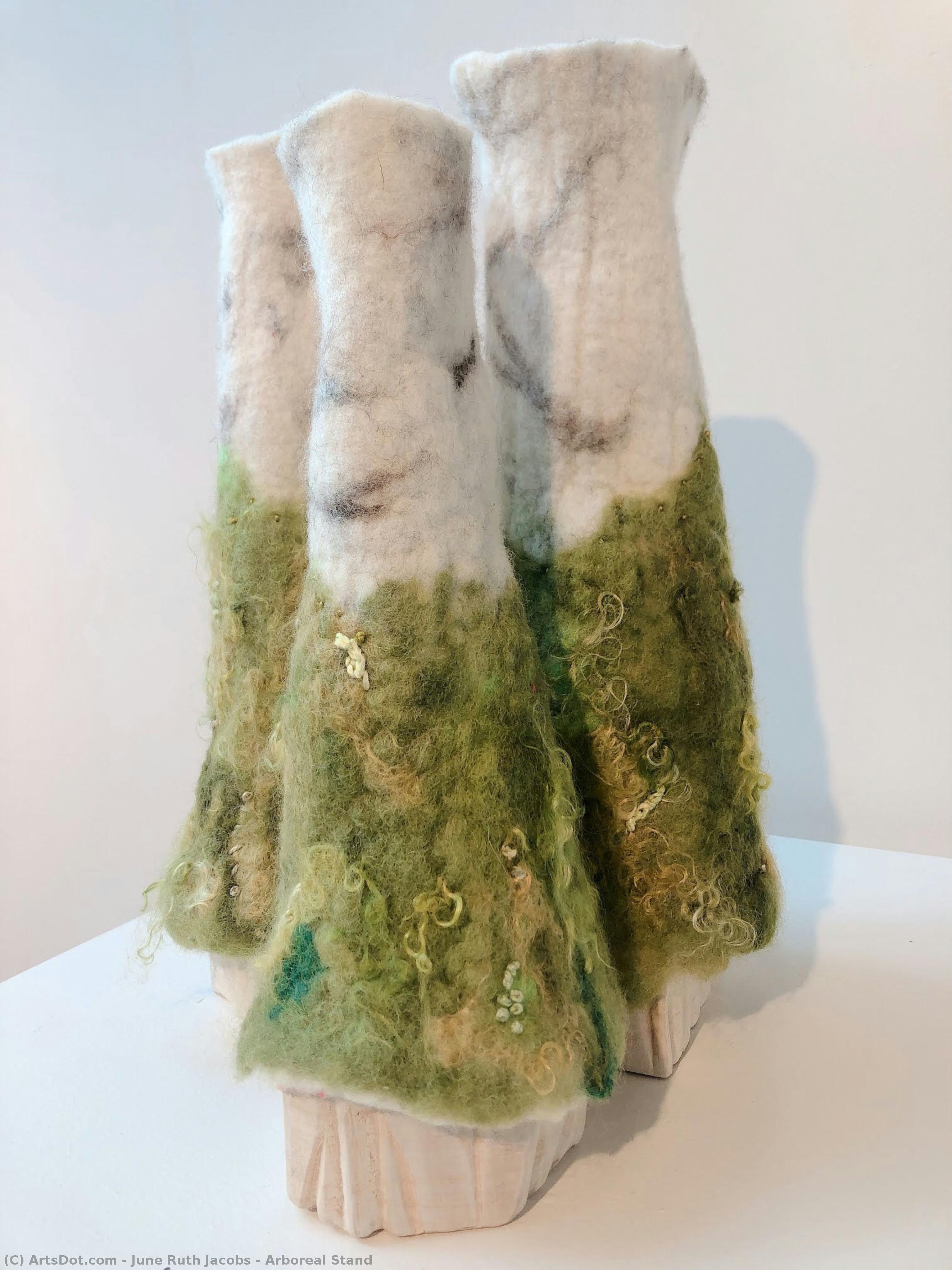
Arboreal Stand


 Näytä lisää
Käsinmaalattu öljykopio
Käsinmaalattu öljyväri kankaalle haluamassasi koossa ja kehyksissä, taiteilijoidemme valmistamana tilauksesta. ( Osta printti Osta kuva)




































Valitse valmiista mitoistamme sellaiset, jotka vastaavat teoksen alkuperäisiä mittasuhteita.

Voit syöttää omat mitat sopimaan tiettyyn kehykseen tai tilaan. Jos valitsemasi koko ei vastaa alkuperäisen kuvan mittasuhteita, rajaamme taideteoksen tai jatkamme maalausta käsin maalatuilla elementeillä. Digitaalinen esikatselu lähetetään hyväksyttäväksi ennen tuotannon aloittamista.
Huomioithan, että näytöllä oleva esikatselu ei vastaa todellista rajausta tai jatkamista. Vain digitaalinen mallikuva näyttää lopullisen sommittelun tarkasti.
Vaikka mittatilaustyöt ovat mahdollisia, suosittelemme valitsemaan mitan ennalta määritetystä listasta alkuperäisten mittasuhteiden säilyttämiseksi.
Tilauksen jälkeen OriginalUniqueArt.com -tiimi lähettää asiakkaalle ohjeet ja esikatselukuvan.
Maailmanlaajuinen toimitus () 3–4 viikossa tavallisen 5 viikon sijaan. (16 elokuu). Laadusta ei tingitä.

Ilmainen pikatoimitus ympäri maailman

Korkealaatuinen pellavakangas

Kattava kuljetusvakuutus

Tulliveron palautustakuu

Täydellinen värien vastaavuustakuu

60 päivän palautusoikeus (vain valmistusvirheet)

100% rahat takaisin -takuu

Määräalennus tarjous
 Lasivaihtoehto on saatavilla vain alle 110 cm kokoisina teoksina

Arboreal Stand
Reproduktiotekniikka
Replikaatin koko
-


Kokonaishinta
$ 300
Taiteilijan elämäkerta
June Ruth Jacobs (1930 – 2018): A Voice for Peace and Jewish Justice
June Ruth Jacobs was a British peace activist whose unwavering dedication to advocating for human rights, particularly within the Jewish community, cemented her legacy as a pivotal figure in the latter half of the 20th century. Born in London in 1930, she emerged from a family steeped in intellectual curiosity and humanitarian concern—her parents, Lilly and Louis Caller, instilled in her a profound belief in social responsibility. This formative influence shaped her lifelong commitment to challenging injustice and championing vulnerable populations. Jacobs’s early education at Westonbirt School provided her with a grounding in scientific inquiry alongside humanist values, preparing her for the intellectual rigor required by her future pursuits. Her marriage to Basil Jacobs in 1950 brought companionship and shared passion for activism—together they established a family centered around values of compassion and engagement with the wider world. Their children inherited this spirit of service, mirroring their parents’ dedication to improving society. The catalyst for Jacobs's transformative involvement in social justice was her participation in youth clubs where she volunteered alongside fellow activists. This experience ignited her desire to confront societal inequities and fueled her determination to translate empathy into tangible action. Notably, she spearheaded the National Council for Soviet Jews (NCSFJ), embarking on daring missions to Moscow and Leningrad during the Cold War era—risking imprisonment to secure the freedom of Jewish refuseniks denied emigration permits from the Soviet Union. These perilous journeys underscored Jacobs’s unwavering conviction that dialogue and advocacy could overcome political barriers. Jacobs's leadership at ICJW brought her to international prominence, where she tirelessly represented the organization at UN Commission on the Status of Women events in New York. Her commitment to advancing women’s rights globally resonated deeply with her own experiences as a woman navigating societal expectations—a perspective that informed her advocacy for equality and justice across borders. She continued her work through membership in European Women's Lobby and Women's International Commission, demonstrating an enduring dedication to fostering collaborative solutions for pressing global challenges. Beyond her activism, Jacobs’s artistic endeavors reflected her profound engagement with the human condition. Her landscapes—particularly “Arboreal Stand”—captivated viewers with their evocative portrayal of natural beauty intertwined with symbolic representations of resilience and interconnectedness. Jacobs's distinctive style blended meticulous observation with expressive brushstrokes, conveying a deep appreciation for both the grandeur of nature and the subtleties of human emotion. She was recognized as an artist who skillfully captured the essence of her surroundings while simultaneously communicating universal themes of contemplation and wonder. Her work stands as testament to her belief that art could inspire empathy and promote understanding—a conviction that underpinned her lifelong commitment to fostering a more compassionate world. Jacobs’s influence extended beyond her artistic practice; she served on the board of directors of New Israel Fund, advocating for social justice within Israel. She championed JCORE's mission to combat antisemitism and discrimination, demonstrating an unwavering dedication to protecting minority rights. Furthermore, Jacobs was honored as Chairwoman of Mishpacha at Kesser Foundation, furthering her commitment to supporting Jewish cultural heritage and fostering intellectual discourse. Her legacy continues to inspire those striving for meaningful change—a testament to the transformative power of compassion, conviction, and artistic expression.
june ruth jacobs
1930 - 2018 , United Kingdom
Pikatiedot
- Artistic Movement Or Style: Landscape Painting
- Artists Or Movements Influenced By This Artist: ['Nam June Paik']
- Date Of Birth: 1930
- Date Of Death: 2018
- Full Name: June Ruth Jacobs
- Nationality: British
- Notable Artworks: ['Arboreal Stand']
- Place Of Birth: United Kingdom

