
 Esikatselu
 Jaa teos
 Jaa
Jaa
 Tiedot
 Opas
Opas

 Lataa kuva
 Samanlaisia kohteita
 Röntgenkuvaus
 Diaesitys
 Kysymykset ja vastaukset
 Tilastot
PAYSAGE AVEC RIVIERE


 Lue lisää
Giclée- ja taideprintit
Museolaatuisia giclée- tai kankaitaulun tulosteita nopealla tuotannolla ja joustavilla viimeistelyvaihtoehdoilla. ( Osta käsinmaalattu taideteos Siirry digitaaliseen kuvaan)




P118B €10

P118H €10

P118W €10

P438Z €10

P508JH €12

P508YH €12

P805H €10

P805Z €10

P919BZ €10

P919G €10

P919XJ €10

P959ZH €10

P968JZ €12

W106C €8

W218G €10

W218JH €8

W218Y €10

W307PJ €10

W316G €10

W316PJ €8

W316Y €10

W398PJ €8

W4111J €10

W500HY €15

W500JH €15

W692G €12

W849H €8

W940BG €15

W953PJ €8




Valitse valmiista mitoistamme sellaiset, jotka vastaavat teoksen alkuperäisiä mittasuhteita.

Syötä tarvitsemasi leveys ja korkeus, jotta tuloste sopii kehyksiisi tai seinällesi. Tulostetta voidaan vain leikata, sitä ei voida koskaan suurentaa alkuperäistä kuvaa suuremmaksi, joten eri muotoinen koko aiheuttaa osan kuvasta katoamisen. Lähetämme sinulle digitaalisen mallikuvan hyväksyttäväksi ennen kuin aloitamme tulostuksen. Tällä sivulla näkyvä kuva ei näytä lopullista rajausta — vain mallikuva näyttää sen.
Maailmanlaajuinen toimitus () 2 viikossa tavallisen 4–5 viikon sijaan. (7 marraskuu)

Ilmainen pikatoimitus ympäri maailman

Korkealaatuinen pellavakangas

Kattava kuljetusvakuutus

Tulliveron palautustakuu

Takuu täydellisestä värien vastaavuudesta

100 päivän palautusoikeus (vain valmistusvirheet)

100% rahat takaisin -takuu

Määräalennus tarjolla
 Lasivaihtoehto on saatavilla vain alle 110 cm kokoisille teoksille

PAYSAGE AVEC RIVIERE
Giclée- ja taideprintit
Replikaatin koko
-


Kokonaishinta
€ 72
A Symphony of Light and Shadow: Unveiling Jules Dupré’s “PAYSAGE AVEC RIVIERE”
Jules Dupré's "PAYSAGE AVEC RIVIERE" is more than a simple depiction of a river landscape; it’s a profound meditation on the relationship between humanity and the natural world, rendered with the raw emotion characteristic of the Barbizon School. Painted in 1834, this work transports us to a serene corner of France, where the gentle flow of water and the dappled light filtering through ancient trees evoke a sense of tranquility and timelessness. Dupré, deeply influenced by Constable’s masterful use of atmospheric perspective, sought not merely to represent a scene but to capture its very essence – the feeling of being immersed in nature's embrace.
The Barbizon School: A Return to Nature
To fully appreciate “PAYSAGE AVEC RIVIERE,” it’s crucial to understand the context within which Dupré worked. The mid-19th century witnessed a shift in artistic priorities, as artists increasingly rejected the rigid formality of Neoclassicism and Romanticism in favor of a more direct engagement with nature. This movement coalesced around the Barbizon School, centered near Paris, where painters like Corot, Théodore Rousseau, and Dupré gathered to study landscapes directly from life. Unlike their predecessors who often idealized or embellished natural scenes, the Barbizon artists prioritized observation, aiming for an honest and unvarnished portrayal of the world as they saw it. Dupré’s work exemplifies this commitment – a deliberate rejection of artificiality in favor of capturing the authentic mood and atmosphere of the French countryside.
Technique and Composition: Layers of Atmosphere
Dupré's masterful technique is immediately apparent in the painting’s rich textures and subtle color variations. He employed a layered approach, building up the image through numerous thin glazes of oil paint, creating an illusion of depth and luminosity. The composition is carefully balanced, with the winding river acting as a visual anchor that draws the eye into the distance. Notice how he utilizes atmospheric perspective – distant trees are rendered in paler hues and appear less distinct, conveying a sense of vastness and the passage of time. Linear perspective subtly guides the viewer’s gaze along the riverbank, while the interplay of light and shadow creates a dynamic and engaging visual experience. The brushstrokes themselves, though visible, are controlled and deliberate, contributing to the painting's overall sense of realism.
Symbolism and Emotional Resonance
While “PAYSAGE AVEC RIVIERE” avoids overt symbolism, it’s imbued with a powerful emotional resonance. The tranquil river, the ancient trees, and the diffused light all contribute to a feeling of peace and serenity. Dupré wasn't simply painting a landscape; he was conveying a mood – a sense of connection with nature, a quiet contemplation of the beauty and power of the natural world. There’s an underlying melancholy present, perhaps reflecting the fleeting nature of time or the vulnerability of human existence in the face of nature’s grandeur. The scene invites reflection on our place within this vast and enduring landscape.
A Legacy of Naturalism: Reproductions and Beyond
Jules Dupré's “PAYSAGE AVEC RIVIERE” stands as a testament to the Barbizon School’s commitment to naturalistic representation. Today, high-quality reproductions offer an accessible way to experience this remarkable work of art. Whether adorning a living room wall or gracing a study, a reproduction captures the essence of Dupré's vision – a timeless celebration of the beauty and tranquility of the French countryside. Consider how the painting’s muted palette and atmospheric perspective would complement a variety of interior design styles, adding a touch of rustic elegance and contemplative serenity to any space.
Kysymykset ja vastaukset
Minkä tyyppinen teos Jules Dupré:n "PAYSAGE AVEC RIVIERE" on?
Jules Dupré:n "PAYSAGE AVEC RIVIERE" on luokiteltu tyypiksi WallArt. Luokitus kertoo, minkä tyyppinen alkuperäisteos on kyseessä.
Kuinka voimakas kontrasti teoksessa Jules Dupré:n "PAYSAGE AVEC RIVIERE" on?
Teoksen Jules Dupré:n "PAYSAGE AVEC RIVIERE" kontrastitaso on Statement.
Ovatko teoksen "PAYSAGE AVEC RIVIERE" värit voimakkaita vai hillittyjä?
Jules Dupré:n "PAYSAGE AVEC RIVIERE"-teoksen värit ilmentävät Subtle Color kylläisyyttä ja Balanced voimakkuutta.
Taiteilijan elämäkerta
Barbizonin dramaattinen sielu
Jules Dupré (1811–1889) seisoo kulmakivenä Barbizon-koulun piirissä, taiteellisessa liikkeessä, joka puolusti raakaa havainnointia ja emotionaalista kaihoa maisemamaalauksessa. Toisin kuin hänen aikalaistensa, kuten Corot’n, jotka tavoittelivat lyyrillistä kauneutta ja tyyntä pysähtyneisyyttä, Dupré kamppaili luonnon synkemmien ja myrskyisämpien puolien kanssa. Hänellä oli ainutlaatuinen kyky vangita myrskyjen raivo, hämärän melankolinen mahtavuus ja elementtien perumaton energia, välittäen nämä kokemukset vertaansa vailla olevalla intensiteetillä. Nantesissa, Ranskassa syntyneen Dupré’n taiteellinen matka alkoi kasvavasta kiehtoutumisesta luonnon maailmaan ja sen kykyyn herättää syviä, usein myllertäviä inhimillisiä tunteita.
Hänen varhaiset vuotensa loivat pohjan huolelliselle yksityiskohtien tarkkuudelle ja arvostukselle käsityötaitoa kohtaan – ominaisuuksille, jotka hioutuivat hänen isänsä posliinivalmistusyrityksessä. Tämä muovaava kokemus kääntyi myöhemmin hänen omiin taiteellisiin pyrkimyksiinsä, mikä näkyy erityisen selvästi hänen varhaisissa teoksissaan, joissa hän tutki keramiikan koristelun monimutkaisuutta. Posliinimaalauksen oppipoikana hän oppi hienojen viivojen ja tekstuurien kurinalaisuuden, taitolajista, joka kehittyi lopulta mestarilliseksi tavaksi hallita ilmakehän syvyyttä ja orgaanisia muotoja.
Myrskyn ja taivaan muovaama visio
Dupré’n uran suunta sai peruuttamattoman muodon kohdatessaan John Constable’n mullistavat kankaat. Tämä altistuminen englantilaisille maisemaperinteille sytytti halun vangita luonnon dynamiikan olemus – tuulen piiskaaman lehvästön jatkuva liike ja valon sekä varjon dramaattinen vuoropuhelu päivän myrskyisimpinä tunteina. Matkustaessaan Isoon-Britanniaan vuonna 1831 Dupré teki syvällisiä tutkimuksia näiden englantilaisten mestareiden tyylistä ja palasi Ranskaan kuvastolla, joka määritteli uudelleen hänen lähestymistapansa maisemaan.
Hän löysi erityistä inspiraatiota Southamptonin ja Plymouthin ympäristön rannikkoalueilta. Nämä valtavat vesialueet, jotka heijastivat myrskyisiä taivaita, tarjosivat hänelle täydellisen laboratorion tutkia ukkospilvien levotonta liikettä ja merten pauhua. Hänen aikakauden maalauksensa eivät ole pelkkiä esityksiä maisemasta; ne ovat viskeraaleja ilmaisuja tunnelmasta ja tunteesta, täynnä käsinkosketeltavaa draamaa ja jopa surua. Omaksumalla Barbizonin estetiikan Dupré asetti ilmeikkään väripaletin ja rohkeat siveltimenvedot idealisoidun tai kiillotetun esityksen edelle, antaen maalin tekstuurin itsessään heijastaa maan karuutta.
Barbizonin mestarin perintö
Keskeisenä hahmona Barbizon-ryhmässä Dupré kehitti läheisiä siteitä muihin legendaarisiin maalareihin, kuten Théodore Rousseau’hun. Hänen nousunsa ranskalaisen taide-elämän huipulle leimautui merkittäviä virstanpylväitä, kuten hyväksyntä Salongiin ja virallinen tunnustus mitalien muodossa maisemamaalauksistaan. Hänen työstään tuli synonyymi tietylle soinnikkaalle ja resonoivalle väriharmonialle, jossa laskevan auringon valo tai lähestyvän myrskyn pimeys voitiin kokea yhtä paljon kuin nähdä.
Nykyään Jules Dupré muistetaan yhtenä 1800-luvun vaikutusvaltaisimmista ranskalaisista maisemamaalareista. Hänen panoksensa taiteeseen piilee kyvyssä yhdistää puhdas havainnointi ja romanttinen tunne. Teosten, kuten La Petite Charrette, Cows Crossing a Ford ja hänen lumoavien jokimaisemien kautta hän opetti sukupolville taiteilijoille, ettei luonto ole vain maalaamisen kohde, vaan voimakas voima, joka on koettava. Hänen perintönsä on säilynyt raskaina, ilmakehää täyttävinä tekstuureina ja dramaattisina, hengittävinä taivaina, jotka jatkavat modernin mielikuvituksen vangitsemista.

Jules Dupré
1811 - 1889 , Ranska
Pähkinänkuoressa
- Artistic Movement Or Style: Barbizonin koulu
- Artists Or Movements Influenced By This Artist: ['Romantiikka']
- Artists Who Influenced This Artist: ['Constable']
- Date Of Birth: Nantes, Ranska (1811)
- Date Of Death: 6. lokakuuta 1889
- Full Name: Jules Dupré
- Nationality: Ranskalainen
- Notable Artworks:
- Aamu ja ilta Louvrella
- Yli laiturilla Wallace-kokoelmassa
- Place Of Birth: Ranska
Aiheeseen liittyvät artikkelit
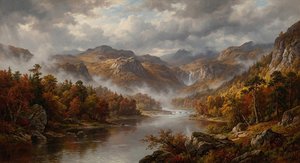
Hudson River School - 10 mestariteosta, jotka määrittelivät amerikkalaisen maisemamaalauksen
Tutustu Hudson River School -liikkeen 10 mestariteokseen! Thomas Cole, Frederic Church ja Albert Bierstadt loivat upeita maisemamaalauksia. Löydä amerikkalaisen taiteen historiaa ja inspiroi sisustusta museolaatuisilla reproduktioilla OriginalUniqueArt.comista.
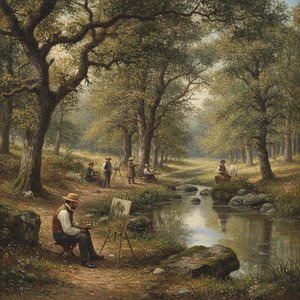
The Barbizon School: The Revolution of Naturalism and the Birth of Plein Air Landscape Painting
Explore the profound impact of the Barbizon School on landscape painting. Discover how masters like Rousseau and Corot revolutionized art through plein air naturalism, moving from academic idealism to the authentic beauty of the French countryside.
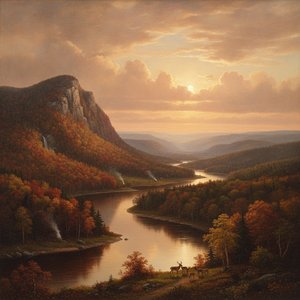
The Hudson River School: A Definitive Guide to America's Romantic Landscape Tradition
Explore the profound legacy of the Hudson River School. Discover how masters like Thomas Cole captured the American sublime through Romanticism and Luminism. A definitive guide for art historians and collectors seeking to understand America's wild beauty.
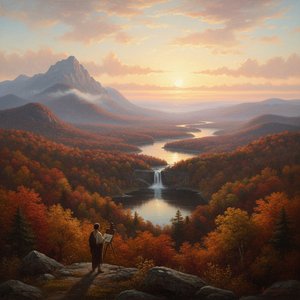
The Sublime Landscape: Exploring the Hudson River School Movement
Explore the captivating world of the Hudson River School! Discover the history, artists, and defining characteristics of this iconic American art movement. Learn about Romanticism's influence & find inspiration for your collection.

The Barbizon School: A Professional Guide to Naturalism and Landscape Mastery for Interior Designers
Explore the Barbizon School's mastery of naturalism. An expert guide for hotel designers and procurement managers on sourcing high-quality landscape reproductions to elevate hospitality and corporate interiors with authentic, large-scale fine art solutions.