
 Esikatselu
 Jaa teos
 Jaa
Jaa
 Tiedot
 Opas
Opas

 Lataa kuva
 Samanlaisia kohteita
 Röntgenkuvaus
 Diaesitys
 Kysymykset ja vastaukset
 Tilastot
BORDS DE RIVIERE


 Lue lisää
Giclée- ja taideprintit
Museolaatuisia giclée- tai kankaitaulun tulosteita nopealla tuotannolla ja joustavilla viimeistelyvaihtoehdoilla. ( Osta käsinmaalattu taideteos Siirry digitaaliseen kuvaan)




P118B €10

P118H €10

P118W €10

P438Z €10

P508JH €12

P508YH €12

P805H €10

P805Z €10

P919BZ €10

P919G €10

P919XJ €10

P959ZH €10

P968JZ €12

W106C €8

W218G €10

W218JH €8

W218Y €10

W307PJ €10

W316G €10

W316PJ €8

W316Y €10

W398PJ €8

W4111J €10

W500HY €15

W500JH €15

W692G €12

W849H €8

W940BG €15

W953PJ €8




Valitse valmiista mitoistamme sellaiset, jotka vastaavat teoksen alkuperäisiä mittasuhteita.

Syötä tarvitsemasi leveys ja korkeus, jotta tuloste sopii kehyksiisi tai seinällesi. Tulostetta voidaan vain leikata, sitä ei voida koskaan suurentaa alkuperäistä kuvaa suuremmaksi, joten eri muotoinen koko aiheuttaa osan kuvasta katoamisen. Lähetämme sinulle digitaalisen mallikuvan hyväksyttäväksi ennen kuin aloitamme tulostuksen. Tällä sivulla näkyvä kuva ei näytä lopullista rajausta — vain mallikuva näyttää sen.
Maailmanlaajuinen toimitus () 2 viikossa tavallisen 4–5 viikon sijaan. (7 marraskuu)

Ilmainen pikatoimitus ympäri maailman

Korkealaatuinen pellavakangas

Kattava kuljetusvakuutus

Tulliveron palautustakuu

Takuu täydellisestä värien vastaavuudesta

100 päivän palautusoikeus (vain valmistusvirheet)

100% rahat takaisin -takuu

Määräalennus tarjolla
 Lasivaihtoehto on saatavilla vain alle 110 cm kokoisille teoksille

BORDS DE RIVIERE
Giclée- ja taideprintit
Replikaatin koko
-


Kokonaishinta
€ 72
A Symphony of Dusk: Jules Dupré’s “Bords de Rivière”
Jules Dupré's "Bords de Rivière" – translating roughly as “Riverbanks” – isn’t merely a depiction of a pastoral scene; it’s an immersion into the heart of a fleeting moment, a captured breath of twilight. Painted in 1834, this oil on canvas offers a profound meditation on nature's power and the quiet beauty found within its dramatic shifts. Dupré, a pivotal figure in the Barbizon School, rejected the idealized landscapes favored by earlier generations, instead choosing to portray the raw, untamed essence of the French countryside – particularly its often turbulent skies and the subtle interplay of light and shadow.
The scene unfolds along a gently curving river, framed by a venerable oak tree that dominates the left side of the composition. A small herd of cows grazes peacefully near the water’s edge, their forms rendered with a loose, almost impressionistic touch, suggesting movement and life rather than rigid detail. In the distance, a line of trees hints at a rolling hillside, receding into a hazy blue horizon. The river itself isn't a mirror; it reflects the drama above, mirroring the bruised purple and grey hues of the approaching storm. This deliberate choice by Dupré elevates the painting beyond a simple landscape view, transforming it into a study of atmospheric perspective and the evocative power of color.
The Barbizon’s Embrace: Light, Atmosphere, and Observation
Dupré's artistic philosophy was deeply rooted in the principles of the Barbizon School. Rejecting the polished surfaces and meticulous detail of academic painting, the Barbizon artists prioritized direct observation and capturing the immediate effects of light and atmosphere. Dupré spent much of his career outdoors, meticulously studying the changing conditions of nature – the shifting clouds, the interplay of sunlight on water, and the subtle variations in color across the landscape. This commitment to *plein air* painting is evident in “Bords de Rivière,” where every brushstroke seems imbued with a sense of immediacy and spontaneity.
The technique employed here is characterized by loose, expressive brushwork – visible strokes that build up layers of color to create texture and depth. Dupré masterfully utilizes *sfumato*, a subtle blurring of lines and edges, to soften the forms and create an atmospheric haze. The colors are muted and earthy—greens, browns, ochres, and blues—but they vibrate with intensity, particularly in the dramatic sky. Notice how he doesn’t attempt to render every detail; instead, he focuses on capturing the *feeling* of the scene – a sense of melancholy, mystery, and the sublime beauty of nature's power.
Symbolism and Emotional Resonance
Beyond its purely visual appeal, “Bords de Rivière” is rich in symbolic meaning. The cows, symbols of abundance and rural prosperity, represent the connection between humanity and the land. However, their placid grazing contrasts sharply with the turbulent sky above, suggesting a tension between tranquility and impending change. The oak tree, an ancient symbol of strength and resilience, anchors the composition and provides a sense of stability amidst the drama.
The painting’s emotional impact is profound. It evokes a feeling of quiet contemplation, inviting the viewer to slow down and appreciate the beauty of the natural world. There's a hint of melancholy in the fading light, a recognition of the ephemeral nature of time and beauty. Yet, there’s also a sense of hope—a reminder that even amidst darkness and uncertainty, there is always the promise of a new dawn.
A Legacy of Impressionism: Reproduction and Interpretation
Jules Dupré's influence extends far beyond his own lifetime. His work paved the way for later Impressionist painters like Monet and Pissarro, who built upon his emphasis on light, atmosphere, and direct observation. Reproductions of “Bords de Rivière” capture much of the original’s evocative power, offering a glimpse into Dupré's artistic vision. When selecting a reproduction, consider the quality of the print and the accuracy of color rendition – details that are crucial to appreciating the nuances of this remarkable painting. Whether adorning a living room wall or gracing a study, “Bords de Rivière” remains a timeless testament to the beauty and power of nature.
Kysymykset ja vastaukset
Mihin huoneeseen Jules Dupré:n "BORDS DE RIVIERE" suositellaan sijoitettavaksi sen värien perusteella?
Jules Dupré:n "BORDS DE RIVIERE"-teoksen Earthy värit soveltuvat erinomaisesti sen suositeltuun tilaan: Living Room.
Kuinka voimakas kontrasti teoksessa Jules Dupré:n "BORDS DE RIVIERE" on?
Teoksessa Jules Dupré:n "BORDS DE RIVIERE" on Statement kontrasti vaaleiden ja tummien alueiden välillä.
Mistä voin löytää teoksia, jotka muistuttavat teosta Jules Dupré:n "BORDS DE RIVIERE"?
Teoksen Jules Dupré:n "BORDS DE RIVIERE" Samankaltaisia teoksia -sivu esittelee samankaltaisia teoksia.
Taiteilijan elämäkerta
Barbizonin dramaattinen sielu
Jules Dupré (1811–1889) seisoo kulmakivenä Barbizon-koulun piirissä, taiteellisessa liikkeessä, joka puolusti raakaa havainnointia ja emotionaalista kaihoa maisemamaalauksessa. Toisin kuin hänen aikalaistensa, kuten Corot’n, jotka tavoittelivat lyyrillistä kauneutta ja tyyntä pysähtyneisyyttä, Dupré kamppaili luonnon synkemmien ja myrskyisämpien puolien kanssa. Hänellä oli ainutlaatuinen kyky vangita myrskyjen raivo, hämärän melankolinen mahtavuus ja elementtien perumaton energia, välittäen nämä kokemukset vertaansa vailla olevalla intensiteetillä. Nantesissa, Ranskassa syntyneen Dupré’n taiteellinen matka alkoi kasvavasta kiehtoutumisesta luonnon maailmaan ja sen kykyyn herättää syviä, usein myllertäviä inhimillisiä tunteita.
Hänen varhaiset vuotensa loivat pohjan huolelliselle yksityiskohtien tarkkuudelle ja arvostukselle käsityötaitoa kohtaan – ominaisuuksille, jotka hioutuivat hänen isänsä posliinivalmistusyrityksessä. Tämä muovaava kokemus kääntyi myöhemmin hänen omiin taiteellisiin pyrkimyksiinsä, mikä näkyy erityisen selvästi hänen varhaisissa teoksissaan, joissa hän tutki keramiikan koristelun monimutkaisuutta. Posliinimaalauksen oppipoikana hän oppi hienojen viivojen ja tekstuurien kurinalaisuuden, taitolajista, joka kehittyi lopulta mestarilliseksi tavaksi hallita ilmakehän syvyyttä ja orgaanisia muotoja.
Myrskyn ja taivaan muovaama visio
Dupré’n uran suunta sai peruuttamattoman muodon kohdatessaan John Constable’n mullistavat kankaat. Tämä altistuminen englantilaisille maisemaperinteille sytytti halun vangita luonnon dynamiikan olemus – tuulen piiskaaman lehvästön jatkuva liike ja valon sekä varjon dramaattinen vuoropuhelu päivän myrskyisimpinä tunteina. Matkustaessaan Isoon-Britanniaan vuonna 1831 Dupré teki syvällisiä tutkimuksia näiden englantilaisten mestareiden tyylistä ja palasi Ranskaan kuvastolla, joka määritteli uudelleen hänen lähestymistapansa maisemaan.
Hän löysi erityistä inspiraatiota Southamptonin ja Plymouthin ympäristön rannikkoalueilta. Nämä valtavat vesialueet, jotka heijastivat myrskyisiä taivaita, tarjosivat hänelle täydellisen laboratorion tutkia ukkospilvien levotonta liikettä ja merten pauhua. Hänen aikakauden maalauksensa eivät ole pelkkiä esityksiä maisemasta; ne ovat viskeraaleja ilmaisuja tunnelmasta ja tunteesta, täynnä käsinkosketeltavaa draamaa ja jopa surua. Omaksumalla Barbizonin estetiikan Dupré asetti ilmeikkään väripaletin ja rohkeat siveltimenvedot idealisoidun tai kiillotetun esityksen edelle, antaen maalin tekstuurin itsessään heijastaa maan karuutta.
Barbizonin mestarin perintö
Keskeisenä hahmona Barbizon-ryhmässä Dupré kehitti läheisiä siteitä muihin legendaarisiin maalareihin, kuten Théodore Rousseau’hun. Hänen nousunsa ranskalaisen taide-elämän huipulle leimautui merkittäviä virstanpylväitä, kuten hyväksyntä Salongiin ja virallinen tunnustus mitalien muodossa maisemamaalauksistaan. Hänen työstään tuli synonyymi tietylle soinnikkaalle ja resonoivalle väriharmonialle, jossa laskevan auringon valo tai lähestyvän myrskyn pimeys voitiin kokea yhtä paljon kuin nähdä.
Nykyään Jules Dupré muistetaan yhtenä 1800-luvun vaikutusvaltaisimmista ranskalaisista maisemamaalareista. Hänen panoksensa taiteeseen piilee kyvyssä yhdistää puhdas havainnointi ja romanttinen tunne. Teosten, kuten La Petite Charrette, Cows Crossing a Ford ja hänen lumoavien jokimaisemien kautta hän opetti sukupolville taiteilijoille, ettei luonto ole vain maalaamisen kohde, vaan voimakas voima, joka on koettava. Hänen perintönsä on säilynyt raskaina, ilmakehää täyttävinä tekstuureina ja dramaattisina, hengittävinä taivaina, jotka jatkavat modernin mielikuvituksen vangitsemista.

Jules Dupré
1811 - 1889 , Ranska
Pähkinänkuoressa
- Artistic Movement Or Style: Barbizonin koulu
- Artists Or Movements Influenced By This Artist: ['Romantiikka']
- Artists Who Influenced This Artist: ['Constable']
- Date Of Birth: Nantes, Ranska (1811)
- Date Of Death: 6. lokakuuta 1889
- Full Name: Jules Dupré
- Nationality: Ranskalainen
- Notable Artworks:
- Aamu ja ilta Louvrella
- Yli laiturilla Wallace-kokoelmassa
- Place Of Birth: Ranska
Aiheeseen liittyvät artikkelit
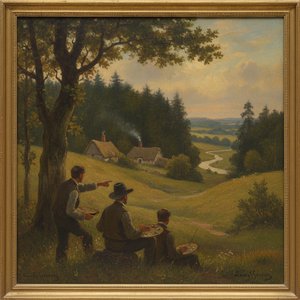
The Barbizon School: The Soulful Origins of Impressionism's Natural Light and Atmospheric Mastery
Discover the profound influence of the Barbizon School on Impressionism. Explore how these masters captured natural light and atmospheric beauty through plein air painting, paving the way for Monet and Renoir. A journey into the soulful origins of landscape art history.

Evoking Nature's Sublime: A Comprehensive Exploration of 19th-Century Landscape Painting
Explore the captivating world of 19th-century landscape painting! Discover renowned artists like Friedrich & Monet, key movements, and find the perfect artwork to bring nature's serenity into your home. Expert insights at OriginalUniqueArt.

Romanttisen maisemamaalauksen mestariteokset: Taidetta ja inspiraatiota kotiin
Uppoudu romanttisen maisemamaalauksen maailmaan! Tutustu Caspar David Friedrichin, Turnerin ja muiden mestareiden ikonisiin teoksiin. Löydä inspiraatiota kotiisi taiteen avulla OriginalUniqueArt.comista – laadukkaat taideprintit ja sisustusideoita.
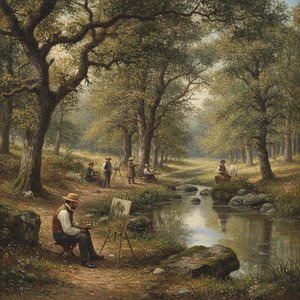
The Barbizon School: The Revolution of Naturalism and the Birth of Plein Air Landscape Painting
Explore the profound impact of the Barbizon School on landscape painting. Discover how masters like Rousseau and Corot revolutionized art through plein air naturalism, moving from academic idealism to the authentic beauty of the French countryside.

The Barbizon School: A Professional Guide to Naturalism and Landscape Mastery for Interior Designers
Explore the Barbizon School's mastery of naturalism. An expert guide for hotel designers and procurement managers on sourcing high-quality landscape reproductions to elevate hospitality and corporate interiors with authentic, large-scale fine art solutions.