

 Katso seinällä
 Lähetä
 Jaa
Jaa
 Tarkemmat tiedot
 Opas
Opas

 Lataa kuva
 Samanlaisia kohteita
 Röntgenkuvaus
 Diaesitys
 Tilastot
Rio Tinto Company Dock


 Lue lisää
Käsinmaalattu öljyvärinen jäljennös
Käsinmaalattu öljyväri kankaalle haluamassasi koossa ja kehyksissä, taiteilijoidemme valmistamana tilauksesta. ( Vaihda tulosteeseen Siirry digitaaliseen kuvaan)




































Valitse valmiista mitoistamme sellaiset, jotka vastaavat teoksen alkuperäisiä mittasuhteita.

Voit syöttää omat mitat sopimaan tiettyyn kehykseen tai tilaan. Jos valitsemasi koko ei vastaa alkuperäisen kuvan mittasuhteita, rajaamme taideteoksen tai jatkamme maalausta käsin maalatuilla elementeillä. Digitaalinen esikatselu lähetetään hyväksyttäväksi ennen tuotannon aloittamista.
Huomioithan, että näytöllä oleva esikatselu ei vastaa todellista rajausta tai jatkamista. Vain digitaalinen mallikuva näyttää lopullisen sommittelun tarkasti.
Vaikka mittatilaustyöt ovat mahdollisia, suosittelemme valitsemaan mitan ennalta määritetystä listasta alkuperäisten mittasuhteiden säilyttämiseksi.
Tilauksen jälkeen OriginalUniqueArt.com -tiimi lähettää asiakkaalle sähköpostitse ohjeet ja esikatselukuvan.
Maailmanlaajuinen toimitus () 3–4 viikossa tavallisen 5 viikon sijaan. (25 syyskuu). Laadusta ei tingitä.

Ilmainen pikatoimitus ympäri maailman

Korkealaatuinen pellavakangas

Kattava kuljetusvakuutus

Tulliveron palautustakuu

Takuu täydellisestä värien vastaavuudesta

100 päivän palautusoikeus valmistusvirhetapauksissa

100% rahat takaisin -takuu

Määräalennus saatavilla
 Lasivaihtoehto on saatavilla vain alle 110 cm kokoisille teoksille

Rio Tinto Company Dock
Reproduktiotapa
Replikaatin koko
-


Kokonaishinta
$ 300
Taiteilijan elämäkerta
Christian Krohg: A Pioneer of Norwegian Naturalism
Christian Krohg, born in Oslo on August 13th, 1852, and passing away on October 16th, 1925, stands as a pivotal figure in the development of Norwegian art. More than simply a painter, he was a multifaceted artist – an illustrator, author, journalist, and even a short-lived professor at the Norwegian National Academy of Fine Arts. Krohg’s legacy rests primarily on his pioneering work within the naturalism movement, a style deeply rooted in depicting everyday life with unflinching realism and a keen observation of the human condition. His early years were marked by rigorous artistic training, beginning with studies at Hartvig Nissen School and later encompassing experiences in Karlsruhe and Berlin, each contributing to the breadth of his artistic vision. These formative periods exposed him to diverse techniques and approaches, ultimately shaping his distinctive style.Early Influences and Artistic Development
Krohg’s artistic journey was profoundly influenced by the realism movement, a reaction against the romanticism prevalent in earlier art. Artists like Gustave Courbet served as key inspirations, demonstrating a commitment to portraying subjects truthfully without idealization or embellishment. This emphasis on direct observation is immediately apparent in Krohg's work, particularly his choice of subject matter – scenes from rural life, portraits of ordinary people, and intimate glimpses into domestic settings. His early paintings often featured fishermen, farmworkers, and families, capturing their lives with remarkable detail and empathy. The harsh realities of Norwegian society, including poverty and hardship, were not shied away from but rather presented with a quiet dignity. His work during the 1880s, particularly his time spent in Skagen, alongside artists like Anna and Michael Ancher, further solidified his commitment to capturing the essence of life as it was lived—a focus on light, color, and the transient moments of everyday existence.Key Works and Artistic Techniques
Krohg’s oeuvre is characterized by a masterful command of technique and a subtle yet powerful use of color. He employed a loose, expressive brushstroke that conveyed both texture and atmosphere. His paintings often feature muted palettes—earthy browns, grays, and blues—reflecting the somber tones of the Norwegian landscape and the lives of its inhabitants. Notable works include “The Harem” (circa 1879), a study of female figures rendered with remarkable sensitivity; "The Natural Bridge, Virginia" (1852) which showcases his ability to capture the grandeur of nature; and “Hafiz at the Fountain,” a poignant depiction of an elderly man lost in thought. His illustrations for Harper’s Weekly further demonstrated his versatility and keen eye for detail, solidifying his reputation as a skilled visual storyteller. Krohg's work wasn't merely about replicating reality; it was about conveying emotion and insight through careful observation and skillful execution.Legacy and Historical Significance
Christian Krohg’s contribution to Norwegian art is undeniable. He played a crucial role in establishing naturalism as a dominant force within the country’s artistic landscape, paving the way for subsequent generations of artists. His unflinching portrayal of ordinary people and their lives offered a counterpoint to the idealized representations prevalent in earlier art movements. Krohg's influence extended beyond painting; his work as an illustrator and journalist demonstrated his commitment to engaging with contemporary issues and reflecting the realities of Norwegian society. He served as the first professor at the Norwegian National Academy of Fine Arts, shaping the artistic education of countless students. His legacy continues to resonate today, reminding us of the power of art to illuminate the human experience and capture the beauty in the everyday. He remains a significant figure in understanding the evolution of realism and naturalism within the broader context of 19th-century European art.Further Resources

joseph thomas i bigas
1852 - 1910 , Spain
Tietoa taiteilijasta
- Artistic Movement Or Style: Naturalist painter
- Artists Or Movements Influenced By This Artist: ['Naturalism art movement']
- Artists Who Influenced This Artist:
- Frits Thaulow
- Hans Gude
- Karl Gussow
- Date Of Birth: 1852
- Date Of Death: 1925
- Full Name: Christian Krohg
- Nationality: Norwegian
- Notable Artworks:
- Harem
- The Natural Bridge
- Hafiz at the Fountain
- Place Of Birth: Vestre Aker, Norway
Aiheeseen liittyvät artikkelit

Giclée Prints: Archival Quality & Aesthetic Nuances for the Discerning Collector
Explore the world of giclée prints with OriginalUniqueArt. Learn about archival quality, aesthetic nuances & investment potential. Expert guidance for discerning art collectors seeking museum-quality reproductions and lasting value.

Pictorialism: A Search for Artistic Photography's Soul – Aesthetics, Techniques & Legacy
Explore the captivating world of Pictorialism – a pivotal movement that transformed photography into fine art. Discover key artists like Stieglitz & Käsebier, techniques, and collecting tips from experts.

Beyond the Lens: Photography's Enduring Influence on Modern & Contemporary Art
Explore photography's pivotal role in shaping modern & contemporary art. Discover key movements, influential artists like Stieglitz, and expert collecting advice from OriginalUniqueArt.

Monochrome Visions: Exploring the Aesthetic & Historical Significance of Black & White Photography
Explore the rich history & artistic power of black and white photography. From early techniques to iconic masters like Ansel Adams, discover why monochrome continues to captivate art lovers today. Expert insights for collectors.
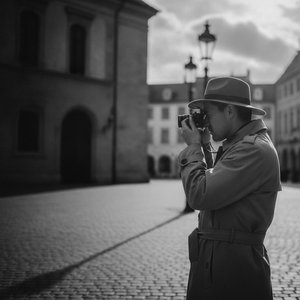
Beyond Color: The Timeless Power and Artistry of Black and White Photography
Explore the profound artistry of black and white photography. From the chemistry of gelatin silver to the chiaroscuro of the Old Masters, discover how monochrome captures the eternal essence of light, form, and emotion for the discerning art collector.