
 Esikatselu
 Jaa
Jaa Jaa
Jaa
 Tarkemmat tiedot

 Lataa
Lataa
 Samanlaisia
 Röntgenkuva
 Diaesitys
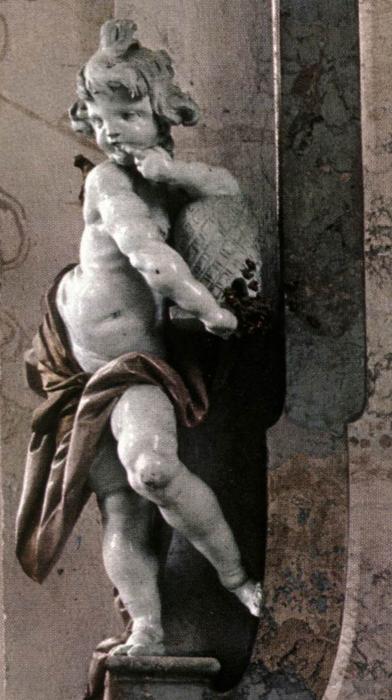
Angel


 Näytä lisää
Käsinmaalattu öljykopio
Käsinmaalattu öljyväri kankaalle haluamassasi koossa ja kehyksissä, taiteilijoidemme valmistamana tilauksesta. ( Osta printti Osta kuva)




































Valitse valmiista mitoistamme sellaiset, jotka vastaavat teoksen alkuperäisiä mittasuhteita.

Voit syöttää omat mitat sopimaan tiettyyn kehykseen tai tilaan. Jos valitsemasi koko ei vastaa alkuperäisen kuvan mittasuhteita, rajaamme taideteoksen tai jatkamme maalausta käsin maalatuilla elementeillä. Digitaalinen esikatselu lähetetään hyväksyttäväksi ennen tuotannon aloittamista.
Huomioithan, että näytöllä oleva esikatselu ei vastaa todellista rajausta tai jatkamista. Vain digitaalinen mallikuva näyttää lopullisen sommittelun tarkasti.
Vaikka mittatilaustyöt ovat mahdollisia, suosittelemme valitsemaan mitan ennalta määritetystä listasta alkuperäisten mittasuhteiden säilyttämiseksi.
Tilauksen jälkeen OriginalUniqueArt.com -tiimi lähettää asiakkaalle ohjeet ja esikatselukuvan.
Maailmanlaajuinen toimitus () 3–4 viikossa tavallisen 5 viikon sijaan. (16 elokuu). Laadusta ei tingitä.

Ilmainen pikatoimitus ympäri maailman

Korkealaatuinen pellavakangas

Kattava kuljetusvakuutus

Tulliveron palautustakuu

Täydellinen värien vastaavuustakuu

60 päivän palautusoikeus (vain valmistusvirheet)

100% rahat takaisin -takuu

Määräalennus tarjous
 Lasivaihtoehto on saatavilla vain alle 110 cm kokoisina teoksina

Angel
Reproduktiotekniikka
Replikaatin koko
-


Kokonaishinta
$ 300
Taiteilijan elämäkerta
Joseph Anton Feuchtmayr: Sculptor of Rococo Grace
Joseph Anton Feuchtmayr (1696 – 1770) stands as a pivotal figure in the Wessobrunner School of sculpture and stucco art, shaping the aesthetic landscape of southern Germany and Switzerland during the High Baroque and early Rococo periods. Born into a distinguished artistic lineage—descendants of Johann Michael Feuchtmayer (the Elder)—he inherited not only talent but also an unwavering dedication to mastering the craft of transforming stone into breathtakingly luminous forms. His legacy resides in his masterful execution of monumental sculptures and intricate stucco decorations, particularly within monastic churches, where he achieved unparalleled renown.Early Life and Artistic Training
Feuchtmayr’s formative years were spent in Linz, Austria, where he received a rigorous artistic education under the tutelage of his father, Franz Joseph Feuchtmayer—a sculptor himself—and other prominent artists of the Wessobrunner School. This environment instilled within him a profound understanding of Baroque sculptural principles and techniques, emphasizing dynamism, emotional expression, and anatomical accuracy. Notably influenced by Diego Francesco Carlone, an Italian stuccoist who traveled extensively throughout Europe, Feuchtmayr honed his skills in achieving surfaces that possessed remarkable reflectivity—a characteristic that would become synonymous with his distinctive style.Notable Commissions and Artistic Style
Feuchtmayr’s career blossomed during the Baroque era, marked by ambitious ecclesiastical projects along the Upper Swabian Baroque Route. He swiftly gained recognition for his work on churches like Birnau Monastery, where he created “The Honey Eater,” a captivating depiction of St. Bernard delivering a sermon—a sculpture celebrated for its expressive gesture and masterful polishing technique. His collaborations with Johann Joseph Christian and Franz Xaver Feuchtmayer (the Elder) solidified his position as one of the foremost sculptors of his time, contributing significantly to the artistic grandeur of the region. Feuchtmayr’s sculptures are characterized by a harmonious blend of classical ideals and Baroque fervor, reflecting an astute assimilation of Italian influences while maintaining a distinctly German sensibility. The surfaces he achieved were exceptionally polished, creating an ethereal glow that captivated viewers and elevated his works to levels of sublime beauty.The Salem Monastery Legacy
Perhaps Feuchtmayr’s most enduring achievement is the monumental altar sculpture for Birnau Monastery—specifically, “The Honey Eater,” a poignant portrayal of St. Bernard delivering a sermon. This masterpiece exemplifies Feuchtmayr's signature style: dynamic composition, meticulous anatomical detail, and an astonishing level of surface polish that renders the figure bathed in radiant light. The sculpture’s enduring popularity testifies to its artistic merit and its ability to convey profound spiritual emotion—a testament to Feuchtmayr’s skill as a sculptor and his contribution to the visual culture of his era.A Continuing Influence
Today, Feuchtmayr's house and workshop in Mimmenhausen serve as a museum dedicated to preserving his artistic legacy. Visitors can explore reproductions of his sculptures and gain insight into his creative process—a tangible connection to a remarkable artist who shaped the aesthetic sensibilities of his time. His influence continues to resonate within contemporary sculpture, reminding us of the enduring power of craftsmanship and the pursuit of beauty through meticulous observation and skillful execution.
Joseph Anton Feuchtmayr
1696 - 1770 , Austria
Pikatiedot
- Artistic Movement Or Style: Rococo
- Artists Or Movements Influenced By This Artist: ['Upper Swabian Baroque Route']
- Artists Who Influenced This Artist: ['Diego Francesco Carlone']
- Date Of Birth: Linz, Austria (1696)
- Date Of Death: 1770
- Full Name: Joseph Anton Feuchtmayr
- Nationality: Austrian
- Notable Artworks:
- St. Joachim
- Pietà
- Place Of Birth: Linz
Liittyvät artikkelit

10 legendaarista pronssiveistosta, jotka mullistivat taiteen – OriginalUniqueArt.com
Tutustu 10 legendaariseen pronssiveistokseen, jotka ovat muuttaneet taiteen historiaa! Rodinista Michelangeloon – opi mestareiden tarinat ja löydä täydellinen taideteos kotiisi OriginalUniqueArt.com:ssa. Laadukkaat jäljennökset & sisustusideat.

The Enduring Form: Exploring Themes & Techniques in Sculpture Across Historical Periods
Explore the rich history of sculpture from ancient masterpieces to contemporary innovations. Discover key techniques, influential artists & investment potential for discerning art collectors.
The Enduring Form: Sculpture Across History, Technique & Emotional Resonance
Explore the rich history of sculpture with OriginalUniqueArt. Discover key techniques, influential artists & investment potential for discerning collectors. Expert insights into valuing and collecting timeless masterpieces.

10 legendaarista pronssiveistosta, jotka mullistivat taiteen – OriginalUniqueArt.com
Tutustu 10 legendaariseen pronssiveistokseen, jotka ovat muokanneet taiteen historiaa! Michelangelo, Rodin ja muut mestarit. Löydä inspiraatiota sisustukseesi ja tutki upeita taideteoksia OriginalUniqueArt.com-sivustolta.

Theatricality & Triumph: Baroque Drama in Painting & Sculpture
Explore the dramatic world of Baroque art! Discover its history, defining characteristics, & lasting influence on painting & sculpture. Expert insights into Caravaggio, Zurbarán, and Bernini – plus high-quality reproductions at OriginalUniqueArt.

