
 Esikatselu
 Jaa teos
 Jaa
Jaa
 Tiedot
 Opas
Opas

 Lataa kuva
 Samanlaisia kohteita
 Röntgenkuvaus
 Diaesitys
 Kysymykset ja vastaukset
 Tilastot
Prometheus

 Lue lisää
Giclée- ja taideprintit
Museolaatuisia giclée- tai kankaitaulun tulosteita nopealla tuotannolla ja joustavilla viimeistelyvaihtoehdoilla. ( Osta käsinmaalattu taideteos Siirry digitaaliseen kuvaan)




































Valitse valmiista mitoistamme sellaiset, jotka vastaavat teoksen alkuperäisiä mittasuhteita.

Syötä tarvitsemasi leveys ja korkeus, jotta tuloste sopii kehyksiisi tai seinällesi. Tulostetta voidaan vain leikata, sitä ei voida koskaan suurentaa alkuperäistä kuvaa suuremmaksi, joten eri muotoinen koko aiheuttaa osan kuvasta katoamisen. Lähetämme sinulle digitaalisen mallikuvan hyväksyttäväksi ennen kuin aloitamme tulostuksen. Tällä sivulla näkyvä kuva ei näytä lopullista rajausta — vain mallikuva näyttää sen.
Maailmanlaajuinen toimitus () 2 viikossa tavallisen 4–5 viikon sijaan. (6 marraskuu)

Ilmainen pikatoimitus ympäri maailman

Korkealaatuinen pellavakangas

Kattava kuljetusvakuutus

Tulliveron palautustakuu

Takuu täydellisestä värien vastaavuudesta

100 päivän palautusoikeus (vain valmistusvirheet)

100% rahat takaisin -takuu

Määräalennus tarjolla
 Lasivaihtoehto on saatavilla vain alle 110 cm kokoisille teoksille

Prometheus
Giclée- ja taideprintit
Replikaatin koko
-


Kokonaishinta
€ 72
Taiteilijan elämäkerta
José Clemente Orozco (1883–1949): A Life Forged in Revolution
José Clemente Orozco, born November 23, 1883, in Zapotlán el Grande (now Ciudad Guzmán), Jalisco, Mexico, stands as a monumental figure in the pantheon of Mexican muralists. His life was inextricably linked to the tumultuous currents of his nation’s history—a period defined by revolution, social upheaval, and a fervent search for national identity. Orozco wasn't merely a painter; he was a visual chronicler of Mexico’s soul, translating its struggles, hopes, and contradictions onto vast canvases that continue to resonate with power today. From an early age, the vibrant yet often harsh realities of Mexican life captivated him. His initial artistic awakening occurred during his school years in Mexico City, where he became enthralled by the work of José Guadalupe Posada, a master engraver whose satirical depictions of death and daily life challenged societal norms. This exposure instilled in Orozco a commitment to art as a vehicle for social commentary—a principle that would define his entire career.Early Life & Artistic Influences
Orozco’s formative years were marked by both intellectual curiosity and personal tragedy. He demonstrated an early aptitude for drawing, fueled by the profound impact of Posada's engravings on his worldview. These prints confronted viewers with unflinching portrayals of mortality and social injustice—a stylistic approach that would permeate Orozco’s subsequent artistic endeavors. His formal training began at the Academy of San Carlos in 1906, where he encountered David Alfaro Siqueiros, a fellow student who would become another key player in the burgeoning Mexican mural movement. This period coincided with significant political unrest and growing demands for social justice—the aftermath of the Mexican Revolution (1910-1920). The revolution unleashed an unprecedented surge of artistic expression, driven by a desire to forge a uniquely Mexican aesthetic that honored indigenous culture and confronted the nation’s pressing challenges. Alongside Rivera and Siqueiros, Orozco became one of the “big three” muralists who spearheaded this movement—a collective determined to reshape Mexico's cultural landscape through monumental art projects.The Accident & Artistic Determination
A youthful accident profoundly altered Orozco’s life trajectory. At seventeen, while experimenting with explosives during a fireworks display, he suffered a devastating injury—the loss of his left hand. Despite this debilitating setback, Orozco refused to succumb to despair; instead, he channeled his grief and frustration into artistic creation. He returned to the Academy of San Carlos with renewed vigor, dedicating himself to mastering painting techniques and honing his craft. This unwavering resolve would become a hallmark of his artistic persona—a testament to his resilience and unwavering belief in the transformative power of art. His determination to overcome adversity served as inspiration for many artists who followed him.The Birth of Mexican Muralism & Orozco’s Distinct Voice
Orozco's vision of the mythical figure of Prometheus as an allegory for art intended for a broad audience highlights the ethos of post-revolutionary Mexican muralism as a means to transform society. The muralists viewed their art as a weapon for social justice and civic engagement. The work of Orozco and his peers is a model for a politically engaged life as an artist. He wasn’t interested in glorifying revolution; he sought to expose its cost—the pain, loss, and disillusionment that often accompanied it. His stylistic approach differed markedly from Rivera's optimistic depictions of Mexico’s past and future, and Siqueiros’ dynamic portrayals of revolutionary fervor. Orozco’s distinctive voice emerged from a deep engagement with Symbolism—a movement that emphasized the importance of myth and allegory in conveying profound truths about human experience. He skillfully blended elements of Surrealism and Expressionism into his artistic vocabulary—techniques that allowed him to express complex emotions and psychological states with remarkable intensity.Major Achievements & Legacy
Between 1922 and 1948, Orozco painted murals in Mexico City; Orizaba; Claremont, California; New York City; Hanover, New Hampshire; Guadalajara; and Jiquilpan, Michoacán—projects that cemented his reputation as one of the most influential muralists of his generation. His monumental canvases tackled ambitious themes—the struggles for social justice, the horrors of war, and the complexities of human psychology—often employing a dark palette and fragmented imagery to convey a sense of unease and disorientation. Notable works include *Omnisciencia*, which explores the concept of universal knowledge; *Los Desocupados*, depicting the plight of Mexico’s unemployed laborers; *Cortés & La Malinche*, examining the clash between Spanish conquest and indigenous culture; and *Mexican Soldiers*, portraying the heroism and sacrifice of Mexican soldiers during the Revolution. His influence extended far beyond the realm of art—inspiring artists worldwide with his unwavering commitment to social realism and his profound exploration of human suffering. José Clemente Orozco’s legacy continues to resonate today, reminding us that art can serve as a powerful catalyst for change and reflection.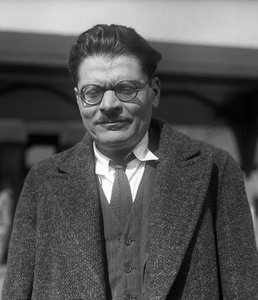
José Clemente Orozco
1883 - 1949 , Mexico
Pähkinänkuoressa
- Artistic Movement Or Style: Muralismo mexicano
- Artists Or Movements Influenced By This Artist: ['Diego Rivera']
- Artists Who Influenced This Artist: ['José Guadalupe Posada']
- Date Of Birth: November 23, 1883
- Date Of Death: September 7, 1949
- Full Name: José Clemente Orozco
- Nationality: Mexicano
- Notable Artworks:
- Omnisciencia
- Cortés & La Malinche
- Place Of Birth: Ciudad Guzmán, México
