- Etusivu

- Öljymaalausjäljennös
- jörg petel
- Ecce Homo

 Tilaa painos Osta kuva
 Jaa
Jaa
 Jaa
Jaa
 Tarkemmat tiedot
 Lisää suosikkeihin

 Lataa
Lataa
 Samanlaisia
 Röntgenkuva
 Diaesitys
Ecce Homo


 Näytä lisää
Käsinmaalattu öljykopio
Käsinmaalattu öljyväri kankaalle haluamassasi koossa ja kehyksissä, taiteilijoidemme valmistamana tilauksesta.




































Valitse valmiista mitoistamme sellaiset, jotka vastaavat teoksen alkuperäisiä mittasuhteita.

Voit syöttää omat mitat sopimaan tiettyyn kehykseen tai tilaan. Jos valitsemasi koko ei vastaa alkuperäisen kuvan mittasuhteita, rajaamme taideteoksen tai jatkamme maalausta käsin maalatuilla elementeillä. Digitaalinen esikatselu lähetetään hyväksyttäväksi ennen tuotannon aloittamista.
Huomioithan, että näytöllä oleva esikatselu ei vastaa todellista rajausta tai jatkamista. Vain digitaalinen mallikuva näyttää lopullisen sommittelun tarkasti.
Vaikka mittatilaustyöt ovat mahdollisia, suosittelemme valitsemaan mitan ennalta määritetystä listasta alkuperäisten mittasuhteiden säilyttämiseksi.
Tilauksen jälkeen OriginalUniqueArt.com -tiimi lähettää asiakkaalle ohjeet ja esikatselukuvan.
Maailmanlaajuinen toimitus () 3–4 viikossa tavallisen 5 viikon sijaan. (23 heinäkuu). Laadusta ei tingitä.

Ilmainen pikatoimitus ympäri maailman

Korkealaatuinen pellavakangas

Kattava kuljetusvakuutus

Tulliveron palautustakuu

Täydellinen värien vastaavuustakuu

60 päivän palautusoikeus (vain valmistusvirheet)

100% rahat takaisin -takuu

Määräalennus tarjous
 Lasivaihtoehto on saatavilla vain alle 110 cm kokoisina teoksina

Ecce Homo
Reproduktiotekniikka
Replikaatin koko
-


Kokonaishinta
-
Taiteilijan elämäkerta
Georg Petel (1601/02 – January 1635, Augsburg)
Georg Petel was a German sculptor and ivory carver who stands as one of the pivotal figures in establishing Baroque sculpture within Germany. Born in Weilheim im Bayerischen Oberland around 1601 or 1602, he descended from humble origins – orphaned at infancy due to the untimely deaths of his parents – and found mentorship under Bartholomä Steinle, a local carver who instilled in him the foundational skills of craftsmanship. This early training would prove instrumental in shaping Petel’s artistic trajectory.- Early Life & Training: Steinle's workshop provided Petel with invaluable experience in ivory carving, exposing him to the techniques and aesthetic sensibilities prevalent in Munich’s aristocratic circles.
- Influence of Rubens & Antwerp: A formative encounter with Peter Paul Rubens in Antwerp profoundly impacted Petel’s artistic vision. Rubens’ dynamic compositions and masterful use of light served as a powerful stimulus for Petel's own sculptural endeavors, particularly his fascination with portraying emotion and grandeur.
- Roman Period & Artistic Style: Petel’s Roman apprenticeship instilled in him a stylistic approach characterized by dramatic modeling, expressive gestures, and meticulous attention to detail—elements that would define his oeuvre throughout his career.
- Notable Works: Among Petel's most celebrated creations are “Venus and Cupid” (Ashmolean Museum, Oxford), “Triumph of Venus” (Stockholm Palace) and St Christopher Statue for St Moritz Church in Augsburg

jörg petel
1601 - 1634 , Germany
Pikatiedot
- Artistic Movement Or Style: Baroque
- Artists Or Movements Influenced By This Artist: ['Gianlorenzo Bernini']
- Artists Who Influenced This Artist:
- Christoph Angermair
- Peter Paul Rubens
- Date Of Birth: 1601
- Full Name: Jörg Petel
- Nationality: German
- Notable Artworks:
- Bust of Rubens
- Ecce Homo
- Place Of Death: Augsburg
Liittyvät artikkelit
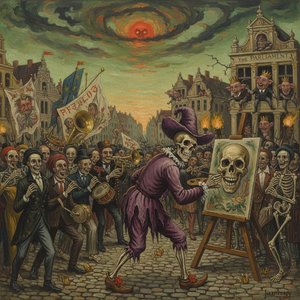
James Ensor's Grotesque Visions: Social Commentary & Artistic Innovation
Explore the unsettling yet captivating world of James Ensor, a pioneer of Expressionism. Discover his satirical masterpieces, symbolic imagery & lasting influence on modern art. High-quality reproductions available at OriginalUniqueArt.

Theatricality & Triumph: Baroque Drama in Painting & Sculpture
Explore the dramatic world of Baroque art! Discover its history, defining characteristics, & lasting influence on painting & sculpture. Expert insights into Caravaggio, Zurbarán, and Bernini – plus high-quality reproductions at OriginalUniqueArt.
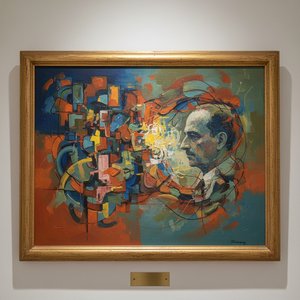
Jorge José Castillo Casalderrey: A Spanish Abstract Expressionist's Evolving Vision
Explore the captivating world of Jorge José Castillo Casalderrey, a leading Spanish Abstract Expressionist. Discover his unique style, market value & legacy. Expert insights for discerning collectors.
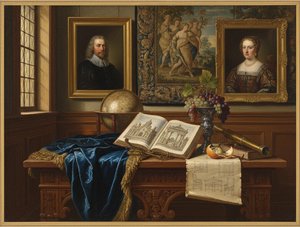
1600-luvun mestariteoksia: Taidetta ja historiaa kotiisi – OriginalUniqueArt.com
Uppoudu 1600-luvun taiteen maailmaan! Tutustu Rembrandtin, Vermeerin ja Caravaggion mestariteoksiin. Barokki, renessanssi & klassiset maalaukset kotiisi – OriginalUniqueArt.com:sta löydät korkealaatuiset toistot ja inspiraatiota sisustukseen. Explore the full collection online!
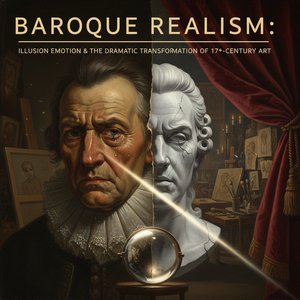
Baroque Realism: Illusion, Emotion & the Dramatic Transformation of 17th-Century Art
Explore the dramatic world of Baroque Realism! Discover iconic artists like Caravaggio & Rubens, their techniques, and the movement's lasting impact on art history. Expert insights for collectors & enthusiasts.

