
 Esikatselu
 Jaa
Jaa Jaa
Jaa
 Tarkemmat tiedot

 Lataa
Lataa
 Samanlaisia
 Röntgenkuva
 Diaesitys
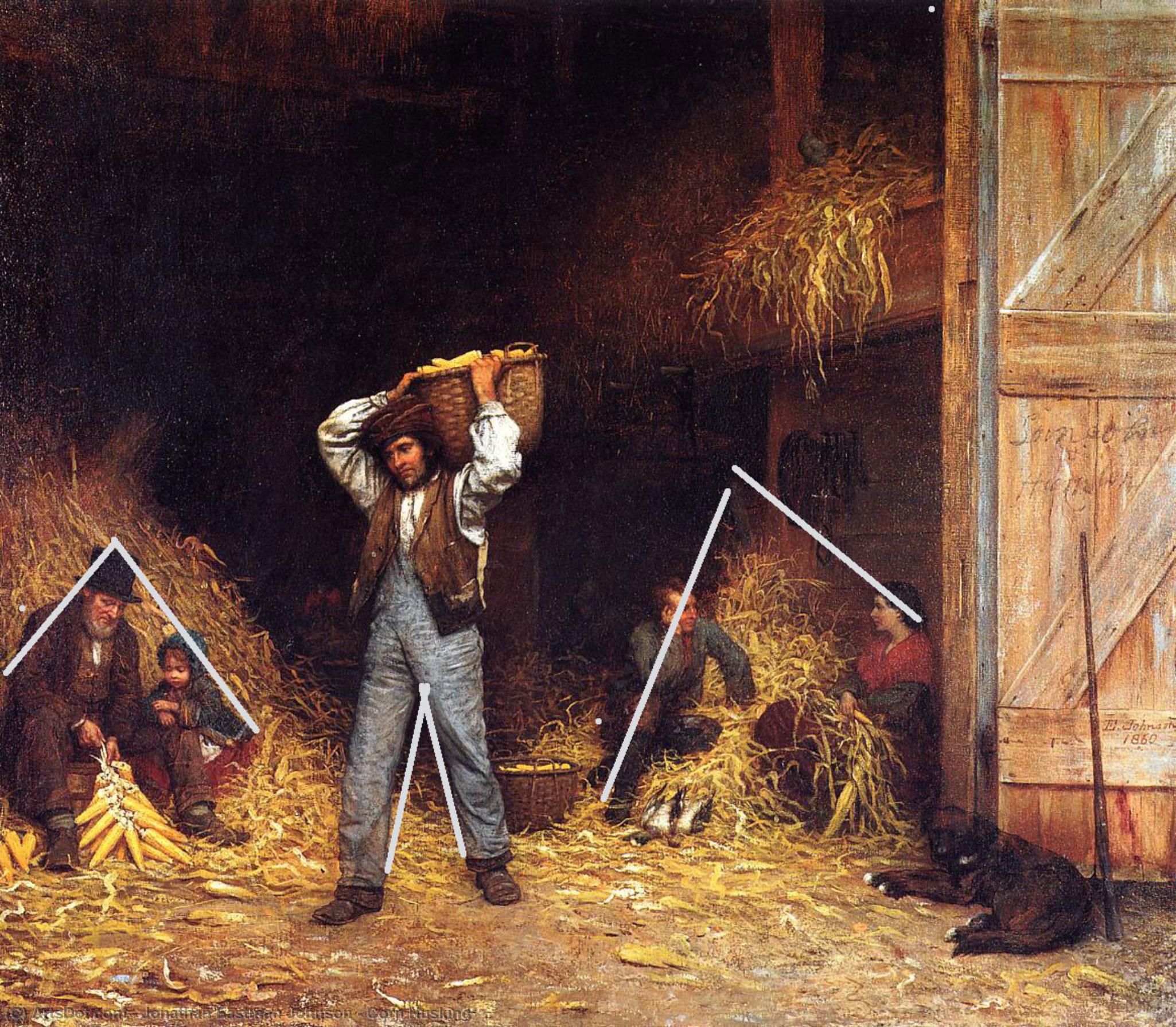
Corn Husking


 Näytä lisää
Käsinmaalattu öljykopio
Käsinmaalattu öljyväri kankaalle haluamassasi koossa ja kehyksissä, taiteilijoidemme valmistamana tilauksesta. ( Siirry tulosteeseen Vaihda kuvaksi)




































Valitse valmiista mitoistamme sellaiset, jotka vastaavat teoksen alkuperäisiä mittasuhteita.

Voit syöttää omat mitat sopimaan tiettyyn kehykseen tai tilaan. Jos valitsemasi koko ei vastaa alkuperäisen kuvan mittasuhteita, rajaamme taideteoksen tai jatkamme maalausta käsin maalatuilla elementeillä. Digitaalinen esikatselu lähetetään hyväksyttäväksi ennen tuotannon aloittamista.
Huomioithan, että näytöllä oleva esikatselu ei vastaa todellista rajausta tai jatkamista. Vain digitaalinen mallikuva näyttää lopullisen sommittelun tarkasti.
Vaikka mittatilaustyöt ovat mahdollisia, suosittelemme valitsemaan mitan ennalta määritetystä listasta alkuperäisten mittasuhteiden säilyttämiseksi.
Tilauksen jälkeen OriginalUniqueArt.com -tiimi lähettää asiakkaalle ohjeet ja esikatselukuvan.
Maailmanlaajuinen toimitus () 3–4 viikossa tavallisen 5 viikon sijaan. (11 elokuu). Laadusta ei tingitä.

Ilmainen pikatoimitus ympäri maailman

Korkealaatuinen pellavakangas

Kattava kuljetusvakuutus

Tulliveron palautustakuu

Täydellinen värien vastaavuustakuu

60 päivän palautusoikeus (vain valmistusvirheet)

100% rahat takaisin -takuu

Määräalennus tarjous
 Lasivaihtoehto on saatavilla vain alle 110 cm kokoisina teoksina

Corn Husking
Reproduktiotekniikka
Replikaatin koko
-


Kokonaishinta
$ 300
Teoksen kuvaus
A Glimpse into the Heart of American Agrarian Life
In the quiet, rhythmic pulse of 19th-century America, there existed a profound connection between the laborer and the land, a bond captured with breathtaking intimacy in Jonathan Eastman Johnson’s Corn Husking. Painted in 1860, this evocative oil on canvas serves as more than just a depiction of agricultural toil; it is a window into a vanished era of communal strength and seasonal ritual. The scene unfolds with a sense of shared purpose, as figures gather to load hay onto a wagon, their movements synchronized by the demands of the harvest. A man in rugged overalls stands at the center of this narrative, cradling a heavy basket brimming with straw, his posture embodying the physical weight and the quiet dignity of rural existence. The presence of a loyal dog and a steady horse adds layers of life to the composition, grounding the human drama within the natural, breathing ecosystem of the farmstead.
Johnson’s mastery lies in his ability to transform a mundane moment of labor into a warm, inviting tableau through a sophisticated use of color and light. The artist employs a palette of rich, earthy tones—deep ochres, soft ambers, and muted browns—to wrap the viewer in a sense of nostalgic coziness. There is a palpable warmth radiating from the canvas, as if the late afternoon sun is catching the dust motes dancing above the hay. This careful manipulation of light does not merely illuminate the subjects; it imbues them with a soulful glow, turning the sweat of labor into something sacred and timeless. The technique demonstrates a remarkable attention to detail, where the texture of the straw and the heavy fabric of the workers' clothing feel almost tactile, inviting the observer to reach out and touch the history preserved within the paint.
A Timeless Legacy for the Discerning Collector
For the art enthusiast or the interior designer, Corn Husking offers a profound emotional resonance that transcends its historical period. It is a piece that speaks of stability, community, and the enduring beauty of the natural cycle. The painting’s composition, which balances the central figures with the peripheral presence of animals and distant workers, creates a sense of depth and movement that draws the eye through the landscape of the canvas. This makes it an exceptional choice for creating a focal point in a room that seeks to evoke feelings of heritage, warmth, and groundedness. Whether placed in a sun-drenched library or a sophisticated contemporary living space, the work provides a soulful anchor.
Owning a high-quality reproduction of such a masterpiece allows one to bring the spirit of American Realism into the modern home. As part of the esteemed collection at the Everson Museum of Art, this work carries the weight of historical significance, yet its aesthetic appeal remains strikingly contemporary. The interplay of light and shadow, combined with the nostalgic charm of the 1860s landscape, ensures that the painting remains a conversation piece—a testament to the beauty found in the simplest of human endeavors. For those looking to curate a space filled with stories, Johnson’s work offers an unparalleled opportunity to celebrate the enduring legacy of the American spirit.
Taiteilijan elämäkerta
A Life Etched in American Realism
Jonathan Eastman Johnson, a name that echoes with the quiet dignity of 19th-century American life, was far more than just a painter; he was a visual chronicler of his era. Born in Lovell, Maine, in 1824, his artistic journey wasn’t one of immediate acclaim but rather a gradual unfolding shaped by familial connections, rigorous training, and an unwavering dedication to capturing the world as he perceived it – with honesty, nuance, and a touch of melancholic beauty. His father, Philip Carrigan Johnson, held positions in business and fraternal organizations, instilling in young Eastman a deep sense of community engagement that would later find its reflection in his artistic subjects. Early experiences in Fryeburg and Augusta, Maine, provided the foundational bedrock for his understanding of everyday existence – an understanding he meticulously translated onto canvas with remarkable sensitivity. His formal training began as an apprenticeship with a Boston lithographer in 1840, marking the initial step on a career defined by meticulous observation and technical skill. A move to Washington D.C. alongside his family, prompted by his father’s naval appointment, broadened his horizons considerably, exposing him to diverse subjects and experiences that subtly influenced his artistic vision.From Dutch Masters to American Scenes
Johnson's artistic development was a fascinating interplay of influences. Initially drawn to portraiture, he swiftly expanded his repertoire to encompass genre painting – scenes depicting the ordinary lives of Americans. This wasn’t merely about representation; it was about capturing the essence of American society, offering glimpses into the lives of individuals often overlooked by grander historical narratives. A pivotal moment arrived during the 1850s when Johnson traveled to The Hague and immersed himself in the works of 17th-century Dutch masters. This encounter proved transformative. He absorbed their mastery of composition, lighting, and realism, earning him the affectionate moniker “The American Rembrandt.” This influence is strikingly evident in his paintings – a subdued palette, dramatic chiaroscuro (strong contrasts between light and dark), and an almost photographic attention to detail characterize his mature style. However, Johnson didn’t simply imitate; he synthesized these European techniques with his uniquely American sensibility, creating works that were both technically brilliant and deeply rooted in the social fabric of his time. He aligned himself with the burgeoning Realist movement, rejecting idealized representations in favor of accurate depictions of everyday life – a commitment that would define his artistic legacy.Bearing Witness to an Era
Johnson’s oeuvre is remarkably diverse, encompassing portraits of prominent figures like Abraham Lincoln, Nathaniel Hawthorne, Ralph Waldo Emerson, and Henry Wadsworth Longfellow alongside intimate scenes of domesticity and rural life. Yet, certain works stand out as particularly significant for their social commentary and artistic innovation. *Negro Life at the South* (1859) remains one of his most celebrated – and controversial – paintings. Depicting African Americans enjoying leisure time in a carefully constructed tableau vivant (a staged scene), it sparked intense debate regarding race relations and the realities of slavery in the antebellum South. The ambiguity inherent in the scene – was it a romanticized portrayal or a subtle critique? – fueled discussions that resonated far beyond the art world. His response to the Civil War was equally poignant. Rather than focusing on battlefield heroics, Johnson turned his attention to the impact of conflict on civilian life, creating haunting images of anxious families and scenes away from the front lines. *Ride For Liberty* (1862), depicting an enslaved family escaping to freedom, is a powerful testament to his commitment to social justice. His depictions of New England rural life – maple sugar harvesting, cranberry picking – celebrated traditional American values and craftsmanship with a quiet reverence.A Legacy Beyond the Canvas
Beyond his artistic achievements, Johnson played a crucial role in shaping the American art landscape. His dedication to genre painting elevated it as a respected form of artistic expression, challenging prevailing notions of what constituted “high art.” He wasn’t merely an artist; he was a cultural advocate. His commitment extended beyond his own practice, culminating in his co-founding of the Metropolitan Museum of Art in New York City – a testament to his belief in the power of art to educate and inspire. His name is inscribed at its entrance, a permanent recognition of his significant contribution to the nation’s artistic heritage. Johnson's influence on American Realism is undeniable; his dedication to depicting everyday life with honesty and detail paved the way for future generations of artists who sought to capture the complexities of the human experience. Today, Jonathan Eastman Johnson is remembered not only as a technically gifted painter but also as a thoughtful observer of American society, whose works continue to resonate with their enduring relevance and emotional depth.Enduring Significance
Johnson’s legacy extends far beyond specific paintings or institutional contributions. He was a pioneer in bridging the gap between European artistic traditions and uniquely American subject matter. His ability to imbue ordinary scenes with profound meaning, his willingness to engage with complex social issues, and his unwavering commitment to realism cemented his place as a pivotal figure in 19th-century American art. He wasn’t simply recording life; he was interpreting it, prompting viewers to reflect on their own values and beliefs. His work serves as a powerful reminder that true artistry lies not just in technical skill but also in the ability to connect with the human spirit and illuminate the world around us. He died in New York City in 1906, leaving behind a body of work that continues to captivate and inspire, ensuring his enduring recognition as a significant figure in American art history.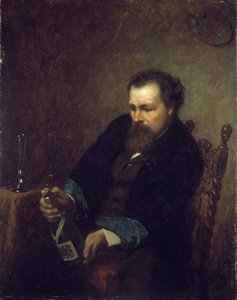
Jonathan Eastman Johnson
1824 - 1906 , Yhdistynyt kuningaskunta
Pikatiedot
- Artistic Movement Or Style: Realismi, genremaalaus
- Artists Or Movements Influenced By This Artist: ['Amerikkalainen realismi']
- Artists Who Influenced This Artist:
- Hollantilaiset mestarit
- Jean-François Millet
- Date Of Birth: 29.7.1824
- Date Of Death: 5.4.1906
- Full Name: Jonathan Eastman Johnson
- Nationality: Amerikkalainen
- Notable Artworks:
- Negro Life at the South
- Ride For Liberty
- Place Of Birth: Lovell, Iso-Britannia
Liittyvät artikkelit
Top 10 mestariteosta sienisävyissä – Taidetta kotiisi OriginalUniqueArt.com
Uppoudu 10 tunnetuimman maalauksen maailmaan, joita hallitsevat sienisävyt! Tutustu Van Goghin, Monetin ja Cézannen mestariteoksiin. Löydä inspiraatiota kodin sisustukseen OriginalUniqueArt.com – taideprinttejä museo-laadulla.

Hiekan sävyt taiteessa: 10 mestariteosta kotiisi – OriginalUniqueArt.com
Uppoudu 10 tunnetuimman maalauksen maailmaan, joita hallitsevat hiekan sävyt! Tutustu impressionismin ja art decon mestariteoksiin. Löydä inspiraatiota kodin sisustukseen OriginalUniqueArt.com:sta – taiteen reproduktiot huippulaadulla.
Top 10 Maalausta Savisävyjen Vallassa – Taidetta Kotiisi OriginalUniqueArt.com
Tutustu 10 tunnetuimpaan savisävyisten maalauksien maailmaan! Uppoudu taiteen historiaan, löydä impressionismin ja renessanssin mestariteoksia. Korkealaatuiset reproduktiot OriginalUniqueArt.com:ssa – inspiroi kotisi taiteella. Tutustu kokoelma verkossa!
Top 10 mestariteosta – Tumman puun sävyt taidemaalauksissa | OriginalUniqueArt.fi
Tutustu 10 kuuluisimpaan taidemaalaukseen, joita hallitsevat tumman puun sävyt! Uppoudu renessanssin, barokin ja impressionismin mestariteoksiin. Löydä inspiraatiota kotiisi OriginalUniqueArt.com:sta – laadukkaat taidekopiot ja sisustusehdotukset odottavat!
Earthy Tones & Emotional Resonance: Exploring the Vibe of Grounded Artworks
Explore the emotional power of earthy tones in art history! Discover how artists use color to evoke feelings & create grounded spaces. Expert advice on selecting artwork for your home – plus custom reproductions at OriginalUniqueArt.

