
 Esikatselu
 Jaa teos
 Jaa
Jaa
 Tiedot
 Opas
Opas

 Lataa kuva
 Samanlaisia kohteita
 Röntgenkuvaus
 Diaesitys
 Tilastot
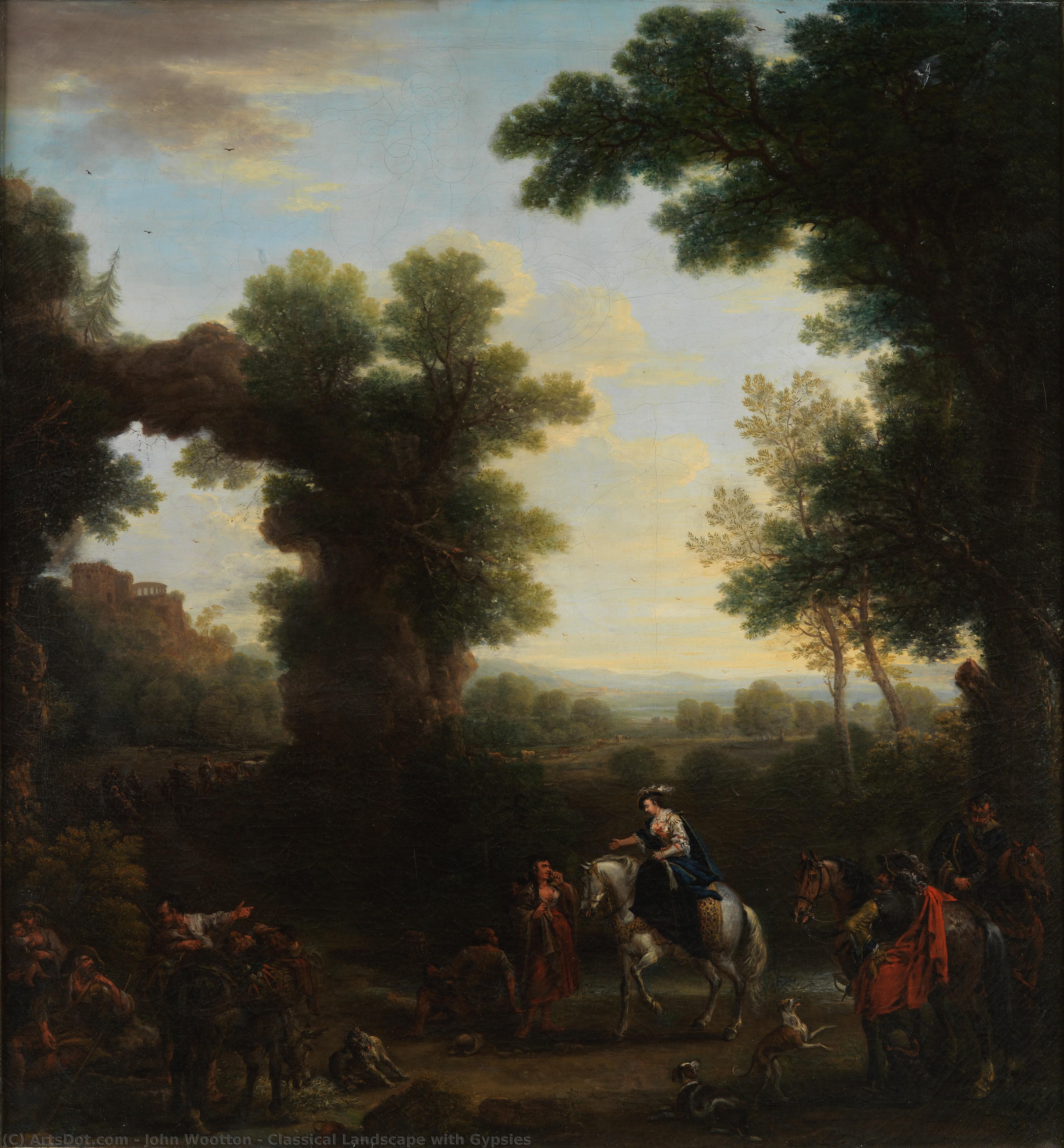
Classical Landscape with Gypsies
 Oil On Canvas
- WallArt
- Baroque Landscape Painting
 1748
1748- Early Modern
 140.0 x 131.0 cm
 Metropolitanin museo
 Lue lisää
Käsinmaalattu öljyvärinen jäljennös
Käsinmaalattu öljyväri kankaalle haluamassasi koossa ja kehyksissä, taiteilijoidemme valmistamana tilauksesta. ( Vaihda tulosteeseen Siirry digitaaliseen kuvaan)




P118B €10

P118H €10

P118W €10

P438Z €10

P508JH €12

P508YH €12

P805H €10

P805Z €10

P919BZ €10

P919G €10

P919XJ €10

P959ZH €10

P968JZ €12

W106C €8

W218G €10

W218JH €8

W218Y €10

W307PJ €10

W316G €10

W316PJ €8

W316Y €10

W398PJ €8

W4111J €10

W500HY €15

W500JH €15

W692G €12

W849H €8

W940BG €15

W953PJ €8




Valitse valmiista mitoistamme sellaiset, jotka vastaavat teoksen alkuperäisiä mittasuhteita.

Kirjoita tarvitsemasi leveys ja korkeus, jotta teos sopii kehyksiisi tai seinällesi. Koska kyseessä on käsinmaalattu teos, taiteilija voi maalata hieman enemmän kuvan ympärille tai rajata sitä hieman, jos haluat eri muotoisen koon — valinta on sinun. Lähetämme sinulle digitaalisen mallikuvan hyväksyttäväksi ennen kuin maalaus alkaa. Tällä sivulla näkyvä kuva ei vastaa lopullista tulosta — vain mallikuva näyttää sen.
Tilauksen jälkeen OriginalUniqueArt.com -tiimi lähettää asiakkaalle sähköpostitse ohjeet ja esikatselukuvan
Maailmanlaajuinen toimitus () 3–4 viikossa tavallisen 5 viikon sijaan. (27 lokakuu). Laadusta ei tingitä.

Ilmainen pikatoimitus ympäri maailman

Korkealaatuinen pellavakangas

Kattava kuljetusvakuutus

Tulliveron palautustakuu

Takuu täydellisestä värien vastaavuudesta

100 päivän palautusoikeus (vain valmistusvirheet)

100% rahat takaisin -takuu

Määräalennus tarjolla
 Lasivaihtoehto on saatavilla vain alle 110 cm kokoisille teoksille

Classical Landscape with Gypsies
Reproduktiotekniikka
Replikaatin koko
-


Kokonaishinta
€ 264
A Pastoral Symphony: The Enchantment of Wootton’s Landscape
In the grand tapestry of eighteenth-century British art, few works capture the harmonious tension between aristocratic refinement and the untamed spirit of nature as gracefully as John Wootton’s "Classical Landscape with Gypsies." Executed in 1748, this monumental canvas serves as a breathtaking window into the Regency era's profound fascination with pastoral beauty. The scene unfolds not merely as a static depiction of countryside, but as a meticulously choreographed tableau where the rolling hills and muted greens of the English landscape provide a stage for a lively human narrative. As one gazes upon the composition, there is an immediate sense of entering a world where time slows down, inviting the viewer to wander through the atmospheric perspective and tonal gradations that Wootton mastered so exquisitely under the tutelage of Jan Wyck.
The painting’s subject matter strikes a delicate balance between the idyllic and the itinerant. At its heart, a gathering of gypsies moves through the landscape, their presence introducing a layer of nomadic vitality to the otherwise serene setting. This juxtaposition—the transient life of the travelers set against the permanent, stately backdrop of the countryside—was a hallmark of the era's artistic curiosity. The inclusion of horses, rendered with Wootton’s signature precision, further elevates the narrative; these noble creatures are not merely animals within the frame but symbols of status, freedom, and the deep-seated connection between the landed gentry and the natural world. For the discerning collector or interior designer, this piece offers a profound sense of movement and life, making it an ideal centerpiece for spaces that require a touch of historical grandeur and organic warmth.
Mastery of Brush and Light: The Technical Brilliance
To appreciate "Classical Landscape with Gypsies" is to witness the technical prowess of a pioneer of sporting art. Wootton’s technique eschews the rigid, clinical precision often found in academic painting of his time, opting instead for loose, expressive brushstrokes that imbue the canvas with palpable emotion and dynamism. One can almost feel the breeze moving through the scattered trees and sense the heat radiating from the sun-drenched hills. His ability to manipulate light and shadow creates a sense of depth that draws the eye inward, leading the viewer from the detailed interactions in the foreground—where figures converse and tend to their mounts—toward the hazy, distant horizons.
The color palette is a masterclass in subtlety, utilizing earthy browns, soft ochres, and deep forest greens to evoke a sense of timelessness. This restrained use of color ensures that the painting does not overwhelm a room but rather complements it, providing a sophisticated foundation for luxury decor. For those seeking to integrate fine art into a contemporary or classical interior, a high-quality reproduction of this work offers more than just decoration; it provides an infusion of historical soul. The way Wootton captures the texture of animal coats, the softness of the foliage, and the very atmosphere of the English afternoon makes this painting an enduring masterpiece that continues to inspire awe and tranquility in all who behold it.
Kysymykset ja vastaukset
Kuka on teoksen "Classical Landscape with Gypsies" taiteilija?
Teoksen "Classical Landscape with Gypsies" taiteilija on John Wootton. Teos on luetteloitu John Wootton nimellä.
Onko teos "Classical Landscape with Gypsies" yleisvaikutelmaltaan enemmän vaalea vai tumma?
Teoksen John Wootton:n "Classical Landscape with Gypsies" mitatut arvot ovat: kirkkaus deep_shadow, luminanssi Soft Shadow.
Miten teoksen "Classical Landscape with Gypsies" aihe liittyy John Wootton'n tavallisiin teemoihin?
John Wootton:n tunnettujen teemojen – beaufort family patronage, equestrian tradition, aristocratic landscape, baroque style, decorative art – joukossa "Classical Landscape with Gypsies" tuo oman painopisteensä aiheeseen landscape, gypsies, equestrian art, aristocracy, pastoral scene, classical painting, british art, seventeenth century.
Taiteilijan elämäkerta
A Pioneer of Sporting Art: The Life and Legacy of John Wootton
John Wootton, born around 1686 in the quaint Warwickshire village of Snitterfield, near Stratford-upon-Avon, emerged as a pivotal figure in the development of British sporting art. While precise details of his early life remain somewhat elusive, it is believed he entered the service of the esteemed Beaufort family at a young age, an experience that likely fostered his deep connection to equestrian pursuits and the aristocratic world surrounding them. His artistic journey began with formal training under Jan Wyck during the 1690s, where he honed fundamental skills in draftsmanship and painting techniques – a foundation upon which he would build a remarkably successful career. Even in these early years, Wootton demonstrated an innate talent for capturing the essence of horses, as evidenced by his earliest known work, “Bonny Black” (1711), a piece that foreshadowed his future mastery of equine portraiture.Establishing a Reputation and Artistic Innovation
By 1706, Wootton had firmly established himself in London, quickly gaining recognition for his depictions of horses, particularly those gracing the renowned racing scene at Newmarket. He wasn’t merely documenting these animals; he was capturing their spirit, their power, and their individual character with an unprecedented level of detail and sensitivity. This specialization brought him into close contact with Britain's elite – a patronage that included figures like George II and Frederick, Prince of Wales. Wootton actively engaged with the artistic community, subscribing to the first English Academy of Painting and Drawing in 1711 and later serving as a steward of the Virtuosi Club of St Luke’s by 1717, demonstrating his commitment to fostering artistic discourse and collaboration. However, Wootton's contribution extended beyond simply painting horses. He was a key figure in introducing what became known as the “ideal landscape” to British art – a style heavily influenced by artists like Gaspard Dughet (also known as Gaspar van Wittel). By incorporating classical elements into his landscapes, he offered a refreshing alternative to the prevailing Dutch and Flemish styles, laying the groundwork for future generations of British landscape painters, including Thomas Gainsborough.Mastering the Canvas: Style and Major Works
Wootton’s artistic style is characterized by meticulous detail, a realistic rendering of animals, and a harmonious blend of figure and landscape painting. He possessed an exceptional ability to observe and then idealize, creating works that were both aesthetically pleasing and reflective of the sporting culture of his time. His equine portraits are arguably his most celebrated achievement – paintings like “The Bloody-Shouldered Arabian” showcase not only technical skill but also a deep understanding of anatomy and character. Beyond individual horse portraits, Wootton excelled at depicting lively hunting scenes and equestrian activities, often incorporating "conversation pieces" that featured riders, hounds, and picturesque settings. These works weren’t simply records of events; they were carefully constructed narratives that captured the social dynamics and leisurely pursuits of the British aristocracy. His landscapes, while sometimes overshadowed by his animal paintings, demonstrate a refined understanding of perspective, composition, and atmospheric effects, further solidifying his position as a versatile and innovative artist. Works like “Viscount Weymouth’s Hunt” exemplify this skill, portraying aristocratic leisure with classic style and rich detail.Influences and Artistic Legacy
Wootton's artistic development was profoundly shaped by the influence of Jan Wyck and Gaspard Dughet – masters of Flemish Baroque painting who instilled in him a meticulous approach to draughtsmanship and an appreciation for dramatic lighting. He absorbed lessons from these artists, adapting their techniques to create his own distinctive style. Wootton’s dedication to anatomical accuracy surpassed that of many contemporaries, particularly George Stubbs, establishing him as a benchmark for animal portraiture. His pioneering role in introducing the ideal landscape – a stylistic innovation championed by Dughet – fundamentally altered British artistic sensibilities and paved the way for Gainsborough's subsequent success. He bridged the gap between earlier traditions and the emerging styles that would define 18th-century British art.A Lasting Impression: Recognition and Enduring Relevance
John Wootton’s contribution to British art is undeniable, securing his place as one of the foremost painters of his era. Today, Wootton’s works are held in prestigious collections worldwide – including the Tate Gallery (London), the Virginia Museum of Fine Arts (Richmond), and the Yale Center for British Art (New Haven) – ensuring his legacy continues to be appreciated by art enthusiasts globally. He stands as a testament to the power of observation, innovation, and the enduring appeal of capturing the beauty and dynamism of both the natural world and the aristocratic pursuits that defined his era.
John Wootton
1682 - 1764 , Iso-Britannia
Pähkinänkuoressa
- Artistic Movement Or Style: Urheilutaide, Maisema
- Artists Or Movements Influenced By This Artist: ['Thomas Gainsborough']
- Artists Who Influenced This Artist:
- Jan Wyck
- Gaspard Dughet
- Date Of Birth: c. 1686
- Date Of Death: 1764
- Full Name: John Wootton
- Nationality: Britanni
- Notable Artworks:
- Bonny Black
- Ennen metsästystä
- Verinen arabialainen
- Place Of Birth: Snitterfield, UK
Aiheeseen liittyvät artikkelit

John Singer Sargent's 25 Masterpieces: Portraits & Beyond | OriginalUniqueArt
Explore 25 iconic John Singer Sargent paintings – from dazzling portraits to Impressionist landscapes. Discover the stories behind Madame X, El Jaleo & more! Find museum-quality art reproductions and elevate your home decor with OriginalUniqueArt.com.

Neoklassismin 10 mestariteosta: Taidetta ja inspiraatiota kotiin | OriginalUniqueArt.fi
Tutustu neoklassismin 10 mestariteokseen! Jacques-Louis Davidista Canovaan – taidetta, historiaa ja inspiraatiota kotiisi. Korkealaatuiset taideprintit OriginalUniqueArt.fi:ssä. Tutustu kokoelmaan verkossa!
John Frederick Herring Sr.: Equestrian Mastery & the Rise of Sporting Art in Victorian England
Explore the life & work of John Frederick Herring Sr., a leading Victorian equestrian artist. Discover his masterpieces, patronage, techniques & investment potential. Expert insights for collectors.

John Constablein 25 mestariteosta: Taidetta ja tunnelmaa kotiisi – OriginalUniqueArt.com
Tutustu John Constable'n 25 mestariteokseen – romanttisia maisemamaalauksia, jotka vangitsevat englantilaisen luonnon tunnelman. Taidehistoriaa ja inspiraatiota kotiisi OriginalUniqueArt.com:ssa. Löydä kaikki taideteokset verkossa!
Sr. John E. Ferneley: Equestrian Portraiture & England's Social Fabric
Explore the captivating world of Sr. John E. Ferneley, a master of British sporting art. Discover his exquisite equestrian paintings & insights into 19th-century society. Invest in timeless masterpieces with OriginalUniqueArt.
