Vaihda tulosteeseen
 Lue lisää







































 Teoksille tai reproduktioille, joiden mikä tahansa sivu on suurempi kuin 105 cm (noin 41 tuumaa), kehys toimitetaan osina purettuna sarjana. Tämä menetelmä varmistaa turvallisen toimituksen ja ehkäisee vaurioita kuljetuksen aikana.


The Grandeur of Neo-Classicism: A Portrait in Power
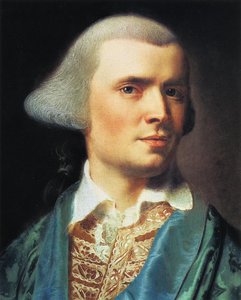
To gaze upon John Singleton Copley's Baron Graham is to step directly into the gilded drawing rooms of early nineteenth-century American aristocracy. This portrait, executed in 1804, is far more than a mere likeness; it is a carefully constructed tableau of status, ambition, and refined taste. The subject himself commands attention, presented with an air of undeniable authority. Clad in rich attire, accentuated by the regal weight of a crown upon his head and draped in a dramatic cape, he embodies the elevated social standing afforded to men of means and influence during this transformative era. Copley masterfully captures not just the man, but the very mantle of nobility that surrounded him.
Mastery in Technique and Composition
Copley’s technical brilliance shines through every meticulously rendered fold of fabric and every nuanced shadow cast across the subject's face. The oil on canvas medium allows for an astonishing depth of texture, visible in the sheen of the suit, the gravity of the sword resting at his side, and the luxurious fall of the curtain behind him. Compositionally, the arrangement is deliberate. While the Baron remains the undeniable focal point, the inclusion of two other figures subtly populates the background, lending a sense of depth and narrative context to what might otherwise be a static portrait. This careful staging elevates the work from simple documentation to an immersive scene.
Echoes of Antiquity: The Neo-Classical Influence
The style itself anchors the piece firmly within the Neo-Classicism movement, an aesthetic deeply indebted to the perceived perfection and civic virtue of ancient Greece and Rome. This artistic current favored clarity, idealized forms, and historical allusion—qualities that Copley channels here through the subject's accoutrements, particularly the crown and the formal drapery. For the modern collector or designer, this connection to classical ideals offers a timeless gravitas. It speaks of enduring values: order, history, and established societal structure.
Symbolism and Enduring Presence
Every element within Baron Graham seems imbued with symbolic weight. The sword is not merely an accessory; it suggests martial readiness or inherited duty. The crown proclaims lineage or achieved eminence. These symbols combine to create a portrait of enduring masculine power, one that transcends the fleeting fashions of its time. Owning a reproduction of this work allows one to bring home not just paint on canvas, but a palpable sense of historical weight and sophisticated narrative drama for any grand hall or distinguished study.
Kysymykset ja vastaukset
Mikä on John Singleton Copley:n "Baron Graham" todellinen koko?
Teoksen John Singleton Copley:n "Baron Graham" mitat ovat 119 x 145 cm. Vedoksia voi tilata muissa koossa säilyttäen samat mittasuhteet.
Mitä aiheita teoksessa John Singleton Copley:n "Baron Graham" esiintyy?
Teoksen John Singleton Copley:n "Baron Graham" teemoihin kuuluvat portrait, neo-classicism, baron graham, formal attire, crown, sword, oil on canvas. Yhdessä ne tiivistävät teoksen aiheen.
Miltä historialliselta aikakaudelta John Singleton Copley:n "Baron Graham" on peräisin?
Teoksen John Singleton Copley:n "Baron Graham" historiallinen aikakausi on Early Modern. Tämä luokitus sijoittaa teoksen taidehistoriaan.
 Esikatselu
 Jaa teos
 Jaa
Jaa
 Tiedot
 Opas
Opas

 Lataa kuva
 Samanlaisia kohteita
 Röntgenkuvaus
 Diaesitys
 Q&A
Q&A Tilastot