
 Esikatselu
 Jaa teos
 Jaa
Jaa
 Tiedot
 Opas
Opas

 Lataa kuva
 Samanlaisia kohteita
 Röntgenkuvaus
 Diaesitys
 Kysymykset ja vastaukset
 Tilastot
The Via Mala


 Lue lisää
Giclée- ja taideprintit
Museolaatuisia giclée- tai kankaitaulun tulosteita nopealla tuotannolla ja joustavilla viimeistelyvaihtoehdoilla. ( Osta käsinmaalattu taideteos Siirry digitaaliseen kuvaan)




P118B €10

P118H €10

P118W €10

P438Z €10

P508JH €12

P508YH €12

P805H €10

P805Z €10

P919BZ €10

P919G €10

P919XJ €10

P959ZH €10

P968JZ €12

W106C €8

W218G €10

W218JH €8

W218Y €10

W307PJ €10

W316G €10

W316PJ €8

W316Y €10

W398PJ €8

W4111J €10

W500HY €15

W500JH €15

W692G €12

W849H €8

W940BG €15

W953PJ €8




Valitse valmiista mitoistamme sellaiset, jotka vastaavat teoksen alkuperäisiä mittasuhteita.

Syötä tarvitsemasi leveys ja korkeus, jotta tuloste sopii kehyksiisi tai seinällesi. Tulostetta voidaan vain leikata, sitä ei voida koskaan suurentaa alkuperäistä kuvaa suuremmaksi, joten eri muotoinen koko aiheuttaa osan kuvasta katoamisen. Lähetämme sinulle digitaalisen mallikuvan hyväksyttäväksi ennen kuin aloitamme tulostuksen. Tällä sivulla näkyvä kuva ei näytä lopullista rajausta — vain mallikuva näyttää sen.
Maailmanlaajuinen toimitus () 2 viikossa tavallisen 4–5 viikon sijaan. (15 marraskuu)

Ilmainen pikatoimitus ympäri maailman

Korkealaatuinen pellavakangas

Kattava kuljetusvakuutus

Tulliveron palautustakuu

Takuu täydellisestä värien vastaavuudesta

100 päivän palautusoikeus (vain valmistusvirheet)

100% rahat takaisin -takuu

Määräalennus tarjolla
 Lasivaihtoehto on saatavilla vain alle 110 cm kokoisille teoksille

The Via Mala
Giclée- ja taideprintit
Replikaatin koko
-


Kokonaishinta
€ 72
John Frederick Lewis’s “The Via Mala”: A Window into Ottoman Life
John Frederick Lewis's "The Via Mala," painted in 1827, isn’t merely a landscape; it’s a meticulously crafted portal into the world of 19th-century Orientalism. This watercolor and oil masterpiece transports us to the dramatic gorges of the Rhine Valley in Switzerland, yet its power lies not just in its topographical accuracy but in Lewis's profound understanding – and romanticized depiction – of Ottoman culture and daily life. The painting captures a pivotal moment: a group of travelers navigating a treacherous path carved into the mountainside, their figures rendered with an almost photographic realism that belies the artist’s deliberate artistic choices.
Lewis’s journey to Switzerland was part of a larger pattern – a sustained period of travel and observation across the Mediterranean and Middle East. He spent years living in Cairo, immersing himself in the sights, sounds, and customs of Ottoman society. This extended sojourn profoundly shaped his artistic vision, moving him beyond simple depictions of exotic locales towards a nuanced portrayal of human interaction within those environments. Unlike many Western artists who approached Orientalism with a sense of detached observation or even exploitation, Lewis sought to represent the people he encountered with respect and empathy, capturing their clothing, architecture, and social rituals with remarkable detail.
A Symphony of Detail: Technique and Composition
Lewis’s technical skill is immediately apparent. The painting is characterized by an extraordinary level of precision – a hallmark of his style. He meticulously rendered the rugged terrain, the weathered faces of the travelers, and the intricate details of their clothing. Notice the way he captures the play of light on the stone walls, the subtle variations in texture, and the delicate folds of fabric. This painstaking attention to detail wasn’t simply about accuracy; it was a deliberate strategy for conveying depth and realism. The composition itself is carefully balanced, drawing the eye along the winding path towards the distant horizon. The placement of figures creates a sense of movement and drama, while the use of atmospheric perspective – softening details in the distance – adds to the painting’s overall spatial coherence.
Lewis's choice of medium—watercolor and oil combined—further enhances the work’s impact. The watercolor provides a luminous quality, capturing the vibrancy of the natural landscape, while the oil lends richness and depth to the figures and architectural elements. This hybrid approach allowed him to achieve both delicate detail and bold color contrasts, creating a visually arresting effect.
Symbolism and Narrative
“The Via Mala” is rich in symbolic meaning. The treacherous path itself represents the challenges and uncertainties of life’s journey – a metaphor that resonates deeply with the travelers depicted within the scene. Their clothing—a mix of practical travel attire and elements suggestive of Ottoman influence—hints at their origins and destinations. The presence of a small, ornate tent suggests a temporary refuge amidst the harsh landscape, perhaps symbolizing the fleeting nature of encounters and the transient quality of life in foreign lands.
Interestingly, Lewis’s work connects to a contemporary novel, “Via Mala,” by John Knittel, which explored themes of guilt, betrayal, and moral ambiguity within a Swiss village. The painting can be seen as an artistic echo of this narrative, reflecting the complexities and hidden tensions that often lie beneath the surface of seemingly idyllic settings. The title itself, "The Via Mala," directly references this literary work, suggesting a shared exploration of difficult paths and shadowed secrets.
A Legacy of Orientalist Vision
John Frederick Lewis’s “The Via Mala” stands as a testament to his exceptional talent and his profound engagement with the cultures he encountered. It exemplifies the Romantic ideal of the artist as an explorer, observer, and interpreter of the world. His meticulous detail, evocative composition, and nuanced understanding of Ottoman life have secured his place as one of the most important figures in Orientalist painting. Reproductions of this captivating work offer a unique opportunity to bring this window into another era and culture into your own home, inviting contemplation on themes of travel, identity, and the enduring power of art to transcend time and distance.
Kysymykset ja vastaukset
Mikä hallitseva sävy lävistää teoksen John Frederick Lewis:n "The Via Mala"?
Ochre to Sepia sävy läpi koko teoksen John Frederick Lewis:n "The Via Mala".
Onko teoksen John Frederick Lewis:n "The Via Mala" kuva vapaasti käytettävissä?
Tekijänoikeuksien osalta teos "The Via Mala" on vapaasti käytettävissä – tekijänoikeussuoja on päättynyt.
Miten "The Via Mala" tasapainottaa valon ja varjon?
Teoksen John Frederick Lewis:n "The Via Mala" mitatut arvot ovat: kirkkaus brilliant, luminanssi Gentle Luminance.
Taiteilijan elämäkerta
John Frederick Lewis: A Life Dedicated to the Orient
John Frederick Lewis, syntynyt 14. heinäkuuta 1804 Lontoossa, oli merkittävä englantilainen orientalistinen maalaaja. Hänen varhaisensa elämänsä ja taiteellinen kehityksensä olivat vahvasti sidoksissa hänen isänsä, Frederick Christian Lewisin, taiteelliseen perintöön – hän oli itsekin graafikko ja maisema-askartelija. Tämä taiteellinen sukutausta vaikutti merkittävästi hänen varhaiseen kehitykseensä. Hänen koulutuksensa alkoi Sir Thomas Lawrencen johdolla, jossa hän hionteli taitojaan yhdessä muiden taiteilijoiden, kuten Edwin Landseerin, kanssa. Tämä perusvaihe antoi hänelle vahvan pohjan tekniikan ja komposiiton suhteen.
Lewis’n taiteellinen ura eteni useissa eri vaiheissa, joista jokainen oli omiaan kehittyvän tyylinsä ja teemojen suhteen. Hänen uransa alkoi laajalla matkustamisella Välimerellä, jossa hän tallensi alueen olemuksen yksityiskohtaisesti vesiväreillä ja öljyvärimaalauksilla. Hän toisti usein komposiitioitaan eri mediaaleissa, mikä osoittaa hänen jatkuvaa pyrkimystään täydellisyyteen. Hänen matkustuksensa Espanjaan ja Marokkoon 1832-1834 oli ratkaiseva hetki hänen urallaan. Hän tuotti lukuisia litografioita, jotka julkaistiin myöhemmin nimillä “Sketches and Drawings of the Alhambra” (1835) ja “Lewis’s Sketches of Spain and Spanish Character” (1836). Nämä matkat inspiroivat monia hänen teoksiaan.
Egyptiin matkustaminen 1841-1851 oli Lewisin uraa varjostava vaihe. Täällä hän täydensi orientalistista tyyliään luoden tarkkoja maalauksia, jotka esittivät sekä realistisia genrekohtauksia että idealisoituja kuvauksia korkeatasoisista egyptiläisistä sisätiloista. Hänen kotiensa ympäristöstä tuli ihanteellinen paikka hänen teoksilleen, ja hän vieraili usein merkittäviä henkilöitä, kuten William Makepeace Thackerayn, joilla oli vaikutusvaltaa.
Merkittävät Teokset
Lewis loi laajan kokoelman teoksia, jotka tunnetaan tarkkuudestaan ja tunnelmallisesta ilmapiiristään. Joitakin hänen tunnetuimmista teoksistaan ovat:
- A Bedouin (Yale Center for British Art, New Haven) – Vesivärimaalaus, joka esittää hänen orientalistista tyyliään.
- The Ramesseum at Thebes (Yale Center for British Art, New Haven) – Näyttävä esimerkki hänen huomattavasta arkkitehtuurin tarkkuudestaan.
- A Young Turkish Woman (Yale Center for British Art, New Haven) – Toinen vaikuttava teos hänen orientalistisesta taiteestaan.
- Harem Life in Constantinople - Maalaus, joka esittää osmanien sisäelämää ja arkkitehtuuria.
Tyylin Kehitys ja Vaikutukset
Lewis’n tyyli oli muotoutunut useiden tekijöiden vaikutuksesta, erityisesti Sir Thomas Lawrencen painotukseen portreissa ja komposiossa. Kuitenkin hänen suora havaintonsa Lähi-idän kulttuureista mahdollistivat hänelle ainutlaatuisen estetiikan kehittämisen, joka tunnusmerkkejä ovat:
- Tarkkuus: Sitoutuminen materiaalien, kuvioiden ja arkkitehtuurin tarkkaan esittämiseen.
- Rikas väripaletti: Käyttö eloisista sävyistä, jotka on saatu inspiraation Välimeren maisemista ja pukeutumisesta.
- Genrekohtaukset ja sisätilakuvaukset: Keskittyminen arkipäivän elämään ja intiimeihin koteihin.
Historiallinen Merkitys
Lewisin merkitys taiteessa piilee hänen keskeisessä roolissaan orientalistisen maalaustyylin kehittämisessä. Hänen tarkat esityksensä islamilaisesta arkkitehtuurista, huonekaluista ja pukeutumisesta asettivat uusia standardeja genreen liittyen. Hän popularisoi romantisoitua, mutta yksityiskohtaista näkemystä Lähi-idästä länsimaisten katsojien keskuudessa. Palattuaan Englantiin 1851 hän jatkoi maalaamista kuolemaansa asti vuonna 1876. Hänen työnsä on edelleen arvostettu ja tutkittu sen taiteellisen arvon ja historiallisesti merkityksellisen näkökulmansa 1900-luvun alussa Lähi-itäa kohtaan.
Lisätietoja
John Frederick Lewisin teoksia voi ihailla Yale Center for British Artissa, New Havenissa. Lisäksi hänestä on kirjoitettu paljon ja hänen teoksiaan esitellään useissa museoissa ympäri maailmaa.

John Frederick Lewis
1805 - 1876 , Yhdistynyt kuningaskunta
Pähkinänkuoressa
- Artistic Movement Or Style: Orientalismi
- Artists Or Movements Influenced By This Artist: ['Lawrence']
- Artists Who Influenced This Artist: ['Thomas Lawrence']
- Date Of Birth: 14.7.1804
- Date Of Death: 15.8.1876
- Full Name: John Frederick Lewis
- Nationality: Brittiläinen
- Notable Artworks:
- Bedouin
- Thebesin Ramesseumin
- Turkkilainen nainen
- Place Of Birth: Lontoo, Iso-Britannia
Aiheeseen liittyvät artikkelit

Top 10 Orientalism Masterpieces: A Journey Through the Exotic East
Explore iconic Orientalism masterpieces by Gérôme and Bridgman. Discover the exotic allure of the East. Explore the full collection online.

Tivadar Csontváry Kosztka: A Hungarian Visionary Between Symbolism and Existential Isolation
Explore the captivating art of Tivadar Csontváry Kosztka, a Hungarian visionary bridging Symbolism & Expressionism. Discover his unique 'sunway' style and profound themes – available as museum-quality reproductions at OriginalUniqueArt.
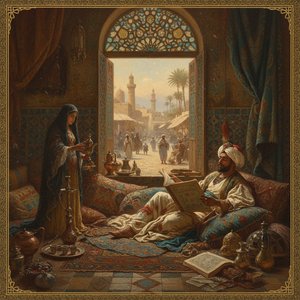
John Frederick Lewis: Orientalism, Detail & Genre Painting in 19th-Century British Art
Explore the captivating Orientalist paintings of John Frederick Lewis! Discover his mastery of detail, genre scenes & influence on 19th-century British art. Learn about his life, techniques & legacy at OriginalUniqueArt.
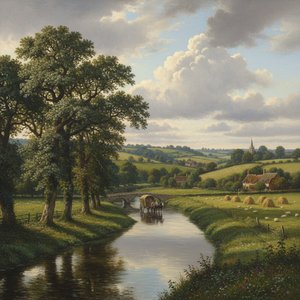
John Constable: Nature, Light & the Romantic Vision of Rural England
Explore the life & art of John Constable, the Romantic painter who revolutionized landscape with emotive scenes of rural England. Discover his techniques, legacy, and key works – perfect for collectors & enthusiasts.
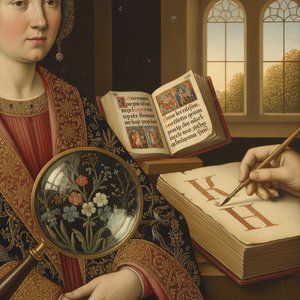
The Allure of Detail: Precision & Narrative Resonance in Art History
Explore the captivating history of detail in art – from Renaissance masterpieces to modern movements like Precisionism. Discover how specificity shapes narrative, value & collector appeal. Expert insights at OriginalUniqueArt.