

 Esikatselu
 Jaa
Jaa Jaa
Jaa
 Tarkemmat tiedot

 Lataa
Lataa
 Samanlaisia
 Röntgenkuva
 Diaesitys
Aeneas's Sacrifice


 Näytä lisää
Giclée-printit ja taideprintit
Museolaatuisia giclée- tai kankaitaulun tulosteita nopealla tuotannolla ja joustavilla viimeistelyvaihtoehdoilla. ( Osta käsintehty maalaus Osta kuva)




































Valitse valmiista mitoistamme sellaiset, jotka vastaavat teoksen alkuperäisiä mittasuhteita.

Voit syöttää omat mitat sopiaksesi tiettyyn kehykseen tai tilaan. Jos valittu koko ei vastaa alkuperäisen kuvan mittasuhteita, rajaamme teosta tai laajennamme kuvaa peilatulla tai yhtenäisellä reunalla. Digitaalinen mallikuva lähetetään hyväksyttäväksi ennen tuotannon aloittamista.
Huomaathan, että näytöllä näkyvä esikatselu ei vastaa lopullista rajausta tai laajennusta. Vain mallikuva näyttää lopullisen sommittelun tarkasti.
Vaikka räätälöityjä kokoja on saatavilla, suosittelemme valitsemaan mitat valmiista listasta alkuperäisten mittasuhteiden säilyttämiseksi.
Toimitus maailmanlaajuisesti () kahdessa viikossa tavallisen 4–5 viikon sijaan. (20 elokuu)

Ilmainen pikatoimitus ympäri maailman

Korkealaatuinen pellavakangas

Kattava kuljetusvakuutus

Tulliveron palautustakuu

Täydellinen värien vastaavuustakuu

60 päivän palautusoikeus (vain valmistusvirheet)

100% rahat takaisin -takuu

Määräalennus tarjous
 Lasivaihtoehto on saatavilla vain alle 110 cm kokoisina teoksina

Aeneas's Sacrifice
Giclée-printit ja taideprintit
Replikaatin koko
-


Kokonaishinta
$ 80
Taiteilijan elämäkerta
Johann Michael Rottmayr (1654 - 1730): Austrian Baroque Master
Johann Michael Rottmayr, born in Lauf an der Pegnitz, Bavaria around 1654 (sources vary between 1654 and 1656), stands as a pivotal figure in the transition from the High Baroque to the Rococo styles in Central Europe. He wasn’t merely a painter; he was a conduit, skillfully channeling the vibrant energy of Italian Renaissance masters through the lens of burgeoning Austrian artistic sensibilities. Rottmayr's journey began within a family already touched by artistry, providing fertile ground for his innate talents to blossom. His formal training commenced under Johann Carl Loth in Venice – a formative experience that would indelibly shape his aesthetic vision. Loth’s tutelage wasn’t simply about technique; it was an immersion into the world of Titian, Veronese, and Tintoretto, instilling within Rottmayr a deep appreciation for coloristic richness, dramatic composition, and the masterful use of light and shadow. This Venetian influence would remain a cornerstone of his style throughout his career. He wasn’t alone in absorbing Italian influences; Hans Adam Weissenkircher, a contemporary from Lauf, also played a crucial role in bringing these artistic currents northwards, fostering a shared aesthetic dialogue that enriched the region's art scene.Early Life and Artistic Training
Rottmayr’s early life was marked by familial connections to artistry—his mother practiced painting herself—a circumstance undoubtedly nurturing his burgeoning creative inclinations. Around 1675 he embarked on his artistic education under Johann Carl Loth in Venice, a decision that would prove transformative. Loth’s workshop wasn’t merely a place of instruction; it was an encounter with the titans of Venetian art: Titian, Veronese, and Tintoretto. This immersion instilled within Rottmayr not only technical proficiency but also a profound understanding of their stylistic principles—the luminous color palettes, monumental scale, and masterful manipulation of light and shadow that defined their oeuvre. Loth’s guidance ensured Rottmayr grasped the essence of Renaissance grandeur before venturing into the Baroque realm.Salzburg Service and Collaboration with Fischer
In 1689 Rottmayr secured a prestigious position as the general painter to Prince-Bishop Johann Ernst Graf Thun in Salzburg, marking a significant turning point in his artistic trajectory. This patronage afforded him consistent commissions and established his reputation within Salzburg’s aristocratic circles—a crucial step toward securing his place amongst Austria's leading artists. Simultaneously, he forged an enduring partnership with architect Johann Bernhard Fischer von Erlach, uniting forces to realize ambitious architectural projects that seamlessly integrated painting and sculpture. Their collaboration culminated in the breathtaking frescoes adorning Schloss Frain an der Thaya (now Vranov nad Dyjí), where Rottmayr’s skill in illusionistic ceiling painting reached its zenith—a testament to his ability to elevate architectural space into a realm of visual splendor. The resulting compositions weren't merely decorative; they actively engaged with the building’s structure, creating a harmonious and dynamic whole.Melk Abbey Dome: A Triumph of Illusion
Rottmayr’s magnum opus undoubtedly resides in the monumental fresco decorating the central dome of Melk Abbey—a masterpiece that encapsulates the very spirit of Baroque artistry. Completed with unparalleled dedication and precision, this vast canvas depicts a visionary depiction of heaven—a swirling vortex of figures bathed in radiant light, conveying an overwhelming sense of awe and spiritual transcendence. Rottmayr’s mastery of perspective and illusionistic techniques pushed the boundaries of artistic convention, transforming the dome into an immersive experience that captivated viewers for centuries to come. The sheer scale of the work combined with his technical brilliance cemented Melk Abbey's place as a cornerstone of Austrian Baroque art history.Legacy and Influence
Johann Michael Rottmayr’s contribution to Austrian art extends far beyond individual artworks; he served as an influential mentor, shaping the artistic sensibilities of subsequent generations. His stylistic innovations—characterized by luminous color palettes, dramatic compositions, and masterful use of light—established a precedent for Baroque painting in Austria and influenced artists throughout Central Europe. Rottmayr's enduring legacy resides not only in his magnificent creations but also in his role as a catalyst for artistic progress—a true testament to the transformative power of art. He died peacefully in Vienna on October 25th, 1730, leaving behind an indelible mark on Austrian cultural heritage.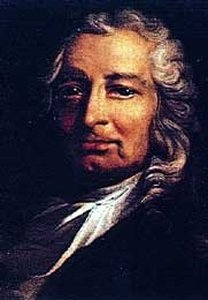
Johann M. Rottmayr
1654 - 1730 , Saksa
Pikatiedot
- Artistic Movement Or Style: Barokki
- Artists Or Movements Influenced By This Artist: ['Austrian Baroque']
- Artists Who Influenced This Artist: ['Johann Carl Loth']
- Date Of Birth: 1654
- Date Of Death: 1730
- Full Name: Johann Michael Rottmayr
- Nationality: Saksa
- Notable Artworks:
- Melk Abbey Dome
- Intercession of Charles Borromeo
- Vulcan
- Place Of Birth: Laufen an der Pegnitz


