

 Katso seinällä
 Lähetä
 Jaa
Jaa
 Tarkemmat tiedot
 Opas
Opas

 Lataa kuva
 Samanlaisia kohteita
 Röntgenkuvaus
 Diaesitys
 Tilastot
Shell cart
 Oil On Canvas
- WallArt
- Dutch Hague School
 1890
1890- 19th Century
 473.0 x 400.0 cm
 Kunstmuseum
 Lue lisää
Giclée- ja taideprintit
Museolaatuisia giclée- tai kankaitaulun tulosteita nopealla tuotannolla ja joustavilla viimeistelyvaihtoehdoilla. ( Tilaa käsinmaalattu jäljennös Siirry digitaaliseen kuvaan)




P118B €10

P118H €10

P118W €10

P438Z €10

P508JH €12

P508YH €12

P805H €10

P805Z €10

P919BZ €10

P919G €10

P919XJ €10

P959ZH €10

P968JZ €12

W106C €8

W218G €10

W218JH €8

W218Y €10

W307PJ €10

W316G €10

W316PJ €8

W316Y €10

W398PJ €8

W4111J €10

W500HY €15

W500JH €15

W692G €12

W849H €8

W940BG €15

W953PJ €8




Valitse valmiista mitoistamme sellaiset, jotka vastaavat teoksen alkuperäisiä mittasuhteita.

Voit syöttää omat mitat sopiaksesi tiettyyn kehykseen tai tilaan. Jos valittu koko ei vastaa alkuperäisen kuvan mittasuhteita, rajaamme teosta tai laajennamme kuvaa peilatulla tai yhtenäisellä reunalla. Digitaalinen mallikuva lähetetään hyväksyttäväksi ennen tuotannon aloittamista.
Huomaathan, että näytöllä näkyvä esikatselu ei vastaa lopullista rajausta tai laajennusta. Vain mallikuva näyttää lopullisen sommittelun tarkasti.
Vaikka räätälöityjä kokoja on saatavilla, suosittelemme valitsemaan mitat valmiista listasta alkuperäisten mittasuhteiden säilyttämiseksi.
Maailmanlaajuinen toimitus () 2 viikossa tavallisen 4–5 viikon sijaan. (10 lokakuu)

Ilmainen pikatoimitus ympäri maailman

Korkealaatuinen pellavakangas

Kattava kuljetusvakuutus

Tulliveron palautustakuu

Takuu täydellisestä värien vastaavuudesta

100 päivän palautusoikeus valmistusvirhetapauksissa

100% rahat takaisin -takuu

Määräalennus saatavilla
 Lasivaihtoehto on saatavilla vain alle 110 cm kokoisille teoksille

Shell cart
Giclée- ja taideprintit
Replikaatin koko
-


Kokonaishinta
€ 69
A Moment Frozen in Time: Exploring Johan Hendrik Weissenbruch’s “Shell Cart”
The painting "Shell Cart," executed by Johan Hendrik Weissenbruch in 1890, stands as a testament to the artist's masterful command of late Impressionist technique and his unwavering dedication to capturing the essence of natural beauty. More than just a depiction of a seaside scene—a horse-drawn carriage traversing the sandy shore—it embodies a profound exploration of light, texture, and mood, reflecting the artistic sensibilities of its time and resonating with viewers today.The Painter's Vision: Impressionistic Brilliance
Weissenbruch’s artistic journey began amidst an environment rich in artistic influence. His father’s passion for painting exposed him to luminaries like Schelfhout and van Hove, artists who championed atmospheric landscapes—a stylistic approach that would indelibly shape Weissenbruch’s own vision. Johannes Low recognized his innate talent and provided crucial training at the Hague Academy of Art, fostering a connection with fellow artists committed to pushing the boundaries of artistic expression. This formative period instilled in him an appreciation for capturing fleeting moments of visual experience, prioritizing tonal variations and brushwork over precise representation.Technique and Texture: A Symphony of Brushstrokes
The painting’s remarkable quality lies primarily in its execution—a deliberate embrace of Impressionist principles. Weissenbruch skillfully employed a technique characterized by loose, expressive brushstrokes that prioritize texture and luminosity. Long strokes evoke the diffused glow of late afternoon sunlight bathing the beach, while shorter, overlapping strokes mimic the undulating movement of crashing waves. Dabs of brown and grey tones subtly convey the muted hues of the setting sun reflecting off the sand surface—a meticulous attention to detail that elevates the artwork beyond mere visual observation. The artist’s deliberate manipulation of paint surface contributes significantly to the painting's emotive power, inviting contemplation on the passage of time and the serenity of nature.Historical Context: Symbolism Within Landscape
Painted during a period marked by burgeoning interest in plein air painting—the practice of working outdoors directly from observation—"Shell Cart" aligns itself with broader artistic trends of its era. The Impressionists sought to depict reality as perceived by the senses, prioritizing subjective experience over academic conventions. Landscapes held particular significance for artists like Weissenbruch, serving not only as subjects for visual delight but also as vehicles for conveying deeper philosophical ideas about beauty and contemplation. The carriage itself—a symbol of movement and progress—contrasts subtly with the stillness of the beach, prompting reflection on humanity’s relationship to the natural world.Emotional Resonance: Capturing Tranquility
Ultimately, “Shell Cart” succeeds in transporting viewers to a moment of idyllic repose. The calm atmosphere conveyed by Weissenbruch's masterful brushwork and tonal palette evokes feelings of peace and contentment—a testament to his ability to translate visual impressions into emotionally resonant art. It’s a painting that invites us to savor the beauty of simplicity, reminding us of the restorative power of nature and the enduring fascination with capturing fleeting moments of sublime experience. Its legacy continues to inspire artists and collectors alike who appreciate the profound artistry embedded within this timeless landscape masterpiece.Kysymykset ja vastaukset
Milloin "Shell cart" on tehty?
Jan Hendrik Weissenbruch:n "Shell cart" on luotu vuonna 1890.
Miten teos "Shell cart" on valmistettu ja kuinka suuri se on?
"Shell cart" on valmistettu tekniikalla Oil On Canvas, ja sen alkuperäinen koko on 473 x 400 cm.
Mitä Jan Hendrik Weissenbruch:n "Shell cart" esittää ja millainen on sen tunnelma?
Jan Hendrik Weissenbruch:n "Shell cart" yhdistää landscape, beach, carriage, horses, twilight, atmosphere, painting style-aiheet Serene-tunnelmaan.
Kuka on luonut teoksen "Shell cart" ja minä vuonna?
Teoksen "Shell cart" tekijä on Jan Hendrik Weissenbruch, ja se on vuodelta 1890.
Kenelle taiteilijalle "Shell cart" on laitettu tekijyys?
Teoksen "Shell cart" taiteilija on Jan Hendrik Weissenbruch. Teos on luetteloitu Jan Hendrik Weissenbruch nimellä.
Missä ja mihin tarkoitukseen "Shell cart" suositellaan?
Suositellut käyttötavat (Accent) ja tilat (Living Room) ovat kaksi suositusta teokselle Jan Hendrik Weissenbruch:n "Shell cart".
Kuinka vanha Jan Hendrik Weissenbruch oli tehdessään "Shell cart"?
Jan Hendrik Weissenbruch oli 66 vuotias luodessaan teoksen "Shell cart" vuonna 1890. Ikä on laskettu taiteilijan syntymävuodesta 1824.
Taiteilijan elämäkerta
Varhaiset vuodet ja koulutus
Johannes Hendrik Weissenbruch, syntynyt Haagissa 19. kesäkuuta 1824, polveutui taiteellisesti rikkaasta suvusta. Hänen isänsä, Johannes Weissenbruch, oli kokki ja ravintoloitsija, mutta myös intohimoinen maalaaja – harrastus, joka herätti nuorussa Jan Hendrikissä varhaisen arvostuksen visuaalista taidetta kohtaan. Isän kokoelmissa komeilivat merkittävien taiteilijoiden, kuten Andreas Schelfhoutin ja Bartholomäus van Hoven teoksia, joiden tunnelmalliset maisemat muovasivat syvästi Weissenbruchin varhaisia vaikutteita. Tämä altistuminen tunnetuille mestareille muokkas hänen taiteellista näkemystään jo alusta alkaen. Kunnioitettu piirustuksenopettaja Johannes Low tunnisti Jan Hendrikin lahjakkuuden ja tarjosi hänelle arvokkaita opetustunteja vuonna 1843. Samanaikaisesti hän ilmoittautui illan opintokertoimille, joita Bartholomäus van Hove piti Haagin taideakatemiassa, syventäen näin taiteellista koulutustaan vilkkaassa taiteellisessa ympäristössä.Taiteellinen tyyli ja vaikutteet
Weissenbruchin varhainen taiteellinen tyyli heijasti romanttisen koulukunnan estetiikkaa – erityisesti Schelfhoutin huolellista yksityiskohtiin kiinnittämistä. Hänen maisemansa vangitsivat alankomaalaisten taivaiden loiston merkittävässä tarkkuudessa, mikä kuvastaa Schelfhoutin ihailua Jacob van Ruisdaelia kohtaan, jota hän tapasi nuorena vierailullaan Mauritshiushissa Haagissa. Tämä kohtaaminen vahvisti Weissenbruchin kiinnostusta 1600-luvun maisemamaalaukseen ja sen ilmaisukykyyn. Taiteellisen näkemyksensä kehittyessä Weissenbruch omaksui vähitellen löysempiä siveltimenvetoja ja laajempia väripaletteja – tekniikoita, jotka antoivat hänen maalauksilleen eteerisen tunnelman, joka muistutti Ruisdaelin monumentaalisia kankaita. Hän yhdisteli taitavasti romanttista ihanteellisuutta impressionistisia havaintoja ja loi näin tunnusomaisen tyylin, joka resonoi syvästi Haagin koulukunnan liikkeessä.Merkittävät teokset ja kehitys
Weissenbruchin tuotanto kattaa monipuolisen valikoiman maisemia ja genrekohtauksia – pääosin akvarelleja – jotka ilmentävät hänen mestarillista kykyään vangita Alankomaiden maaseudun kauneutta. Hänen tunnetuimpien teostensa joukossa ovat ”Tie kanavan varrella”, joka kuvaa tyyneyttä huokuvan vesiväylän rehevien kasvillisuuksien reunustamana; ”Maisema myllyllä Schiedamin lähellä”, jossa esiintyy idyllinen tuulimylly kumpuilevien kukkuloiden keskellä; ja ”Metsänäkymä Barbizonissa”, joka on kunnianosoitus impressionistisille tekniikoille sovellettuna ranskalaisiin maisemiin. Nämä teokset osoittavat Weissenbruchin kyvyn välittää tunnelmaa ja ilmapiiriä huomattavalla hienovaraisuudella – hänen taiteellisen lähestymistapansa tunnusmerkki. Hänen huolellinen valon ja värin havaintonsa yhdistettynä ilmeikkääseen siveltimenvetoon vahvisti hänen mainettaan Haagin koulukunnan merkittävimpänä harjoittajana. Ajan myötä Weissenbruchin tyyli kehittyi, siirtyen tarkasta romanttisesta realismista vapaampaan ja impressionistisempaan ilmaisutapaan. Tämä näkyy erityisesti hänen akvarelleissaan, joissa hän vangitsi Alankomaiden pilvisten taivaiden ja kosteiden maisemien tunnelman herkällä siveltimellä.Perintö
Jan Hendrik Weissenbruch seisoo keskeisenä hahmona alankomaalaistaidet historian – Haagin koulukunnan kulmakivenä, joka kukoisti vuosina 1860–1900. Hänen akvarellinsa ovat tunnettuja herkistä siveltimenvetoistaan ja syvästä herkkyydestään luonnonvalolle – ominaisuuksia, jotka inspiroivat edelleen taiteilijoita tänäkin päivänä. Hän sai tunnustusta sekä kotimaassa että kansainvälisesti yhtenä aikansa merkittävimmistä maalareista. Weissenbruchin vaikutus ulottui oman taiteellisen tuotantonsa ulkopuolelle; hän ohjasi merkittäviä taiteilijoita, kuten Anton Mauvea ja Victor Bauffea, muokaten siten alankomaalaisen maisemamaalauksen suuntausta vuosikymmeniksi eteenpäin. Hänen perintönsä ei asu ainoastaan hänen upeissa visuaalisissa luomuksissaan, vaan myös hänen panoksessaan erillisen taiteellisen perinteen edistämiseen – sellaisen, joka priorisoi havaintoa, tunnetta ja luonnon loiston ilmaisuvoimaista kuvausta. Weissenbruchin maalauksia löytyy museoista ympäri Eurooppaa, kuten Rijksmuseum Amsterdamissa ja Mauritshiushissa, mikä varmistaa hänen taiteellisen näkemyksensä kestävyyden sukupolvien ajan.
Jan Hendrik Weissenbruch
1824 - 1903 , Alankomaat
Tietoa taiteilijasta
- Artistic Movement Or Style: Haagin Koulu
- Artists Or Movements Influenced By This Artist: ['Anton Mauve']
- Artists Who Influenced This Artist:
- Andreas Schelfhout
- Jacob van Ruisdael
- Date Of Birth: 19. kesäkuuta 1824
- Date Of Death: 24. maaliskuuta 1903
- Full Name: Jan Hendrik Weissenbruch
- Nationality: Hollantilainen
- Notable Artworks:
- Tie kanavan lähellä
- Maisema myllyllä Schiedamin lähellä
- Metsänäkymä Barbizonissa
- Place Of Birth: Haagi, Alankomaat
Aiheeseen liittyvät artikkelit
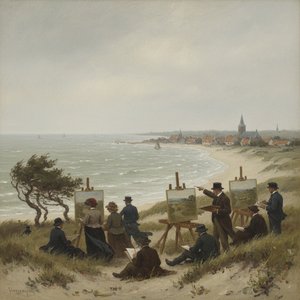
Capturing the Grey Light: A Masterclass in the Atmospheric Hague School Art Movement
Explore the ethereal beauty of the Hague School art movement. Discover how masters like Jan Weissenbruch captured the atmospheric grey light of the Dutch landscape through unparalleled technique and emotive, misty compositions.
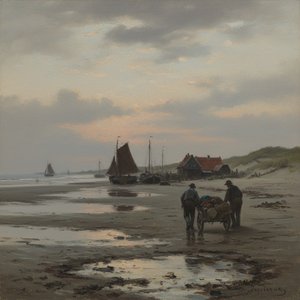
Jan Hendrik Weissenbruch: A Master of Dutch Realism & Atmospheric Light
Explore the captivating world of Jan Hendrik Weissenbruch, a master of Dutch Realism. Discover his atmospheric landscapes, influences, and legacy within the Hague School. Learn about this 19th-century artist's unique style & enduring impact.
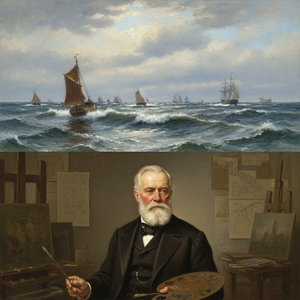
Hendrik Willem Mesdag: Pioneering Impressionism & the Dutch Maritime Tradition
Explore the life & work of Hendrik Willem Mesdag, a pioneer of Dutch Impressionism and leading figure of the Hague School. Discover his captivating seascapes and the immersive Panorama Mesdag – a true masterpiece.

The Hague School: Realism, Atmosphere & the Dawn of Dutch Impressionism
Explore the Hague School's pivotal role in Dutch art history. Discover realism, atmospheric landscapes & its influence on Impressionism. Learn about key artists like Mauve & Maris with OriginalUniqueArt.
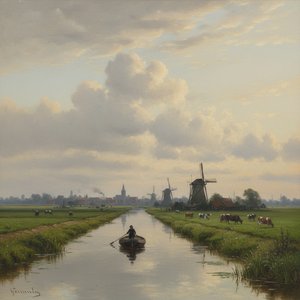
Johan Hendrik Weissenbruch: Capturing Dutch Light & Atmosphere – A Master of Realism
Discover Johan Hendrik Weissenbruch (1824-1903), a leading Dutch Hague School painter renowned for his atmospheric watercolours & oil landscapes. Explore his beautiful depictions of the Dutch countryside and skies – a master of light & detail.
