
 Esikatselu
 Jaa
Jaa Jaa
Jaa
 Tarkemmat tiedot

 Lataa
Lataa
 Samanlaisia
 Röntgenkuva
 Diaesitys
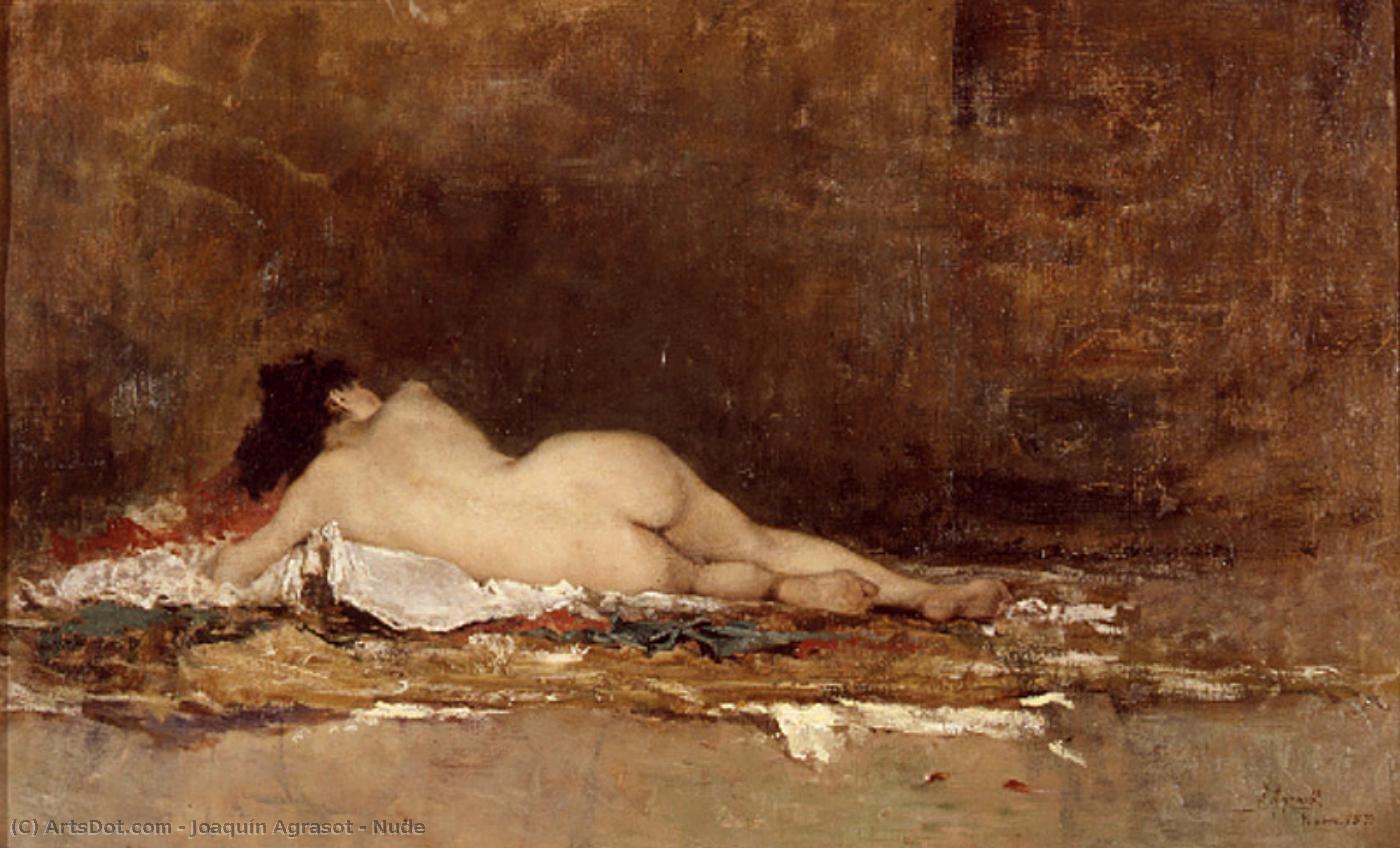
Nude
 Realism
 1871
1871 28.0 x 45.0 cm
 Museum of Fine Arts of Valencia
 Näytä lisää
Käsinmaalattu öljykopio
Käsinmaalattu öljyväri kankaalle haluamassasi koossa ja kehyksissä, taiteilijoidemme valmistamana tilauksesta. ( Osta printti Osta kuva)




































Valitse valmiista mitoistamme sellaiset, jotka vastaavat teoksen alkuperäisiä mittasuhteita.

Voit syöttää omat mitat sopimaan tiettyyn kehykseen tai tilaan. Jos valitsemasi koko ei vastaa alkuperäisen kuvan mittasuhteita, rajaamme taideteoksen tai jatkamme maalausta käsin maalatuilla elementeillä. Digitaalinen esikatselu lähetetään hyväksyttäväksi ennen tuotannon aloittamista.
Huomioithan, että näytöllä oleva esikatselu ei vastaa todellista rajausta tai jatkamista. Vain digitaalinen mallikuva näyttää lopullisen sommittelun tarkasti.
Vaikka mittatilaustyöt ovat mahdollisia, suosittelemme valitsemaan mitan ennalta määritetystä listasta alkuperäisten mittasuhteiden säilyttämiseksi.
Tilauksen jälkeen OriginalUniqueArt.com -tiimi lähettää asiakkaalle ohjeet ja esikatselukuvan.
Maailmanlaajuinen toimitus () 3–4 viikossa tavallisen 5 viikon sijaan. (21 elokuu). Laadusta ei tingitä.

Ilmainen pikatoimitus ympäri maailman

Korkealaatuinen pellavakangas

Kattava kuljetusvakuutus

Tulliveron palautustakuu

Täydellinen värien vastaavuustakuu

60 päivän palautusoikeus (vain valmistusvirheet)

100% rahat takaisin -takuu

Määräalennus tarjous
 Lasivaihtoehto on saatavilla vain alle 110 cm kokoisina teoksina

Nude
Reproduktiotekniikka
Replikaatin koko
-


Kokonaishinta
$ 300
Taiteilijan elämäkerta
Joaquín Agrasot y Juan: A Pioneer of Costumbrismo
Joaquín Agrasot y Juan (December 24, 1836 – January 8, 1919) stands as a prominent figure in Spanish Realist painting and a cornerstone of the Costumbrismo movement. Born in Orihuela, Alicante Province, Spain, Agrasot’s artistic journey began with formal training at the Real Academia de Bellas Artes de San Carlos de Valencia, where he honed his skills amidst fellow artists striving for academic excellence. This formative period instilled in him a dedication to meticulous observation and skillful representation of everyday life—a characteristic that would define his distinctive style.- Early Life & Education: Agrasot’s upbringing fostered an appreciation for artistic pursuits, though biographical details remain somewhat sparse. His enrollment at San Carlos cemented his commitment to mastering traditional techniques and capturing the nuances of Spanish society.
- Roman Influences & Artistic Circle: A pivotal moment arrived in 1860 when Agrasot secured a fellowship to study in Rome—a pilgrimage that exposed him to the grandeur of Italian Renaissance art and broadened his artistic horizons. He joined the influential artistic circle centered at the antico caffè greco, engaging in stimulating discussions and exchanging ideas with contemporaries who championed realism and expressive brushwork.
The Costumbrismo Style: Capturing Spanish Soul
Agrasot’s artistic vision crystallized into the Costumbrismo genre—a movement dedicated to portraying scenes of ordinary Spanish life, imbued with regional character and psychological depth. Unlike idealized depictions favored by academic painting, Costumbrismo embraced unflinching realism, prioritizing honest portrayals of landscapes, interiors, and portraits of common people. Agrasot’s canvases pulsate with vibrant colors and dynamic compositions, reflecting the spirit of his time—a period marked by social reform and burgeoning artistic experimentation. His works aim to convey not merely what is seen but also what is felt, capturing the essence of Spanish culture and identity.- National Exhibitions & Recognition: Agrasot’s unwavering dedication to his craft garnered considerable acclaim through participation in national exhibitions organized by the Royal Academy of Fine Arts. His canvases consistently impressed juries and critics alike, establishing him as a respected voice within the Spanish artistic community.
- Return to Valencia & Academic Roles: After three years abroad, Agrasot returned to his hometown of Orihuela, where he resided for many years before settling in Granada. He continued his academic pursuits at San Carlos and subsequently joined the Real Academia de Bellas Artes de San Fernando, serving as a juror on numerous occasions—a testament to his enduring influence within Spanish art education.
Notable Works & Legacy
Agrasot’s oeuvre encompasses a diverse range of subjects—from landscapes and portraits to genre scenes depicting daily life. Among his most celebrated paintings are “A Picador on a grey horse,” “Nude,” and “Interior with woman embroidering”—each piece exemplifies the artist's mastery of Costumbrismo techniques and his ability to evoke profound emotional resonance. His meticulous attention to detail, combined with expressive brushwork and masterful use of color, ensures that Agrasot’s artworks continue to captivate audiences today.Historical Significance
Joaquín Agrasot y Juan's contribution to Spanish art history extends beyond his individual achievements. He served as a pivotal figure in establishing Costumbrismo as a distinct artistic movement—a reaction against academic conventions and a celebration of Spanish vernacular culture. His legacy resides not only in the beauty of his paintings but also in their enduring portrayal of the human condition—a timeless reminder of the power of art to illuminate the complexities of everyday life and capture the spirit of an era.
joaquín agrasot y juan
1836 - 1919 , Spain
Pikatiedot
- Artistic Movement Or Style: Realism
- Date Of Birth: December 24, 1836
- Date Of Death: January 8, 1919
- Full Name: Joaquín Agrasot y Juan
- Nationality: Spanish
- Notable Artworks:
- A Picador on a grey horse
- Nude
- Interior with woman embroidering
- Place Of Birth: Orihuela, Spain

