
 Katso seinällä
 Lähetä
 Jaa
Jaa
 Tarkemmat tiedot
 Opas
Opas

 Lataa kuva
 Samanlaisia kohteita
 Röntgenkuvaus
 Diaesitys
 Tilastot
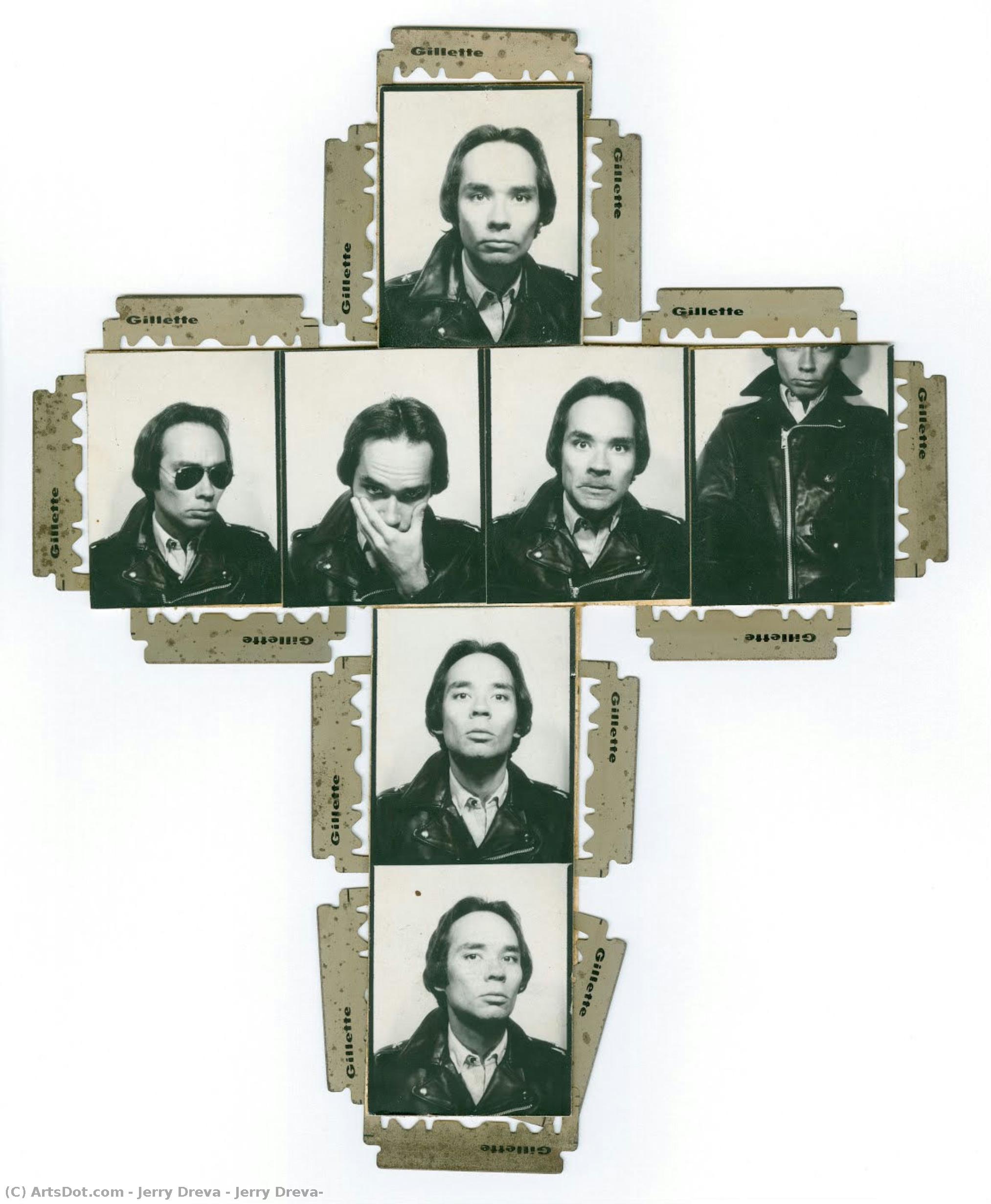
Jerry Dreva


 Lue lisää
Käsinmaalattu öljyvärinen jäljennös
Käsinmaalattu öljyväri kankaalle haluamassasi koossa ja kehyksissä, taiteilijoidemme valmistamana tilauksesta. ( Vaihda tulosteeseen Siirry digitaaliseen kuvaan)




































Valitse valmiista mitoistamme sellaiset, jotka vastaavat teoksen alkuperäisiä mittasuhteita.

Voit syöttää omat mitat sopimaan tiettyyn kehykseen tai tilaan. Jos valitsemasi koko ei vastaa alkuperäisen kuvan mittasuhteita, rajaamme taideteoksen tai jatkamme maalausta käsin maalatuilla elementeillä. Digitaalinen esikatselu lähetetään hyväksyttäväksi ennen tuotannon aloittamista.
Huomioithan, että näytöllä oleva esikatselu ei vastaa todellista rajausta tai jatkamista. Vain digitaalinen mallikuva näyttää lopullisen sommittelun tarkasti.
Vaikka mittatilaustyöt ovat mahdollisia, suosittelemme valitsemaan mitan ennalta määritetystä listasta alkuperäisten mittasuhteiden säilyttämiseksi.
Tilauksen jälkeen OriginalUniqueArt.com -tiimi lähettää asiakkaalle sähköpostitse ohjeet ja esikatselukuvan.
Maailmanlaajuinen toimitus () 3–4 viikossa tavallisen 5 viikon sijaan. (26 syyskuu). Laadusta ei tingitä.

Ilmainen pikatoimitus ympäri maailman

Korkealaatuinen pellavakangas

Kattava kuljetusvakuutus

Tulliveron palautustakuu

Takuu täydellisestä värien vastaavuudesta

100 päivän palautusoikeus valmistusvirhetapauksissa

100% rahat takaisin -takuu

Määräalennus saatavilla
 Lasivaihtoehto on saatavilla vain alle 110 cm kokoisille teoksille

Jerry Dreva
Reproduktiotapa
Replikaatin koko
-


Kokonaishinta
$ 300
Taiteilijan elämäkerta
The Art of Subterfuge: The Radical Legacy of Jerry Dreva
In the vibrant, often chaotic tapestry of the late twentieth-century avant-garde, few figures embodied the spirit of playful rebellion quite like Jerry Dreva. A polymath of the counterculture—artist, writer, performer, and activist—Dreva did not merely create art; he lived it, blurring the boundaries between his private identity and his public persona with a wit that was as sharp as it was subversive. Hailing from South Milwaukee, Wisconsin, his life was a continuous performance piece, a deliberate attempt to dismantle the walls separating the gallery space from the streets of everyday life. To understand Dreva is to understand a man who viewed the postal service as a canvas and the city itself as a stage for clandestine creativity.
Dreva’s artistic journey was deeply intertwined with the social upheavals of the 1960s and 70s. As an active participant in civil rights and anti-war movements, his commitment to justice was inseparable from his aesthetic evolution. This period saw the birth of Les Petites Bon-Bons, a conceptual rock band that remains one of the most delightful paradoxes in art history. Alongside Robert J. Lambert, Dreva crafted a musical identity that relied entirely on visual spectacle rather than sound; dressed in the flamboyant, glittering attire of glam rock icons, the group famously never played a single concert and never even picked up an instrument. Through this project, Dreva explored the power of myth-making, using fashion and media presence to simulate a musical revolution that existed only in the imagination of the public.
The Postal Network and the Art Gangster
Perhaps his most enduring contribution to the contemporary art canon was his mastery of Mail Art. In an era before digital connectivity, Dreva utilized the global postal network to foster a decentralized, democratic form of communication. He became a vital node in an international web of creators, corresponding with legendary figures such as On Kawara, Ray Johnson, and Ben Vientier. This practice was not merely about sending images; it was about building a community through the ritual of exchange, bypassing the gatekeepers of the traditional art market to create a shared, borderless experience.
Yet, Dreva’s most thrilling interventions occurred much closer to home. Operating under the mischievous moniker of "The Art Gangster," he engaged in a sophisticated game of urban performance. He would spend his nights secretly spray-painting public buildings in South Milwaukee, only to reappear the following morning in his professional capacity as a reporter for the local Voice-Journal. In a brilliant stroke of meta-commentary, he would write glowing, celebratory reports on these very acts of graffiti. This duality—the vandal and the journalist—allowed him to manipulate the media narrative and force the community to confront the presence of art in their most mundane spaces. It was a masterful use of subterfuge that turned local news into a medium for conceptual performance.
A Life of Activism and Enduring Influence
Beyond the playful trickery of his performances, Dreva’s work was anchored by a profound dedication to social change. His activism was particularly focused on the burgeoning struggle for LGBTQIA+ rights, both within his local Wisconsin community and on a national scale. His art often served as a vehicle for visibility, documenting the struggles and triumphs of marginalized identities with an unflinching eye. This commitment to truth-telling through art ensured that his work carried a weight far beyond its humorous or conceptual surface.
As his interests expanded in the 1980s, Dreva’s horizons stretched toward Latin America, where he immersed himself in the cultures of Guatemala and El Salvador. This period of exploration added new layers of linguistic and cultural depth to his already multifaceted practice. Though he passed away in 1997, the echoes of his "Art Gangster" persona continue to resonate. He remains a pivotal figure for anyone studying the intersection of performance, activism, and the democratization of art, reminding us that the most profound creative acts are often those that refuse to stay within the lines.

Jerry Dreva
1945 - 1997 , United States of America
Tietoa taiteilijasta
- Artistic Movement Or Style: Mail Art
- Artists Or Movements Influenced By This Artist: ['Fluxus Movement']
- Artists Who Influenced This Artist: ['Les Petites Bon-Bons']
- Date Of Birth: 1945
- Date Of Death: 1997
- Full Name: Jerry Dreva
- Nationality: American
- Notable Artworks: ['Untitled portrait of Gronk and Jerry Dreva']
- Place Of Birth: South Milwaukee, United States