Katso seinällä
 Lähetä
 Jaa
Jaa
 Tarkemmat tiedot
 Opas
Opas

 Lataa kuva
 Samanlaisia kohteita
 Röntgenkuvaus
 Diaesitys
 Tilastot
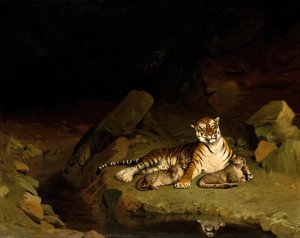
Phyrne before the Areopagus


 Lue lisää
Giclée- ja taideprintit
Museolaatuisia giclée- tai kankaitaulun tulosteita nopealla tuotannolla ja joustavilla viimeistelyvaihtoehdoilla. ( Tilaa käsinmaalattu jäljennös Siirry digitaaliseen kuvaan)




P118B €10

P118H €10

P118W €10

P438Z €10

P508JH €12

P508YH €12

P805H €10

P805Z €10

P919BZ €10

P919G €10

P919XJ €10

P959ZH €10

P968JZ €12

W106C €8

W218G €10

W218JH €8

W218Y €10

W307PJ €10

W316G €10

W316PJ €8

W316Y €10

W398PJ €8

W4111J €10

W500HY €15

W500JH €15

W692G €12

W849H €8

W940BG €15

W953PJ €8




Valitse valmiista mitoistamme sellaiset, jotka vastaavat teoksen alkuperäisiä mittasuhteita.

Kirjoita tarvitsemasi leveys ja korkeus, jotta tuloste sopii kehyskokoon tai seinällesi. Tulostetta voidaan vain leikata, sitä ei voi koskaan tehdä suuremmaksi kuin alkuperäinen kuva, joten eri muotoinen koko aiheuttaa osan kuvasta katoamisen. Lähetämme sinulle digitaalisen mallikuvan hyväksyttäväksi ennen kuin aloitamme tulostuksen. Tällä sivulla näkyvä kuva ei näytä lopullista leikkausta — vain mallikuva näyttää sen.
Maailmanlaajuinen toimitus () 2 viikossa tavallisen 4–5 viikon sijaan. (26 lokakuu)

Ilmainen pikatoimitus ympäri maailman

Korkealaatuinen pellavakangas

Kattava kuljetusvakuutus

Tulliveron palautustakuu

Takuu täydellisestä värien vastaavuudesta

100 päivän palautusoikeus valmistusvirhetapauksissa

100% rahat takaisin -takuu

Määräalennus saatavilla
 Lasivaihtoehto on saatavilla vain alle 110 cm kokoisille teoksille

Phyrne before the Areopagus
Giclée- ja taideprintit
Replikaatin koko
-


Kokonaishinta
€ 70
The Dramatic Tableau of Jean Léon Gérôme
Jean Léon Gérôme’s “Phyrne Before the Areopagus,” painted in 1861, isn't merely a historical scene; it’s a meticulously crafted stage for an ancient drama. This oil-on-canvas masterpiece, now residing within the esteemed collection of the Hamburger Kunsthalle in Hamburg, exemplifies Academicism at its most potent – a style characterized by rigorous research, painstaking detail, and a commitment to portraying history with unwavering accuracy. Gérôme, a master storyteller through his art, transports us directly into the heart of 1st-century Athens, capturing not just an event but the very atmosphere of judgment and consequence.
A Scene of Ancient Justice
The painting depicts a pivotal moment within the Athenian legal system – the Areopagus, a council of elders presided over by Phyrne. The scene unfolds outdoors, bathed in a diffused light that lends an air of solemnity to the proceedings. A simple wooden bench provides a grounding element amidst the figures, while a trumpet held aloft suggests the imminent pronouncement of judgment. The composition is carefully balanced; Phyrne, positioned centrally and slightly elevated, commands attention as she awaits her fate. The faces of the assembled officials – Roman soldiers and magistrates – are etched with expressions ranging from stern contemplation to quiet anticipation, reflecting the gravity of the situation.
Technique and Academic Precision
Gérôme’s mastery lies in his meticulous rendering of detail. Observe the textures of the clothing—the draped robes of the officials, the simple garments of Phyrne – each meticulously painted to convey a sense of weight and material quality. The artist's use of oil paint allows for rich colors and subtle gradations, creating depth and realism within the scene. The architectural elements, particularly the backdrop featuring the Areopagus itself, are rendered with an almost photographic precision, demonstrating Gérôme’s dedication to historical accuracy. This commitment to detail is a hallmark of Academic painting – a style that prioritized observation and representation over spontaneous expression.
Symbolism and Narrative Weight
Beyond its historical depiction, “Phyrne Before the Areopagus” carries significant symbolic weight. The scene represents not just a legal trial but also the clash between cultures—the Roman administration overseeing Greek justice. Phyrne’s posture – poised yet vulnerable – suggests her uncertainty and the potential consequences of her actions. The trumpet call signifies the finality of judgment, while the faces of the officials embody the authority and impartiality (or perceived impartiality) of the Athenian legal system. The painting invites viewers to contemplate themes of justice, power, and cultural exchange—elements that resonate powerfully even today.
A Legacy of Dramatic Historical Painting
Jean-Léon Gérôme’s “Phyrne Before the Areopagus” stands as a testament to his skill and influence. His work helped shape the visual language of historical painting in the 19th century, inspiring generations of artists with his meticulous detail and dramatic storytelling. Reproductions of this compelling scene continue to captivate audiences, offering a glimpse into a distant past and prompting reflection on timeless themes of justice, power, and human drama. It remains a cornerstone of the Hamburger Kunsthalle’s collection and a powerful example of Academic art at its finest.
Kysymykset ja vastaukset
Onko teoksessa Jean-Léon Gérôme:n "Phyrne before the Areopagus" värit kylläisiä vai hillittyjä?
Teoksen Jean-Léon Gérôme:n "Phyrne before the Areopagus" värikylläisyys on Subtle Color.
Mikä taiteilija ja mikä tyyli ovat takana teoksen "Phyrne before the Areopagus"?
Teoksen "Phyrne before the Areopagus" takana ovat Jean-Léon Gérôme ja Academicism-suuntaus.
Kuinka vanha Jean-Léon Gérôme oli tehdessään "Phyrne before the Areopagus"?
Kun "Phyrne before the Areopagus" luotiin vuonna 1861, Jean-Léon Gérôme (syntynyt 1824) oli 37 vuotias.
Taiteilijan elämäkerta
Jean-Léon Gérôme: 19th Vuosisadan Tarinankertoja ja Taiteellinen Mestari
Jean-Léon Gérôme, nimi joka on synonyymi 1800-luvun Ranskan akateemiselle taiteelle, oli enemmän kuin pelkkä taitava teknikko; hän oli tarinankertelija, joka vangitti katsojien mielikuvituksen huolellisesti renderöidyillä näkymillä, jotka olivat täynnä draamaa ja eksotiikkaa. Syntynyt Vesoulissa vuonna 1824, hänen taiteellinen matkansa alkoi paikallisen taiteilijan Claude-Basile Cariagen ohjauksessa, asettaen pohjan uralle, joka näki hänet tulevan ehkäpä ajan kuuluisimmaksi taiteilijaksi. Siirtynyt Pariisiin 16-vuotiaana, hän opiskeli aluksi Paul Delarochen johdolla, tunnetun historiallisten maalauksien mestarin, ja myöhemmin osallistui École des Beaux-Artsiin, imiäen klassisen koulutuksen periaatteita. Gérôme erosi kuitenkin nopeasti jäljittelemättä sokeasti vaan yhdistämällä huolellista realismia dramaattiseen narratiiviin – yhdistelmän, joka määrittelisi ainutlaatuisen tyylinsä. Varhainen menestyksensä *Cock Fight* -maalauksella vuonna 1847 vauhditti häntä maineeseen, asettaen hänet johtavaksi hahmoksi Neo-Grec-liikkeessä, joka pyrki herättämään klassiset teemat uudelleen huomiin keskittyen uuteen yksityiskohtien tarkkuuteen.Historiallinen Loisto ja Orientalistiset Visioivat
Gérômen taiteellinen laajuus oli uskomattoman laaja. Hän käsitteli historiallisia aiheita lähes elokuvamaisesti, antamalla niille välittömyyden ja psykologisen syvyyden. Suuri seinämaalaustyö *The Age of Augustus, the Birth of Christ*, jonka tarkoituksena oli kunnioittava allegoria Napoleon III:lle, osoitti hänen kykyäännsä käsitellä monimutkaisia kokoonpanoja ja suuria tarinoita. Silti hän todella vangitsi yleisön mielikuvituksen orientalististen maalauksien kautta. Inspiroituneena matkoista Turkkiin, Egyptiin ja Pohjois-Afrikkaan, hän kuvasi haremeja, vilkkaita markkinoita ja aavikkomaisemia eksotiikan avulla, joka sekä kiehtoi että, modernin näkökulman mukaan, peräänkiersi joskus ongelmallisia stereotypioita. Maalauksia kuten *Harem Women Feeding Pigeons in a Courtyard* arvostettiin suuresti, tarjoten eurooppalaisille katsojille vilkon ja salaperäisen maailman näkemistä. Nämä teokset eivät olleet pelkästään hänen havaintojensa kopioita; ne olivat huolellisesti luotuja fantasioita, jotka yhdistivät havaintoja mielikuvitukseen luoden vakuuttavia visuaalisia tarinoita. Hän ei vain dokumentoinut Orienttia; hän *luonnutti* sitä länsimaisten kuluttajien näkökulmasta. Tämä käytäntö haastoi hänen paikkansa, mutta samalla vahvisti hänen laajan suosion.Opettaja ja Vaikuttava Opettaja
Taiteellisen tuotantonsa ulkopuolella Gérôme harjoitti merkittävää vaikutusta opettajana École des Beaux-Artsissa. Hänen ateljeensa muuttui seuraavien taiteilijasukupolvien kasvatusalueeksi, houkutellen oppilaita koko Euroopasta ja Amerikasta. Hänen tunnetuimmista oppilaistaan olivat Thomas Eakins, John Singer Sargent ja Mary Cassatt – taiteilijoita, jotka muovasivat oman ainutlaatuisen polkunsa, mutta joiden perusteet olivat varmasti Gérômen tiukan koulutuksen ja huolellisen taitotarkastelun ansiosta. Hän opetti heille piirustusta, kompositiota ja elämän tarkkailun tärkeyttä. Vaikka hänen konservatiiviset taiteelliset näkemyksensä törmäsivät joskus modernin avantgarde-liikkeen kanssa, hänen vaikutuksensa Amerikan taiteen kehitykseen oli merkittävä. Oppilaansa kantivat hänen periaatteitaan takaisin Amerikkaan, perustivat omat ateljeensa ja jatkoivat akateemisen perinteen levittämistä.Kulttuuristen Vuorovaikutusten Aikakausi
Gérômen taiteessa näkyy vahvasti 1800-luvun lopun kulttuurien välinen vuorovaikutus, erityisesti Euroopan ja Orientin välillä. Hänen maalauksensa eivät ainoastaan kuvastaa tuon ajan ajattelua ja kiinnostuksia, vaan myös heijastavat siirtomaavallan aikakauden eksotiikan ja fantasioiden vaikutusta. *Snake Charmer* -maalaus on erinomainen esimerkki tästä, sillä se on käytetty Edward Saidin tunnetun kirjan *Orientalism* (1978) kannalta edustavana teoksena. Gérômen maalaukset tarjoavat näkemyksiä länsimaisten kulttuurien ja Orientin välisestä suhteesta, mutta samalla ne herättävät kysymyksiä stereotypioista ja kolonialismin vaikutuksesta. Hänen työnsä on tärkeää ymmärtää historiallisessa kontekstissaan, sillä hän oli tuon ajan tuote, joka heijasti vallitsevia asenteita ja kiinnostuksia.Merkittäviä Hetkiä Huomattavalla Karrierilla
- 1824: Syntyi Vesoulissa, Ranskassa.
- 1840: Siirtyi Pariisiin opiskelemaan Paul Delarochen johdolla.
- 1847: Saavutti varhaista tunnustusta *Cock Fight* -maalauksellaan Pariisin salonissa.
- 1852-1854: Sai komission *The Age of Augustus, the Birth of Christ* -seinämaalaukseen ja matkusti Konstantinopolin, Kreikan ja Turkkeen kautta.
- Myöhäinen ura: Siirtyi veistämiseen, luoden polychromisia teoksia klassisen antiikin inspiroimana.
- 1904: Kuoli Pariisissa, jättäen jälkeensä merkittävän taiteellisen perinnön.

Jean-Léon Gérôme
1824 - 1904 , Ranska
Tietoa taiteilijasta
- Artistic Movement Or Style: Akateeminen
- Artists Or Movements Influenced By This Artist: ['Neo-Grec']
- Artists Who Influenced This Artist: ['Paul Delaroche']
- Date Of Birth: 11.5.1824
- Date Of Death: 10.1.1904
- Full Name: Jean-Léon Gérôme
- Nationality: Ranskalainen
- Notable Artworks:
- Cock Fight
- Pollice Verso
- Place Of Birth: Vesoul, Ranska
Aiheeseen liittyvät artikkelit

The Enduring Power of Painting: A Historical & Contemporary Exploration of Form and Emotion
Explore the rich history & enduring techniques of oil painting with OriginalUniqueArt. Discover masterpieces, learn about art collecting, and find authentic handmade reproductions crafted by skilled artists.
Akateemisen realismin mestariteokset: 10 taideteosta, jotka muuttivat maailmaa | OriginalUniqueArt
Tutustu akateemisen realismin 10 mestariteokseen! Uppoudu 1800-luvun taiteen maailmaan, opi kuuluisien taiteilijoiden tarinoita ja löydä inspiraatiota sisustukseesi. Laadukkaat reproduktiot OriginalUniqueArt.com:ssa.

Oil on Canvas: A Historical & Technical Exploration of a Timeless Artistic Medium
Explore the rich history & enduring techniques of oil painting on canvas. Discover the science behind its longevity, conservation practices, and contemporary relevance. Expert insights for art enthusiasts.

Jean-Léon Gérôme: Academic Rigor & Orientalist Visions Shaping 19th-Century French Painting
Explore the captivating world of Jean-Léon Gérôme, a master of 19th-century academic painting & orientalism. Discover his historical works, artistic techniques, and lasting influence on art history.

The Enduring Legacy of Oil on Canvas: Technique, History & Aesthetic Impact
Explore the rich history & techniques of oil painting – from Renaissance masters to Impressionism. Discover pigments, layering methods, and why this timeless medium endures. Expert insights for artists & art enthusiasts.