- Etusivu

- Öljymaalausjäljennös
- jean jacques pradier
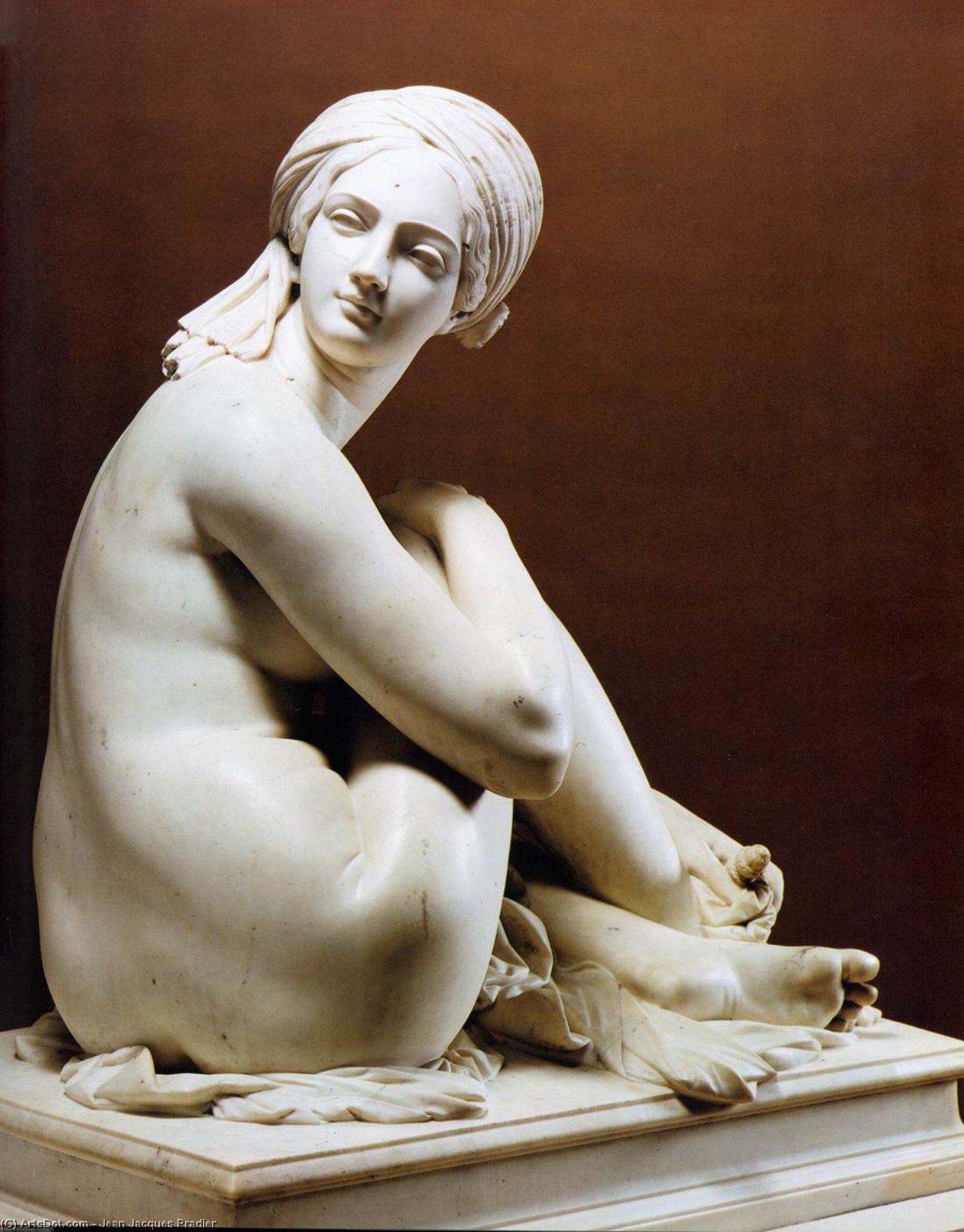
- Odalisque
 Tilaa painos Osta kuva
 Jaa
Jaa
 Jaa
Jaa
 Tarkemmat tiedot
 Lisää suosikkeihin

 Lataa
Lataa
 Samanlaisia
 Röntgenkuva
 Diaesitys
Odalisque


 Näytä lisää
Käsinmaalattu öljykopio
Käsinmaalattu öljyväri kankaalle haluamassasi koossa ja kehyksissä, taiteilijoidemme valmistamana tilauksesta.




































Valitse valmiista mitoistamme sellaiset, jotka vastaavat teoksen alkuperäisiä mittasuhteita.

Voit syöttää omat mitat sopimaan tiettyyn kehykseen tai tilaan. Jos valitsemasi koko ei vastaa alkuperäisen kuvan mittasuhteita, rajaamme taideteoksen tai jatkamme maalausta käsin maalatuilla elementeillä. Digitaalinen esikatselu lähetetään hyväksyttäväksi ennen tuotannon aloittamista.
Huomioithan, että näytöllä oleva esikatselu ei vastaa todellista rajausta tai jatkamista. Vain digitaalinen mallikuva näyttää lopullisen sommittelun tarkasti.
Vaikka mittatilaustyöt ovat mahdollisia, suosittelemme valitsemaan mitan ennalta määritetystä listasta alkuperäisten mittasuhteiden säilyttämiseksi.
Tilauksen jälkeen OriginalUniqueArt.com -tiimi lähettää asiakkaalle ohjeet ja esikatselukuvan.
Maailmanlaajuinen toimitus () 3–4 viikossa tavallisen 5 viikon sijaan. (20 heinäkuu). Laadusta ei tingitä.

Ilmainen pikatoimitus ympäri maailman

Korkealaatuinen pellavakangas

Kattava kuljetusvakuutus

Tulliveron palautustakuu

Täydellinen värien vastaavuustakuu

60 päivän palautusoikeus (vain valmistusvirheet)

100% rahat takaisin -takuu

Määräalennus tarjous
 Lasivaihtoehto on saatavilla vain alle 110 cm kokoisina teoksina

Odalisque
Reproduktiotekniikka
Replikaatin koko
-


Kokonaishinta
-
Taiteilijan elämäkerta
Jean-Jacques Pradier: The Sculptor of Romantic Idealism
Jean-Jacques Pradier (1790 – 1852) stands as a pivotal figure in the artistic landscape of mid-19th century Switzerland and France, embodying the spirit of Romantic idealism through his masterful sculptures and paintings. Born in Geneva, he honed his skills under the tutelage of Antoine Chrysostome Marmontel, a celebrated sculptor himself, establishing a lineage steeped in classical tradition and artistic excellence. This formative influence would profoundly shape Pradier’s oeuvre, propelling him to become one of Switzerland's most prominent artists and securing his place within the broader canon of European Romanticism.- Early Life & Training: Pradier’s upbringing instilled a deep appreciation for Greco-Roman art and sculpture—a cornerstone of artistic education during his time. Marmontel’s guidance ensured he mastered techniques rooted in disegno, emphasizing anatomical accuracy and expressive modeling.
- Parisian Engagement: Recognizing the dynamism of Parisian artistic circles, Pradier relocated to France in 1816, immersing himself in the burgeoning Symbolist movement and collaborating with luminaries like Alexandre Herzen and Eugène Delacroix. This period witnessed a significant expansion of his creative output and cemented his reputation as a sculptor of considerable renown.
- Sculptural Style & Themes: Pradier’s sculptures are characterized by their serene beauty, refined elegance, and meticulous attention to detail—traits that perfectly encapsulate the Romantic aesthetic. He frequently depicted idealized female figures, often inspired by classical mythology and biblical narratives, conveying grace, dignity, and spiritual contemplation.
- Notable Works: Among his most celebrated creations are ‘Public Education’ (1837), a monumental Hellenistic relief commemorating civic virtue, and James Pradier's 'Odalisque,' a marble sculpture capturing the allure of exoticism and embodying the Romantic fascination with Orientalism. These pieces exemplify Pradier’s ability to translate classical ideals into emotionally resonant artistic expressions.
- Legacy & Influence: Pradier’s influence extended beyond his own lifetime, shaping subsequent generations of sculptors and artists who sought inspiration in his masterful craftsmanship and humanist vision. His enduring legacy resides not only in the beauty of his artworks but also in their contribution to establishing Romantic sculpture as a dominant force within European art history.
Exploring Pradier’s Artistic Vision: Influences & Techniques
Pradier's artistic sensibilities were undeniably shaped by the intellectual currents of his era—particularly the rediscovery of classical antiquity and the burgeoning Romantic movement. The revival of interest in Greek and Roman sculpture, spearheaded by Johann Joachim Winckelmann, instilled a conviction that art should aspire to embody timeless beauty and moral virtue. This philosophical underpinning permeated Pradier’s artistic practice, informing his compositional choices and sculptural techniques. He meticulously studied anatomical models—a testament to the importance of disegno—and employed subtle modeling nuances to convey emotion and psychological depth. Furthermore, Pradier's engagement with Orientalism—fueled by expeditions to Egypt and Persia—introduced exotic motifs and textures into his sculptures, reflecting the Romantic fascination with distant cultures and their perceived spiritual richness.James Pradier’s Odalisque: A Symbol of Romantic Idealization
James Pradier's ‘Odalisque,’ completed in 1841, stands as a quintessential embodiment of Romantic sculptural idealism. The sculpture portrays a reclining woman draped in luxurious fabrics—a motif borrowed from Orientalist depictions—yet rendered with an astonishing degree of anatomical precision and expressive subtlety. Marmontel’s influence is palpable in Pradier's masterful handling of marble, achieving a remarkable illusion of texture and luminosity that captures the ethereal beauty of the subject. The pose itself—characterized by languid grace and contemplative repose—mirrors the Romantic preoccupation with emotion and psychological introspection. As showcased within the Musée National Jean-Jacques Henner, this artwork continues to captivate audiences with its timeless elegance and profound artistic merit.Collection of Jacques - Natasha Gelman: A Showcase of Pradier’s Artistic Achievements
The Jacques & Natasha Gelman Collection provides invaluable insight into Pradier's artistic trajectory and his contribution to the Symbolist movement. Featuring works by renowned artists like Kahlo, Rivera & Tamayo alongside a glimpse into Golden Age cinema, this collection underscores Pradier’s engagement with broader cultural dialogues—a characteristic of his time. The meticulous preservation of these artworks ensures that future generations can appreciate Pradier's artistic legacy and contemplate the enduring power of Romantic art to inspire contemplation and evoke emotion.
jean jacques pradier
1790 - 1852 , Switzerland
Pikatiedot
- Artistic Movement Or Style: Romantic Painting
- Artists Or Movements Influenced By This Artist: ['Neoclassicism']
- Artists Who Influenced This Artist:
- Antonio Canova
- François Rude
- Date Of Birth: Geneva, Switzerland (1790)
- Date Of Death: 1852
- Full Name: Jean Jacques Pradier
- Nationality: Swiss
- Notable Artworks:
- Odalisque
- Public Education
- Place Of Birth: Geneva

