

 Esikatselu
 Jaa teos
 Jaa
Jaa
 Tiedot
 Opas
Opas

 Lataa kuva
 Samanlaisia kohteita
 Röntgenkuvaus
 Diaesitys
 Q&A
Q&A Tilastot
The Rock


 Lue lisää
Käsinmaalattu öljyvärinen jäljennös
Käsinmaalattu öljyväri kankaalle haluamassasi koossa ja kehyksissä, taiteilijoidemme valmistamana tilauksesta. ( Vaihda tulosteeseen Siirry digitaaliseen kuvaan)




P118B €10

P118H €10

P118W €10

P438Z €10

P508JH €12

P508YH €12

P805H €10

P805Z €10

P919BZ €10

P919G €10

P919XJ €10

P959ZH €10

P968JZ €12

W106C €8

W218G €10

W218JH €8

W218Y €10

W307PJ €10

W316G €10

W316PJ €8

W316Y €10

W398PJ €8

W4111J €10

W500HY €15

W500JH €15

W692G €12

W849H €8

W940BG €15

W953PJ €8




Valitse valmiista mitoistamme sellaiset, jotka vastaavat teoksen alkuperäisiä mittasuhteita.

Kirjoita tarvitsemasi leveys ja korkeus, jotta teos sopii kehyksiisi tai seinällesi. Koska kyseessä on käsinmaalattu teos, taiteilija voi maalata hieman enemmän kuvan ympärille tai rajata sitä hieman, jos haluat eri muotoisen koon — valinta on sinun. Lähetämme sinulle digitaalisen mallikuvan hyväksyttäväksi ennen kuin maalaus alkaa. Tällä sivulla näkyvä kuva ei vastaa lopullista tulosta — vain mallikuva näyttää sen.
Tilauksen jälkeen OriginalUniqueArt.com -tiimi lähettää asiakkaalle sähköpostitse ohjeet ja esikatselukuvan
Maailmanlaajuinen toimitus () 3–4 viikossa tavallisen 5 viikon sijaan. (29 lokakuu). Laadusta ei tingitä.

Ilmainen pikatoimitus ympäri maailman

Korkealaatuinen pellavakangas

Kattava kuljetusvakuutus

Tulliveron palautustakuu

Takuu täydellisestä värien vastaavuudesta

100 päivän palautusoikeus (vain valmistusvirheet)

100% rahat takaisin -takuu

Määräalennus tarjolla
 Lasivaihtoehto on saatavilla vain alle 110 cm kokoisille teoksille

The Rock
Reproduktiotekniikka
Replikaatin koko
-


Kokonaishinta
€ 264
Jean-Honoré Fragonard’s “The Rock”: A Moment of Playful Intimacy
“The Rock,” painted circa 1780, offers a captivating glimpse into the world of Rococo leisure and aristocratic indulgence during the reign of Louis XV. More than just a picturesque landscape, it's a carefully constructed tableau brimming with subtle narrative and an exquisite sense of atmosphere – a testament to Jean-Honoré Fragonard’s remarkable ability to capture fleeting moments of beauty and human connection. The painting resides within a fascinating pair alongside “The Watering Place,” revealing a shared artistic lineage and a deliberate engagement with the conventions of 17th-century Dutch masters, whose influence on Parisian art circles during this period was profound.
Fragonard’s signature style is immediately apparent: a delicate balance between observation and invention. The scene unfolds on a rocky hillside bathed in the soft light of late afternoon. A couple, seemingly oblivious to the world around them, are engaged in an intimate conversation amidst a scattering of figures enjoying the day's pleasures. A young man, mounted on horseback, gestures animatedly towards his companions, while another group strolls along the path, their movements suggesting both casual observation and quiet enjoyment. The composition is deliberately asymmetrical, drawing the eye through the scene with a sense of effortless grace – a hallmark of Fragonard’s approach.
A Symphony of Color and Light: Technique and Style
Fragonard's mastery lies not only in his subject matter but also in his technical execution. He employs a loose, painterly technique, characterized by rapid brushstrokes and a vibrant palette. The colors are luminous and richly layered, creating an illusion of depth and atmosphere. Notice the subtle shifts in tone – the warm hues of the sunlight filtering through the trees, the cool blues and greens of the distant landscape, and the delicate pinks and creams used to depict the figures’ clothing. The artist skillfully utilizes *sfumato*, a technique borrowed from Leonardo da Vinci, to soften edges and create an ethereal quality, particularly in the depiction of the clouds.
Crucially, Fragonard avoids any explicit narrative or moralizing. Instead, he presents a snapshot of a private moment, inviting the viewer to interpret the scene’s meaning for themselves. The couple's conversation is left deliberately ambiguous, suggesting a shared secret or a playful exchange. This ambiguity is characteristic of Rococo art, which often prioritized aesthetic pleasure over didacticism.
Historical Context and Artistic Influences
“The Rock” was created during a period of significant artistic transition in France. The late 18th century witnessed a shift away from the rigid formality of the Baroque era towards the more relaxed and sensual style of Rococo. Fragonard, like many artists of his time, drew inspiration from Dutch masters – particularly Rembrandt and Hals – whose loose brushwork and emphasis on capturing human emotion resonated with him. The influence of these Dutch painters is evident in Fragonard’s own approach to composition and color.
Furthermore, the painting reflects the aristocratic tastes of the era. The scene depicts a leisurely afternoon spent outdoors, surrounded by friends and enjoying simple pleasures – a common motif in Rococo art. The presence of horses, carriages, and fashionable attire underscores the wealth and privilege of the subjects. It’s a world of refined entertainment and subtle social maneuvering.
Symbolism and Emotional Resonance
Beyond its surface beauty, “The Rock” is rich in symbolic meaning. The rocky hillside itself can be interpreted as a metaphor for stability and permanence, contrasting with the fleeting nature of human emotions. The couple’s intimate conversation suggests a connection that transcends social conventions – a shared understanding or a secret desire. The overall mood of the painting is one of playful intimacy, suggesting a moment of genuine connection amidst the superficiality of aristocratic society.
Ultimately, “The Rock” remains a captivating work of art, offering a glimpse into the world of 18th-century France and revealing Fragonard’s extraordinary talent for capturing fleeting moments of beauty and human emotion. It is a testament to his ability to transform simple scenes into works of enduring charm and sophistication.
Kysymykset ja vastaukset
Mistä voin ladata teoksen Jean-Honoré Fragonard:n "The Rock"?
Teoksen Jean-Honoré Fragonard:n "The Rock" digitaalisen kuvan voi ladata muodossa korkearesoluutioinen digitaalinen kuvalataus teoksen Lataa digitaalinen kuva -sivulta.
Minkä tunteen välittämä teos "The Rock" on?
Jean-Honoré Fragonard:n "The Rock" välittää Nostalgic tunnelman.
Missä voin nähdä alkuperäisen teoksen Jean-Honoré Fragonard:n "The Rock"?
Alkuperäinen Jean-Honoré Fragonard:n "The Rock" on osa Musée des Beaux-Arts de Lyon, Lyon, Ranska-museon kokoelmaa. Reproduktio mahdollistaa teoksen näyttämisen kotona.
Taiteilijan elämäkerta
Jean-Honoré Fragonard: A Dance of Light and Desire
Jean-Honoré Fragonardin elämä oli kuin maalattu valon ja intohimon sävyillä, ja hänen taiteensa heijastaa täysin tätä. Grasse’n kukkien tuoksuisissa maisemissa syntynyt Fragonard (syntyi 4. huhtikuuta 1732, kuoli 22. elokuuta 1806 Pariisissa) ei aluksi haaveillut taiteellisen uran tavoittelusta, vaan oli määränyt itselleen elämää notariinina. Kuitenkin jo nuorena hän osoitti intohimoa piirtämiseen ja hänen vanhempansa myötäsyntyisesti sallivat hänet omistautua taiteelle. Tämä johtikin siihen, että Fragonard opiskeli aluksi Jean-Baptiste Chardin’n studioon, jonka jälkeen hän siirtyi François Boucher’n huomattavaan työnjohtoon. Boucherin vaikutus oli merkittävä – hän antoi Fragonardille rakastetun eleganssin, herkän värimaailman ja leikkisän henkeä, jotka myöhemmin muovasivat taiteilijan tunnusomaista tyyliä. 1752 voitettua Prix de Romea, Fragonardin elämä muuttui radikaalisti: hän sai mahdollisuuden uppoutua Italian klassiseen maailmaan useiksi vuosiksi. Tämä aika ei ollut pelkästään kopiointia antiikin mestareilta; se oli heräämistä – tilaisuus omaksua elinvoima ja aistillisuus, jotka myöhemmin heijastuivat hänen omanlaisensa näkemyksessä.Rokokoon Mestari: Ilojen ja Salaisuuksien Tanssi
Paluu Pariisiin merkitsi Fragonardin nousua rokokoo-liikkeen johtavaksi hahmoksi. Tämä ei ollut vain tyylin omaksumista, vaan kokonaisvaltaisen maailmankatsomuksen ilmentymistä – ajattelutapaa, joka juhlisti nautintoa, intiimiä elämää ja elämän ohikiitävän kauneuden hetkiä. Fragonardin maalaukset eivät olleet tarkoitettu esittämään suuria julkisia näyttelyjä, vaan ne suunniteltiin yksityisten aristokraattien salonkien koristeluun, paikoissa, joissa ne kuiskaavat salaisuuksia ja vihjaavat piilossa oleviin haluisiin. *Keinu* (L’Escarpolette) on tästä loistava esimerkki – nuori nainen heittää kenkänsä pois, kun biskupi työntää häntä keinussa, samalla kun salaperäinen rakastaja katselee yläpuolelta. Muita teoksia, kuten *Kiristys* (The Bolt) ja *Rakkauden Veto*, jatkavat tätä tutkimusta salamyhkäisistä kohtaamisista ja hienovaraisen vetovoiman tanssia. Fragonardin maalaukset eivät ole vain visuaalisesti kauniita; ne ovat myös psykologisesti syviä, vangiten ihmisten tunteiden ja ihmissuhteiden monimutkaisuuden.Vapauden ja Kokeilun Aikakausi
Fragonard ei kuitenkaan pysynyt pelkästään rokokoo-liikkeen rajoissa. Hän koki intohimoa kokeilla erilaisia tyylejä ja tekniikoita uransa aikana, osoittaen huomattavaa monipuolisuutta. Varhaiset yritykset historiallisista maalauksista, vaikka nekin saivatkin arvostusta, eivät täysin tyydistäneet häntä; hän löysi enemmän vapautta tutkiessaan intiimejä ja henkilökohtaisempia aiheita. Lyhyt flirtteily neoklassismin kanssa – joka näkyy esimerkiksi Denis Diderotin muotokuvissa – osoittaa hänen halukkuuttaan pysyä yhteydessä ajankohtaiseen taiteelliseen ilmapiiriin, mutta rokokoo-tyyli lopulta määritteli hänen perintönsä. Hän myös erinomaisesti hallitsi piirustusta, tuottaen lukemattomia luonnoksia ja piirroksia, jotka paljastavat hänen mestarillisen taitonsa linjan ja muodon suhteen. Nämä eivät olleet pelkästään valmistelulajitelmia; ne olivat usein taiteellisia teoksia itsessään, vangiten ohimeneviä hetkiä ja intiimejä kokemuksia huomattavalla herkkyydellä.Kokoelman ja Museoiden Säilyttäjät
Fragonardin vaikutus jatkuu edelleen nykypäivänä, ja hänen teoksiaan löytyy ympäri maailmaa museoista – Louvre’sta Pariisissa National Gallery of Artin Washingtonissa. Hänen maalauksensa ovat ikonisia esimerkkejä rokokoo-taiteesta ja tarjoavat arvokkaan näkymän 1800-luvun alun elämäntyyliin ja estetiikkaan.Keskeiset Teokset ja Kokoelmat
* **Keinu (L’Escarpolette)**: Wallace Collection, Lontoo – rokokoon eleganssin ja intohimon ikoni. * **Kiristys (The Bolt)**: Näyttelyssä OriginalUniqueArt - kiehtova kuva kodin sisäisestä jännityksestä ja leikkisästä vetovoimasta. * **Rakkauden Veto (Love Vow)**: Tutustu Fragonardin teoksiin OriginalUniqueArt’ssa – herkkiä hetkiä rakkaudessa. * Nuori nainen lukemassa: Näyttelyssä taidemuseoissa, osoittaen hänen taitonsa muotokuvien piirtämisessä ja valossa.
Jean-Honoré Fragonard
1732 - 1806 , Ranska
Pähkinänkuoressa
- Artistic Movement Or Style: Rokoko
- Artists Or Movements Influenced By This Artist: ['Myöhemmät taiteilijat']
- Artists Who Influenced This Artist:
- François Boucher
- Chardin
- Date Of Birth: 4. huhtikuuta 1732
- Date Of Death: 22. elokuuta 1806
- Full Name: Jean-Honoré Fragonard
- Nationality: Ranskalainen
- Notable Artworks:
- Keinu
- Keinunta
- Pieni puisto
- Place Of Birth: Grasse, Ranska
Aiheeseen liittyvät artikkelit

Evocations of Place: A Historical Journey Through Landscape Art
Explore the rich history of landscape art with OriginalUniqueArt. Discover renowned artists, movements like Impressionism & Romanticism, and expert guidance for collecting timeless pieces. Find your perfect serene escape today!

Romanttisen maisemamaalauksen mestariteokset: Taidetta ja inspiraatiota kotiin
Uppoudu romanttisen maisemamaalauksen maailmaan! Tutustu Caspar David Friedrichin, Turnerin ja muiden mestareiden ikonisiin teoksiin. Löydä inspiraatiota kotiisi taiteen avulla OriginalUniqueArt.comista – laadukkaat taideprintit ja sisustusideoita.
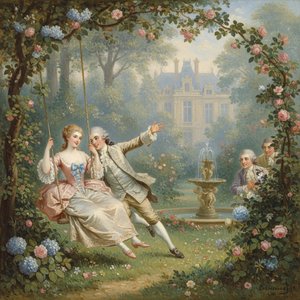
The Rococo Reverie of Fragonard: Love, Leisure & Pleasure in 18th-Century France
Explore the captivating world of Jean-Honoré Fragonard! Discover his Rococo masterpieces, intimate portraits & the allure of 18th-century French art. Learn about 'The Progress of Love' and more at OriginalUniqueArt.

John Constablein 25 mestariteosta: Taidetta ja tunnelmaa kotiisi – OriginalUniqueArt.com
Tutustu John Constable'n 25 mestariteokseen – romanttisia maisemamaalauksia, jotka vangitsevat englantilaisen luonnon tunnelman. Taidehistoriaa ja inspiraatiota kotiisi OriginalUniqueArt.com:ssa. Löydä kaikki taideteokset verkossa!

Rokokoon mestariteokset: Taidetta ja eleganssia kotiisi – OriginalUniqueArt.com
Uppoudu rokokoon maailmaan! Tutustu 10 mestariteokseen – Fragonard, Watteau ja muut. Taidetta, eleganssia & inspiraatiota kotiisi. Laadukkaat taideprintit OriginalUniqueArt.com:ssa. Explore the full collection online!


