
 Esikatselu
 Jaa teos
 Jaa
Jaa
 Tiedot
 Opas
Opas

 Lataa kuva
 Samanlaisia kohteita
 Röntgenkuvaus
 Diaesitys
 Q&A
Q&A Tilastot
Gamepiece with a Dead Heron

- 134.0 x 111.0 cm


 Lue lisää
Giclée- ja taideprintit
Museolaatuisia giclée- tai kankaitaulun tulosteita nopealla tuotannolla ja joustavilla viimeistelyvaihtoehdoilla. ( Osta käsinmaalattu taideteos Siirry digitaaliseen kuvaan)




P118B €10

P118H €10

P118W €10

P438Z €10

P508JH €12

P508YH €12

P805H €10

P805Z €10

P919BZ €10

P919G €10

P919XJ €10

P959ZH €10

P968JZ €12

W106C €8

W218G €10

W218JH €8

W218Y €10

W307PJ €10

W316G €10

W316PJ €8

W316Y €10

W398PJ €8

W4111J €10

W500HY €15

W500JH €15

W692G €12

W849H €8

W940BG €15

W953PJ €8




Valitse valmiista mitoistamme sellaiset, jotka vastaavat teoksen alkuperäisiä mittasuhteita.

Syötä tarvitsemasi leveys ja korkeus, jotta tuloste sopii kehyksiisi tai seinällesi. Tulostetta voidaan vain leikata, sitä ei voida koskaan suurentaa alkuperäistä kuvaa suuremmaksi, joten eri muotoinen koko aiheuttaa osan kuvasta katoamisen. Lähetämme sinulle digitaalisen mallikuvan hyväksyttäväksi ennen kuin aloitamme tulostuksen. Tällä sivulla näkyvä kuva ei näytä lopullista rajausta — vain mallikuva näyttää sen.
Maailmanlaajuinen toimitus () 2 viikossa tavallisen 4–5 viikon sijaan. (31 lokakuu)

Ilmainen pikatoimitus ympäri maailman

Korkealaatuinen pellavakangas

Kattava kuljetusvakuutus

Tulliveron palautustakuu

Takuu täydellisestä värien vastaavuudesta

100 päivän palautusoikeus (vain valmistusvirheet)

100% rahat takaisin -takuu

Määräalennus tarjolla
 Lasivaihtoehto on saatavilla vain alle 110 cm kokoisille teoksille

Gamepiece with a Dead Heron
Giclée- ja taideprintit
Replikaatin koko
-


Kokonaishinta
€ 71
A Study in Mortality and Courtly Grace: Jan Weenix’s “Gamepiece with a Dead Heron”
Jan Weenix's "Gamepiece with a Dead Heron," painted in 1695, is more than just a still life; it’s a meticulously crafted tableau of aristocratic leisure intertwined with the poignant beauty of death. This remarkable canvas, now housed within The Metropolitan Museum of Art, offers a captivating glimpse into the Dutch Golden Age, revealing not only the artist's exceptional technical skill but also his astute understanding of social dynamics and the evolving aesthetics of the time. The painting immediately draws the eye to its central subject: a heron lying prone on a bed of moss, its elegant neck outstretched in a gesture both vulnerable and dignified. Around it, a carefully arranged collection of game – rabbits, partridges, and other birds – contributes to the composition’s rich tapestry of textures and colors. Yet, it's not merely a display of hunting trophies; Weenix masterfully integrates these elements into a broader scene, suggesting a sophisticated courtly setting.The Anatomy of a Hunting Trophy: Technique and Detail
Weenix was renowned for his ability to render the textures of animal hides with astonishing realism – a skill honed through years of observation and practice. Notice the subtle variations in color and sheen across the heron’s feathers, meticulously captured with delicate brushstrokes. The artist's use of chiaroscuro—the dramatic interplay of light and shadow—further enhances the sense of depth and volume, imbuing each animal with a palpable presence. Beyond the individual animals, Weenix demonstrates an impressive command of composition, arranging the trophies in a way that feels both natural and deliberately staged. The inclusion of a large neoclassical urn, partially obscured by the fallen birds, adds a layer of formality to the scene, hinting at the wealth and status of its intended patron – likely a member of the European aristocracy. The painting’s palette is rich and earthy, dominated by browns, greens, and ochres, creating a sense of groundedness and realism that was characteristic of Dutch still life painting during this period.Symbolism and Social Commentary: Beyond the Hunt
While ostensibly depicting a successful hunt, “Gamepiece with a Dead Heron” carries deeper symbolic weight. The presence of dead animals speaks to the transient nature of beauty and the inevitability of death – a recurring theme in Dutch Golden Age art. However, Weenix doesn’t present this mortality as morbid; instead, he frames it within the context of aristocratic leisure, suggesting that even amidst the pursuit of pleasure, death is an unavoidable aspect of life. The inclusion of figures strolling in the background—likely members of the noble class—further reinforces this idea, implying a detachment from the realities of everyday existence. The urn itself can be interpreted as a symbol of wealth and status, while its partially obscured position suggests a subtle critique of excessive materialism. It’s a delicate balancing act – celebrating the opulence of the court while simultaneously acknowledging its inherent fragility.A Legacy of Dutch Realism: Jan Weenix and His Artistic Circle
Jan Weenix's work is inextricably linked to his father, Jan Baptist Weenix, with whom he shared a workshop and artistic vision. Both artists were masters of depicting hunting scenes and still lifes of game, but Jan Weenix developed a distinctive style characterized by greater detail, richer colors, and a more sophisticated understanding of composition. He was part of a vibrant artistic circle in Antwerp, alongside figures like Frans Snyders and Peter Paul Rubens, all of whom contributed to the flourishing of Flemish Baroque painting. His work reflects both the influence of his father’s legacy and his own innovative approach to rendering natural forms. The painting's provenance—having been seized by the Nazis during World War II and subsequently restituted to its rightful owner—adds another layer of historical significance, reminding us of the enduring power of art to transcend political boundaries. Today, reproductions of “Gamepiece with a Dead Heron” continue to captivate viewers, offering a timeless meditation on beauty, mortality, and the complexities of aristocratic life.Kysymykset ja vastaukset
Minkä tunteen välittämä teos "Gamepiece with a Dead Heron" on?
Jan Weenix:n "Gamepiece with a Dead Heron" välittää Melancholic tunnelman.
Mitä tekniikkaa teoksessa "Gamepiece with a Dead Heron" on käytetty ja milloin se on luotu?
Teoksen Jan Weenix:n "Gamepiece with a Dead Heron" tekniikka on Acrylic On Canvas, ja se on valmistettu vuonna 1695.
Voinko nähdä teoksen Jan Weenix:n "Gamepiece with a Dead Heron" eri valaistuksissa?
Jan Weenix:n "Gamepiece with a Dead Heron"-teoksen röntgennäkymä löytyy teoksen Röntgentutkimus-sivulta: interaktiivinen tutkimusmatka kuvaan yhdenentoista optisen kerroksen läpi.
Taiteilijan elämäkerta
Hollantilaisen realismin perintö: Jan Weenixin elämä ja taide
Amsterdamissa vuonna 1641 syntynyt Jan Weenix nousi taiteellisesta perinteestä kumpuavasta suvusta, periessään intohimon maalaamiseen arvostetulta isältään, Jan Baptist Weenixiltä. Vaikka tarkat yksityiskohdat hänen varhaisvuosistaan ovat säilyneet osittain arvoituksina, on selvää, että nuori Jan sai peruskoulutuksensa isänsä työpajassa. Siellä hän omaksui tekniikoita, jotka olivat välttämättömiä niin asetelmien kuin eläinaiheiden kuvaamisessa – mikä oli hollantilaisen kultakauden taiteen tunnusmerkki. Tämä perheen vaikutus ei ollut ainoastaan teknistä; se istutti häneen syvän arvostuksen luonnon tarkkaavaista havainnointia kohtaan ja omistautumisen sen kauneuden esittämiselle häikäisevällä realismilla. Vanhemman Weenixin oma taiteellinen matka, mukaan lukien Italian vierailut, jotka antoivat hänen teoksilleen italialaista vivahteikkuutta, muovasi kiistatta myös Janin kehittyvää estetiikkaa. Vaikka isänsä maine aluksi varjosti häntä, Jan erottui nopeasti omalla tavallaan ja loi ainutlaatuminen polun 1600-luvun hollantilaisen maalaustaiteen eläväisessä maisemassa.Barokkityylin kukoistus
Weenixin taiteellinen tyyli kukoisti barokin aikakauden huipulla, ja se heijastaa ajan mieltymystä draamaan, rikkaaseen yksityiskohtaisuuteen ja dynaamiseen sommitteluun. Hän ei työskennellyt eristyksissä; vaikutteet aikalaisten, kuten merimaalauksistaan tunnetun Hendrick Cornelisz Vroomin, sekä mahdollisesti muiden eläinaiheiden asiantuntijoiden, kuten Melchior de Hondecoeterin ja Gillis Claesz d'Hondecoeterin, tyylistä vaikuttivat hienovaraisesti hänen lähestymistapaansa. Weenix kuitenkin yhdisti nämä inspiraatiot tyyliksi, joka oli selvästi hänen omansa. Hänen kankaansa leimaa lähes valokuvamainen tarkkuus pintojen välittämisessä – höyhenten kiilto, turkin pehmeys ja hedelmien herkkä läpikuultavuus – kaikki saavutettu mestarillisen siveltimenkäytön sekä syvän ymmärryksen valosta ja varjosta avulla. Chiaroscuro, eli dramaattinen vuoropuhelu valon ja pimeyden välillä, on käytössä luomaan syvyyttä ja visuaalista mielenkiintoa, vetäen katsojan kohtaukseen vakuuttavalla realismilla. Elävä väripaletti elävöittää aiheita entisestään antaen niille välittömyyden ja elinvoiman tunnetta. Hänellä oli poikkeuksellinen kyky järjestellä elementtejä kehyksen sisällä luoden tasapainoisia ja harmonisia sommitelmia, jotka ovat sekä visuaalisesti houkuttelevia että kerronnallisesti mukaansatempaavia.Mestariteokset ja suojelijat
Uraansa koko ajan Jan Weenix tuotti huomattavan määrän teoksia, joita juhlitaan teknisestä loistostaan ja vangitsevasta aihepiiristään. Maalaukset, kuten Hunting and Fruit Still Life next to a Garden Vase (1714), osoittavat hänen kykynsä integroida saumattomasti erilaisia elementtejä – metsästyslintuja, mehukkaita hedelmiä ja arkkitehtonisia yksityiskohtia – monimutkaiseksi ja visuaalisesti upeaksi kokonaisuudeksi. Still Life with a Hare and other Game (1697) esittelee hänen mestaruuttaan eläinten anatomiassa ja tekstuureissa, vangiten aiheidensa eläväisen laadun hämmästyttävällä tarkkuudella. Jopa pienemmät teokset, kuten A Seated Monkey (ennen vuotta 1685), paljastavat hänen kykynsä antaa eläimille persoonallisuutta ja ilmeikäs luonnetta. Tämä taito ei jäänyt huomaamatta merkittäville suojelijoille. Vuonna 1702 Weenix sai kutsun Palatiinin vaaliruhtinaan Johann Wilhelmin hoviin, jossa hän työskenteli muiden kuuluisien taiteilijoiden rinnalla luoden laajoja metsästyskohtauksia Schloss Bensbergiin – todisteena kasvavasta maineesttaan ja taiteellisesta kyvykkyydestään. Nämä tilaukset tarjosivat hänelle sekä taloudellista turvaa että mahdollisuuksia hioa taitojaan entisestään.Pitkäaikainen vaikutus hollantilaisessa taiteessa
Jan Weenix pelasi keskeistä roolia metsästystaideaiheiden ja riistamaalausten suosion lisäämisessä barokin aikana, nostaen nämä genret pelkän koristelun yläpuolelle. Hänen teoksiaan arvostivat korkealle keräilijät, mikä vaikutti merkittävästi hollantilaisen taideperinteen kehittymiseen. Hän ei ainoastaan jäljitellyt luontoa, vaan tulkitsi sitä omasta ainutlaatuisesta näkökulmastaan, antaen maalauksilleen realismin, draaman ja esteettisen kauneuden tunnetta, joka resonoi syvästi aikansa yleisön kanssa. Hänen perintönsä ulottuu kauemmas kuin hänen omat luomuksensa; hänen tyttärensä Maria Weenix jatkoi suvun perinnettä taitavana kukkamaalarina, varmistaen, että Weenixin nimi pysyi taiteellisen erinomaisuuden synonyyminä sukupolvien ajan. Nykyään Jan Weenixin maalauksia vaalitaan museoissa ja yksityisissä kokoelmissa ympäri maailmaa, ja ne jatkavat taiteilijoiden inspiroimista ja yleisön lumoamista mestarillisilla luonnon esittämisillään – todisteena hänen pysyvästä panoksestaan hollantilaisen taidehistorian rikkaaseen kudokseen.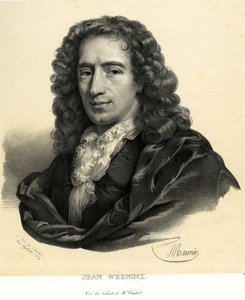
Jan Weenix
1641 - 1719 , Alankomaat
Pähkinänkuoressa
- Artistic Movement Or Style: Hollantilainen barokki
- Artists Or Movements Influenced By This Artist: ['Maria Weenix']
- Artists Who Influenced This Artist:
- Jan Baptist Weenix
- Hendrick Vroom
- Date Of Birth: 1641
- Date Of Death: 1719
- Full Name: Jan Weenix
- Nationality: Hollantilainen
- Notable Artworks:
- Hunting and Fruit Still Life
- Still Life with a Hare
- A Seated Monkey
- The White Peacock
- Place Of Birth: Amsterdam, Alankomaat
Aiheeseen liittyvät artikkelit

Hollantilaisen kultakauden 10 mestariteosta – Taidetta kotiisi OriginalUniqueArt.com
Uppoudu hollantilaisen kultakauden taiteen maailmaan! Tutustu Rembrandtin, Vermeerin ja muiden mestareiden ikonisiin maalauksiin. Löydä inspiraatiota kotiisi OriginalUniqueArt.com:ista – laadukkaat taidevedokset ja sisustustaulut jokaiseen tilaan. Explore the full collection online!

Jan Jansz Wijnants: A Study in Dutch Golden Age Still Life & Floral Transience
Explore the captivating world of Jan Wijnants and Dutch Golden Age still life painting. Discover symbolism, masterful techniques & lasting influence on floral art history. Learn more!

Silent Narratives: Exploring the Enduring Appeal of Still Life Painting Across Centuries
Explore the rich history of still life painting with OriginalUniqueArt. Discover Dutch Masters, decode vanitas symbolism & learn about collecting timeless art. Expert insights and museum-quality reproductions.
Jan Steen: A Master of Dutch Genre Painting & the Golden Age
Explore the life & art of Jan Steen, a leading Dutch Golden Age painter renowned for his humorous genre scenes & insightful social commentary. Discover his techniques, legacy, and collecting tips.
Abraham Hendricksz van Beyeren: Pioneering Dutch Still Life & the Banquet Tradition
Explore the captivating world of Dutch Golden Age still life with Abraham van Beyeren. Discover his innovative techniques, symbolic banquet scenes & lasting influence on art history. Learn about collecting these masterpieces.

