

 Esikatselu
 Jaa teos
 Jaa
Jaa
 Tiedot
 Opas
Opas

 Lataa kuva
 Samanlaisia kohteita
 Röntgenkuvaus
 Diaesitys
 Q&A
Q&A Tilastot
Saint Jerome in His Study


 Lue lisää
Giclée- ja taideprintit
Museolaatuisia giclée- tai kankaitaulun tulosteita nopealla tuotannolla ja joustavilla viimeistelyvaihtoehdoilla. ( Osta käsinmaalattu taideteos Siirry digitaaliseen kuvaan)




P118B €10

P118H €10

P118W €10

P438Z €10

P508JH €12

P508YH €12

P805H €10

P805Z €10

P919BZ €10

P919G €10

P919XJ €10

P959ZH €10

P968JZ €12

W106C €8

W218G €10

W218JH €8

W218Y €10

W307PJ €10

W316G €10

W316PJ €8

W316Y €10

W398PJ €8

W4111J €10

W500HY €15

W500JH €15

W692G €12

W849H €8

W940BG €15

W953PJ €8




Valitse valmiista mitoistamme sellaiset, jotka vastaavat teoksen alkuperäisiä mittasuhteita.

Syötä tarvitsemasi leveys ja korkeus, jotta tuloste sopii kehyksiisi tai seinällesi. Tulostetta voidaan vain leikata, sitä ei voida koskaan suurentaa alkuperäistä kuvaa suuremmaksi, joten eri muotoinen koko aiheuttaa osan kuvasta katoamisen. Lähetämme sinulle digitaalisen mallikuvan hyväksyttäväksi ennen kuin aloitamme tulostuksen. Tällä sivulla näkyvä kuva ei näytä lopullista rajausta — vain mallikuva näyttää sen.
Maailmanlaajuinen toimitus () 2 viikossa tavallisen 4–5 viikon sijaan. (29 lokakuu)

Ilmainen pikatoimitus ympäri maailman

Korkealaatuinen pellavakangas

Kattava kuljetusvakuutus

Tulliveron palautustakuu

Takuu täydellisestä värien vastaavuudesta

100 päivän palautusoikeus (vain valmistusvirheet)

100% rahat takaisin -takuu

Määräalennus tarjolla
 Lasivaihtoehto on saatavilla vain alle 110 cm kokoisille teoksille

Saint Jerome in His Study
Giclée- ja taideprintit
Replikaatin koko
-


Kokonaishinta
€ 71
A Window into the Soul of Early Netherlandish Art
Jan van Eyck’s “Saint Jerome in His Study” isn't merely a portrait; it’s an intimate invitation into the mind and heart of a profoundly contemplative figure. Painted around 1430, this remarkable work stands as a cornerstone of Early Netherlandish painting, showcasing Van Eyck’s unparalleled mastery of oil paint – a medium he essentially revolutionized. The scene unfolds within a meticulously rendered chamber, bathed in the soft glow of candlelight, creating an atmosphere of quiet solemnity and intellectual pursuit. It's a testament to the artist’s ability to capture not just outward appearance but also the very essence of inner life.
The subject himself, Saint Jerome, is depicted as a man nearing middle age, his face etched with the lines of wisdom and perhaps a touch of melancholy. He sits hunched over a large desk, completely absorbed in his work – scrolls spread before him, illuminated by the flickering light. His posture speaks volumes: not one of grand pronouncements or heroic deeds, but of quiet dedication to prayer and study. The details are astonishing; you can almost feel the texture of the parchment beneath his fingers, discern the individual strands of his beard, and trace the subtle shadows that define his features.
The Alchemy of Oil Paint: Technique and Innovation
What truly distinguishes “Saint Jerome in His Study” is Van Eyck’s revolutionary use of oil paint. Unlike the tempera paints favored by many of his contemporaries, which dried quickly and offered limited blending possibilities, oil paint allowed for incredibly slow drying times, granting the artist unprecedented control over color, detail, and texture. This technique enabled Van Eyck to build up layers of translucent glazes – thin washes of pigment applied one upon another – creating a luminous depth and richness that was previously unattainable. Observe how the light catches on the surfaces of the books, the folds of his robe, and even the lion’s fur; each element seems to radiate its own internal glow.
- Layered Glazes: Van Eyck's signature technique, building up color through multiple translucent layers.
- Precise Detail: The astonishing realism achieved through meticulous observation and painstaking application of paint.
- Atmospheric Perspective: Subtle variations in tone and color create a sense of depth and space within the confined study.
Symbolism and Spiritual Resonance
Beyond its technical brilliance, “Saint Jerome in His Study” is rich with symbolic meaning. The lion at Saint Jerome’s feet is a potent emblem – representing his conversion after being stung by a venomous insect while in the wilderness. It serves as a reminder of his arduous journey from worldly pleasures to spiritual devotion. The books and scrolls represent the scriptures, which Jerome famously translated into Latin, making them accessible to the wider Christian community. The very act of studying is presented as an act of worship, highlighting the importance of intellectual pursuit in the context of faith.
Furthermore, the setting itself – a small, private study – suggests a life dedicated to solitude and contemplation. It’s a space removed from the distractions of the world, where Saint Jerome can connect with God through prayer and reflection. The subdued lighting reinforces this sense of intimacy and spiritual intensity, inviting the viewer to share in his quiet devotion.
A Timeless Masterpiece: Reproduction and Beyond
OriginalUniqueArt offers meticulously crafted hand-painted reproductions of “Saint Jerome in His Study,” allowing you to experience the breathtaking beauty and profound emotional impact of this iconic masterpiece. Each reproduction is created by skilled artists who have painstakingly studied Van Eyck’s techniques, ensuring an unparalleled level of accuracy and detail. Whether adorning a study, a gallery wall, or simply bringing a touch of contemplative serenity into your home, this artwork will undoubtedly become a cherished focal point.
Consider the possibilities: imagine this scene gracing a library, evoking the spirit of scholarly pursuit; or perhaps within a meditation room, fostering a sense of peace and reflection. A OriginalUniqueArt reproduction isn’t just a print; it's a tangible connection to one of the most significant moments in art history – a testament to Jan van Eyck’s genius and his enduring legacy.
Kysymykset ja vastaukset
Voinko nähdä teoksen Jan van Eyck:n "Saint Jerome in His Study" eri valaistuksissa?
Jan van Eyck:n "Saint Jerome in His Study"-teoksen röntgennäkymä löytyy teoksen Röntgentutkimus-sivulta: interaktiivinen tutkimusmatka kuvaan yhdenentoista optisen kerroksen läpi.
Kuinka voimakkaita värit teoksessa Jan van Eyck:n "Saint Jerome in His Study" ovat?
Teoksen "Saint Jerome in His Study" väri-intensiteetti on Balanced. Intensiteetti kuvaa värien voimakkuutta.
Missä voin nähdä alkuperäisen teoksen Jan van Eyck:n "Saint Jerome in His Study"?
Voit nähdä alkuperäisteoksen "Saint Jerome in His Study" kohteessa Detroitin taidemuseo, Detroit, Yhdysvallat.
Taiteilijan elämäkerta
Varhaiset Vuodet ja Taiteellinen Herääminen
Jan van Eyckin elämä, noin 1390 Maastrichtissa alkaneena, on verhottu mysteeriin, mutta hänen vaikutuksensa taidehistoriaan on kiistaton. Hän kasvoi taiteellisessa perheessä – hänen veljensä Hubert oli myös maalari, vaikka tämän tuotannosta tiedetään vähän. Vaikka tarkkoja tietoja van Eyckin nuoruudesta ei ole säilynyt, on selvää, että hänellä oli jo varhain poikkeuksellinen lahjakkuus ja kyky nousta nopeasti taidemaailman huipulle. Vuonna 1422 hän perusti työpajan Haagissa, jossa hän alkoi ottaa vastaan tilauksia ja kouluttaa oppilaita. Tämä menestys ei perustunut pelkästään tekniseen taitoon; van Eyck oli älykäs ja luotettava mies, ominaisuuksia jotka avasivat hänelle ovia vaikutusvaltaisten suojelijoiden pariin.Burgundin Hovin Palveluksessa: Diplomatiasta Taiteelliseen Kukoistukseen
Van Eyckin uran ratkaiseva käännekohta oli nimitys Burgundin hoviin, ensin John III Rohkean ja myöhemmin Filip Hyvän palvelukseen. Tämä ei ollut pelkästään taiteellinen suojelusjärjestely; van Eyck sai luottamuksellisia diplomaattitehtäviä, mikä osoitti herttuan uskon hänen harkintakykyynsä ja älykkyyteensä. Matkat ympäri Eurooppaa – mukaan lukien vierailut Portugaliin ja Espanjaan – altistivat hänet erilaisille kulttuureille ja taiteellisille vaikutteille, jotka hienovaraisesti muokkasivat hänen kehittyvää tyyliään. Hovi tarjosi paitsi taloudellista turvaa myös resursseja kunnianhimoisten projektien toteuttamiseen, mikä mahdollisti taiteellisen rajojen rikkomisen. Van Eyck ei ollut pelkästään maalaaja Burgundin eliitille; hänestä tuli olennainen osa heidän maailmaansa, heijastaen ja vahvistaen heidän arvovaltaansa taiteensa kautta. Tämä ainutlaatuinen asema antoi hänelle harvinaisen luovuuden vapauden aikakaudellaan, mikä johti kokeiluihin ja innovaatioihin, jotka muuttivat maalauksen kulkua pysyvästi.Öljyvärimaalauksen Alkemia: Tekniikan Vallankumous
Vaikka van Eyck ei ollut öljyvärimaalauksen keksiä – sen käyttö oli tunnettua jo ennen häntä – hän on kiistatta sen mestari ja täydellistäjä. Ennen hänen innovaatioitaan tempera oli hallitseva maalausmenetelmä, joka tarjosi rajalliset sekoitusmahdollisuudet ja suhteellisen matan pinnan. Van Eyck vapautti öljyvärimaalauksen täydellisen potentiaalin huolellisella läpinäkyvien lasyyrien kerrostamisella, saavuttaen ennennäkemättömän yksityiskohtien tason, valoisuuden ja realismin. Tämä tekniikka mahdollisti hienovaraiset sävyvaihtelut, rikkaammat värit ja pintojen luomisen, jotka jäljittelivät elämää itseään. Lopputulos oli mullistava; pinnat näyttivät hehkuvan sisältäpäin, kankailla oli käsin kosketeltava laatu ja muotokuvat vangitsivat paitsi ulkonäön myös psykologista syvyyttä. Hänen mestaruutensa ei ollut pelkästään teknistä – se oli alkemiallinen prosessi, joka muutti pigmentit lähes eläväksi todellisuudeksi. Tämä innovaatio ei jäänyt huomaamatta; siitä tuli pohja tulevien sukupolvien maalareille, mikä perusteellisesti muutti länsimaisen taiteen maisemaa.Mestarityöt ja Kestävä Perintö
Van Eyckin taiteellinen perintö on vahvistettu suhteellisen pienellä mutta syvällisesti vaikuttavalla tuotannolla. Ghentin alttaritaulu (1432), monumentaalinen polyptyyppi, on hänen kunnianhimoisin yrityksensä – monimutkainen kudelma uskonnollista symboliikkaa ja teknistä nerokkuutta. Samoin tunnettu on Giovanni Arnolfinin ja hänen vaimonsa muotokuva (1434), uraauurtava teos muotokuvataiteessa, jota ylistetään sen realismin, monimutkaisten yksityiskohtien ja arvoituksellisen symboliikan vuoksi. Muihin merkittäviin töihin kuuluvat Dresdenin alttaritaulu, joka esittelee hänen taitoaan kuvata uskonnollisia kohtauksia poikkeuksellisella selkeydellä, sekä vaikuttava Sinipukuinen mies, todiste hänen kyvystään vangita yksilöllistä luonnetta. Nämä maalaukset eivät ole pelkästään visuaalisia esityksiä; ne ovat ikkunoita toiseen maailmaan – maailmaan, joka on huolellisesti renderöity lähes pakkomielteisellä tarkkuudella. Van Eyckin vaikutus ulottuu näiden ikonisten teosten lisäksi muokkaamalla varhaisen alankomaalaisen maalauksen kehitystä ja inspiroimalla lukemattomia taiteilijoita vuosisatojen ajan. Hän kuoli Bryggessä vuonna 1441 jättäen jälkeensä perinnön, joka resonoi edelleen tänään muistuttaen meitä taiteen voimasta valaista ihmiskokemusta.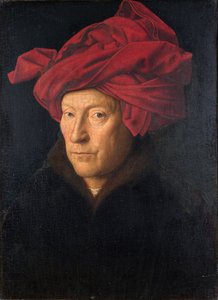
Jan van Eyck
1390 - 1441 , Alankomaat
Pähkinänkuoressa
- Artistic Movement Or Style: Varhaisrenessanssi
- Artists Or Movements Influenced By This Artist: ['Varhaisrenessanssin maalarit']
- Date Of Birth: noin 1390
- Date Of Death: 1441
- Full Name: Jan van Eyck
- Nationality: flaamilainen
- Notable Artworks (List Of Titles):
- Ghentin alttari
- Arnolfinin muotokuva
- Place Of Birth (City And Country): Maastricht, Alankomaat
Aiheeseen liittyvät artikkelit
Alkuflaamin taiteen mestariteokset: 10 teosta, jotka määrittelivät renessanssin – OriginalUniqueArt.fi
Tutustu alkuflaamin renessanssin 10 mestariteokseen! Jan van Eyckin, Rogier van der Weydenin ja muiden taiteilijoiden ikonisia maalauksia. Öljyvärimaalauksen huippua – löydä inspiraatiota kotiisi OriginalUniqueArt.comista. Tutustu kokoelma!

Rembrandtin mestariteokset: 25 taideteosta valokuvapainatuksina kotiisi | OriginalUniqueArt
Tutustu Rembrandtin 25 mestariteokseen – valokuvapainatuksina kotiisi! Uppoudu hollantilaisen kultakauden taiteeseen, varjoihin ja valoon. Löydä ikonisia muotokuvia ja historiallisia maalauksia OriginalUniqueArt.comista. Tutustu kokoelma!

Alkuflaamilaisen maalauksen 10 mestariteosta – Taidetta kotiisi OriginalUniqueArtilta
Tutustu alkuflaamilaisen maalauksen 10 mestariteokseen – Jan van Eyckistä Hieronymus Boschiin. Taidetta, historiaa ja inspiraatiota kotiisi OriginalUniqueArtilta. Laadukkaat öljyvärimaalaukset ja sisustusehdotukset odottavat! Tutki kokoelma verkossa.

Jan van Eyck: Innovation, Symbolism & the Dawn of Early Netherlandish Painting
Explore the revolutionary art of Jan van Eyck! Discover his groundbreaking oil painting techniques, hidden symbolism, and lasting impact on the Early Netherlandish Renaissance. A deep dive for art enthusiasts.

Illuminating Realism: A Comprehensive Exploration of the Early Netherlandish Renaissance Movement
Explore the captivating world of Early Netherlandish painting! Discover Jan van Eyck & other Flemish masters, their revolutionary techniques, hidden symbolism, and lasting legacy. A comprehensive guide for art enthusiasts.


