
 Esikatselu
 Jaa teos
 Jaa
Jaa
 Tiedot
 Opas
Opas

 Lataa kuva
 Samanlaisia kohteita
 Röntgenkuvaus
 Diaesitys
 Kysymykset ja vastaukset
 Tilastot
Portrait of a Man

- 21.0 x 17.0 cm


 Lue lisää
Giclée- ja taideprintit
Museolaatuisia giclée- tai kankaitaulun tulosteita nopealla tuotannolla ja joustavilla viimeistelyvaihtoehdoilla. ( Osta käsinmaalattu taideteos Siirry digitaaliseen kuvaan)




P118B €10

P118H €10

P118W €10

P438Z €10

P508JH €12

P508YH €12

P805H €10

P805Z €10

P919BZ €10

P919G €10

P919XJ €10

P959ZH €10

P968JZ €12

W106C €8

W218G €10

W218JH €8

W218Y €10

W307PJ €10

W316G €10

W316PJ €8

W316Y €10

W398PJ €8

W4111J €10

W500HY €15

W500JH €15

W692G €12

W849H €8

W940BG €15

W953PJ €8




Valitse valmiista mitoistamme sellaiset, jotka vastaavat teoksen alkuperäisiä mittasuhteita.

Syötä tarvitsemasi leveys ja korkeus, jotta tuloste sopii kehyksiisi tai seinällesi. Tulostetta voidaan vain leikata, sitä ei voida koskaan suurentaa alkuperäistä kuvaa suuremmaksi, joten eri muotoinen koko aiheuttaa osan kuvasta katoamisen. Lähetämme sinulle digitaalisen mallikuvan hyväksyttäväksi ennen kuin aloitamme tulostuksen. Tällä sivulla näkyvä kuva ei näytä lopullista rajausta — vain mallikuva näyttää sen.
Maailmanlaajuinen toimitus () 2 viikossa tavallisen 4–5 viikon sijaan. (9 marraskuu)

Ilmainen pikatoimitus ympäri maailman

Korkealaatuinen pellavakangas

Kattava kuljetusvakuutus

Tulliveron palautustakuu

Takuu täydellisestä värien vastaavuudesta

100 päivän palautusoikeus (vain valmistusvirheet)

100% rahat takaisin -takuu

Määräalennus tarjolla
 Lasivaihtoehto on saatavilla vain alle 110 cm kokoisille teoksille

Portrait of a Man
Giclée- ja taideprintit
Replikaatin koko
-


Kokonaishinta
€ 72
A Window into Renaissance Identity: Jan van Eyck’s Portrait of a Man
Jan van Eyck's "Portrait of a Man," often referred to as “Self Portrait?” due to ongoing scholarly debate regarding its attribution, stands as an unparalleled testament to the burgeoning artistic spirit of Early Netherlandish painting—a movement that irrevocably transformed European visual culture. Painted circa 1430-1432 in Haarlem, Netherlands, this deceptively simple depiction transcends mere likeness; it embodies a profound exploration of humanist ideals and meticulously crafted symbolism that continues to fascinate art historians today. The artwork’s enduring appeal lies not only in its technical brilliance but also in its ability to convey an arresting glimpse into the psychological landscape of fifteenth-century Europe.- Subject Matter & Composition: At first glance, the portrait presents a strikingly realistic portrayal of a man—likely Jan van Eyck himself—dressed in formal attire characteristic of his era. He wears a dark velvet robe adorned with intricate embroidery and is positioned centrally against a muted green background, creating a harmonious balance that draws the eye directly to his gaze. Two additional figures flank him on either side, adding depth and complexity to the scene. These companions are dressed similarly, reinforcing the notion of an aristocratic gathering—perhaps a celebration or diplomatic meeting—a common occurrence in the courts of Northern Europe.
- Technique & Style: Van Eyck’s mastery is immediately evident in his groundbreaking application of oil paint – a technique that revolutionized painting by offering unprecedented luminosity and detail compared to tempera, which had dominated artistic practice for centuries. The meticulous layering of thin glazes—a hallmark of Flemish Primitives—allows for subtle gradations of color and texture, capturing the nuances of skin tone and fabric folds with astonishing accuracy. This painstaking process demanded considerable patience and skill, cementing Van Eyck’s reputation as one of the foremost artists of his time.
Symbolism & Renaissance Humanism
Beyond its technical prowess, “Portrait of a Man” is laden with symbolic significance reflecting the humanist concerns prevalent during the Renaissance. The man's gaze—direct and unwavering—represents intellectual contemplation and self-awareness – qualities highly valued by thinkers like Petrarch and Erasmus. The inclusion of the white feather atop his hat serves as an emblem of purity and nobility, referencing biblical references to angelic messengers and symbolizing spiritual virtue. Furthermore, the robe’s rich embroidery speaks to wealth and status, highlighting the importance of social hierarchy within Renaissance society. These elements coalesce into a powerful statement about human dignity and aspiration—themes that resonate powerfully across centuries.Historical Context & Artistic Legacy
Painted during a period of significant cultural transformation, “Portrait of a Man” exemplifies the burgeoning interest in naturalism and psychological realism that characterized Early Netherlandish painting. Artists like Van Eyck were driven by a desire to depict human beings with unprecedented fidelity, capturing not only their physical appearance but also their inner thoughts and emotions—a radical departure from medieval artistic conventions. This artwork stands as a cornerstone of Renaissance art history, influencing generations of painters who sought to emulate its luminous palette and meticulous detail. Its influence can be seen in portraits by artists such as Rogier van der Weyden and Hans Memling, demonstrating the enduring legacy of Van Eyck’s innovative approach.Emotional Impact & Artistic Inspiration
“Portrait of a Man” continues to inspire awe and admiration for its ability to convey profound emotional depth. The artist's contemplative gaze invites viewers to engage in introspection—to consider questions of identity, virtue, and purpose. More than just a depiction of an individual, it represents a celebration of human intellect and moral fortitude – ideals that remain relevant today. Reproductions of this masterpiece offer collectors and interior designers alike the opportunity to experience firsthand the beauty and sophistication of Early Netherlandish art, transporting them back to a pivotal moment in European cultural history.Kysymykset ja vastaukset
Mitkä ovat alkuperäisen "Portrait of a Man" mitat?
Teoksen Jan van Eyck:n "Portrait of a Man" mitat ovat 21 x 17 cm. Vedoksia voi tilata muissa koossa säilyttäen samat mittasuhteet.
Onko teos Jan van Eyck:n "Portrait of a Man" säilytyksessä taiteilijan kotimaassa?
Ei - teos sijaitsee ulkomailla. Jan van Eyck on syntynyt maassa Alankomaat, ja teoksen "Portrait of a Man" alkuperäiskappaleen säilyttävä museo sijaitsee maassa United States of America.
Onko Jan van Eyck:n "Portrait of a Man" tunnettu teos?
Teoksen Jan van Eyck:n "Portrait of a Man" suosiotaso on Iconic.
Taiteilijan elämäkerta
Varhaiset Vuodet ja Taiteellinen Herääminen
Jan van Eyckin elämä, noin 1390 Maastrichtissa alkaneena, on verhottu mysteeriin, mutta hänen vaikutuksensa taidehistoriaan on kiistaton. Hän kasvoi taiteellisessa perheessä – hänen veljensä Hubert oli myös maalari, vaikka tämän tuotannosta tiedetään vähän. Vaikka tarkkoja tietoja van Eyckin nuoruudesta ei ole säilynyt, on selvää, että hänellä oli jo varhain poikkeuksellinen lahjakkuus ja kyky nousta nopeasti taidemaailman huipulle. Vuonna 1422 hän perusti työpajan Haagissa, jossa hän alkoi ottaa vastaan tilauksia ja kouluttaa oppilaita. Tämä menestys ei perustunut pelkästään tekniseen taitoon; van Eyck oli älykäs ja luotettava mies, ominaisuuksia jotka avasivat hänelle ovia vaikutusvaltaisten suojelijoiden pariin.Burgundin Hovin Palveluksessa: Diplomatiasta Taiteelliseen Kukoistukseen
Van Eyckin uran ratkaiseva käännekohta oli nimitys Burgundin hoviin, ensin John III Rohkean ja myöhemmin Filip Hyvän palvelukseen. Tämä ei ollut pelkästään taiteellinen suojelusjärjestely; van Eyck sai luottamuksellisia diplomaattitehtäviä, mikä osoitti herttuan uskon hänen harkintakykyynsä ja älykkyyteensä. Matkat ympäri Eurooppaa – mukaan lukien vierailut Portugaliin ja Espanjaan – altistivat hänet erilaisille kulttuureille ja taiteellisille vaikutteille, jotka hienovaraisesti muokkasivat hänen kehittyvää tyyliään. Hovi tarjosi paitsi taloudellista turvaa myös resursseja kunnianhimoisten projektien toteuttamiseen, mikä mahdollisti taiteellisen rajojen rikkomisen. Van Eyck ei ollut pelkästään maalaaja Burgundin eliitille; hänestä tuli olennainen osa heidän maailmaansa, heijastaen ja vahvistaen heidän arvovaltaansa taiteensa kautta. Tämä ainutlaatuinen asema antoi hänelle harvinaisen luovuuden vapauden aikakaudellaan, mikä johti kokeiluihin ja innovaatioihin, jotka muuttivat maalauksen kulkua pysyvästi.Öljyvärimaalauksen Alkemia: Tekniikan Vallankumous
Vaikka van Eyck ei ollut öljyvärimaalauksen keksiä – sen käyttö oli tunnettua jo ennen häntä – hän on kiistatta sen mestari ja täydellistäjä. Ennen hänen innovaatioitaan tempera oli hallitseva maalausmenetelmä, joka tarjosi rajalliset sekoitusmahdollisuudet ja suhteellisen matan pinnan. Van Eyck vapautti öljyvärimaalauksen täydellisen potentiaalin huolellisella läpinäkyvien lasyyrien kerrostamisella, saavuttaen ennennäkemättömän yksityiskohtien tason, valoisuuden ja realismin. Tämä tekniikka mahdollisti hienovaraiset sävyvaihtelut, rikkaammat värit ja pintojen luomisen, jotka jäljittelivät elämää itseään. Lopputulos oli mullistava; pinnat näyttivät hehkuvan sisältäpäin, kankailla oli käsin kosketeltava laatu ja muotokuvat vangitsivat paitsi ulkonäön myös psykologista syvyyttä. Hänen mestaruutensa ei ollut pelkästään teknistä – se oli alkemiallinen prosessi, joka muutti pigmentit lähes eläväksi todellisuudeksi. Tämä innovaatio ei jäänyt huomaamatta; siitä tuli pohja tulevien sukupolvien maalareille, mikä perusteellisesti muutti länsimaisen taiteen maisemaa.Mestarityöt ja Kestävä Perintö
Van Eyckin taiteellinen perintö on vahvistettu suhteellisen pienellä mutta syvällisesti vaikuttavalla tuotannolla. Ghentin alttaritaulu (1432), monumentaalinen polyptyyppi, on hänen kunnianhimoisin yrityksensä – monimutkainen kudelma uskonnollista symboliikkaa ja teknistä nerokkuutta. Samoin tunnettu on Giovanni Arnolfinin ja hänen vaimonsa muotokuva (1434), uraauurtava teos muotokuvataiteessa, jota ylistetään sen realismin, monimutkaisten yksityiskohtien ja arvoituksellisen symboliikan vuoksi. Muihin merkittäviin töihin kuuluvat Dresdenin alttaritaulu, joka esittelee hänen taitoaan kuvata uskonnollisia kohtauksia poikkeuksellisella selkeydellä, sekä vaikuttava Sinipukuinen mies, todiste hänen kyvystään vangita yksilöllistä luonnetta. Nämä maalaukset eivät ole pelkästään visuaalisia esityksiä; ne ovat ikkunoita toiseen maailmaan – maailmaan, joka on huolellisesti renderöity lähes pakkomielteisellä tarkkuudella. Van Eyckin vaikutus ulottuu näiden ikonisten teosten lisäksi muokkaamalla varhaisen alankomaalaisen maalauksen kehitystä ja inspiroimalla lukemattomia taiteilijoita vuosisatojen ajan. Hän kuoli Bryggessä vuonna 1441 jättäen jälkeensä perinnön, joka resonoi edelleen tänään muistuttaen meitä taiteen voimasta valaista ihmiskokemusta.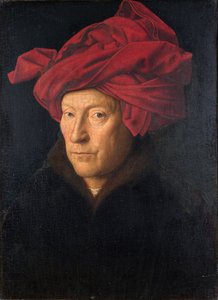
Jan van Eyck
1390 - 1441 , Alankomaat
Pähkinänkuoressa
- Artistic Movement Or Style: Varhaisrenessanssi
- Artists Or Movements Influenced By This Artist: ['Varhaisrenessanssin maalarit']
- Date Of Birth: noin 1390
- Date Of Death: 1441
- Full Name: Jan van Eyck
- Nationality: flaamilainen
- Notable Artworks (List Of Titles):
- Ghentin alttari
- Arnolfinin muotokuva
- Place Of Birth (City And Country): Maastricht, Alankomaat
Aiheeseen liittyvät artikkelit

Rembrandtin mestariteokset: 25 taideteosta valokuvapainatuksina kotiisi | OriginalUniqueArt
Tutustu Rembrandtin 25 mestariteokseen – valokuvapainatuksina kotiisi! Uppoudu hollantilaisen kultakauden taiteeseen, varjoihin ja valoon. Löydä ikonisia muotokuvia ja historiallisia maalauksia OriginalUniqueArt.comista. Tutustu kokoelma!

Jan van Eyck: Innovation, Symbolism & the Dawn of Early Netherlandish Painting
Explore the revolutionary art of Jan van Eyck! Discover his groundbreaking oil painting techniques, hidden symbolism, and lasting impact on the Early Netherlandish Renaissance. A deep dive for art enthusiasts.
Late Medieval Masterpieces: 10 Artworks That Defined an Era | OriginalUniqueArt
Journey through 10 defining Late Medieval masterpieces – from Giotto's frescoes to Jan van Eyck’s realism. Explore the stories, techniques & vibrant colors of Gothic art. Find museum-quality reproductions and elevate your home decor with OriginalUniqueArt.com! Discover all masterpieces on OriginalUniqueArt.com
Alkuflaamin taiteen mestariteokset: 10 teosta, jotka määrittelivät renessanssin – OriginalUniqueArt.fi
Tutustu alkuflaamin renessanssin 10 mestariteokseen! Jan van Eyckin, Rogier van der Weydenin ja muiden taiteilijoiden ikonisia maalauksia. Öljyvärimaalauksen huippua – löydä inspiraatiota kotiisi OriginalUniqueArt.comista. Tutustu kokoelma!

Alkuflaamilaisen maalauksen 10 mestariteosta – Taidetta kotiisi OriginalUniqueArtilta
Tutustu alkuflaamilaisen maalauksen 10 mestariteokseen – Jan van Eyckistä Hieronymus Boschiin. Taidetta, historiaa ja inspiraatiota kotiisi OriginalUniqueArtilta. Laadukkaat öljyvärimaalaukset ja sisustusehdotukset odottavat! Tutki kokoelma verkossa.


