

 Esikatselu
 Jaa
Jaa Jaa
Jaa
 Tarkemmat tiedot

 Lataa
Lataa
 Samanlaisia
 Röntgenkuva
 Diaesitys
The Ford
 Oil On Canvas
- WallArt
- Baroque Landscape Painting
 1670
1670- Early Modern
 64.0 x 54.0 cm
 Staatliche Museen zu Berlin
 Näytä lisää
Giclée-printit ja taideprintit
Museolaatuisia giclée- tai kankaitaulun tulosteita nopealla tuotannolla ja joustavilla viimeistelyvaihtoehdoilla. ( Osta käsintehty maalaus Osta kuva)




P118B $10

P118H $10

P118W $10

P438Z $10

P508JH $12

P508YH $12

P805H $10

P805Z $10

P919BZ $10

P919G $10

P919XJ $10

P959ZH $10

P968JZ $12

W106C $8

W218G $10

W218JH $8

W218Y $10

W307PJ $10

W316G $10

W316PJ $8

W316Y $10

W398PJ $8

W4111J $10

W500HY $15

W500JH $15

W692G $12

W849H $8

W940BG $15

W953PJ $8




Valitse valmiista mitoistamme sellaiset, jotka vastaavat teoksen alkuperäisiä mittasuhteita.

Voit syöttää omat mitat sopiaksesi tiettyyn kehykseen tai tilaan. Jos valittu koko ei vastaa alkuperäisen kuvan mittasuhteita, rajaamme teosta tai laajennamme kuvaa peilatulla tai yhtenäisellä reunalla. Digitaalinen mallikuva lähetetään hyväksyttäväksi ennen tuotannon aloittamista.
Huomaathan, että näytöllä näkyvä esikatselu ei vastaa lopullista rajausta tai laajennusta. Vain mallikuva näyttää lopullisen sommittelun tarkasti.
Vaikka räätälöityjä kokoja on saatavilla, suosittelemme valitsemaan mitat valmiista listasta alkuperäisten mittasuhteiden säilyttämiseksi.
Toimitus maailmanlaajuisesti () kahdessa viikossa tavallisen 4–5 viikon sijaan. (17 elokuu)

Ilmainen pikatoimitus ympäri maailman

Korkealaatuinen pellavakangas

Kattava kuljetusvakuutus

Tulliveron palautustakuu

Täydellinen värien vastaavuustakuu

60 päivän palautusoikeus (vain valmistusvirheet)

100% rahat takaisin -takuu

Määräalennus tarjous
 Lasivaihtoehto on saatavilla vain alle 110 cm kokoisina teoksina

The Ford
Giclée-printit ja taideprintit
Replikaatin koko
-


Kokonaishinta
$ 80
Teoksen kuvaus
A Flemish Vision in England: Exploring Jan Siberechts’ “The Ford”
Jan Siberechts’ “The Ford,” completed in 1670, stands as a remarkable testament to the evolving artistic landscape of seventeenth-century Europe. Situated at the crossroads between Flemish Baroque tradition and burgeoning English landscape painting—a period marked by significant cultural exchange—the artwork offers a captivating glimpse into both stylistic influences and broader societal concerns.
Subject Matter and Composition
The scene depicts a tranquil riverside vista populated by livestock – cows, horses, and dogs – overseen by a woman carrying a basket. This seemingly simple composition belies a complex layering of symbolism rooted in Flemish pastoral iconography. Cows traditionally represented fertility and prosperity within the Dutch Republic, while horses symbolized nobility and strength. The presence of dogs underscored themes of loyalty and guardianship.
Stylistic Influences: Baroque Meets Landscape
Siberechts’ approach aligns closely with the Baroque aesthetic prevalent in Antwerp at the time—characterized by dramatic lighting, rich color palettes, and meticulous detail. However, unlike purely topographical depictions favored by English artists, “The Ford” incorporates elements of landscape painting, albeit subtly integrated into the overall narrative framework. This blending reflects the growing fascination with capturing atmospheric effects and conveying emotional resonance – a hallmark of Baroque art’s ambition.
Technique: Oil Paint on Canvas
Executed in oil paint on canvas—a technique common to Flemish masters—Siberechts employed meticulous brushwork to achieve textural realism. Careful attention was paid to rendering the surfaces of the animals and foliage, creating a palpable sense of depth and luminosity. The artist skillfully utilized chiaroscuro – the interplay between light and shadow – to heighten dramatic tension and guide the viewer’s gaze.
Historical Context: Patronage and Artistic Innovation
"The Ford" was commissioned by a wealthy landowner, demonstrating the importance of aristocratic patronage in fostering artistic innovation. Siberechts' work exemplifies the broader trend toward depicting idealized rural life—a genre that resonated deeply with audiences eager for escapism from urban anxieties. It represents not merely a beautiful landscape but also an articulation of humanist values – harmony between humanity and nature – reflecting the intellectual currents shaping seventeenth-century Europe.
Emotional Impact: Serenity Amidst Pastoral Beauty
Ultimately, “The Ford” succeeds in evoking a profound sense of serenity and contemplative wonder. The artist’s masterful handling of color and light contributes to an atmosphere of tranquility, inviting viewers to immerse themselves in the idyllic beauty of the riverside scene. It serves as a poignant reminder of the enduring power of art to capture fleeting moments of sublime experience—a legacy that continues to inspire admiration centuries later.
Taiteilijan elämäkerta
A Flemish Vision in England: The Life and Art of Jan Siberechts
Jan Siberechts, born in Antwerp in 1627, occupies a fascinating position in the history of European art—a bridge between the vibrant traditions of Flemish painting and the burgeoning landscape tradition of England. His story is one of artistic development, fortunate patronage, and ultimately, pioneering influence. The son of a sculptor also named Jan Siberechts, he received his initial training within the family workshop, absorbing the skills and aesthetic sensibilities that would form the foundation of his career. By 1648, he had achieved master status in the prestigious Guild of Saint Luke in Antwerp, signaling his recognition as a skilled craftsman. While concrete evidence remains elusive, art historians speculate about a possible sojourn to Italy during the late 1640s or early 1650s. Though unconfirmed, this potential exposure to Italianate landscape painting—with its emphasis on classical compositions and atmospheric perspective—undoubtedly left an imprint on his evolving style, visible in the early works that showcase a delicate balance between Flemish realism and Italianate ideals.Early Training and Artistic Influences
Siberechts’ formative years were steeped in the artistic heritage of Antwerp, a city renowned for its sculptural prowess and burgeoning artistic community. His father instilled in him a deep appreciation for craftsmanship and meticulous observation—skills that would prove invaluable throughout his career. The Guild of Saint Luke provided him with formal training and access to established artistic conventions, shaping his understanding of technique and composition. Like many Flemish artists of his time, Siberechts was profoundly affected by the stylistic innovations emanating from Dutch masters such as Nicolaes Berchem and Karel Dujardin. These painters skillfully captured the tranquility of rural landscapes, utilizing soft light effects and subtle color palettes to convey a sense of serenity and beauty. The influence of Berchem’s pastoral scenes—particularly his depiction of shepherds tending flocks—is palpable in Siberechts’ early works, demonstrating a shared commitment to portraying idealized depictions of nature. Similarly, Dujardin's masterful handling of atmospheric perspective—creating depth and illusionistic space—served as an inspiration for Siberechts’ exploration of landscape aesthetics.The Italianate Influence: Seeking Classical Harmony
Speculation surrounds the possibility that Siberechts undertook a journey to Italy during the late 1640s or early 1650s, though definitive proof remains elusive. Nevertheless, art historians posit that exposure to Italianate landscape painting—a movement characterized by its embrace of classical ideals and meticulous attention to atmospheric perspective—would have undoubtedly broadened Siberechts’ artistic horizons. Artists like Claude Lorrain and Andrea Pozzo championed the use of pyramidal compositions and idealized landscapes reminiscent of ancient Greece and Rome, prioritizing clarity and grandeur over naturalistic detail. It is conceivable that Siberechts absorbed these principles during his travels, integrating them into his evolving style—a stylistic fusion evident in his early canvases where Flemish realism intertwines with Italianate compositional techniques. This blending of traditions resulted in paintings that possessed both visual richness and intellectual depth, reflecting the broader artistic currents shaping Europe at the time.From Flemish Countryside to English Estates
The 1660s marked a pivotal moment in Siberechts’ artistic trajectory—a decisive shift toward exploring the landscapes of his native Flanders and immersing himself in the rhythms of rural life. This wasn't merely topographical representation; it was an ambitious endeavor to convey not just what he saw but also how he felt about the natural world. Siberechts skillfully manipulated water reflections, creating visual echoes and adding depth to his compositions—a technique honed by observing the masterful works of Karel Dujardin and Nicolaes Berchem. He populated his canvases with figures—often women engaged in everyday tasks—dressed in brilliantly colored clothing that punctuated the verdant scenes, injecting a vibrant element into his landscapes. These depictions resonated deeply with contemporary viewers who appreciated Siberechts’ ability to capture the beauty and vitality of rural existence. His artistic vision extended beyond mere visual accuracy; he sought to evoke emotion and convey a sense of place—a hallmark of Flemish landscape painting that would endure throughout the Baroque period.A Patronage That Launched a Career: The Duke of Buckingham's Commission
Siberechts’ burgeoning talent attracted considerable attention, culminating in an invitation from George Villiers, the Second Duke of Buckingham, to undertake a monumental commission: decorating Cliveden House—Buckingham’s opulent estate nestled on the banks of the Thames. This undertaking provided Siberechts with both financial stability and unparalleled opportunity to showcase his artistic versatility. He meticulously crafted a series of landscapes that seamlessly integrated the stately home into its surrounding environment—a pioneering approach that established him as a leader in the burgeoning English landscape tradition. His meticulous attention to detail—capturing subtle nuances of light and color—demonstrated his mastery of technique and solidified his reputation as one of the foremost artists of his era. The commission served as a catalyst for Siberechts’ subsequent travels throughout England, documenting numerous estates and capturing their distinctive character—a legacy that continues to inspire admiration among art historians today. ## Siberechts' Enduring Legacy: A Pioneer of English Landscape Painting Jan Siberechts is rightfully regarded as a pivotal figure in the development of English landscape painting—often hailed as the “father of British landscape.” His topographical views weren’t merely records of estates; they were artistic interpretations that influenced generations of artists who followed. He paved the way for other Flemish painters—Peter Tillemans, Pieter Andreas Rijsbrack, and Hendrik Frans de Cort among them—who would continue to document the English countryside with similar skill and sensitivity. Approximately one hundred works attributed to Siberechts have survived, offering a glimpse into his prolific output and artistic evolution. His style, initially shaped by Dutch and Italianate traditions, ultimately blossomed into something uniquely his own—characterized by vibrant colors, meticulously rendered figures, and atmospheric landscapes that captured the essence of both Flemish rural life and the grandeur of English estates. He even counted John Wootton among his pupils, furthering his influence on the artistic landscape of England. Siberechts’ contribution lies not only in his technical mastery but also in his ability to capture a sense of place and belonging—a quality that continues to resonate with viewers today.
Jan Siberechts
1627 - 1703 , Belgia
Pikatiedot
- Artistic Movement Or Style: Barokki, Maisema
- Artists Or Movements Influenced By This Artist:
- Peter Tillemans
- British maisema
- Artists Who Influenced This Artist:
- Nicolaes Berchem
- Karel Dujardin
- Date Of Birth: 1627
- Date Of Death: 1703
- Full Name: Jan Siberechts
- Nationality: Flemish
- Notable Artworks:
- The Ford
- PAYSAGE AVEC FIGURES
- Belsize Estate
- Place Of Birth: Antwerp, Belgia
Liittyvät artikkelit

Idyllic Visions: Exploring the Pastoral Scene in Art History – From Arcadia to Modern Interpretations
Explore the captivating history of pastoral art from classical Arcadia to modern masterpieces. Discover key artists like Millet & Cole at OriginalUniqueArt. Find serene landscape paintings for your home.
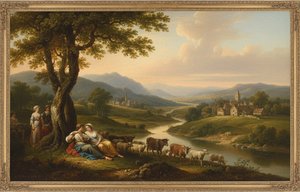
Idyllic Visions: Exploring the Pastoral Tradition in Western Art – Themes, Techniques & Enduring Appeal
Explore the rich history of pastoral art from classical Arcadia to contemporary interpretations. Discover key artists, themes & collecting tips at OriginalUniqueArt.
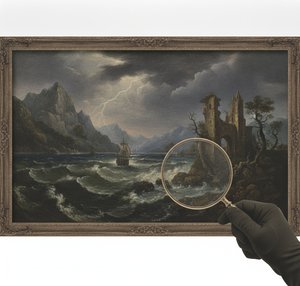
Epic Drama & Dark Vibes: The Ultimate Collector's Guide to Baroque Landscapes
Master the art of drama with our ultimate guide to Baroque landscapes. Discover the power of chiaroscuro, explore legendary masters, and learn how to curate epic, dark-vibe masterpieces for your collection with expert insights from OriginalUniqueArt.
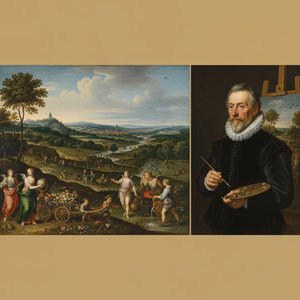
Jan Brueghel the Elder: A Master of Flemish Landscape & Allegory – Exploring Innovation & Influence
Explore the captivating world of Jan Brueghel the Elder, a Flemish Baroque master renowned for his stunning landscapes & allegorical paintings. Discover his collaborations with Rubens and lasting artistic legacy.
Maisemataiteen mestariteokset: 10 inspiroivaa taideteosta kotiisi
Uppoudu maisemataiteen maailmaan! Tutustu 10 inspiroivaan teokseen Monet'sta van Goghiin. Taideteosten tarinat, tekniikat ja tunnelmat – löydä täydellinen taulu kotiisi OriginalUniqueArt.comista. Explore the full collection online!

