
 Esikatselu
 Jaa teos
 Jaa
Jaa
 Tiedot
 Opas
Opas

 Lataa kuva
 Samanlaisia kohteita
 Röntgenkuvaus
 Diaesitys
 Q&A
Q&A Tilastot
Hunters at Rest

- 51.0 x 74.0 cm


 Lue lisää
Giclée- ja taideprintit
Museolaatuisia giclée- tai kankaitaulun tulosteita nopealla tuotannolla ja joustavilla viimeistelyvaihtoehdoilla. ( Osta käsinmaalattu taideteos Siirry digitaaliseen kuvaan)




P118B €10

P118H €10

P118W €10

P438Z €10

P508JH €12

P508YH €12

P805H €10

P805Z €10

P919BZ €10

P919G €10

P919XJ €10

P959ZH €10

P968JZ €12

W106C €8

W218G €10

W218JH €8

W218Y €10

W307PJ €10

W316G €10

W316PJ €8

W316Y €10

W398PJ €8

W4111J €10

W500HY €15

W500JH €15

W692G €12

W849H €8

W940BG €15

W953PJ €8




Valitse valmiista mitoistamme sellaiset, jotka vastaavat teoksen alkuperäisiä mittasuhteita.

Syötä tarvitsemasi leveys ja korkeus, jotta tuloste sopii kehyksiisi tai seinällesi. Tulostetta voidaan vain leikata, sitä ei voida koskaan suurentaa alkuperäistä kuvaa suuremmaksi, joten eri muotoinen koko aiheuttaa osan kuvasta katoamisen. Lähetämme sinulle digitaalisen mallikuvan hyväksyttäväksi ennen kuin aloitamme tulostuksen. Tällä sivulla näkyvä kuva ei näytä lopullista rajausta — vain mallikuva näyttää sen.
Maailmanlaajuinen toimitus () 2 viikossa tavallisen 4–5 viikon sijaan. (2 marraskuu)

Ilmainen pikatoimitus ympäri maailman

Korkealaatuinen pellavakangas

Kattava kuljetusvakuutus

Tulliveron palautustakuu

Takuu täydellisestä värien vastaavuudesta

100 päivän palautusoikeus (vain valmistusvirheet)

100% rahat takaisin -takuu

Määräalennus tarjolla
 Lasivaihtoehto on saatavilla vain alle 110 cm kokoisille teoksille

Hunters at Rest
Giclée- ja taideprintit
Replikaatin koko
-


Kokonaishinta
€ 71
A Moment of Stillness in the Baroque Wild
In the heart of Jan Miel’s Hunters at Rest, time seems to suspend itself, offering a rare glimpse into a world where the vigor of the hunt meets the profound quietude of repose. Painted during the mid-17th century, this masterpiece serves as more than a mere depiction of a break in activity; it is a carefully orchestrated symphony of light and shadow that captures the very essence of the Flemish Baroque. As the hunters gather around the rugged, stone architecture of a fortified tower, the viewer is invited into a scene that balances the raw energy of the outdoors with an intimate, almost domestic sense of camaraderie. The painting does not merely show us a group of travelers; it transports us to a period where every rustle of a cloak and every flicker of light against a hound’s coat tells a story of life lived in close connection with the natural world.
The technical brilliance of Miel is most evident in his masterful use of chiaroscuro. Through a sophisticated layering of oil on canvas, the artist directs our gaze with surgical precision. A warm, inviting glow—perhaps emanating from a nearby hearth—bathes the faces of the hunters, highlighting the textures of their period attire, from the heavy folds of red cloaks to the rugged leather of their boots. This warmth stands in dramatic opposition to the cool, encroaching shadows that cling to the ancient stone walls and the distant, rolling hills. Such contrast does more than create depth; it establishes a psychological landscape, suggesting that even amidst the vastness of the wilderness, there exists a sanctuary of light and human connection.
The Spirit of the Bamboccianti
To understand the soul of this work, one must look to the Bamboccianti, the spirited collective of Northern artists working in Rome who found beauty in the everyday. Miel, a prominent figure in this movement, moved away from the lofty, idealized subjects of high history painting to embrace the rustic virtue of the lower classes and the unvarnable reality of street and field life. In Hunters at Rest, we see this stylistic choice manifest as a celebration of the humble and the authentic. The presence of well-tended horses, loyal hunting dogs, and the weathered textures of the landscape imbues the canvas with a sense of tactile reality that is deeply grounding.
For the discerning collector or interior designer, this painting offers an unparalleled opportunity to introduce a sense of historical grandeur and narrative depth into a space. The composition, which flows gracefully from the detailed foreground figures toward the airy, bird-filled sky in the distance, provides a sense of movement that can breathe life into a room. Whether placed in a library filled with leather-bound volumes or as a focal point in a contemporary hall, the artwork acts as a window into a bygone era of elegance and ruggedness. It is a piece that does not merely decorate a wall; it commands the atmosphere, inviting contemplation on the fleeting nature of action and the enduring beauty of rest.
Kysymykset ja vastaukset
Kuka on teoksen "Hunters at Rest" taiteilija ja mikä on sen tyyli?
Teoksen "Hunters at Rest" takana ovat Jan Miel ja Baroque-suuntaus.
Voinko katsoa teosta "Hunters at Rest" koko näytön diashow'na?
Katso kuvagalleria: Jan Miel:n "Hunters at Rest" -teoksen Diaesitys -sivu.
Kuinka paljon valoa "Hunters at Rest" värit näyttävät heijastavan?
Teoksen Jan Miel:n "Hunters at Rest" luminanssi on Gentle Luminance.
Taiteilijan elämäkerta
Jan Miel: Silta hollantilaisen realismin ja barokin loiston välillä
Jan Miel (1599–1663) nousee esiin 1600-luvun taidemaailman keskeisenä hahmona, joka ilmentää flaamilaisen perinteen ja italialaisen innovaation kiehtovaa kohtaamista. Vaikka hänen syntymäpaikastaan on epävarmuutta – Beveren Belgiassa on vahva ehdokas, mutta myös Antwerpen ja ’s-Hertogenbosch ovat mahdollisia – Mielin varhaiset vuodet pysyvät suhteellisen hämärän peitossa, jättäen elämäkerralliset yksityiskohdat niukaksi. Tutkimusten valossa kuitenkin paljastuu hämmästyttävä taiteellinen matka, jota leimasivat tyylillinen kehitys ja yhteistyö, joka vakiinnutti hänen asemansa Rooman ja Torinon eloisassa kulttuuripiirissä.
Hänen muovaavat vuotensa kuluivat ensisijaisesti Antwerpenissa, missä hän imi vaikutteita merkittäviltä flaamilaisilta mestareilta, kuten Anthony van Dyckiltä. Vaikka hänen koulutuksensa tarkkaa laajuutta on vaikea todentaa, se antoi hänelle kiistatta kyvyn huolelliseen havainnointiin ja hienostuneeseen tekniikkaan – ominaisuuksiin, jotka määrittivät suurta osaa hänen myöhemmästä tuotannostaan. Tämä klassinen piirustustaito ja muotokuvataito loivat perustan urallle, joka lopulta ylitti alueelliset rajat.
Roomalainen muodonmuutos ja Bamboccianti-henki
Mielin saapuminen Roomaan noin vuonna 1636 merkitsi käännekohtaa hänen taiteellisessa kehityksessään. Hän liittyi nopeasti Bentvueghelsiin, vaikutusvaltaiseen hollantilaisten ja flaamilaislasten veljeskuntaan, joka asui Ikuisessa kaupungissa. Tämän veljeyden sisällä hän otti käyttöön mieleenpainuvan nimityksen ‘bieco’, mikä viittasi hänen omintakeiseen siristävään katseeseensa – piirteeseen, josta tuli osa hänen taiteellista identiteettiä. Tämä kuuluvuus loi syviä yhteyksiä laajempaan taideyhteisöön, johon Pieter van Laerin Bamboccianti-tyyli vaikutti voimakkaasti.
Tämä taidesuuntaus omistautui Rooman ja sen ympäristön alempien yhteiskuntaluokkien arkipäivän kohtauksille, hyläten korkearenessanssin ihanteellisen suuruuden jotain paljon välittömämpää ja konkreettisempaa tavoiteltaessa. Miel omaksui tämän suuntauksen koko sydämellään tuottaen lumoavia genremalauksia, jotka vangitsivat kaupunkielämän hengen poikkeuksellisella realismilla ja herkkyydellä. Hänen teoksissaan korostuivat usein:
- Eläväiset katunäkymät, joita täyttivät matkailijat, kauppiaat ja työläiset.
- Mestarillinen valon käyttö, joka herätti eloon roomalaisten kujien pölyisen ja aurinkoisen tunnelman.
- Inhimillisen tunteen hienovaraiset vivahteet keskellä ruuhkaisia ja kaoottisia ympäristöjä.
- Tarkka huomio kankaiden, kiven ja maan tekstuureihin.
Kehitys kohti klassismia ja hovielämän loistoa
Uran edetessä Mielin taiteellinen visio kävi läpi merkittävän muodonmuutoksen. Vaikka hän säilytti genremalauksen mestaruuden, hän alkoi siirtyä pois Bamboccianti-tyylin karusta realismista kohti klassisempia historiallisia maalauksia. Tämä muutos heijasti laajempaa eurooppalaisen taiteen trendiä, jossa barokin raaka energiaa alkoi tasapainottaa halu järjestyksestä, jaloituksesta ja klassisesta allegoriasta.
Tämä kehitys johti lopulta arvostettuihin tehtäviin, huipentuen hänen toimintaansa hovitaiteilijana Savoyn herttua Charles Emanuel II:n palveluksessa. Torinon hovin palveluksessa Mielin työt saivat muodollisemman ja loistokkaamman luonteen. Hänen varhaisten roomalaisten kohtaustensa intiimiys väistyi suuremman mittakaavan ja monimutkaisuuden tieltä, tavoitteena heijastaa kuninkaallisen suojelijansa valtaa ja arvovaltaa. Tämä kausi edustaa hänen ammatillisen saavutustensa huippua, jossa hänen flaamilaiset yksityiskohtien taitonsa kohtasivat eurooppalaisen aristokratian vaatiman suuret ja vaikuttavat narratiivit.
Jan Mielin historiallinen merkitys piilee hänen kykyssään navigoida näiden erilaisten maailmojen välillä. Hän oli taiteilija, joka kykeni löytämään kauneutta roomalaisen katujen orpojen vaatimattomista kamppailuista ja arvokkuutta antiikin eeppisistä tarinoista. Rakentamalla sillan pohjoisen tarkkanäköisen realismin ja etelän dramaattisen klassismin välille, Miel jätti pysyvän jäljen 1600-luvun taidehistoriaan varmistaen perintönsä barokin aikakauden todellisena kosmopoliittina.

Jan Miel
1599 - 1663 , Belgia
Pähkinänkuoressa
- Artistic Movement Or Style: Bamboccianti, Klassisoiva
- Artists Or Movements Influenced By This Artist: ['Pieter van Laer']
- Artists Who Influenced This Artist: ['Anthony van Dyck']
- Date Of Birth: 1599 Beveren Belgia
- Date Of Death: 1663
- Full Name: Jan Miel
- Nationality: Flandrilainen
- Notable Artworks:
- Maisema kahden paimenen välisellä taistelulla
- Roomalainen kalkkiuuni ja pelaavat talonpojat
- Place Of Birth: Beveren Belgia
Aiheeseen liittyvät artikkelit

Mastering Drama and Light: A Definitive Guide to the Flemish Baroque Art Movement
Explore the dramatic brilliance of the Flemish Baroque movement. Discover how masters like Peter Paul Rubens utilized chiaroscuro and dynamic composition to redefine art history through light, shadow, and unparalleled emotion.

Barokin loisto: Kuinka tuoda ylellisyyttä ja tunnetta nykyaikaiseen sisustukseen
Tutustu barokki sisustuksen loistoon! Opi luomaan ylellistä ja tunnelmallista kotia historiallisen tyylin inspiroimana. Vinkkejä, esimerkkejä ja in apua.

The Visceral Stage: Exploring Dramatic Narratives & Emotional Intensity in Baroque Art
Explore the dramatic world of Baroque art! Discover iconic masters like Caravaggio & Rembrandt, their techniques, and the movement's lasting impact. Expert insights for collectors & enthusiasts at OriginalUniqueArt.
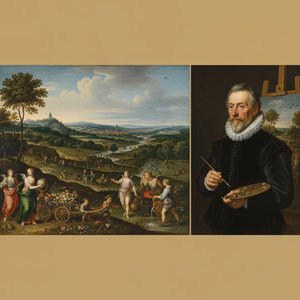
Jan Brueghel the Elder: A Master of Flemish Landscape & Allegory – Exploring Innovation & Influence
Explore the captivating world of Jan Brueghel the Elder, a Flemish Baroque master renowned for his stunning landscapes & allegorical paintings. Discover his collaborations with Rubens and lasting artistic legacy.

The Dramatic Flourish: Exploring the Baroque Movement's Enduring Legacy in Art History
Explore the dramatic world of Baroque art! Discover iconic artists like Caravaggio & Rubens, defining techniques, and its lasting impact on art history. Expert insights for collectors & enthusiasts at OriginalUniqueArt.
