Tekstin koko

() ·

Sinulle käsin tehty maalaus

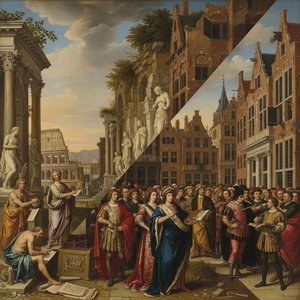
Kristuksen Häpeä

Käsinmaalattu öljyvärinen jäljennös

Käsinmaalattu öljyväri kankaalle haluamassasi koossa ja kehyksissä, taiteilijoidemme valmistamana tilauksesta. ( Vaihda tulosteeseen Siirry digitaaliseen kuvaan)

Keräilykohteen kuvaus

Jan Gossaertin mestariteos Kristuksen Häpeä tuo esiin italialaisen ja pohjoismaalaisen tyylin yhdistelmän. Tämä vaikuttava öljyväritys kertoo kristinuskon kärsimysnäytöksestä ja katsojan huomioi yksityiskohtiin.

Taiteilijan elämäkerta

Discover Jan Gossaert: A pioneering Flemish Renaissance painter known for dramatic light & shadow, Romanism, & iconic works like 'The Virgin & Child'. Explore his legacy!

alkaen ·

Luku 1

Kuinka suuren sen tulisi olla?

Vedä liukusäädintä vaihtaaksesi kokoa; vasemmalla oleva kuva näyttää kehyksen todellisen leveyden. Alkuperäiset mittasuhteet säilyvät.

Vakiokoko
räätälöity
CM
INCH

Valitse valmiista mitoistamme sellaiset, jotka vastaavat teoksen alkuperäisiä mittasuhteita.

leveys
korkeus

Kirjoita tarvitsemasi leveys ja korkeus, jotta teos sopii kehyksiisi tai seinällesi. Koska kyseessä on käsinmaalattu teos, taiteilija voi maalata hieman enemmän kuvan ympärille tai rajata sitä hieman, jos haluat eri muotoisen koon — valinta on sinun. Lähetämme sinulle digitaalisen mallikuvan hyväksyttäväksi ennen kuin maalaus alkaa. Tällä sivulla näkyvä kuva ei vastaa lopullista tulosta — vain mallikuva näyttää sen.

Luku 2

Miten teoksen tulisi saapua?

Valitse kangaspinnan reunat

Valitse kehys

Corner sample of the WhiteWrap canvas edge finish, stretched on massiivipuu bars
Valkoinen reuna €1
Corner sample of the BlurSideWrap canvas edge finish, stretched on massiivipuu bars
pehmennetty reuna €1
Corner sample of the ExtendedWrap canvas edge finish, stretched on massiivipuu bars
Jatkuva reuna €1
Corner sample of the P118B picture frame: valettu polystyreeni, 5 cm wide and 3 cm thick
P118B €10
Corner sample of the P118H picture frame: valettu polystyreeni, 5 cm wide and 3 cm thick
P118H €10
Corner sample of the P118W picture frame: valettu polystyreeni, 5 cm wide and 3 cm thick
P118W €10
Corner sample of the P438Z picture frame: valettu polystyreeni, 5.5 cm wide and 3.5 cm thick
P438Z €10
Corner sample of the P508JH picture frame: valettu polystyreeni, 7 cm wide and 3.5 cm thick
P508JH €12
Corner sample of the P508YH picture frame: valettu polystyreeni, 7 cm wide and 3.5 cm thick
P508YH €12
Corner sample of the P805H picture frame: valettu polystyreeni, 5 cm wide and 3.5 cm thick
P805H €10
Corner sample of the P805Z picture frame: valettu polystyreeni, 5 cm wide and 3.5 cm thick
P805Z €10
Corner sample of the P919BZ picture frame: valettu polystyreeni, 7 cm wide and 3.5 cm thick
P919BZ €10
Corner sample of the P919G picture frame: valettu polystyreeni, 7 cm wide and 3.5 cm thick
P919G €10
Corner sample of the P919XJ picture frame: valettu polystyreeni, 7 cm wide and 3.5 cm thick
P919XJ €10
Corner sample of the P959ZH picture frame: valettu polystyreeni, 5 cm wide and 3 cm thick
P959ZH €10
Corner sample of the P968JZ picture frame: valettu polystyreeni, 6 cm wide and 4 cm thick
P968JZ €12
Corner sample of the W106C picture frame: massiivipuu, 5 cm wide and 3 cm thick
W106C €8
Corner sample of the W218G picture frame: massiivipuu, 5 cm wide and 3 cm thick
W218G €10
Corner sample of the W218JH picture frame: massiivipuu, 5 cm wide and 3 cm thick
W218JH €8
Corner sample of the W218Y picture frame: massiivipuu, 5 cm wide and 3 cm thick
W218Y €10
Corner sample of the W307PJ picture frame: massiivipuu, 6 cm wide and 3 cm thick
W307PJ €10
Corner sample of the W316G picture frame: massiivipuu, 6 cm wide and 3 cm thick
W316G €10
Corner sample of the W316PJ picture frame: massiivipuu, 6 cm wide and 3 cm thick
W316PJ €8
Corner sample of the W316Y picture frame: massiivipuu, 6 cm wide and 3 cm thick
W316Y €10
Corner sample of the W398PJ picture frame: massiivipuu, 5 cm wide and 3 cm thick
W398PJ €8
Corner sample of the W4111J picture frame: massiivipuu, 6.5 cm wide and 3.5 cm thick
W4111J €10
Corner sample of the W500HY picture frame: massiivipuu, 7 cm wide and 5 cm thick
W500HY €15
Corner sample of the W500JH picture frame: massiivipuu, 7 cm wide and 5 cm thick
W500JH €15
Corner sample of the W692G picture frame: massiivipuu, 8 cm wide and 4 cm thick
W692G €12
Corner sample of the W849H picture frame: massiivipuu, 5 cm wide and 3 cm thick
W849H €8
Corner sample of the W940BG picture frame: massiivipuu, 7.5 cm wide and 4.5 cm thick
W940BG €15
Corner sample of the W953PJ picture frame: massiivipuu, 6 cm wide and 3.5 cm thick
W953PJ €8
Corner sample of the H24-GOLD picture frame: kaiverrettua puuta ja gessoa, 10 cm wide and 6 cm thick
H24-GOLD €30
Corner sample of the H24-SILVER picture frame: kaiverrettua puuta ja gessoa, 10 cm wide and 6 cm thick
H24-SILVER €30
Corner sample of the H36-GOLD picture frame: kaiverrettua puuta ja gessoa, 15 cm wide and 6.5 cm thick
H36-GOLD €45
Corner sample of the H36-SILVER picture frame: kaiverrettua puuta ja gessoa, 15 cm wide and 6.5 cm thick
H36-SILVER €45
Kehyksen esikatselu
Kehystetty

Kehystys: . Kokonaismitat kehyksen kanssa: .

Luku 3

Kuka sen maalaa, ja pitäisikö mitään muuttaa?

Esimerkkejä muutettavista asioista: Vaihda kasvot asiakkaan valokuvaan; Lisää lemmikki (esim. vaihda kissa koiraksi); Lisää piilotettu viesti taustalle; Vaihda taustan maisemaa tai elementtejä.


Tilauksen jälkeen OriginalUniqueArt.com -tiimi lähettää asiakkaalle sähköpostia ohjeita varten ja toimittaa luonnoksen esikatselun

Maailmanlaajuinen toimitus () 3–4 viikossa tavallisen 5 viikon sijaan. (6 marraskuu). Laadusta ei tingitä.

Luku 4

Viimeiset silaukset

Nimikyltti, kuten museossa?

Kaiverretun pronssilaatan tiedot

This elegant plaque features the artist's name and the title of the artwork, finely engraved for a timeless presentation.

It is made from bronze with a refined, elegant finish. The text is precisely laser-engraved for a sharp and permanent result. Measuring 9x2 cm, the plaque is compact yet easy to read. It's built to be durable and scratch-resistant, offering a professional, museum-quality look. Mounting is simple thanks to the included adhesive backing.

Läpinäkyvän akryylilaatan tiedot

The plaque includes essential engraved details such as the artist's name, the title of the artwork, the date it was created, the type of media used-like oil on canvas or watercolor-a brief description of the piece, and a QR code that links to the complete artwork information.

It is crafted from clear acrylic, offering a sleek, modern appearance. The text is UV-engraved in black to ensure strong visual contrast. With a size of 10x15 cm, it ensures optimal readability. It comes equipped with two metal hooks for secure wall mounting. The plaque is designed to be weather-resistant, making it suitable for various environments, and it includes interactive features that work seamlessly with smartphone scanning.

Mustan akryylilaatan tiedot

This elegant plaque includes engraved information such as the artist's name, the title of the artwork, the date it was created, the type of media used (like oil on canvas or watercolor), a short description of the artwork, and a QR code for quick access to more information.

The plaque itself is made from refined black acrylic with a premium finish. The text is laser-engraved in white for high contrast and readability. Its size is 10x15 cm, designed to be easy to read. It comes with two metal hooks for professional mounting. The design is sleek and fits any interior style. It is also weather-resistant and durable, with built-in digital integration for mobile compatibility.

Suojaava lakka?

Milloin tarvitset sen?

Luku 5

Maalauksesi juuri niin kuin tilasit

Kristuksen Häpeä

Reproduktiotekniikka

Replikaatin koko

-

Kokenut huipputaiteilija

Lisää yksityiskohtia, hienostuneisuutta ja enemmän aikaa tuotantoon

-

Reproduktion kehystysvaihtoehdot

-

-

Teoksille tai reproduktioille, joiden mikä tahansa sivu on suurempi kuin 105 cm (noin 41 tuumaa), kehys toimitetaan osina purettuna sarjana. Tämä menetelmä varmistaa turvallisen toimituksen ja ehkäisee vaurioita kuljetuksen aikana.

Vaatii ammattimaista kokoamista – kyseessä ei ole tee-se-itse-tuote.
Sarja on koottava ja kangas kiristettävä kokeneen kehystysammattilaisen toimesta käyttäen puuliimaa (ei sisälly pakkaukseen), kangaspinnetteitä ja puristimia, jotta kehyksen kulmat pysyvät suorina liiman kuivuessa. Virheellinen kokoaminen tai epätasainen kankaan kiristys voi vaurioittaa teosta pysyvästi, eikä tällaiset vauriot ala takuun piiriin.

  • Kaikki massiivipuupalat sisältyvät, tarkasti mittojen mukaan leikattuina.

  • Kootaan mukana tulevilla ruuveilla sekä kulmaliitoksia varten tarvittavalla puuliimalla, jota ei toimiteta, joten se on hankittava kehystäjältä.

  • Vaatii ammattilaisvälineitä, jotka eivät sisälly pakkaukseen: kankaan venytyspihdit (kiristin) ja puristimet, joilla pidetään kehyksen puut suorassa liiman kuivuessa.

Tärkeää:
Kulmaliitoksissa tarvitaan puuliimaa, kehyksien osat on pidettävä puristimilla, kunnes liima on täysin kuivunut, ja koottuun kehykseen jännitettävän kankaan kiristämiseen tarvitaan kangaspenssipihti. Mikään näistä ei sisälly pakkaukseen. Suosittelemme varmistamaan kokeneen kehystäjän saatavuuden ennen tämän kokoisen kehyksen tilaamista.

Nimilaatta

-

-

Suojalakkaus

Kiiltävä lakka (syventää värejä, suojaa valolta ja kosteudelta)

-

Mukauta taideteokseni

Esimerkkejä muokattavista asioista: Vaihda kasvot asiakkaan omaan valokuvaan; Lisää lemmikki (esim. vaihda kissa koiraan); Lisää taustalle piilotettu viesti; Muuta taustan maisemaa tai elementtejä.

-

Pikatoimitus

Maailmanlaajuinen toimitus () 3–4 viikossa tavallisen 5 viikon sijaan. (6 marraskuu). Laadusta ei tingitä.

-

Pikatoimitus

Maailmanlaajuinen toimitus () 5 viikon kuluessa. (13 marraskuu).

Sisältyy hintaan

Kokonaishinta

€ 268

Kokonaishinta € 268

Lasivaihtoehto on saatavilla vain alle 110 cm kokoisille teoksille

Sisältyy jokaiseen tilaukseen

  • Ilmainen pikatoimitus ympäri maailman
  • Korkealaatuinen pellavakangas
  • Kattava kuljetusvakuutus
  • Tulliveron palautustakuu
  • Takuu täydellisestä värien vastaavuudesta
  • 100 päivän palautusoikeus (vain valmistusvirheet)
  • 100% rahat takaisin -takuu
  • Määräalennus tarjolla

Jan Gossaertin ”Kristuksen Humilointi” – Näköaloja Renessanssin varjoista

Jan Gossaert (c. 1478–1532), jonka tunnettiin myös nimellä Jan Mabuse, oli merkittävä hollantilainen renessanssimaalari, joka yhdisteli italialaista ja pohjoismaalaajan tyyliä tuoden Rooman vaikutuksen Hollantiin henkilökuvista, altaripalveksista ja myyttisistä näkymistä. Hän oli keskeinen henkilö Pohjoisen Euroopan taidehistoriassa ja tunnetaan erityisesti innovatiivisesta lähestymistavastaan sekä kyvystään luoda vaikuttavia kokonaisuuksia. Tämä työ, ”Kristuksen Humilointi”, on todiste hänen täydellisestä mestariteoksestaan.

Tyylin Yksityiskohtainen Analyysi

Gossaertin tyyli oli erityisen tunnusomaista aikansa kontekstissa. Hän ei ollut kuten monet muut taiteilijat tuohon aikaan, jotka kouluttautuivat tunnettujen mestarien palveluksessa, vaan hän kehitti oman ainutlaatuisen työskentelytavan. Hänen maalauksensa ovat täynnä italialaista vaikutusta, mutta samalla pohjoismaalaajan tarkkuutta ja yksityiskohtaisuutta. Hän käytti erityisesti suurta huolellisuutta värin käyttöön sekä tekstuurin luomiseen, mikä tuo maalaukseen syvyyttä ja realistisen tunnelman. Tämä näkyy selvästi myös tässä teoksessa, jossa Gossaert onnistui vangitsemaan Kristuksen kärsimystä sekä ihmisen heikkouden että Jumalan rakkauden yhteydessä.

Tekniikka ja Materiaalit

Maalauksen tekniikka oli innovatiivinen sen aikakaudelle. Gossaert käytti öljyväriä päämateriaalinaan, mikä mahdollisti hänelle tarkkaan kontrolloidun värin käyttöön sekä yksityiskohtaisen tekstuurin luomisen. Hän työskenteli huolellisesti ja kärsivällisesti, käyttäen erityistä tekniikkaa, jolla hän sai aikaan syviä varjoja sekä kirkkaat valonvälähdykset. Tämä näkyy erityisesti Kristuksen kasvotunnelmassa, jossa Gossaert onnistui välittämään Kristuksen kärsimystä sekä fyysistä tuskaa että hengellistä kärsimystä. Lisäksi maalauksessa käytettiin tarkkaan harkittuja yksityiskohtia, kuten esimerkiksi Kristuksen kädet ja jalat, jotka ovat erityisen realistiset ja huolellisesti yksityiskohtaistettu.

Historiallinen Konteksti ja Symbolismi

”Kristuksen Humilointi” valmistui noin vuonna 1525 Hollannissa keskellä suurta kulttuurista muutosta. Tämä työ oli osa suurempaa liikettä, joka pyrki tuomaan italialaista renessanssia Pohjoiseen Eurooppaan ja erityisesti Hollantiin. Maalauksessa kuvataan Kristuksen kärsimystä sekä ihmisen heikkouden että Jumalan rakkauden yhteydessä. Tämä symboliikka oli keskeinen kristinuskon hengelliselle merkitykselle tuohon aikaan, ja Gossaertin maalauksen tarkoituksena oli välittää tämä syvä hengellinen sanoma katsojalle. Kristuksen kärsimys kuvataan yksityiskohtaisesti sekä fyysisesti että emotionaalisesti, mikä tuo maalaukseen voimakkaan tunteen ihmisen kärsimyksestä ja Jumalan rakkaudesta. Maalauksessa käytetään myös symboleja, jotka ovat yhteydessä kristinuskon keskeisiin teemoihin, kuten esimerkiksi Kristuksen kruunu sekä hänen kädessään pidettävä kirja, joka symboloi Pyhän Kirjan voimaa ja tietoa.

Emotionaalinen Impatto ja Inspiraatio

”Kristuksen Humilointi” on maalauksesta tunnusomaista emotionaalista vaikutusta. Gossaertin tarkka huolellisuus sekä yksityiskohtainen tekstuurin luominen ovatnistävät maalauksen erityisen vaikuttavaksi kokonaisuudeksi. Tämä työ voi inspiroida katsojia pohtimaan ihmisen kärsimystä sekä Jumalan rakkauden merkitystä, ja se voi toimia täydellisenä koriste-esineenä kodissa tai galleriassa. Maalauksen syvässä yksityiskohtaisuudessa sekä realistisessa tunnelmassa onnistuu vangitsemaan Kristuksen kärsimystä sekä fyysistä tuskaa että hengellistä kärsimystä, mikä tuo maalaukseen voimakkaan tunteen ihmisen kärsimyksestä sekä Jumalan rakkaudesta. Tämä työ voi olla erityinen valinta henkilöille, jotka arvostavat taidetta sekä sen teknistä mestaruutta että emotionaalista syvyyttä.

Kysymykset ja vastaukset

Mitä aiheita teoksessa Jan Gossaert:n "Kristuksen Häpeä" esiintyy?

Jan Gossaert:n "Kristuksen Häpeä" esittää: christ suffering, roman soldiers, religious iconography, medieval imagery, renaissance painting, human emotion, torture scene.

Kuinka paljon valoa "Kristuksen Häpeä" värit näyttävät heijastavan?

Teoksella Jan Gossaert:n "Kristuksen Häpeä" on Tumma luminanssi. Luminanssi kuvaa sitä, kuinka paljon värit näyttävät heijastavan valoa.

Mihin tyylisuuntaan "Kristuksen Häpeä" kuuluu?

Teoksen Jan Gossaert:n "Kristuksen Häpeä" tyylisuunta on Renaissance Mannerism. Tämä luokittelu sijoittaa teoksen muiden samankaltaisten taiteilijoiden ja teosten joukkoon.

Lisää tästä teoksesta

Esikatselu Esikatsele AR-tilassa Vaihda tulosteeseen Siirry digitaaliseen kuvaan Jaa teos
Tiedot Opas Lisää suosikkeihin Lataa kuva Samanlaisia kohteita Röntgenkuvaus Diaesitys Kysymykset ja vastaukset Tilastot

Lukuina

  • 1507teosvuosi
  • 29valittavissa olevat kehykset
  • standardikoot, omissa mittasuhteissaan
  • 5viikkoja maalaamiseen ja toimitukseen
Jan Gossaert

Jan Gossaert

- 1532, Belgium

Pikaaakkaukset taiteilijasta Jan Gossaert

  • Date Of Death: 1532
  • Place Of Birth: Maubeuge, Belgium
  • Notable Artworks:
    • Evelyne Axell
    • Joav BarEl
    • Thomas Bayrle
  • Artistic Movement Or Style: World Goes Pop

Taiteilijan elämäkerta

The Shadowed Canvas: Exploring the Life and Art of an Unknown Master

The name Elias Thorne remains largely obscured within the annals of 16th-century European art, a deliberate anonymity that perhaps mirrors the complex and often melancholic nature of his work. Born in the small, rain-swept village of Oakhaven, nestled on the fringes of the Black Forest in 1503, Thorne’s early life offers little in the way of documented detail – whispers suggest a childhood marked by solitude and an unusual fascination with the natural world, particularly the interplay of light and shadow. His father was a woodcarver, imparting a foundational understanding of form and texture, while his mother, a herbalist, instilled within him a deep reverence for the subtle beauty found in decay and transformation – themes that would become central to Thorne’s artistic vision.

Thorne's formal training is shrouded in mystery. Unlike many artists of his era who apprenticed under established masters, he seems to have been largely self-taught, a characteristic that profoundly shaped the unique character of his paintings. He spent several years traveling throughout Germany and Switzerland, absorbing influences from the burgeoning Renaissance movement while simultaneously developing a distinct style – one characterized by an almost obsessive attention to detail, a muted palette dominated by browns, grays, and deep blues, and a haunting sense of atmosphere. Unlike the vibrant colors favored by his contemporaries, Thorne deliberately employed shadows not as mere absences of light, but as active participants in the narrative of each scene.

A Palette of Grief and Reflection

Thorne’s artistic output was remarkably modest – fewer than thirty paintings survive, scattered across private collections and small museums. Yet, within this limited body of work lies a remarkable depth of emotional resonance. His subjects rarely depict grand historical events or idealized portraits; instead, he focused on scenes of quiet contemplation, moments of profound sorrow, and the inevitable passage of time. Recurring motifs include solitary figures – often women – gazing out from darkened interiors, decaying landscapes, and still lifes featuring wilting flowers and weathered fruit. These images are not merely representations of reality but rather explorations of the human condition, imbued with a palpable sense of melancholy and introspection.

  • Notable Works: “The Weaver’s Lament,” “The Forgotten Chapel,” “Still Life with Dying Lilies,” “Portrait of an Unknown Woman (Shadowed),” “Winter’s Embrace.”
  • Technique: Thorne was a master of *sfumato*, utilizing subtle gradations of tone and color to create a hazy, dreamlike quality. His brushwork is meticulous yet understated, prioritizing atmosphere over sharp detail. He favored oil paints on wood panels, lending a rich texture and depth to his canvases.

Influences and Artistic Roots

While Thorne’s style remains distinctly his own, it's clear that he was influenced by several key artistic currents of the period. The late Gothic traditions of Northern Europe – particularly the intricate detail and symbolic imagery found in medieval altarpieces – are evident in his compositions. Furthermore, there is a discernible connection to the work of Hans Holbein the Younger, particularly his use of light and shadow to create dramatic effects. However, Thorne transcends mere imitation; he synthesizes these influences into a profoundly personal vision.

Beyond art, Thorne’s life was deeply intertwined with folklore and local legends. The Black Forest itself played a significant role in shaping his artistic sensibility – its dense forests, ancient ruins, and whispered tales of forgotten spirits provided a constant source of inspiration. Local beliefs surrounding death, mourning, and the afterlife are subtly woven into the narratives depicted in his paintings.

Legacy and Historical Significance

Despite his obscurity during his lifetime, Elias Thorne’s work has experienced a quiet resurgence of interest in recent decades. Art historians now recognize him as a pivotal figure in the development of Northern European painting – a precursor to the Baroque era's emphasis on dramatic lighting and emotional intensity. His paintings are not celebrated for their technical brilliance or historical importance but rather for their profound psychological depth and haunting beauty. Thorne’s art serves as a poignant reminder that true artistic genius often resides not in grand gestures, but in the quiet contemplation of human experience.

His work offers a unique window into the anxieties and uncertainties of 16th-century Europe – a period marked by religious upheaval, political instability, and widespread social unrest. Thorne’s paintings reflect this atmosphere of unease, capturing not just the outward appearance of reality but also the underlying currents of sorrow, loss, and longing that shaped the lives of ordinary people.

Further Exploration

For further research into Elias Thorne's life and work, consider exploring these resources:

  • The website of the Kunstmuseum Bern (Bern Art Museum) – which houses several examples of his paintings.
  • Academic articles on Northern European painting from scholarly journals such as *Art History* and *Renaissance Quarterly*.

Pikaista tietoa

  • Medium: öljy puulle
  • Dimensions: 51 x 40,3 cm
  • Artistic style: Detaljitettu realismia
  • Year: n. 1507
  • Influences: Italia
  • Artist: Jan Gossaert
Tutustu teoksiin, jotka on järjestetty aiheiden, tyylien ja ominaisuuksien mukaan.