
 Esikatselu
 Jaa teos
 Jaa
Jaa
 Tiedot
 Opas
Opas

 Lataa kuva
 Samanlaisia kohteita
 Röntgenkuvaus
 Diaesitys
 Kysymykset ja vastaukset
 Tilastot
Nymphs Filling the Cornucopia

- 67.0 x 107.0 cm


 Lue lisää
Giclée- ja taideprintit
Museolaatuisia giclée- tai kankaitaulun tulosteita nopealla tuotannolla ja joustavilla viimeistelyvaihtoehdoilla. ( Osta käsinmaalattu taideteos Siirry digitaaliseen kuvaan)




P118B €10

P118H €10

P118W €10

P438Z €10

P508JH €12

P508YH €12

P805H €10

P805Z €10

P919BZ €10

P919G €10

P919XJ €10

P959ZH €10

P968JZ €12

W106C €8

W218G €10

W218JH €8

W218Y €10

W307PJ €10

W316G €10

W316PJ €8

W316Y €10

W398PJ €8

W4111J €10

W500HY €15

W500JH €15

W692G €12

W849H €8

W940BG €15

W953PJ €8




Valitse valmiista mitoistamme sellaiset, jotka vastaavat teoksen alkuperäisiä mittasuhteita.

Syötä tarvitsemasi leveys ja korkeus, jotta tuloste sopii kehyksiisi tai seinällesi. Tulostetta voidaan vain leikata, sitä ei voida koskaan suurentaa alkuperäistä kuvaa suuremmaksi, joten eri muotoinen koko aiheuttaa osan kuvasta katoamisen. Lähetämme sinulle digitaalisen mallikuvan hyväksyttäväksi ennen kuin aloitamme tulostuksen. Tällä sivulla näkyvä kuva ei näytä lopullista rajausta — vain mallikuva näyttää sen.
Maailmanlaajuinen toimitus () 2 viikossa tavallisen 4–5 viikon sijaan. (8 marraskuu)

Ilmainen pikatoimitus ympäri maailman

Korkealaatuinen pellavakangas

Kattava kuljetusvakuutus

Tulliveron palautustakuu

Takuu täydellisestä värien vastaavuudesta

100 päivän palautusoikeus (vain valmistusvirheet)

100% rahat takaisin -takuu

Määräalennus tarjolla
 Lasivaihtoehto on saatavilla vain alle 110 cm kokoisille teoksille

Nymphs Filling the Cornucopia
Giclée- ja taideprintit
Replikaatin koko
-


Kokonaishinta
€ 72
A Verdant Symphony of Myth and Nature
In the lush, dappled light of a Flemish woodland, Jan Brueghel the Elder invites us into a moment of timeless enchantment. Nymphs Filling the Cornucopia is not merely a depiction of a mythological gathering; it is a sensory experience that breathes with the vitality of the natural world. As we gaze upon this masterpiece from 1615, we find ourselves amidst a group of ethereal figures—nymphs who move through the trees with a grace that seems to mirror the gentle swaying of the branches themselves. Some figures rest peacefully upon the mossy earth, while others engage in the rhythmic, joyful task of gathering the forest's bounty. The scene is a masterclass in atmosphere, where the boundary between the divine and the earthly dissolves into a soft, verdant haze.
The composition is a delicate dance of light and shadow, characteristic of Brueghel’s unparalleled ability to render the textures of the wild. One can almost feel the cool dampness of the forest floor and hear the rustle of leaves underfoot. Scattered throughout this idyllic setting are symbols of abundance: ripe apples clinging to heavy boughs, a simple bowl catching the sunlight, and a cup waiting to be filled. These elements serve as more than mere decoration; they are the heartbeat of the painting’s allegorical soul, representing the fertility of the earth and the inexhaustible generosity of nature.
The Mastery of the Velvet Brueghel
To understand the technical brilliance of this work, one must look to the artist's legendary precision. Known affectionately as "Brueghel de Velours"* or "Velvet Brueghel," Jan was celebrated for his ability to render fabrics and organic textures with a tactile realism that feels almost touchable. In this painting, his technique shines through the meticulous rendering of every petal, leaf, and fruit. His brushwork is incredibly fine, allowing him to build layers of color that create a luminous depth, making the sunlight appear to filter through the canopy in real-time.
This level of detail was not merely an exercise in skill but a profound expression of his artistic philosophy. As a key figure in the Flemish Baroque movement, Brueghel combined the meticulous observation inherited from his lineage with a new, vibrant energy. His close collaboration with Peter Paul Rubens infused his landscapes with a sense of dynamic life, yet he maintained a unique focus on the miniature wonders of the natural world. For the collector or designer, this painting offers a rare window into a period where science and art converged, celebrating the accurate classification of nature through a lens of poetic beauty.
An Eternal Inspiration for the Modern Interior
For those looking to infuse a living space with a sense of tranquility and classical elegance, Nymphs Filling the Cornucopia serves as an extraordinary focal point. The painting’s palette—dominated by deep forest greens, warm earth tones, and the bright, jewel-like pops of fruit—possesses a versatile charm that complements both traditional and contemporary decor. It brings an organic, restorative energy to a room, acting as a window into a peaceful, primordial paradise.
Beyond its aesthetic value, the piece carries an emotional weight of abundance and harmony. In an era often defined by haste, this artwork invites the viewer to slow down, to observe the small miracles of the earth, and to find joy in the simple act of gathering. Whether displayed in a grand library or a quiet study, a high-quality reproduction of this work allows the timeless spirit of Jan Brueghel the Elder to reside within your home, offering a permanent connection to the enduring beauty of the Flemish Baroque tradition.
Kysymykset ja vastaukset
Onko "Nymphs Filling the Cornucopia"-teoksen luoja Jan Van Breugel Van Nuys tunnettu myös muilla nimillä?
Muita teoksen "Nymphs Filling the Cornucopia" tekijälle Jan Van Breugel Van Nuys rekisteröityjä nimiä ovat Jan Brueghel Van Nuys, Jan Breughel Van Nuys, Jan Brueghel The Elder, Velvet Brueghel, Kukkamaalari Jan Brueghel.
Ovatko teoksen "Nymphs Filling the Cornucopia" värit voimakkaita vai hillittyjä?
Teoksessa Jan Van Breugel Van Nuys:n "Nymphs Filling the Cornucopia" on Subtle Color kylläisyys ja Monochromatic voimakkuus.
Kuka on teoksen "Nymphs Filling the Cornucopia" taiteilija ja mikä on sen tyyli?
"Nymphs Filling the Cornucopia" on Jan Van Breugel Van Nuysn luoma Flemish Baroque-tyylinen teos. Taiteilija ja tyylisuunta määrittelevät teoksen perinteet.
Taiteilijan elämäkerta
Alkuperäinen flaamilainen perinne
Jan Brueghel vanhempi, nimi joka on synonyymi eloisille maisemille ja hienosti yksityiskohtaisille asetelmille, nousi taiteellisesta perinteestä. Hän syntyi Brysselissä vuonna 1568 Pieter Bruegel vanhemman nuorempana poikana, hollantilaisen renessanssin maalaustaidon titaanina, jonka maalaukset talonpoikaiselämästä ja laajoista näkymistä olivat jo varmistaneet paikan taiteen historiassa. Isän varjo olisi voinut olla tukahduttava, mutta Jan loi itselleen oman erillisen polun ja tuli ei pelkästään perijäksi vaan innovaattoriksi kukoistavassa flaamilaisessa barokissa. Hänen varhaisia vuosiaan leimasi menetys; Pieter Bruegel vanhempi kuoli, kun Jan oli tuskin vuoden ikäinen, ja hänen äitinsä menehtyi vuosikymmen myöhemmin. Aluksi isoäiti Mayken Verhulst—itse arvostettu taiteilija—kasvatti Janin ja antoi hänelle peruskoulutusta piirustukseen ja vesiväreihin, mikä oli lupaava alku elämänmittaiselle omistautumiselle tarkkaan havainnointiin ja tekniseen mestaruuteen. Tämä varhainen kasvatusympäristö yhdistettynä Antwerpenin taiteelliseen ilmapiiriin loi pohjan uran perustalle, jolle olivat tunnusomaisia sekä peritty taito että henkilökohtainen visio.Barokkin vision kukinta
Brueghel’n taiteelliseen kehitykseen vaikutti syvästi hänen matkansa Italiaan 1590-luvulla. Napoli ja Rooma tarjosivat hänelle altistumisen erilaiselle esteettiselle herkkyydelle, jolle olivat tunnusomaisia loisto, draama ja korostunut väritaju. Vaikka hän omaksui näitä vaikutteita, hän ei yksinkertaisesti toistanut niitä; sen sijaan hän syntetisoi ne pohjoiseurooppalaisen perinteen kanssa, jossa isältään peritty tarkka realismi oli vahvasti läsnä. Tästä yhdistelmästä syntyi ainutlaatuinen tyyli—joka juhli sekä italialaisen barokin loistoa että flaamilaisen maalaustaidon huolellista tarkkuutta. Hänet tunnettiin nimellä "Velvet Brueghel" hänen kyvystään renderöidä tekstuureja hämmästyttävällä uskollisuudella, erityisesti kukkamaalauksissaan. Nämä eivät olleet pelkästään kasvitieteellisiä tutkimuksia; ne olivat juhlia elämän katoavasta kauneudesta, jotka oli täytetty symbolisella merkityksellä. Kukien lisäksi Brueghel loisti maisemissa ja kuvasi usein idyllisiä kohtauksia, joissa hahmot ovat mukana jokapäiväisissä toimissa tai mytologisissa kertomuksissa. Hänen sommutuksensa luonnehditaan panoraaman laajuudesta ja lähes pakkomielteisestä huomiosta yksityiskohtiin—jokainen lehti, hyönteinen ja veden aalto on renderöity huolellisesti.Yhteistyötä ja innovaatioita
Jan Brueghel’n ura ei määritellyt pelkästään henkilökohtaisia saavutuksia; hän oli myös taitava yhteistyökumppani. Hänen merkittävin kumppanuus oli Peter Paul Rubensin kanssa, joka on mahdollisesti flaamilaisen barokin vaikutusvaltaisin taiteilija. Kaksi taiteilijaa jakoivat läheisen ystävyyden ja työskentelivät usein yhdessä suurissa projekteissa, joista kukin toi ainutlaatuiset vahvuutensa esiin. Tyypillisesti Rubens maalasi hahmot, kun taas Brueghel keskittyi maisemiin ja asetelmiin. Tämä yhteistyö tuotti aikakauden henkeäsalpaavimpia teoksia, kuten *Aatamin ja Eevan paratiisissa*, jossa Rubensin dynaamiset hahmot on saumattomasti integroitu Brueghel’n rehevään ja yksityiskohtaiseen puutarhaympäristöön. Rubensin kanssa tehdyn yhteistyön lisäksi Brueghel oli tuottelias innovaattori, joka loi uusia genrejä, kuten kukkaseppelemaalauksia—monimutkaisia kukka-asetelmia, jotka kehystivät usein uskonnollisia tai mytologisia kohtauksia—ja paratiisimaalauksia, jotka yhdistivät maiseman ja asetelman elementtejä luodakseen fantastisia näkyjä maallisesta nautinnosta. Hän kehitti myös galleriamaalauksia, joissa esitettiin taideteoksien kokoelmia kuvitteellisissa museoympäristöissä, mikä heijasti 1600-luvulla kasvavaa kiinnostusta taiteen keräilyyn.Kestävä vaikutus
Jan Brueghel vanhempi kuoli Antwerpenissä vuonna 1625 ja jätti jälkeensä perinnön, joka ulottui oman elämänsä rajojen yli. Hänen huolellinen tekniikkansa, eloisat väripalettinsa ja innovatiiviset sommutuksensa vaikuttivat syvästi seuraaviin flaamilaisiin maalarisukupolviin. Hän asetti uusia standardeja yksityiskohtien ja realismin suhteen inspiroiden taiteilijoita laajentamaan taitojaan. Hänen poikansa Jan Brueghel nuorempi jatkoi isänsä jalanjäljissä luoden usein teoksia, jotka olivat vaikeasti erotettavissa vanhemman mestarin töistä. Kuitenkin Jan Brueghel vanhempi perusti todella perheen maineen ja vakiinnutti asemansa keskeisenä hahmona taiteen historiassa. Hänen työnsä heijastaa paitsi aikansa taiteellisia virtauksia myös laajempaa 1600-luvun henkistä ja kulttuurista muutosta, mukaan lukien tieteellisen havainnon nousu, uskonnollisen innostuksen kukoistus vastareformaation aikana ja luonnon kauneuden ja monimutkaisuuden kasvava arvostus. Brueghel’n maalaukset kiehtovat edelleen yleisöä tänään hienolla yksityiskohtaisuudellaan, eloisilla väreillään ja kestävällä ihmettelyn tunteella.
Jan Van Breugel Van Nuys
1568 - 1625 , Suomi
Pähkinänkuoressa
- Artistic Movement Or Style: Flanderilainen barokki
- Artists Or Movements Influenced By This Artist: ['flaamilaiset maalarit']
- Artists Who Influenced This Artist:
- Pieter Bruegel vanhempi
- Peter Paul Rubens
- Date Of Birth: 1568
- Date Of Death: 1625
- Full Name: Jan Brueghel van nuorempi
- Nationality: flaamilainen
- Notable Artworks:
- Neptunuksen voitto
- Kukkaseppeleet
- Maisema vesiputouksella
- Place Of Birth (City And Country): Bryssel, Belgia
Aiheeseen liittyvät artikkelit
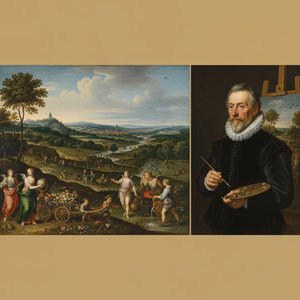
Jan Brueghel the Elder: A Master of Flemish Landscape & Allegory – Exploring Innovation & Influence
Explore the captivating world of Jan Brueghel the Elder, a Flemish Baroque master renowned for his stunning landscapes & allegorical paintings. Discover his collaborations with Rubens and lasting artistic legacy.

25 Masterpieces by Sir Anthony van Dyck: The King of Baroque Portraiture
Step into the elegance of the Baroque era with our curated guide to Sir Anthony van Dyck's top 25 masterpieces. Explore royal portraits and Flemish brilliance through museum-quality art reproductions and timeless decor inspiration. Discover all masterpieces on OriginalUniqueArt.com.
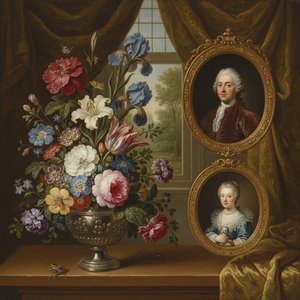
Jan van Kessel the Elder: A Baroque Master of Floral Still Life & Miniature Portraiture
Discover the exquisite detail of Jan van Kessel the Elder's Baroque floral still lifes & captivating miniatures. Explore his artistic legacy, scientific precision, and lasting influence on 17th-century Flemish painting.
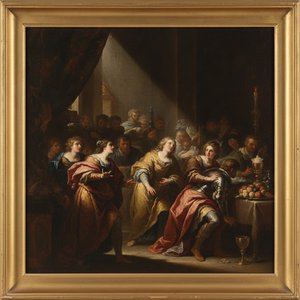
Mastering Drama & Light: A Guide to the Grandeur of Flemish Baroque Art
Explore the breathtaking drama of Flemish Baroque art. Discover how masters like Peter Paul Rubens used chiaroscuro and motion to redefine 17th-century grandeur through a sophisticated lens of history and light.

Mastering Drama and Light: A Definitive Guide to the Flemish Baroque Art Movement
Explore the dramatic brilliance of the Flemish Baroque movement. Discover how masters like Peter Paul Rubens utilized chiaroscuro and dynamic composition to redefine art history through light, shadow, and unparalleled emotion.


