Esikatselu
 Jaa teos
 Jaa
Jaa
 Tiedot
 Opas
Opas

 Lataa kuva
 Samanlaisia kohteita
 Röntgenkuvaus
 Diaesitys
 Q&A
Q&A Tilastot
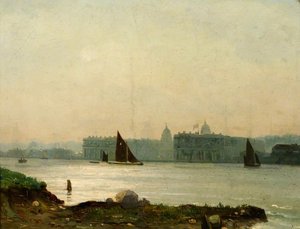
Tinternin Mylly


 Lue lisää
Giclée- ja taideprintit
Museolaatuisia giclée- tai kankaitaulun tulosteita nopealla tuotannolla ja joustavilla viimeistelyvaihtoehdoilla. ( Osta käsinmaalattu taideteos Siirry digitaaliseen kuvaan)




P118B €10

P118H €10

P118W €10

P438Z €10

P508JH €12

P508YH €12

P805H €10

P805Z €10

P919BZ €10

P919G €10

P919XJ €10

P959ZH €10

P968JZ €12

W106C €8

W218G €10

W218JH €8

W218Y €10

W307PJ €10

W316G €10

W316PJ €8

W316Y €10

W398PJ €8

W4111J €10

W500HY €15

W500JH €15

W692G €12

W849H €8

W940BG €15

W953PJ €8




Valitse valmiista mitoistamme sellaiset, jotka vastaavat teoksen alkuperäisiä mittasuhteita.

Syötä tarvitsemasi leveys ja korkeus, jotta tuloste sopii kehyksiisi tai seinällesi. Tulostetta voidaan vain leikata, sitä ei voida koskaan suurentaa alkuperäistä kuvaa suuremmaksi, joten eri muotoinen koko aiheuttaa osan kuvasta katoamisen. Lähetämme sinulle digitaalisen mallikuvan hyväksyttäväksi ennen kuin aloitamme tulostuksen. Tällä sivulla näkyvä kuva ei näytä lopullista rajausta — vain mallikuva näyttää sen.
Maailmanlaajuinen toimitus () 2 viikossa tavallisen 4–5 viikon sijaan. (31 lokakuu)

Ilmainen pikatoimitus ympäri maailman

Korkealaatuinen pellavakangas

Kattava kuljetusvakuutus

Tulliveron palautustakuu

Takuu täydellisestä värien vastaavuudesta

100 päivän palautusoikeus (vain valmistusvirheet)

100% rahat takaisin -takuu

Määräalennus tarjolla
 Lasivaihtoehto on saatavilla vain alle 110 cm kokoisille teoksille

Tinternin Mylly
Giclée- ja taideprintit
Replikaatin koko
-


Kokonaishinta
€ 71
James Francis Danbynäyttelyn keskeinen näkymä Tinternin vesimielestä
Tinternin vesimielestä, jonka James Francis Danby maalasi vuonna 1824–1826, on yksi romanttismin mestariteoksista ja yksi Britannian taidehistoriassa erityisen arvostettu kokonaisuus. Tämä valtava maisemaöljyväri tuo esiin Tinternin kylän ympäristön Englannissa kauniisti maalatuissa yksityiskohdissa, jotka ovat täynnä tunnetta ja dramaattista tunnelmaa. Danbyn työ onnistuu vangitsemaan sekä luonnon voiman että ihmisen yksinäisyyden pohjimmiltaan, mikä oli keskeistä aikansa taiteelliselle ilmaisulle.- Taiteilijan nimi: James Francis Danby (1793–1861)
- Syntymäpaikka: Wexfordin piirikunta, Irlanti
- Tyyli: Romanttinen
- Tekniikka: Öljyväri maalauksessa
Kysymykset ja vastaukset
Kuinka suosittu "Tinternin Mylly" on Romantic Landscape Painting-suuntauksessa?
James Francis Danby:n "Tinternin Mylly" on luokiteltu Tunnustettu ja se kuuluu Romantic Landscape Painting-tyylisuuntaan.
Sallitaanko James Francis Danby:n "Tinternin Mylly" -teoksen tekijänoikeuksien perusteella sen jäljentäminen?
Alkuperäinen "Tinternin Mylly" sijaitsee kohteessa Bristol Museum And Art Gallery, ja teos on vapaasti käytettävissä – tekijänoikeussuoja on päättynyt.
Mistä James Francis Danby:n "Tinternin Mylly" -teoksen vierailijat ovat kotoisin?
Teokselle "Tinternin Mylly" on olemassa Tilastot -sivu. Se esittää teoksen ja taiteilijan muiden teosten kuukausittaiset vierailumäärät maakohtaisesti ja kielittäin eriteltynä.
Taiteilijan elämäkerta
A Romantic Visionary: The Life and Art of James Francis Danby
Born in County Wexford, Ireland, in 1793, James Francis Danby emerged as a significant figure within the British Romantic movement, crafting landscapes imbued with dramatic intensity and emotional resonance. His canvases, often vast in scale and steeped in atmospheric effects, stand alongside those of contemporaries like John Martin and J.M.W. Turner, yet possess a unique character rooted in his Irish origins and artistic journey. Danby’s early life was marked by upheaval; the death of his father in 1807 forced a relocation to Dublin, where he began formal art training at the Royal Dublin Society's schools under James Arthur O’Connor and alongside George Petrie. This foundational period instilled in him not only technical skills but also an appreciation for landscape as a vehicle for expressing profound feeling—a hallmark of the burgeoning Romantic sensibility. A pivotal moment arrived in 1813 when Danby, accompanied by O’Connor and Petrie, ventured to London seeking artistic opportunities. Initial struggles led them to Bristol, where Danby discovered success selling watercolor drawings, an experience that proved crucial in shaping his developing style.The Flourishing of the Bristol School
Bristol became a fertile ground for Danby’s artistic growth, as he quickly rose to prominence within the informal collective known as the Bristol School. Initially centered around Edward Bird, this group fostered an environment of shared sketching excursions and mutual influence. Danby soon succeeded Bird as its leading figure, inheriting a naturalistic approach characterized by fresh colors and meticulous observation. Works like “Boys Sailing a Little Boat” (circa 1821) exemplify this early style, showcasing his ability to capture the subtle nuances of light and atmosphere. The group’s members, including Edward Villiers Rippingille, Francis Gold, and notably George Cumberland—a friend of William Blake—provided not only technical guidance but also a vital network of support and encouragement as Danby began to forge his own distinct artistic path. Cumberland's influence was particularly significant, suggesting themes for paintings and potentially introducing Danby to the visionary power of Blake’s art. This exposure ignited a shift towards grander, more emotionally charged compositions that would define his mature style. The Bristol School provided not just technical guidance but also a vital network of support and encouragement as Danby began to forge his own distinct artistic path.Dramatic Visions and Critical Acclaim
Danby’s breakthrough arrived with “The Upas Tree of Java” (1820), a painting that garnered immediate recognition and secured his election as an Associate Member of the Royal Academy. This work, depicting a poisonous tree from Indonesian folklore, showcased his mastery of dramatic composition and atmospheric effects—qualities that resonated deeply with the Byronic taste prevalent in the 1820s. He continued to produce ambitious canvases such as “Disappointed Love” (1821), demonstrating his characteristic poetical approach to landscape, potentially influenced by the writings of Samuel Taylor Coleridge. "An Enchanted Island" (1825) proved particularly influential, inspiring other Bristol School artists and earning praise from Letitia Elizabeth Landon in her celebrated collection, “The Troubadour.” His ambition reached new heights with “Opening of the Sixth Seal” (1828), a large-scale narrative scene purchased by the discerning collector William Beckford. These works established Danby as a leading exponent of Romantic landscape painting, renowned for his ability to evoke powerful emotions and transport viewers to realms of imagination and awe. His style is characterized by vast illusionist canvases depicting grand, gloomy, and fantastic subjects – themes that resonated with the Byronic taste of the 1820s.Later Years and Enduring Legacy
Following a period spent on the shores of Lake Geneva in Switzerland and a brief sojourn in Paris, Danby returned to England in 1840, revitalizing his reputation with “The Deluge” – a monumental work that showcased his continued mastery of dramatic composition. While some later paintings, such as "The Woodnymph's Hymn to the Rising Sun" (1845), displayed a calmer aesthetic, he ultimately returned to his earlier, more theatrical mode with pieces like “The Shipwreck” (1859). Throughout his career, Danby grappled with financial difficulties and critical fluctuations, yet he remained committed to his artistic vision. He continued exhibiting regularly, showcasing both new works and revisiting themes from his earlier successes. James Francis Danby died in 1861, leaving behind a body of work that continues to captivate audiences today. His legacy rests on his significant contribution to British Romantic art. Along with John Martin and J.M.W. Turner, he is celebrated for his imaginative landscapes and ability to evoke powerful emotions through his paintings, solidifying his place as a visionary artist of the 19th century.Key Characteristics of Danby’s Art
- Dramatic Landscapes: Vast, sweeping vistas often featuring turbulent skies and seas.
- Emotional Intensity: Paintings imbued with a sense of awe, mystery, and emotional depth.
- Romantic Themes: Exploration of themes such as the sublime, the power of nature, and human vulnerability.
- Illusionistic Technique: Masterful use of light, shadow, and perspective to create a sense of realism and grandeur.
- Narrative Elements: Many works incorporate narrative elements drawn from mythology, literature, or biblical stories.

James Francis Danby
1793 - 1861 , Irlanti
Pähkinänkuoressa
- Artistic Movement Or Style: Romanttisuus
- Artists Or Movements Influenced By This Artist: ['Bristol School']
- Artists Who Influenced This Artist:
- John Martin
- William Blake
- Date Of Birth: 1793
- Date Of Death: 1861
- Full Name: James Francis Danby
- Nationality: Iiriläinen
- Notable Artworks:
- Upas-puu J Havaijilla
- Petetty rakkaus
- Lumottunut saari
- Place Of Birth: Wexford, Irlanti
Aiheeseen liittyvät artikkelit

Sir Alfred James Munningsin 25 mestariteosta: Hevosmaalausten lumo ja brittiläinen maalaisidylli
Tutustu Sir Alfred James Munningsin 25 lumoavinta mestariteosta! Uppoudu brittiläisen maalaisidyllin ja hevosmaalausten maailmaan. Löydä inspiraatiota kotiisi OriginalUniqueArt.com:ista – taideprintit museolaadulla.

James Abbott McNeill Whistlerin 25 mestariteosta: Taidetta ja sisustusta OriginalUniqueArt.comissa
Tutustu James Abbott McNeill Whistlerin 25 vaikuttavinta mestariteosta! Uppoudu amerikkalaisen impressionismin maailmaan, tunnelmallisiin nocturneihin ja upeisiin muotokuviin. Löydä inspiraatiota sisustukseen OriginalUniqueArt.comista – taidekopiot museolaadulla. Explore the full collection online!
Valokuvasta synkän romantiikan mestariteos: Tekoälyn luova potentiaali goottilaisen estetiikan uudelleentulkinnassa
Muunna valokuvasi synkän romantiikan mestariteokseksi tekoälyn avulla! OriginalUniqueArt tarjoaa laadukkaat taidekopiot, henkilökohtaiset muotokuvat ja asiantuntevan taidekonsultoinnin. Luo uniikki taideteos jo tänään!

Leonardo da Vincin 25 mestariteosta: Taidetta kotiisi OriginalUniqueArtilta
Tutustu Leonardo da Vincin 25 mestariteokseen! Uppoudu renessanssin maailmaan Mona Lisan, Viimeisen ehtoollisen ja muiden ikonisten maalausten tarinoihin. Löydä inspiraatiota kotiisi OriginalUniqueArtilta – korkealaatuiset taideteoksien reproduktiot ja sisustusehdotukset. Tutki kokoelma verkossa!

Venetsian biennalen 25 mestariteosta: Taidetta, historiaa ja inspiraatiota kotiisi
Tutustu Venetsian biennalen 25 ikonisinta mestariteosta! Taidehistoriaa, tunnettujen taiteilijoiden tarinoita ja inspiraatiota kotiisi. Löydä abstraktista impressionismiin upeita maalauksia OriginalUniqueArt.com:sta.