Esikatselu
 Jaa
Jaa Jaa
Jaa
 Tarkemmat tiedot

 Lataa
Lataa
 Samanlaisia
 Röntgenkuva
 Diaesitys
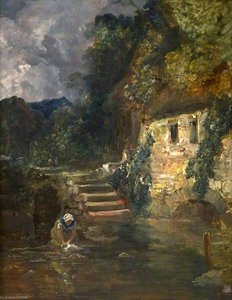
The Golden Age (study)


 Näytä lisää
Käsinmaalattu öljykopio
Käsinmaalattu öljyväri kankaalle haluamassasi koossa ja kehyksissä, taiteilijoidemme valmistamana tilauksesta. ( Osta printti Osta kuva)




P118B $10

P118H $10

P118W $10

P438Z $10

P508JH $12

P508YH $12

P805H $10

P805Z $10

P919BZ $10

P919G $10

P919XJ $10

P959ZH $10

P968JZ $12

W106C $8

W218G $10

W218JH $8

W218Y $10

W307PJ $10

W316G $10

W316PJ $8

W316Y $10

W398PJ $8

W4111J $10

W500HY $15

W500JH $15

W692G $12

W849H $8

W940BG $15

W953PJ $8




Valitse valmiista mitoistamme sellaiset, jotka vastaavat teoksen alkuperäisiä mittasuhteita.

Voit syöttää omat mitat sopimaan tiettyyn kehykseen tai tilaan. Jos valitsemasi koko ei vastaa alkuperäisen kuvan mittasuhteita, rajaamme taideteoksen tai jatkamme maalausta käsin maalatuilla elementeillä. Digitaalinen esikatselu lähetetään hyväksyttäväksi ennen tuotannon aloittamista.
Huomioithan, että näytöllä oleva esikatselu ei vastaa todellista rajausta tai jatkamista. Vain digitaalinen mallikuva näyttää lopullisen sommittelun tarkasti.
Vaikka mittatilaustyöt ovat mahdollisia, suosittelemme valitsemaan mitan ennalta määritetystä listasta alkuperäisten mittasuhteiden säilyttämiseksi.
Tilauksen jälkeen OriginalUniqueArt.com -tiimi lähettää asiakkaalle ohjeet ja esikatselukuvan.
Maailmanlaajuinen toimitus () 3–4 viikossa tavallisen 5 viikon sijaan. (18 elokuu). Laadusta ei tingitä.

Ilmainen pikatoimitus ympäri maailman

Korkealaatuinen pellavakangas

Kattava kuljetusvakuutus

Tulliveron palautustakuu

Täydellinen värien vastaavuustakuu

60 päivän palautusoikeus (vain valmistusvirheet)

100% rahat takaisin -takuu

Määräalennus tarjous
 Lasivaihtoehto on saatavilla vain alle 110 cm kokoisina teoksina

The Golden Age (study)
Reproduktiotekniikka
Replikaatin koko
-


Kokonaishinta
$ 300
Teoksen kuvaus
A Window Into Romantic Intensity: James Francis Danby’s “The Golden Age (Study)”
James Francis Danby's "The Golden Age (Study)," painted in 1827, isn’t merely a landscape; it’s a visceral plunge into the heart of the Romantic movement. This evocative work, rendered in meticulous black and white photography, offers a tantalizing glimpse into the artist’s creative process – a preparatory study for what would become a monumental canvas brimming with dramatic light and shadowed emotion. The photograph itself, a testament to early photographic techniques, captures the essence of Danby's vision with remarkable clarity, revealing the subtle brushstrokes and layered composition that define his unique style.
The Artist and His Vision: A Romantic Soul
Born in County Wexford, Ireland, in 1793, James Francis Danby’s life was shaped by both privilege and profound loss. The sudden death of his father at a young age propelled him to Dublin, where he received rigorous training under the tutelage of esteemed landscape artists like James Arthur O’Connor and George Petrie. This formative period instilled in him not just technical proficiency but also a deep appreciation for landscape as a conduit for expressing intense emotion – a core tenet of Romanticism. Danby's work frequently explored themes of sublime beauty, dramatic weather, and the power of nature to evoke both awe and terror, drawing inspiration from the rugged Irish coastline and the vastness of the European wilderness.
A Study in Light and Shadow: Technique and Composition
“The Golden Age (Study)” exemplifies Danby’s masterful command of atmospheric perspective and dramatic lighting. The composition is carefully constructed to draw the viewer into a scene teeming with figures amidst a sprawling, wooded landscape. Notice how he utilizes light – a diffused, almost ethereal glow – to sculpt the forms of the trees and the human subjects, creating a sense of depth and mystery. The loose brushwork visible in the photograph hints at the energetic application of paint characteristic of Danby’s finished works. The placement of figures, seemingly caught in a moment of contemplation or perhaps even apprehension, adds a layer of narrative complexity to the scene. It's clear that this wasn’t simply a depiction of scenery; it was an attempt to capture a specific mood and feeling.
Symbolism and Emotional Resonance
The title itself, “The Golden Age,” evokes a sense of nostalgia and perhaps even melancholy – a yearning for a lost ideal. While the exact meaning remains open to interpretation, it’s likely referencing a period of prosperity and beauty now fading into memory. The presence of figures within the landscape suggests humanity's relationship with nature: are they masters or subjects? The animal figure, partially obscured in the background, could represent instinct, wildness, or perhaps even a connection to the ancient past. More broadly, the painting speaks to the Romantic fascination with the sublime – that feeling of awe and terror inspired by the overwhelming power of nature. Danby’s work invites us to contemplate our place within this grand, untamed world.
A Legacy in Reproduction: Bringing Danby's Vision Home
Reproductions of “The Golden Age (Study)” offer a remarkable opportunity to bring the intensity and beauty of Danby’s Romantic vision into your home or office. Whether adorning a grand salon or adding character to a more intimate space, this artwork serves as a powerful reminder of the enduring appeal of landscape painting and the profound emotional impact of art. Consider commissioning a hand-painted reproduction – a faithful recreation that captures not only the visual details but also the spirit and atmosphere of this iconic work.
Taiteilijan elämäkerta
A Romantic Visionary: The Life and Art of James Francis Danby
Born in County Wexford, Ireland, in 1793, James Francis Danby emerged as a significant figure within the British Romantic movement, crafting landscapes imbued with dramatic intensity and emotional resonance. His canvases, often vast in scale and steeped in atmospheric effects, stand alongside those of contemporaries like John Martin and J.M.W. Turner, yet possess a unique character rooted in his Irish origins and artistic journey. Danby’s early life was marked by upheaval; the death of his father in 1807 forced a relocation to Dublin, where he began formal art training at the Royal Dublin Society's schools under James Arthur O’Connor and alongside George Petrie. This foundational period instilled in him not only technical skills but also an appreciation for landscape as a vehicle for expressing profound feeling—a hallmark of the burgeoning Romantic sensibility. A pivotal moment arrived in 1813 when Danby, accompanied by O’Connor and Petrie, ventured to London seeking artistic opportunities. Initial struggles led them to Bristol, where Danby discovered success selling watercolor drawings, an experience that proved crucial in shaping his developing style.The Flourishing of the Bristol School
Bristol became a fertile ground for Danby’s artistic growth, as he quickly rose to prominence within the informal collective known as the Bristol School. Initially centered around Edward Bird, this group fostered an environment of shared sketching excursions and mutual influence. Danby soon succeeded Bird as its leading figure, inheriting a naturalistic approach characterized by fresh colors and meticulous observation. Works like “Boys Sailing a Little Boat” (circa 1821) exemplify this early style, showcasing his ability to capture the subtle nuances of light and atmosphere. The group’s members, including Edward Villiers Rippingille, Francis Gold, and notably George Cumberland—a friend of William Blake—provided not only technical guidance but also a vital network of support and encouragement as Danby began to forge his own distinct artistic path. Cumberland's influence was particularly significant, suggesting themes for paintings and potentially introducing Danby to the visionary power of Blake’s art. This exposure ignited a shift towards grander, more emotionally charged compositions that would define his mature style. The Bristol School provided not just technical guidance but also a vital network of support and encouragement as Danby began to forge his own distinct artistic path.Dramatic Visions and Critical Acclaim
Danby’s breakthrough arrived with “The Upas Tree of Java” (1820), a painting that garnered immediate recognition and secured his election as an Associate Member of the Royal Academy. This work, depicting a poisonous tree from Indonesian folklore, showcased his mastery of dramatic composition and atmospheric effects—qualities that resonated deeply with the Byronic taste prevalent in the 1820s. He continued to produce ambitious canvases such as “Disappointed Love” (1821), demonstrating his characteristic poetical approach to landscape, potentially influenced by the writings of Samuel Taylor Coleridge. "An Enchanted Island" (1825) proved particularly influential, inspiring other Bristol School artists and earning praise from Letitia Elizabeth Landon in her celebrated collection, “The Troubadour.” His ambition reached new heights with “Opening of the Sixth Seal” (1828), a large-scale narrative scene purchased by the discerning collector William Beckford. These works established Danby as a leading exponent of Romantic landscape painting, renowned for his ability to evoke powerful emotions and transport viewers to realms of imagination and awe. His style is characterized by vast illusionist canvases depicting grand, gloomy, and fantastic subjects – themes that resonated with the Byronic taste of the 1820s.Later Years and Enduring Legacy
Following a period spent on the shores of Lake Geneva in Switzerland and a brief sojourn in Paris, Danby returned to England in 1840, revitalizing his reputation with “The Deluge” – a monumental work that showcased his continued mastery of dramatic composition. While some later paintings, such as "The Woodnymph's Hymn to the Rising Sun" (1845), displayed a calmer aesthetic, he ultimately returned to his earlier, more theatrical mode with pieces like “The Shipwreck” (1859). Throughout his career, Danby grappled with financial difficulties and critical fluctuations, yet he remained committed to his artistic vision. He continued exhibiting regularly, showcasing both new works and revisiting themes from his earlier successes. James Francis Danby died in 1861, leaving behind a body of work that continues to captivate audiences today. His legacy rests on his significant contribution to British Romantic art. Along with John Martin and J.M.W. Turner, he is celebrated for his imaginative landscapes and ability to evoke powerful emotions through his paintings, solidifying his place as a visionary artist of the 19th century.Key Characteristics of Danby’s Art
- Dramatic Landscapes: Vast, sweeping vistas often featuring turbulent skies and seas.
- Emotional Intensity: Paintings imbued with a sense of awe, mystery, and emotional depth.
- Romantic Themes: Exploration of themes such as the sublime, the power of nature, and human vulnerability.
- Illusionistic Technique: Masterful use of light, shadow, and perspective to create a sense of realism and grandeur.
- Narrative Elements: Many works incorporate narrative elements drawn from mythology, literature, or biblical stories.

James Francis Danby
1793 - 1861 , Irlanti
Pikatiedot
- Artistic Movement Or Style: Romanttisuus
- Artists Or Movements Influenced By This Artist: ['Bristol School']
- Artists Who Influenced This Artist:
- John Martin
- William Blake
- Date Of Birth: 1793
- Date Of Death: 1861
- Full Name: James Francis Danby
- Nationality: Iiriläinen
- Notable Artworks:
- Upas-puu J Havaijilla
- Petetty rakkaus
- Lumottunut saari
- Place Of Birth: Wexford, Irlanti
Liittyvät artikkelit

Sir Alfred James Munningsin 25 mestariteosta: Hevosmaalausten lumo ja brittiläinen maalaisidylli
Tutustu Sir Alfred James Munningsin 25 lumoavinta mestariteosta! Uppoudu brittiläisen maalaisidyllin ja hevosmaalausten maailmaan. Löydä inspiraatiota kotiisi OriginalUniqueArt.com:ista – taideprintit museolaadulla.
Maisemataiteen mestariteokset: 10 inspiroivaa taideteosta kotiisi
Uppoudu maisemataiteen maailmaan! Tutustu 10 inspiroivaan teokseen Monet'sta van Goghiin. Taideteosten tarinat, tekniikat ja tunnelmat – löydä täydellinen taulu kotiisi OriginalUniqueArt.comista. Explore the full collection online!

Golden Light & Dutch Skies: The Timeless Magic of Dutch Golden Age Landscapes
Discover the breathtaking beauty of Dutch Golden Age landscapes. Explore the mastery of light, chiaroscuro, and 17th-century realism through an expert art history lens, celebrating the enduring legacy of the Dutch Masters for discerning collectors and art lovers.

Romanttisen maisemamaalauksen mestariteokset: Taidetta ja inspiraatiota kotiin
Uppoudu romanttisen maisemamaalauksen maailmaan! Tutustu Caspar David Friedrichin, Turnerin ja muiden mestareiden ikonisiin teoksiin. Löydä inspiraatiota kotiisi taiteen avulla OriginalUniqueArt.comista – laadukkaat taideprintit ja sisustusideoita.
Nicolaes Berchem: Dutch Golden Age Pastoralism & the Evolution of Landscape Painting
Explore the captivating world of Nicolaes Berchem, a leading Dutch Golden Age painter. Discover his idyllic landscapes, masterful technique & lasting influence on art history. Learn more at OriginalUniqueArt.