Katso seinällä
 Lähetä
 Jaa
Jaa
 Tarkemmat tiedot
 Opas
Opas

 Lataa kuva
 Samanlaisia kohteita
 Röntgenkuvaus
 Diaesitys
 Tilastot
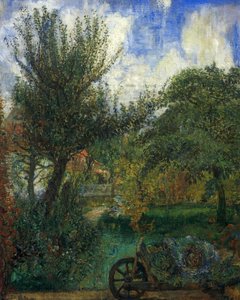
Le Jardin d' amour


 Lue lisää
Giclée- ja taideprintit
Museolaatuisia giclée- tai kankaitaulun tulosteita nopealla tuotannolla ja joustavilla viimeistelyvaihtoehdoilla. ( Tilaa käsinmaalattu jäljennös Siirry digitaaliseen kuvaan)




P118B €10

P118H €10

P118W €10

P438Z €10

P508JH €12

P508YH €12

P805H €10

P805Z €10

P919BZ €10

P919G €10

P919XJ €10

P959ZH €10

P968JZ €12

W106C €8

W218G €10

W218JH €8

W218Y €10

W307PJ €10

W316G €10

W316PJ €8

W316Y €10

W398PJ €8

W4111J €10

W500HY €15

W500JH €15

W692G €12

W849H €8

W940BG €15

W953PJ €8




Valitse valmiista mitoistamme sellaiset, jotka vastaavat teoksen alkuperäisiä mittasuhteita.

Kirjoita tarvitsemasi leveys ja korkeus, jotta tuloste sopii kehyskokoon tai seinällesi. Tulostetta voidaan vain leikata, sitä ei voi koskaan tehdä suuremmaksi kuin alkuperäinen kuva, joten eri muotoinen koko aiheuttaa osan kuvasta katoamisen. Lähetämme sinulle digitaalisen mallikuvan hyväksyttäväksi ennen kuin aloitamme tulostuksen. Tällä sivulla näkyvä kuva ei näytä lopullista leikkausta — vain mallikuva näyttää sen.
Maailmanlaajuinen toimitus () 2 viikossa tavallisen 4–5 viikon sijaan. (22 lokakuu)

Ilmainen pikatoimitus ympäri maailman

Korkealaatuinen pellavakangas

Kattava kuljetusvakuutus

Tulliveron palautustakuu

Takuu täydellisestä värien vastaavuudesta

100 päivän palautusoikeus valmistusvirhetapauksissa

100% rahat takaisin -takuu

Määräalennus saatavilla
 Lasivaihtoehto on saatavilla vain alle 110 cm kokoisille teoksille

Le Jardin d' amour
Giclée- ja taideprintit
Replikaatin koko
-


Kokonaishinta
€ 70
A Dreamscape of Desire: Unveiling James Ensor’s *Le Jardin d'Amour*
James Ensor’s *Le Jardin d'Amour* (The Garden of Love) is a captivating and unsettling masterpiece, brimming with the artist’s signature blend of fantasy, social critique, and deeply personal symbolism. Painted around 1889, this work transports viewers to an enigmatic outdoor gathering, a theatrical space populated by figures masked and costumed in the style of the *commedia dell'arte*. It is not merely a depiction of revelry, but a complex exploration of human desire, alienation, and the anxieties of modern life.Subject & Composition: A Masquerade of Souls
The scene unfolds within a densely wooded area, bathed in an ethereal, almost hallucinatory light emanating from behind the assembled figures. These are not portraits of identifiable individuals, but rather archetypes – masked characters engaged in ambiguous interactions. Some embrace, others turn away, and still others seem lost in their own private worlds. The composition is deliberately crowded and dynamic, creating a sense of claustrophobia and unease despite the ostensibly idyllic setting. The figures’ elaborate costumes and masks conceal their true identities, suggesting a performance of love and desire that may be hollow or deceptive.Style & Technique: Bridging Expressionism and Symbolism
*Le Jardin d'Amour* exemplifies Ensor’s unique artistic vision, foreshadowing both Expressionism and Surrealism. His technique is characterized by loose, visible brushstrokes and a vibrant, yet often unsettling, color palette. The painting employs elements of pointillism*, with small dabs of paint creating texture and luminosity. The flattened perspective and dreamlike atmosphere contribute to the work’s otherworldly quality. Ensor masterfully uses light and shadow to heighten the dramatic tension and emphasize the emotional intensity of the scene.Historical Context & Influences
Ensor was deeply fascinated by 18th-century art, particularly the fêtes galantes of Jean-Antoine Watteau. However, he subverts the traditional idyllic scenes of Watteau, infusing them with a sense of crepuscular melancholy and psychological complexity. The painting also reflects the social anxieties of late 19th-century Belgium – a period marked by rapid industrialization, political unrest, and growing disillusionment. Ensor’s own troubled childhood and experiences with societal hypocrisy likely informed his cynical view of human relationships.Symbolism & Interpretation: Masks and Meaning
The masks worn by the figures are central to the painting's symbolism. They represent not only concealment but also the artificiality of social conventions and the performative nature of identity. The garden itself can be interpreted as a metaphor for the human heart – a place of both beauty and darkness, pleasure and pain. Some scholars suggest that the painting reflects Ensor’s own anxieties about intimacy and his fear of emotional vulnerability. The swirling patterns in the background may symbolize the chaotic forces underlying human desire.Emotional Impact & Legacy
*Le Jardin d'Amour* is a profoundly evocative work that continues to resonate with viewers today. It evokes feelings of both fascination and unease, inviting contemplation on themes of love, loss, identity, and the complexities of the human condition. Ensor’s groundbreaking style paved the way for future generations of artists who sought to express subjective experience and challenge conventional artistic norms. Recognized by institutions like the Museo Nacional Thyssen-Bornemisza, this painting remains a pivotal work in the development of modern art, solidifying James Ensor's place as a visionary artist.- A masterful blend of Expressionism and Symbolism.
- Rich with symbolic meaning and psychological depth.
- An influential work that foreshadowed key movements in modern art.
Kysymykset ja vastaukset
Minkä tyyppinen teos James Ensor:n "Le Jardin d' amour" on?
Luettelossa teos James Ensor:n "Le Jardin d' amour" on luokiteltu tyypiksi WallArt. Kategoria auttaa löytämään samankaltaisia teoksia.
Mikä paletti ja hallitseva väri määrittelevät teoksen "Le Jardin d' amour"?
James Ensor:n "Le Jardin d' amour" -teoksen väri-identiteetti: Earthy paletti, jota hallitsee Phthalo Green (#221c1d).
Mikä on teoksen James Ensor:n "Le Jardin d' amour" hallitseva sävy?
Ochre to Sepia sävy hallitsee teosta James Ensor:n "Le Jardin d' amour".
Taiteilijan elämäkerta
A Life Immersed in Masks and Shadows: The World of James Ensor
James Ensor, syntynyt 13. huhtikuuta 1860 Ostendissa, oli belgialainen taidemaalari ja taidegraafikko, jolla oli merkittävä vaikutus ekspressionismiin ja surrealismiin. Hänen elämänsä ja työnsä ovat täynnä mysteeriä, groteskeja kuvia ja syvällisiä pohdintoja ihmisluonnosta. Ensorin taide syntyi hänen lapsuutensa ympäristöstä, ostendilaisesta merenrantakaupungista, jossa hän kasvoi yhdistelmässä englantilaista ja flaamilaisia vaikutteita. Hänen vanhempansa pyörittivät souvenir-liikettä, joka oli täynnä karnevaalimalleja, simpukankuoria ja muita outoja esineitä – todellinen ihmeiden arkisto, joka sytytti hänen mielikuvituksensa ja loi pohjan tulevalle taiteelleen.- Varhainen vaihe: Realismi ja karnevaali Ensorin varhaiset maalaukset heijastavat realistista lähestymistapaa, mutta jo näissäkin teoksissa on viitteitä myöhemmästä, epämiellyttävästä kuvastosta. *Venäläistä musiikkia* (1881) ja *Juopottelijat* (1883) ovat esimerkkejä hänen varhaisesta tyylistään, mutta jo niissäkin näkyy synkkiä sävyjä ja outoja hahmoja.
- Maskien ja groteskien maailman synty Merkittävä muutos tapahtui, kun Ensorin värikylläisyys kasvoi ja hänen aiheensa muuttuivat yhä oudommiksi. Hän alkoi maalata karnevaaleja, aaveita, nukkeja ja allegorisia hahmoja – maailmaa, joka oli täynnä fantasiaa ja usein lähellä groteskia. Tämä ei ollut pelkkää tyylimuutosta; se oli tarkoituksellinen pyrkimys tutkia ihmisen olemassaolon synkkiä puolia, hylätä yhteiskunnallisia normeja ja omaksua irrationaalisuus.
From Somber Realism to Grotesque Visions
Ensorin taiteen kehityksessä oli useita tärkeitä vaiheita. Aluksi hän maalasi realistisia kohtauksia, mutta myöhemmin hänen teoksissaan alkoi korostua epämiellyttävää ja synkkää tunnelmaa. Hän vaikutti suuresti hänen lapsuutensa ympäristöstään: karnevaalimalleista ei ollut pelkästään koristeellisia elementtejä, vaan symboleja piilotetuille identiteeteille, sosiaaliselle kritiikille ja ulkonäön hauraudelle. Hänen maalauksissaan näkyy usein myös kuolemaa, sosiaalista kritiikkiä ja uskonnollista satiiria.- Maskien symboliikka Ensor käytti maskeja usein teoksissaan, ja niitä pidettiin välineenä paljastaa piilotettuja tunteita ja motiiveja.
- Kriittinen vastaanotto alussa Ensorin maalauksia, erityisesti *Kristus saapuu Brysseliin* (1888-1889), kritisoitiin aluksi voimakkaasti, mutta myöhemmin ne arvostettiin ja tunnustettiin mestariteoksiksi.
Masterpieces of Disquiet: Key Works and Recurring Themes
Ensorin tuotannossa on useita teoksia, jotka jatkavat hänen tutkimuksiaan ihmisen olemuksesta ja yhteiskunnasta. *Skeletons Fighting over a Hanged Man* (1891) on synkkä pohdinta kuolemasta ja elämän absurdiudesta, kun taas *Tribulations of Saint Anthony* (1887) tutkii uskonnollista kamppailua ja syntiä. Hänen teoksissaan toistuvat teemat kuten kuolema, sosiaalinen kritiikki, uskonnollinen satiiri ja mielikuvituksen rajaton voima.- Esimerkkejä merkittävistä teoksista: *The Scandalized Masks*, *Christ's Entry into Brussels*, *Skeletons Fighting over a Hanged Man*, *Tribulations of Saint Anthony*.
A Pioneer of Modernism: Influences and Legacy
James Ensor ei ollut pelkästään jäljittelijä, vaan hän yhdisti eri vaikutteita luoden oman, ainutlaatuisen tyylinsä. Hän tunnusti vaikutteensa mestareista kuten Pieter Bruegel the Elderistä ja Francisco Goyasta, joiden teoksissa oli samankaltaisia piirteitä. Hänen taiteeseensa vaikuttivat myös Whistlerin estetiikan periaatteet. Ensor on laajalti tunnistettu modernismin varhaiseksi edustajaksi, joka haastoi taiteelliset normit ja loi pohjaa tuleville taiteilijoille. Hänen rohkea pyrkimyksensä tutkia alitajuntaa, groteskien kuvien käyttö ja akateemisten konventioiden hylkääminen ovat jättäneet pysyvän jäljen taiteen historiaan.Historical Significance
James Ensoria pidetään yhtenä 1800-luvun merkittävimmistä taidemaalareista, ja hänen teoksiaan on esillä useissa museoissa ympäri maailmaa. Hänen vaikutuksensa voidaan nähdä monissa myöhemmissä taiteilijoissa, kuten Kleellä ja Emil Noldella. Ensorin elämä ja työ ovat inspiroineet lukemattomia taiteilijoita ja tutkijoita, ja hänen teoksiaan jatkaa herättämään keskustelua ja ihmetystä. Hänen perintönsä on todiste taiteen voimasta kohdata epämiellyttäviä totuuksia ja tutkia ihmisen olemassaolon syvyyksiä.
James Ensor
1860 - 1949 , Belgia
Tietoa taiteilijasta
- Artistic Movement Or Style: Ilmaisut ja surrealismi
- Artists Or Movements Influenced By This Artist:
- Ilmaisut
- Surrealismi
- Artists Who Influenced This Artist:
- Bruegel van der Velde
- Goya
- Whistler
- Date Of Birth: 13. huhtikuuta 1860
- Full Name: James Sidney Edouard Ensor
- Nationality: Belgialainen
- Notable Artworks:
- Järkyttävät naamio
- Kruunut
- Kristus Brysselissä
- Place Of Birth: Ostend, Belgia
Aiheeseen liittyvät artikkelit

Sir Alfred James Munningsin 25 mestariteosta: Hevosmaalausten lumo ja brittiläinen maalaisidylli
Tutustu Sir Alfred James Munningsin 25 lumoavinta mestariteosta! Uppoudu brittiläisen maalaisidyllin ja hevosmaalausten maailmaan. Löydä inspiraatiota kotiisi OriginalUniqueArt.com:ista – taideprintit museolaadulla.
Figurative Expressionism: Emotional Intensity & Subjective Reality in 20th-Century Art
Explore the powerful world of Figurative Expressionism with OriginalUniqueArt. Discover key artists like Kirchner & Beckmann, understand its emotional depth, and learn how to collect this influential 20th-century art movement.

The Raw Emotion of Expressionism: A Deep Dive into its History, Characteristics & Enduring Influence
Explore the raw emotion of Expressionism with OriginalUniqueArt. Discover its history, key artists like Kirchner & Munch, and lasting influence on modern art. Expert insights for collectors & enthusiasts.
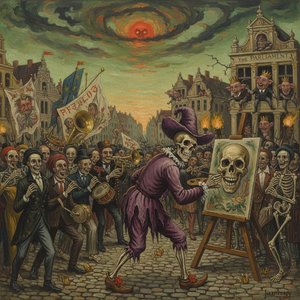
James Ensor's Grotesque Visions: Social Commentary & Artistic Innovation
Explore the unsettling yet captivating world of James Ensor, a pioneer of Expressionism. Discover his satirical masterpieces, symbolic imagery & lasting influence on modern art. High-quality reproductions available at OriginalUniqueArt.

James Abbott McNeill Whistlerin 25 mestariteosta: Taidetta ja sisustusta OriginalUniqueArt.comissa
Tutustu James Abbott McNeill Whistlerin 25 vaikuttavinta mestariteosta! Uppoudu amerikkalaisen impressionismin maailmaan, tunnelmallisiin nocturneihin ja upeisiin muotokuviin. Löydä inspiraatiota sisustukseen OriginalUniqueArt.comista – taidekopiot museolaadulla. Explore the full collection online!