

 Esikatselu
 Jaa teos
 Jaa
Jaa
 Tiedot
 Opas
Opas

 Lataa kuva
 Samanlaisia kohteita
 Röntgenkuvaus
 Diaesitys
 Q&A
Q&A Tilastot
The Exodus


 Lue lisää
Giclée- ja taideprintit
Museolaatuisia giclée- tai kankaitaulun tulosteita nopealla tuotannolla ja joustavilla viimeistelyvaihtoehdoilla. ( Osta käsinmaalattu taideteos Siirry digitaaliseen kuvaan)




P118B €10

P118H €10

P118W €10

P438Z €10

P508JH €12

P508YH €12

P805H €10

P805Z €10

P919BZ €10

P919G €10

P919XJ €10

P959ZH €10

P968JZ €12

W106C €8

W218G €10

W218JH €8

W218Y €10

W307PJ €10

W316G €10

W316PJ €8

W316Y €10

W398PJ €8

W4111J €10

W500HY €15

W500JH €15

W692G €12

W849H €8

W940BG €15

W953PJ €8




Valitse valmiista mitoistamme sellaiset, jotka vastaavat teoksen alkuperäisiä mittasuhteita.

Syötä tarvitsemasi leveys ja korkeus, jotta tuloste sopii kehyksiisi tai seinällesi. Tulostetta voidaan vain leikata, sitä ei voida koskaan suurentaa alkuperäistä kuvaa suuremmaksi, joten eri muotoinen koko aiheuttaa osan kuvasta katoamisen. Lähetämme sinulle digitaalisen mallikuvan hyväksyttäväksi ennen kuin aloitamme tulostuksen. Tällä sivulla näkyvä kuva ei näytä lopullista rajausta — vain mallikuva näyttää sen.
Maailmanlaajuinen toimitus () 2 viikossa tavallisen 4–5 viikon sijaan. (28 lokakuu)

Ilmainen pikatoimitus ympäri maailman

Korkealaatuinen pellavakangas

Kattava kuljetusvakuutus

Tulliveron palautustakuu

Takuu täydellisestä värien vastaavuudesta

100 päivän palautusoikeus (vain valmistusvirheet)

100% rahat takaisin -takuu

Määräalennus tarjolla
 Lasivaihtoehto on saatavilla vain alle 110 cm kokoisille teoksille

The Exodus
Giclée- ja taideprintit
Replikaatin koko
-


Kokonaishinta
€ 71
A Dramatic Testament to Faith: Jacques Tissot’s “The Exodus”
Jacques Joseph Tissot's "The Exodus," painted in 1902, is more than just a depiction of a biblical narrative; it’s a meticulously rendered testament to faith, human resilience, and the profound drama of a pivotal moment in history. Measuring a modest 6 x 29 cm, this work transcends its diminutive size through Tissot's masterful command of light, composition, and detail – hallmarks of his distinctive style that secured him recognition within the vibrant artistic circles of late 19th-century Paris.
Subject Matter and Narrative Composition
The painting vividly portrays a scene from the Book of Exodus, capturing the moment of Moses leading the Israelites out of Egypt. Tissot doesn’t simply illustrate the event; he imbues it with palpable emotion. The central figure of Moses, holding aloft his staff to part the Red Sea – a gesture instantly recognizable and deeply symbolic – dominates the composition, drawing the viewer's eye immediately. Surrounding him are figures representing the diverse group of people embarking on this arduous journey, their expressions ranging from hope and determination to anxiety and uncertainty. The inclusion of individuals positioned at the left and right edges subtly reinforces the sense of movement and progression, mirroring the unfolding narrative.
Technique and Artistic Style
Tissot was renowned for his meticulous realism and his ability to capture the nuances of human emotion and fashion. “The Exodus” exemplifies these qualities. Executed in oil on canvas, the painting showcases a remarkably detailed rendering of textures – from the rough linen garments of the Israelites to the shimmering surface of the water. Tissot’s use of light is particularly noteworthy; he employs soft, diffused illumination to create a sense of atmosphere and drama, emphasizing the grandeur of the scene while simultaneously highlighting the vulnerability of the figures. His technique, heavily influenced by academic traditions yet infused with a distinctly modern sensibility, resulted in works that were both technically impressive and emotionally resonant.
Symbolism and Historical Context
The symbolism within “The Exodus” is layered and profound. The parting of the Red Sea represents not only a physical escape but also a spiritual liberation – a transition from bondage to freedom, from darkness to light. Tissot’s depiction aligns with the broader artistic and religious currents of his time, reflecting a renewed interest in biblical narratives and their moral lessons. Painted in 1902, towards the end of Tissot's career, the work demonstrates a culmination of his stylistic development, showcasing his ability to blend historical accuracy with emotional depth.
Emotional Impact and Collector’s Value
"The Exodus" possesses an enduring power that continues to captivate viewers. It evokes feelings of awe, wonder, and perhaps even a sense of shared humanity – reminding us of the universal themes of faith, perseverance, and hope. As a hand-painted reproduction by OriginalUniqueArt.com, this artwork offers a unique opportunity to own a piece of art history, capturing not just an iconic biblical scene but also the artistic genius of Jacques Joseph Tissot. Its size makes it ideal for smaller spaces, while its subject matter ensures it will remain a timeless and evocative addition to any collection or interior design scheme.
Kysymykset ja vastaukset
Mitä aiheita teoksessa Jacques Joseph Tissot:n "The Exodus" esiintyy?
Teoksen "The Exodus" aiheina ovat biblical narrative, moses leadership, exodus event, ancient egypt landscape, religious symbolism, pastoral scene, staff gesture, divine intervention.
Onko teoksella Jacques Joseph Tissot:n "The Exodus" pysty- vai vaakasuuntainen orientaatio?
Teoksella Jacques Joseph Tissot:n "The Exodus" on Panoramic -muoto. Muoto kuvaa sommittelun mittasuhteita.
Mistä voin löytää teoksia, jotka muistuttavat teosta Jacques Joseph Tissot:n "The Exodus"?
Teokset, jotka muistuttavat teosta "The Exodus", löytyvät sen Samankaltaisia teoksia -sivulta.
Taiteilijan elämäkerta
Early Life and Artistic Beginnings
Jacques Joseph Tissot, syntyi Nantesissa, Ranskassa, 15. lokakuuta 1836, ja hänen elämänsä oli jo nuoresta iästä lähtien täynnä taiteellista intohimoa. Hänen isänsä, Drapery-kauppias Marcel Théodore Tissot, opetti hänelle käsityötaitoa ja yksityiskohtaisuutta – piirteitä, jotka muovasivat syvästi hänen taiteellista näkemystään. Samanaikaisesti äitinsä, milleri Marie Durand, herätti hänen kauneuden tunteenneja ja harrastushalujaan, esitteellen hänelle Pariisin vilkkaan yhteiskunnan. Vaikka perhevelvollisuudet rajoittivat aikaa, Tissot pyrki päättäväisesti taiteellisiin tavoitteisiinsa, ilmoittautuen École des Beaux-Artsiin Pariisissa, jossa hän hioisti taitojaan Ingresin, Flandrinin ja Lamothe’n kaltaisten auktoriteettien ohjauksessa. Tämä muotoutumisjakso vahvisti hänen sitoutumistaan maalaamiseen ammatiksi ja vakiinnutti hänen asemansa vaikutusvaltaisessa Pariisin taidetilassa.The Salon Years and Recognition
Tissotin debyytti Pariisin Salonissa vuonna 1861 merkitsi ratkaisevaa hetkeä – "Faustin ja Margarien tapaamisen" paljastusta, joka vangitsi yleisön huomion dramaattisella kuvaajallaan. Tämä kunnianhimoinen teos, jonka hän maalasi, ostettiin valtionhallinnon toimesta esilleemmänksi Luxembourgin galleriaan, mikä osoitti Tissotin nousua arvostetuksi taiteilijaksi, joka pystyi vangitsemaan monimutkaisia tarinoita ja välittämään syvällisiä tunteita. Seuraavat Salon-näyttelyt vahvistivat hänen asemaansa taidepiirissä, esittäen kehittyvän tyylinsä ja houkutellen komissioita merkittäviltä suojelijoilta. Varhainen menestys ruohansi luottamusta ja edisti häntä tutkimaan uusia aiheita ja tekniikoita – polku, joka lopulta määrittäisi hänen loistokkaan uransa.Genre Painting and Parisian Society
Tissotin taiteellinen läpimurto saavuttiin "La Femme à Paris" -sarjan kautta, huolellisesti tarkasteltu kuvauksena myöhäisestä Viktorian aikakauden Pariisin demi-mondainen maailmasta. Nämä maalaukset, jotka olivat tunnettuja hehkutetuista väripaleteistaan ja mestarillisesta pintatekstuurien kuvaamisesta – erityisesti tekstiileistä – ovat synonyymejä vangitsevalle kyvylle kuvata Pariisin ylellisen elämäntavan dynamiikkaa. Tissotin tarkka huomio yksityiskohtiin ulottui yksinkertaisesti visuaaliseen esittämiseen; hän pyrki välittämään ei vain ulkonäköjä, vaan myös psykologisia nyansseja, heijastaen aiheidensa ahdingot ja toiveet. Hänen työnsä on todiste Impressionististen vaikutteiden ja realismia yhdistävästä tyylistä, joka tarjoaa ainutlaatuisen näkemyksen Belle Époque -yhteiskunnan sosiaalisiin käytäntöihin ja taiteellisiin aatteisiin.Biblical Themes and Japonisme
Tissotin luovuuden monipuolisuus ilmeni hänen jatkuvassa pyrkimyksessään tutkia erilaisia taiteellisia inspiraatioita – aina uskonnollisista teemoista Raamatun kuvauksiin. Hänen uskonnolliset maalauksensa, jotka ovat täynnä hengellistä syvyyttä ja tunteellista resonanssia, osoittivat hänen kykyään nostaa visuaalista tarinointia syvälliseksi pohdiskeluksi. Samanaikaisesti hän oli lumoutunut Japonismista – japanilaisten taiteen ja estetiikan intohimosta, joka levisi Euroopassa Viktorian aikana – näkyvinä kompositioissa, jotka ovat täynnä epäsymmetrisiä järjestelyjä ja hienovaraisia väriyhdistelmiä japanilaisille printeille ominaisia. Tämä tyylillinen fuusio osoitti Tissotin älyllistä uteliaisuutta ja hänen halukkuuttaan kokeilla innovatiivisia taiteellisia lähestymistapoja.Later Years and Legacy
Tissotin elämä otti dramaattisen käänteen, kun hän ilmoittautui Ranskan–Preussin sotaan, palvelemalla Ranskan puolella – kokemus, joka todennäköisesti muokkasi hänen maailmankuvaansa. Sodan päätyttyä hän siirtyi Lontooseen, jossa hän jatkoi taiteellista uraansa ja solmi suhteita James Abbott McNeill Whistlerin kaltaisiin merkittäviin taiteilijoihin. Hän rakensi itselleen aseman merkittävänä taidemaalarina, mutta hänen menestyksensä Lontoossa oli usein vastustuksen kohteena Pariisissa. Tissot sai Ranskan Legioonan kunnian vuonna 1894. Hänen työnsä säilyvät nykyään museoissa ympäri Eurooppaa ja Pohjois-Amerikkaa – erityisesti Musée National Jean-Jacques Hennerissä Pariisissa – jossa hänen kuuluisat maalauksensa inspiroivat edelleen ihailua heidän taiteellisen loistonsa ja Viktorian aikakauden elämän kuvausten vuoksi. Hänen pysyvä vaikutuksensa genremaalaustyyliin ja Impressionismiin varmistaa hänen paikkansa Ranskan merkittävimpänä taiteilijana 1800-luvulla.
Jacques Joseph Tissot
1836 - 1902 , Ranska
Pähkinänkuoressa
- Artistic Movement Or Style: Genre maalaus
- Artists Or Movements Influenced By This Artist: ['Impressionismi']
- Artists Who Influenced This Artist:
- Ingres
- Courbet
- Date Of Birth: 15. lokakuuta 1836
- Date Of Death: 8. elokuuta 1902
- Full Name: Jacques Joseph Tissot
- Nationality: Ranskalainen
- Notable Artworks:
- Faust ja Margareetta
- La Femme à Paris
- Place Of Birth: Nantes, Ranska
Aiheeseen liittyvät artikkelit
Draped Narratives: Fashion as Symbol & Subject in Historical Art
Explore the fascinating history of fashion as a symbol of power & status in art! Discover masterpieces from Gainsborough to Tissot and learn how clothing shaped societal narratives. Find museum-quality reproductions at OriginalUniqueArt.
Jacques Joseph Tissot: A Chronicle of Parisian Life & Narrative Evolution
Explore the captivating world of Jacques Joseph Tissot, a master painter of Belle Époque society. Discover his realism, Impressionistic style, and lasting influence on art history. Learn more at OriginalUniqueArt.
Illuminating Faith: Biblical Scenes & Their Enduring Legacy in Art History
Explore the profound history of biblical art! Discover Renaissance masterpieces by Giotto & more. Uncover symbolism, artistic techniques, and lasting influence. Expert insights at OriginalUniqueArt.
Illuminating Faith: Biblical Narrative & Artistic Expression Through the Ages
Explore the rich history of biblical art from Giotto to the Renaissance masters with OriginalUniqueArt. Discover symbolism, techniques & enduring legacies. Museum-quality reproductions & expert insights.
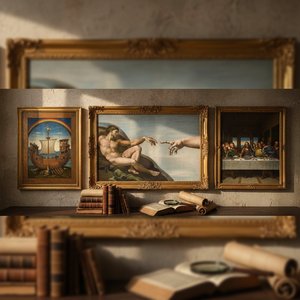
Sacred Narratives on Canvas: Exploring Biblical Art Across Centuries
Explore the rich history of biblical art from Giotto to the Renaissance masters. Discover symbolism, techniques & enduring legacies with OriginalUniqueArt – your source for museum-quality reproductions and expert art insights.