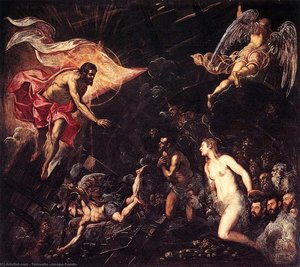
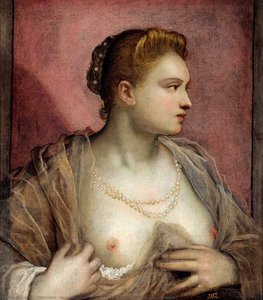
Katso seinällä
 Lähetä
 Jaa
Jaa
 Tarkemmat tiedot
 Opas
Opas

 Lataa kuva
 Samanlaisia kohteita
 Röntgenkuvaus
 Diaesitys
 Tilastot
The Last Supper
 Oil On Canvas
- WallArt
- Early Baroque
 1579
1579 538.0 x 487.0 cm
 Scuola Grande di San Rocco
 Lue lisää
Käsinmaalattu öljyvärinen jäljennös
Käsinmaalattu öljyväri kankaalle haluamassasi koossa ja kehyksissä, taiteilijoidemme valmistamana tilauksesta. ( Vaihda tulosteeseen Siirry digitaaliseen kuvaan)




P118B €10

P118H €10

P118W €10

P438Z €10

P508JH €12

P508YH €12

P805H €10

P805Z €10

P919BZ €10

P919G €10

P919XJ €10

P959ZH €10

P968JZ €12

W106C €8

W218G €10

W218JH €8

W218Y €10

W307PJ €10

W316G €10

W316PJ €8

W316Y €10

W398PJ €8

W4111J €10

W500HY €15

W500JH €15

W692G €12

W849H €8

W940BG €15

W953PJ €8




Valitse valmiista mitoistamme sellaiset, jotka vastaavat teoksen alkuperäisiä mittasuhteita.

Voit syöttää omat mitat sopimaan tiettyyn kehykseen tai tilaan. Jos valitsemasi koko ei vastaa alkuperäisen kuvan mittasuhteita, rajaamme taideteoksen tai jatkamme maalausta käsin maalatuilla elementeillä. Digitaalinen esikatselu lähetetään hyväksyttäväksi ennen tuotannon aloittamista.
Huomioithan, että näytöllä oleva esikatselu ei vastaa todellista rajausta tai jatkamista. Vain digitaalinen mallikuva näyttää lopullisen sommittelun tarkasti.
Vaikka mittatilaustyöt ovat mahdollisia, suosittelemme valitsemaan mitan ennalta määritetystä listasta alkuperäisten mittasuhteiden säilyttämiseksi.
Tilauksen jälkeen OriginalUniqueArt.com -tiimi lähettää asiakkaalle sähköpostitse ohjeet ja esikatselukuvan.
Maailmanlaajuinen toimitus () 3–4 viikossa tavallisen 5 viikon sijaan. (13 lokakuu). Laadusta ei tingitä.

Ilmainen pikatoimitus ympäri maailman

Korkealaatuinen pellavakangas

Kattava kuljetusvakuutus

Tulliveron palautustakuu

Takuu täydellisestä värien vastaavuudesta

100 päivän palautusoikeus valmistusvirhetapauksissa

100% rahat takaisin -takuu

Määräalennus saatavilla
 Lasivaihtoehto on saatavilla vain alle 110 cm kokoisille teoksille

The Last Supper
Reproduktiotapa
Replikaatin koko
-


Kokonaishinta
€ 259
A Dramatic Revelation: Tintoretto’s “The Last Supper”
Jacopo Tintoretto's "The Last Supper," painted in 1579, isn’t merely a depiction of a biblical event; it’s a visceral experience. This monumental oil on canvas, measuring an impressive 538 x 487 cm, plunges the viewer directly into the heart of Christ’s final meal with his disciples – a scene brimming with tension, betrayal, and profound spiritual weight. Tintoretto, born Jacopo Robusti in Venice around 1518, possessed a restless genius that defied conventional artistic boundaries. Unlike many artists who relied on established apprenticeship models, Tintoretto forged his own path, driven by an insatiable curiosity and a relentless pursuit of innovation. His early career was marked by a somewhat contentious relationship with the esteemed Titian, adding to the enigmatic aura surrounding this master Venetian painter.
The painting’s power resides in Tintoretto's masterful manipulation of light and shadow – a hallmark of his dramatic style. He employs *chiaroscuro* with breathtaking intensity, sculpting figures from deep darkness and bathing them in pools of radiant illumination. This theatrical use of light doesn’t simply illuminate the scene; it actively shapes our emotional response, highlighting moments of revelation and despair. Notice how Christ's face, bathed in a golden glow, exudes both serenity and sorrow, while Judas Iscariot is deliberately shrouded in shadow, embodying his treachery.
Compositional Innovation and Venetian Style
Tintoretto’s composition is revolutionary for its time. He abandons the traditional symmetrical arrangement of the Last Supper, opting instead for a dynamic, almost chaotic grouping of figures. The table dominates the scene, not as a static object but as a stage upon which drama unfolds. The disciples are arranged in a swirling vortex, each reacting to Christ’s pronouncement with varying degrees of astonishment, disbelief, and apprehension. This deliberate asymmetry creates a sense of movement and immediacy, pulling the viewer into the narrative.
Furthermore, Tintoretto's Venetian style is evident throughout. He utilizes rich, vibrant colors – deep reds, blues, and golds – characteristic of the region’s artistic tradition. However, he departs from Titian’s emphasis on polished surfaces and luminous color to embrace a more textured, almost impasto-like application of paint. This technique adds depth and physicality to the figures, imbuing them with a remarkable sense of presence. The inclusion of two potted plants flanking the room subtly references the Garden of Eden, hinting at the fall from grace that is about to unfold.
Symbolism and Spiritual Depth
Beyond its dramatic visual impact, “The Last Supper” is laden with symbolic meaning. Christ’s gesture – lifting his hand in a pronouncement – represents the institution of the Eucharist, the cornerstone of Christian faith. The reactions of the disciples are carefully rendered to convey their individual personalities and foreshadowing their future fates. Judas's averted gaze and subtle gesture of offering a coin immediately identify him as the betrayer, while Peter’s indignant posture reflects his denial of Christ.
The overall atmosphere evokes not just a historical event but also a profound meditation on faith, betrayal, sacrifice, and redemption. Tintoretto wasn't simply illustrating a biblical story; he was exploring the very essence of human experience – our capacity for both love and treachery, hope and despair. The painting’s enduring power lies in its ability to resonate with viewers across centuries, prompting reflection on timeless themes.
A Timeless Masterpiece: Reproduction Possibilities
OriginalUniqueArt offers meticulously crafted hand-painted reproductions of Tintoretto's “The Last Supper,” capturing the artist’s dramatic intensity and masterful technique. Each reproduction is created using archival-quality materials, ensuring that the colors and details remain vibrant for generations to come. Whether you are an art collector, interior designer seeking a statement piece, or simply someone captivated by this iconic image, our reproductions provide an authentic and beautiful way to experience the genius of Jacopo Tintoretto. Consider how this monumental scene could transform your space – injecting drama, history, and spiritual depth into any room. Explore our selection today and bring the power of “The Last Supper” into your world.
Kysymykset ja vastaukset
Mikä väri erottuu eniten teoksessa "The Last Supper"?
Espresso (#493228) on Tintoretto:n "The Last Supper" -teoksen hallitseva väri.
Kuinka paljon valoa "The Last Supper" värit näyttävät heijastavan?
Teoksen "The Last Supper" värit heijastavat Dark luminanssia.
Millainen tunnelma teoksella "The Last Supper" on?
Teoksen Tintoretto:n "The Last Supper" tunnelmaa kuvataan olevan Dramatic. Tämä luokittelu voi auttaa löytämään teokselle sopivan ympäristön.
Onko teos Tintoretto:n "The Last Supper" säilytyksessä taiteilijan kotimaassa?
Kyllä – teos säilytetään taiteilijan kotimaassa. Tekijä on syntynyt Italia; alkuperäisteos sijaitsee Italia.
Voinko esikatsella teosta Tintoretto:n "The Last Supper" ennen tilaamista?
Voit esikatsella teoksen Tintoretto:n "The Last Supper" reproduktiota avaamalla teoksen Esikatselu -sivun.
Sallitaanko Tintoretto:n "The Last Supper" -teoksen tekijänoikeuksien perusteella sen jäljentäminen?
Alkuperäinen "The Last Supper" sijaitsee kohteessa Scuola Grande di San Rocco, ja teos on tekijänoikeusvapaa – sen tekijänoikeussuoja on päättynyt.
Mistä "The Last Supper" on tehty ja millä tyylillä?
Tintoretto:n "The Last Supper" yhdistää Oil On Canvas-tekniikan ja Early Baroque-tyylin. Tekniikka ja tyylisuunta kuvaavat teoksen valmistustapaa ja tyyliä.
Minkälaisen tunteen Tintoretto:n "The Last Supper" värit luovat?
Tintoretto:n "The Last Supper" -teoksen Earthy väripaletti ja sen Melancholic tunnelma sointuvat yhteen. Väri on yksi tavoista, joilla teos välittää tunnetta.
Taiteilijan elämäkerta
A Venetian Master of Drama and Light
Jacopo Tintoretto, syntymäisinään Jacopo Robusti, syntyi Venetsiassa noin vuonna 1518 ja jäi ikuisesti yhdeksi renessanssin ja varhaisen barokin mestareista. Hänen lempinimonsa, “Tintoretto” – pieni värjäri – viittaa hänen perheensä ammattiin, mutta se peittää alleen valtavan taiteellisuuden, joka erotti hänet kaikista muista. Toisin kuin monet taiteilijat, jotka hyötyivät rakentuneista harjoitusohjelmistoista, Tintoretto’n polku oli pääosin itseohjautuva, täynnä himoitunutta uteliaisuutta ja armottomaa innovaationhalua. Vaikka raportit viittaavat lyhyen ja epäonnistuneeseen jaksoon Titianin, tunnetun venetsialaisen värimaailman mestarin, alaisuudessa – todennäköisesti johtuen kilpailusta tai taiteellisesta erimielisyydestä – Tintoretto kääntyi itsenäiseen suuntaan, joka oli merkitty rohkealla kokeilulla ja ainutlaatuisella dynaamisella tyylillä. Hän upposi anatomian opintoihin, todennäköisesti leikkauksien kautta, ja hioitui taitojaan huolellisesti kopioimalla klassista veistostaidetta ja muiden mestareiden teoksia. Tämä omistautuminen loi pohjan uralle, joka uudeksi määritteli venetsialaisen maalaustaidon.Forging a Distinctive Style: *Il Furioso*
Tintoretto’n taiteellinen kehitys oli merkitty lähes rautaisella energialla, mikä antoi hänelle toisen, herättävän lempinimen: *Il Furioso* – “Raivokas”. Tämä nimike ei ollut vain kuvauksellinen hänen työskentelyvauhteestaan, vaan myös vangitsi maalattujen seinien ja teosten läpitunkevan tunteen. Hänen varhaiset teoksensa antoivat jo vihjeitä poikkeamisesta perinteisistä venetsialaisista käytännöistä. Vaikka Titianin vaikutus värimaailmassa tunnustettiin, Tintoretto vetosi Michelangelo’n voimakkaiden hahmoihin ja dramaattisiin komposiitioihin. Hän synteesoi nämä vaikutteet täysin uuteen tyyliin: tyyliin, joka oli tunnettu pitkistä muodoista, pyörivistä laskuverhoista ja innovatiivisesta perspektiivin käytöstä, joka usein loi hämmentävän syvyyden ja liikkeen. Hän jätti taakseen huolellisen viimeistelyn, jota hänen vastustajansa suosivat, keskittyen sen sijaan nopeaan, lähes luonnokselliseen siveltimenvaihtoon, joka välitti välittömyyttä ja raakaa tunnetta. Tämä tekniikka yhdistettynä mestarilliseen valon ja varjon hallintaan – *chiaroscuro* – mahdollisti hänelle kohtauksien luomisen, jotka olivat vertaansa vailla dramaattisia ja psykologisesti intensiivisiä. Hän ei vain kuvannut tapahtumia; hän välitti niiden emotionaalisen ytimen.Monumental Achievements: San Rocco and Beyond
Tintoretto’n valtava tuotanto ulottui vuosikymmenten päähän, kattaen uskonnollisia tarinoita, historiallisia allegorioita ja portreja. Kuitenkin hänen merkittävin saavutuksensa on maalauksien sarja, jonka hän loi Scuola Grande di San Roccoon, Venetsian confraterniteettiin, joka oli omistettu Pyhälle Rochellille. Yli viidentoista vuoden ajan Tintoretto koristeli koulun saleja yli kuusikymmenellä maalauksella, muuttaen sen henkeäsalpaavaksi visuaaliseksi todisteeksi uskonnosta ja ihmiskokemuksesta. Teoksia kuten “The Last Supper”, joka valmistui myöhemmin hänen uransa aikana, osoittavat hänen jatkuvan kokeilunsa perspektiivin ja komposiiton suhteen. Poiketen perinteisistä esitystavista, Tintoretto sijoitti kohtauksen dramaattisesti valaistuun, arkkitehtonisesti epävakaaseen tilaan, korostaen Kristuksen viimeisen aterian emotionaalista myötätuntoa. Muita merkittäviä teoksia ovat “The Miracle of St Mark Freeing the Slave”, joka on voimakas esitys dynaamisesta kompositiosta ja etäisyyden lyhennyksestä, sekä lukuisat maalaukset venetsialaisissa kirkoissa ja palatseissa, jotka osoittavat hänen mestarillisuutensa mittakaavassa ja tarinankerronnassa. Nämä monumentaaliset projektit vahvistivat Tintoretto’n aseman yhdeksi Venetsian tärkeimmistä taiteilijoista sen kultaisen aikakautena.Influences and Legacy
Jacopo Tintoretto kuoli Venetsiassa vuonna 1594, jättäen jälkeensä valtavan ja vaikuttavan teosten joukon. Hän yhdisti korkean renessanssin ja barokin välisen ajan, ennustaen monia tyylillisia innovaatioita, jotka määrittelivät jälkimmäistä. Hänen dramaattiset kompositiot, ilmaisuvoimaiset siveltimet ja innovatiivinen valon ja varjon käyttö muuttivat taiteilijoita kuten Caravaggion, Rembrandtin ja Delacroix’n. Hän ei ollut vain maalari; hän oli visuaalinen kertoja, joka osasi hyödyntää taiteen voimaa tunteiden herättämiseen ja ihailun inspiroimiseen. Yhden kolmesta suurimmasta venetsialaisesta taiteilijasta 1600-luvulla – Titianin ja Paolo Veronesen rinnalla – Tintoretto oli keskeisessä roolissa Venetsian taiteellisen maiseman muovaamisessa sen kulta-aikana. Hänen työnsä heijastelee paitsi aikaansa määrääviä uskonnollisia intohimoja ja poliittisia jännitteitä, myös ainutlaatuisen henkilökohtaisen näkemyksensä, joka resonoi edelleen yleisön kanssa tänään, vahvistaen hänen paikkansa historian merkittävinä ja kiehtovimpina taiteilijoina.
Tintoretto
1518 - 1594 , Italia
Tietoa taiteilijasta
- Artistic Movement Or Style: Renessanssi, Mannerismi
- Artists Or Movements Influenced By This Artist:
- Caravaggio
- Barokki
- Artists Who Influenced This Artist:
- Tiziano
- Michelangelo
- Date Of Birth: 1518
- Date Of Death: 1594
- Full Name: Jacopo Robusti
- Nationality: Italian
- Notable Artworks:
- Pyhän Markuksen ihme
- Viimeinen ehtoollinen
- Place Of Birth: Venezia, Italia
Aiheeseen liittyvät artikkelit
Jacopo Tintoretton 25 mestariteosta: Draamaa ja valoa taidekokoelmassasi
Tutustu Jacopo Tintoretton 25 upeimpaan mestariteokseen! Uppoudu venetsialaisen renessanssin dramaattiseen maailmaan ja löydä taiteen historiaa. Laadukkaat taideprintit sisustukseesi OriginalUniqueArt.comissa.

Barokin loisto: Kuinka tuoda ylellisyyttä ja tunnetta nykyaikaiseen sisustukseen
Tutustu barokki sisustuksen loistoon! Opi luomaan ylellistä ja tunnelmallista kotia historiallisen tyylin inspiroimana. Vinkkejä, esimerkkejä ja in apua.

The Dramatic Flourish: Exploring the Baroque Movement's Enduring Legacy in Art History
Explore the dramatic world of Baroque art! Discover iconic artists like Caravaggio & Rubens, defining techniques, and its lasting impact on art history. Expert insights for collectors & enthusiasts at OriginalUniqueArt.

The Visceral Stage: Exploring Dramatic Narratives & Emotional Intensity in Baroque Art
Explore the dramatic world of Baroque art! Discover iconic masters like Caravaggio & Rembrandt, their techniques, and the movement's lasting impact. Expert insights for collectors & enthusiasts at OriginalUniqueArt.

The Enduring Power of Painting: A Historical & Contemporary Exploration of Form and Emotion
Explore the rich history & enduring techniques of oil painting with OriginalUniqueArt. Discover masterpieces, learn about art collecting, and find authentic handmade reproductions crafted by skilled artists.