

 Katso seinällä
 Lähetä
 Jaa
Jaa
 Tarkemmat tiedot
 Opas
Opas

 Lataa kuva
 Samanlaisia kohteita
 Röntgenkuvaus
 Diaesitys
 Tilastot
Five hundred arhats
 Ink
Ink- WallArt
- Contemporary Realism
 1789
1789- Early Modern
 50.0 x 71.0 cm
 National Gallery of Victoria
 Lue lisää
Giclée- ja taideprintit
Museolaatuisia giclée- tai kankaitaulun tulosteita nopealla tuotannolla ja joustavilla viimeistelyvaihtoehdoilla. ( Tilaa käsinmaalattu jäljennös Siirry digitaaliseen kuvaan)




P118B €10

P118H €10

P118W €10

P438Z €10

P508JH €12

P508YH €12

P805H €10

P805Z €10

P919BZ €10

P919G €10

P919XJ €10

P959ZH €10

P968JZ €12

W106C €8

W218G €10

W218JH €8

W218Y €10

W307PJ €10

W316G €10

W316PJ €8

W316Y €10

W398PJ €8

W4111J €10

W500HY €15

W500JH €15

W692G €12

W849H €8

W940BG €15

W953PJ €8




Valitse valmiista mitoistamme sellaiset, jotka vastaavat teoksen alkuperäisiä mittasuhteita.

Kirjoita tarvitsemasi leveys ja korkeus, jotta tuloste sopii kehyskokoon tai seinällesi. Tulostetta voidaan vain leikata, sitä ei voi koskaan tehdä suuremmaksi kuin alkuperäinen kuva, joten eri muotoinen koko aiheuttaa osan kuvasta katoamisen. Lähetämme sinulle digitaalisen mallikuvan hyväksyttäväksi ennen kuin aloitamme tulostuksen. Tällä sivulla näkyvä kuva ei näytä lopullista leikkausta — vain mallikuva näyttää sen.
Maailmanlaajuinen toimitus () 2 viikossa tavallisen 4–5 viikon sijaan. (26 lokakuu)

Ilmainen pikatoimitus ympäri maailman

Korkealaatuinen pellavakangas

Kattava kuljetusvakuutus

Tulliveron palautustakuu

Takuu täydellisestä värien vastaavuudesta

100 päivän palautusoikeus valmistusvirhetapauksissa

100% rahat takaisin -takuu

Määräalennus saatavilla
 Lasivaihtoehto on saatavilla vain alle 110 cm kokoisille teoksille

Five hundred arhats
Giclée- ja taideprintit
Replikaatin koko
-


Kokonaishinta
€ 70
A Vision of Zen Serenity: The Spiritual Landscape of Itō Jakuchū
In the quietude of the late 18th century, amidst the vibrant merchant culture of Kyoto, Itō Jakuchū breathed life into a masterpiece that transcends the boundaries of mere ink and silk. His 1789 work, “Five Hundred Arhats,” is not simply a depiction of religious figures; it is an immersive spiritual journey. As one gazes upon this monumental scroll, the viewer is transported to the serene gardens of Sekiho-ji Temple, where the boundaries between the physical world and the divine begin to dissolve. Jakuchū, born into a prosperous family of grocers, utilized his unique position—blending the practical observations of a merchant with the profound contemplations of Zen Buddhism—to create a visual narrative that captures the very essence of enlightenment.
The composition is a breathtaking feat of storytelling, where each arhat, or enlightened disciple, serves as a brushstroke in a larger tapestry of devotion. Through a masterful command of the ink wash technique, Jakuchū orchestrates a scene that feels both intimately detailed and vast in its spiritual scope. The painting invites the eye to wander through a meticulously recreated landscape, where trees, mountains, and architectural elements provide a grounded reality to the celestial assembly. This delicate balance between the tangible and the transcendent is what makes the piece so captivating for the modern observer; it offers a moment of stillness in an otherwise chaotic world.
Mastery of Technique and the Art of Observation
What sets Jakuchū apart from his contemporaries was his refusal to be bound by the rigid stylistic lineages of the Edo period. While he was trained in the Chinese realist style, he possessed an experimental spirit that allowed him to infuse his work with a startling vitality. In “Five Hundred Arhats,” this is evident in the way light and shadow are suggested through subtle gradations of ink, creating a sense of depth and atmosphere that feels remarkably modern. The artist’s ability to render the textures of silk, stone, and foliage with such precision demonstrates a profound engagement with the natural world—a hallmark of his unique artistic voice.
For the collector or interior designer, this piece offers more than just aesthetic beauty; it provides a focal point of profound emotional resonance. The painting’s ability to evoke Zen serenity makes it an ideal centerpiece for spaces dedicated to reflection, study, or sophisticated relaxation. Whether displayed in a contemporary gallery setting or integrated into a classic, curated interior, the "Five Hundred Arhats" brings with it an aura of historical weight and meditative peace. To possess a high-quality reproduction of this work is to invite the timeless wisdom of the Edo period into one's personal environment, fostering a connection to the enduring pursuit of spiritual clarity.
Kysymykset ja vastaukset
Miten teosta Ito Jakuchu:n "Five hundred arhats" voidaan käyttää sisustuksessa?
"Five hundred arhats" on suositeltava Accent-tarkoitukseen, ja suositeltu tila teokselle on Living Room.
Mitä tekniikkaa teoksessa "Five hundred arhats" on käytetty ja milloin se on luotu?
"Five hundred arhats" on tehty vuonna 1789 käyttäen tekniikkaa Ink.
Millainen tunnelma teoksella "Five hundred arhats" on?
Teoksen Ito Jakuchu:n "Five hundred arhats" yleinen tunnelma on Serene. Tunnelma kuvaa teoksen yleistä ilmapiiriä.
Taiteilijan elämäkerta
Kyoton kauppiaan visio: Itō Jakuchūn maailma
Syntynyt vuonna 1716 Kyoton vilkkaassa Nishikin markkinakorttelissa, Itō Jakuchū nousi yhdeksi Japanin alkuperäisimmistä ja lumoavimmista taiteilijoista. Toisin kuin monet hänen aikalaistensa, jotka seurasivat vakiintuneita taideperinteitä, Jakuchūn polku muovautui ainutlaatua tavalla hänen perheensä menestyvän kauppiasaseman ja syvän henkilökohtaisen yhteyden zenbuddhalaisen filosofian kautta. Hänen isänsä, Itō Genzaemon, oli menestynyt ruokakauppias, mikä tarjosi nuorelle Jakuchūn kasvulle mukavan ympäristön ja antoi hänelle mahdollisuuden tukea nousevaa maalaustalenttiaan jo varhain. Tämä kaupallinen ympäristö kuitenkin myös opetti hänelle tietoisuutta yhteiskunnallisista muutoksista ja Kyoton kauppiasluokan kasvavasta vaikutusvallasta – näkökulmasta, joka tulisi hienovaraisesti ohjaamaan hänen taiteellista visioaan. Vaikka hänen odotettiin lopulta ottavan perheyrityksen haltuunsa, Jakuchūn intohimo löytyi muualta, vetovoimana vangita elämän olemus siveltimen ja musteen avulla. Isänsä kuoltua 23-vuotiaana Jakuchū hoiti kauppaa lyhyen aikaa ennen kuin siirsi sen veljelleen, antautuen lopulta kokonaan taiteen tavoitteluun.Perinteiden rikkominen: Tyyli ja aihepiiri
Itō Jakuchūn taiteellinen tyyli on kiehtova sekoitus huolellista realismia ja leikkisää kokeilua. Vaikka hänen juurensa olivat syvällä perinteisissä japanilaisissa aiheissa – erityisesti linnuissa, kukissa ja maisemissa – hän täytti työnsä innovatiivisella hengellä, joka erotti hänet monista aikalaistaan. Hän saavutti mainetta Maruyama Ōkyōn rinnalla realistisista kuvauksistaan, mutta Jakuchū uskalsi mennä pelkkää luonnon jäljittelyä pidemmälle. Hänen maalauksiaan leimaavat eloisat värit, dynaamiset sommitelmat ja halu haastaa perinteiset näkökulmat. Erityisesti kanat tulivat toistuvaksi motiiviksi hänen tuotannossaan, nostettu vaatimattomista maatilan eläimistä aiheiksi, jotka olivat arvoisia syvälliselle taiteelliselle tutkimukselle. Hän ei ainoastaan maalannut sitä, *mitä* hän näki, vaan tutki jokaisen olennon sisäänrakennettua elinvoimaa ja luonnetta. Lintujen lisäksi Jakuchūn teokset heijastavat usein zenbuddhalaisia teemoja – mietiskelevää tyynyyttä, katoavaisuuden arvostusta ja kunnioitusta luonnonmaailmaa kohtaan. Hänen kuuluisa pavut -teoksensa on esimerkiksi muutakin kuin kasvitieteellinen tutkimus; se on meditaatio kasvusta, kuihtumisesta ja kaiken olemassaolon keskinäisestä yhteydestä. Hänen mestarilliset moniväriset esityksensä – *doshoku sai-e* – ovat erityisen arvostettuja, näyttäen poikkeuksellista tarkkuutta ja eloisan väripaletin, jota harvoin nähtiin aikakauden japanilaisessa maalaustaideessa.Zen-vaikutus ja taiteellinen kehitys
Zenbuddhalaisuuden vaikutus Jakuchūn taiteeseen on kiistaton. Hänestä tuli maallikkobratti (*koji*) Kyoton Shokoku-ji-temppelissä, uppoutuen zen-periaatteisiin, jotka korostivat suoraa kokemusta, intuitiota ja valaistumisen etsimistä kontemplaation kautta. Tämä henkinen perusta muovasi syvästi hänen taiteellista lähestymistapaansa, edistäen irtautumista maallisista huolista ja järkähtämätöntä keskittymistä aiheidensa olemuksen vangitsemiseen. Sanotaan, että hän sai jopa erityisluvan tutkia temppelin kokoelmissa olevia klassisia kiinalaisia maalauksia, imien itseensä vuosisatojen taideperinteen samalla kun hän loi omaa ainutlaatuista polkuaan. Vaikka Jakuchū saattoi aluksi opiskella Ōoka Shunbōkun johdolla, Kano-koulun lintu- ja kukkamaalaukseen erikoistuneen taiteilijan oppina, hän ylitti nopeasti perinteiset koulutuksen rajat kehittäen idiosynkraattisen tyylin, joka kieltäytyi helposta luokittelusta. Hänen halunsa rikkoa vakiintuneita normeja liitti hänet ”eksentrikoiden sukulinjaan” – liikkeeseen, jota Nobuo Tsuji korosti vaikutusvaltaisessa kirjassaan *Kisō no Keifu* (Eksentrikoiden sukulinja). Tämä teos nosti esiin taiteilijoita, jotka haastoivat taiteelliset konventiot, vahvistaen Jakuchūn aseman keskeisenä hahmona Japanin taidehistoriassa.Perintö ja uudelleenlöytäminen
Huolimatta lahjakkuudestaan ja omistautumisestaan, Itō Jakuchū pysyi suhteellisen tuntemattomana elinaikanaan. Vasta 1900-luvulla hänen työnsä alkoi saada laajaa tunnustusta, pitkälti Tsujin tutkimustyön ansiosta, joka mullisti käsityksen Edo-kauden maalaustaiteesta. Tsujin Jakuchūn nostaminen keskeiseksi hahmoksi ”eksentrikoiden suklinjassa” herätti uudelleen kiinnostuksen hänen taiteeseensa ja vakiinnutti hänet yhtenä Japanin tärkeimmistä ja innovatiivisimmista maalarista. Hänen vaikutuksensa näkyy myös Ukiyo-e -tyylin, suositun puupiirrosgenren, kehityksessä, mikä osoittaa laajemman vaikutuksen japanilaiseen taidekulttuuriin. Jakuchūn halu kokeilla perspektiiviä, väriä ja aihepiirejä raivasi tietä tuleville sukupolville haastaa perinteet ja tutkia uusia luovia mahdollisuuksia. Zen-munkki Daiten Kenjon vuonna 1766 kirjoittama elämäkerta tarjoaa arvokasta tietoa Jakuchūn taiteellisesta filosofiasta paljastaen hänen tietoisen pyrkimyksensä välttää ihmishahmoja – valinnan, joka korostaa hänen keskittymistään luonnonmaailmaan ja sen sisäänrakennettuun kauneuteen. Nykyään Itō Jakuchū tunnetaan paitsi teknisestä taidostaan, myös ainutlaatuisesta visiostaan, mikä on todiste taiteilijan kestävästä voimasta, joka uskalsi kulkea omaa polkuaan ja vangita aikansa hengen vertaansa vailla olevalla alkuperäisyydellä.Merkittäviä teoksia
- Viisisataa arhattia: Monumentaalinen teos, joka osoittaa Jakuchūn poikkeuksellisen taidon ja omistautumisen.
- Hanshan ja Shide (Kanzan ja Jittoku): Osoittaa hänen kykynsä vangita japanilaisen kulttuurin ja kansanperinteen olemus.
- Rapuja ja pionia: Tyypillinen esimerkki hänen ominaisesta tyylistään, jossa yhdistyvät tarkka yksityiskohtaisuus ja eloisat värit.
- Pavut (Bean Vine): Sumi-e-mestariteos, joka ilmentää zen-filosofiaa ja näyttää monimutkaisia yksityiskohtia.
- Kaksi kurkea: Esimerkki hänen taiteellisesta kyvystään kuvata lintuaiheita arvokkaasti ja tarkasti.
- Vanha mänty: Silmiinpistävä teos, joka osoittaa hänen mestarillisen siveltimenjälkensä (101 x 40 cm, silkki).

Ito Jakuchu
1716 - 1800 , Japani
Tietoa taiteilijasta
- Artistic Movement Or Style: Zen ink maalaisuus
- Artists Or Movements Influenced By This Artist: ['Kano koulun tyyli']
- Artists Who Influenced This Artist: ['Ōoka Shunboku']
- Date Of Birth: 2 marraskuu 1716
- Date Of Death: 27 lokakuu 1800
- Full Name: Ito Jakuchū
- Nationality: Japani
- Notable Artworks:
- Kanzan ja Shide
- Viisi sataa arhatta
- Place Of Birth: Kyoto, Japani
Aiheeseen liittyvät artikkelit
Zen on Canvas: The Timeless Artistry and Spiritual Depth of Japanese Landscape Painting
Explore the profound beauty of Japanese landscape painting. From Hokusai's iconic vistas to Zen-inspired compositions, discover the spiritual depth and historical mastery of Ukiyo-e art in this expert cultural retrospective.
Cultivating Paradise: A Historical & Artistic Exploration of Gardens in Painting
Explore the rich history of gardens in painting! Discover masterpieces from Renaissance to Impressionism & beyond. Learn about symbolism, artists like Monet & Klimt, and find your perfect artwork at OriginalUniqueArt.
Nature’s Masterpieces: The Timeless Elegance of Gardens and Parks in Fine Art
Embark on a visual journey through the serene beauty of gardens and parks in fine art. Discover how master artists capture nature's tranquility through impressionistic blooms and classical landscapes to bring timeless elegance into your home collection.
Zen & Elegance: How Japanese Artistry Transformed Global Masterpieces
Explore the profound influence of Japanese artistry on global masterpieces. From Ukiyo-e prints to Zen aesthetics, discover how Eastern elegance transformed Western art history in this deep cultural reflection for fine art enthusiasts and collectors.
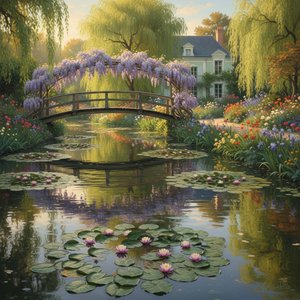
Capturing Giverny: The Enchanting Impressionist Magic of Monet's Gardens
Embark on a visual journey through Claude Monet's Giverny. Discover the enchanting light, vibrant colors, and breathtaking landscapes of his legendary gardens through an expert exploration of Impressionist mastery and timeless beauty.
