

 Esikatselu
 Jaa
Jaa Jaa
Jaa
 Tarkemmat tiedot

 Lataa
Lataa
 Samanlaisia
 Röntgenkuva
 Diaesitys
Resting Cows

 Näytä lisää
Käsinmaalattu öljykopio
Käsinmaalattu öljyväri kankaalle haluamassasi koossa ja kehyksissä, taiteilijoidemme valmistamana tilauksesta. ( Siirry tulosteeseen Vaihda kuvaksi)




































Valitse valmiista mitoistamme sellaiset, jotka vastaavat teoksen alkuperäisiä mittasuhteita.

Voit syöttää omat mitat sopimaan tiettyyn kehykseen tai tilaan. Jos valitsemasi koko ei vastaa alkuperäisen kuvan mittasuhteita, rajaamme taideteoksen tai jatkamme maalausta käsin maalatuilla elementeillä. Digitaalinen esikatselu lähetetään hyväksyttäväksi ennen tuotannon aloittamista.
Huomioithan, että näytöllä oleva esikatselu ei vastaa todellista rajausta tai jatkamista. Vain digitaalinen mallikuva näyttää lopullisen sommittelun tarkasti.
Vaikka mittatilaustyöt ovat mahdollisia, suosittelemme valitsemaan mitan ennalta määritetystä listasta alkuperäisten mittasuhteiden säilyttämiseksi.
Tilauksen jälkeen OriginalUniqueArt.com -tiimi lähettää asiakkaalle ohjeet ja esikatselukuvan.
Maailmanlaajuinen toimitus () 3–4 viikossa tavallisen 5 viikon sijaan. (5 elokuu). Laadusta ei tingitä.

Ilmainen pikatoimitus ympäri maailman

Korkealaatuinen pellavakangas

Kattava kuljetusvakuutus

Tulliveron palautustakuu

Täydellinen värien vastaavuustakuu

60 päivän palautusoikeus (vain valmistusvirheet)

100% rahat takaisin -takuu

Määräalennus tarjous
 Lasivaihtoehto on saatavilla vain alle 110 cm kokoisina teoksina

Resting Cows
Reproduktiotekniikka
Replikaatin koko
-


Kokonaishinta
$ 300
Taiteilijan elämäkerta
The Soul of the Hungarian Landscape: The Life and Art of István Nagy
István Nagy (1873–1937) remains a profound voice in the tapestry of Hungarian art, a painter whose brush captured not merely the physical contours of the land, but the very psychological atmosphere of an era caught between tradition and modernity. Born into a landowning family in Csikmindszenc, within the rugged beauty of Harghita County, Nagy’s destiny was shaped by the landscapes that surrounded him. Though his lineage suggested a life of agricultural stewardship, he found his true calling through the charcoal sticks and pigments of a burgeoning artist. His early years in Kolozsvár, where he studied at the teacher training college, provided the foundational discipline that would later allow him to translate the fleeting light of Transylvania into enduring oil paintings. The trajectory of Nagy’s career was marked by an ambitious pursuit of excellence across Europe’s most prestigious art centers. Encouraged by the mentor Gusztáv Kelety, he traveled to Budapest to study under the academic master Bertalan Székely. This classical foundation was soon enriched by the atmospheric influences of Munich, where he studied with Franz von Lenbach, and later by the luminous, experimental spirit of Paris at the Académie Julian. It was in these cosmopolitan crucibles that Nagy began to synthesize a personal language—one that respected the structural integrity of academic tradition while embracing the emotive, broken brushwork of Impressionism and the haunting depths of Symbolism.Shadows of War and the Weight of Experience
The onset of World War I served as a transformative, albeit harrowing, catalyst for Nagy’s creative evolution. Serving on the Transylvanian and Galician fronts, he was thrust into the grim realities of combat, an experience that stripped away much of the pastoral serenity found in his earlier works. The landscapes of his youth were replaced by a starker, more visceral documentation of human suffering. During this period, Nagy produced a series of poignant portraits that are widely regarded as some of his most emotionally resonant achievements. These works do not merely depict faces; they capture the hollowed eyes and psychological exhaustion of soldiers, imbuing his canvases with a palpable sense of disillusionment and sorrow that echoed the collective trauma of a continent. Following the devastation of the war, Nagy’s focus shifted back toward the earth, yet he returned to it with a changed perspective. In 1919, his return to Budapest led to a period of profound exploration alongside József Koszta. Together, they traversed the Great Hungarian Plain, meticulously recording the vast, sweeping vistas of the Hungarian heartland. This era of his work demonstrated a remarkable ability to blend the serene beauty of nature with an underlying tension, often utilizing thick impasto and a more structured, almost Expressionist approach to form. His later works, such as the evocative Fences, utilize geometric shadows and cool, somber palettes to evoke a sense of profound solitude and the quiet dignity of the landscape.A Legacy Written in Light and Earth
The significance of István Nagy lies in his ability to bridge the gap between the academic past and the modernist future. He was an artist who could find the sublime in a simple Romanian village or the tragic in a soldier's gaze. His recognition grew steadily, bolstered by the praise of literary giants like Dezső Kosztolányi and the support of patrons who recognized his unique ability to capture the "spirit of place." Even as his health declined in his final years in Baja, the impact of his vision remained undiminished. Today, the works of István Nagy serve as vital historical and aesthetic documents. His oeuvre offers a window into:- The Transylvanian Essence: A vibrant, impressionistic record of Romanian landscapes and village life.
- The Human Cost of Conflict: Hauntingly beautiful portraits that document the psychological landscape of World War I.
- Modernist Transition: The evolution from classical academicism to the expressive, textured techniques of early 20th-century European art.

István Nagy
1873 - 1937 , Romania
Pikatiedot
- Artistic Movement Or Style: Landscape Painting & Figure Painting
- Artists Or Movements Influenced By This Artist:
- Symbolism
- Fauvism
- Artists Who Influenced This Artist:
- Bertalan Székely
- Franz von Lenbach
- Date Of Birth: 1873
- Date Of Death: 1937
- Full Name: István Nagy
- Nationality: Hungarian
- Notable Artworks:
- Girl with yellow scarf
- Snowy Rooftops
- Wounded Soldier
- Place Of Birth: Csikmindszent, Romania
Liittyvät artikkelit
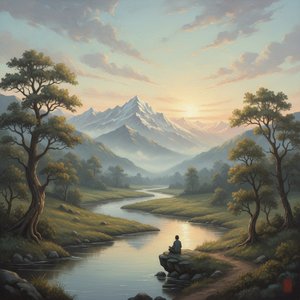
Evoking Tranquility: A Comprehensive Exploration of Serene Landscapes in Art History
Explore the history of serene landscapes in art! Discover renowned artists like Monet & Munch, movements from Impressionism to Tonalism, and find the perfect piece to bring tranquility to your home. Expert insights at OriginalUniqueArt.

Top 10 Impressionistimaisemaa: Taideteokset jotka muuttivat taiteen – OriginalUniqueArt.fi
Tutustu 10 ikoniseen impressionistimaisemaan! Claude Monet’n ja muiden mestareiden teokset heräävät eloon. Taiteen historiaa, tekniikoita ja inspiraatiota kotiisi – OriginalUniqueArt.com:sta löydät museolaatuiset taideprintit ja sisustusehdotukset. Tutki kokoelma verkossa!

Tilaustyötaiteen uusi aika: Räätälöityjä mestariteoksia nykypäivään
Tilaa uniikki taideteos suoraan taitavilta taiteilijoiltamme. Räätälöidyt öljyvärimaalaukset, muotokuvat ja sisustustaide korkealaatuisin materiaalein. Investoi ajattomaan kauneuteen!
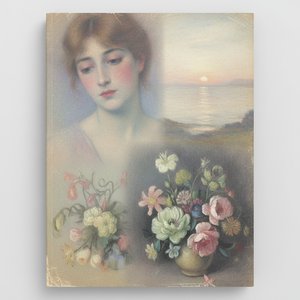
The Subdued Radiance of Pastel Palettes: Exploring Emotional Resonance in Art History
Explore the emotional power of pastel palettes in art history! Discover Impressionism, Post-Impressionism & color psychology insights. Find museum-quality reproductions at OriginalUniqueArt.
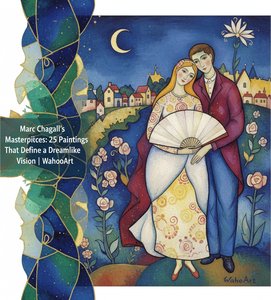
Marc Chagallin 25 mestariteosta: Unelmien taidetta kotiisi | OriginalUniqueArt
Uppoudu Marc Chagallin lumoavaan maailmaan! Tutustu 25 mestariteokseen, jotka kertovat unelmista, väreistä ja juutalaisesta perinnöstä. Löydä inspiraatiota sisustukseesi ja hanki korkealaatuiset taideprintit OriginalUniqueArt.com:sta. Tutki kokoelma verkossa!

